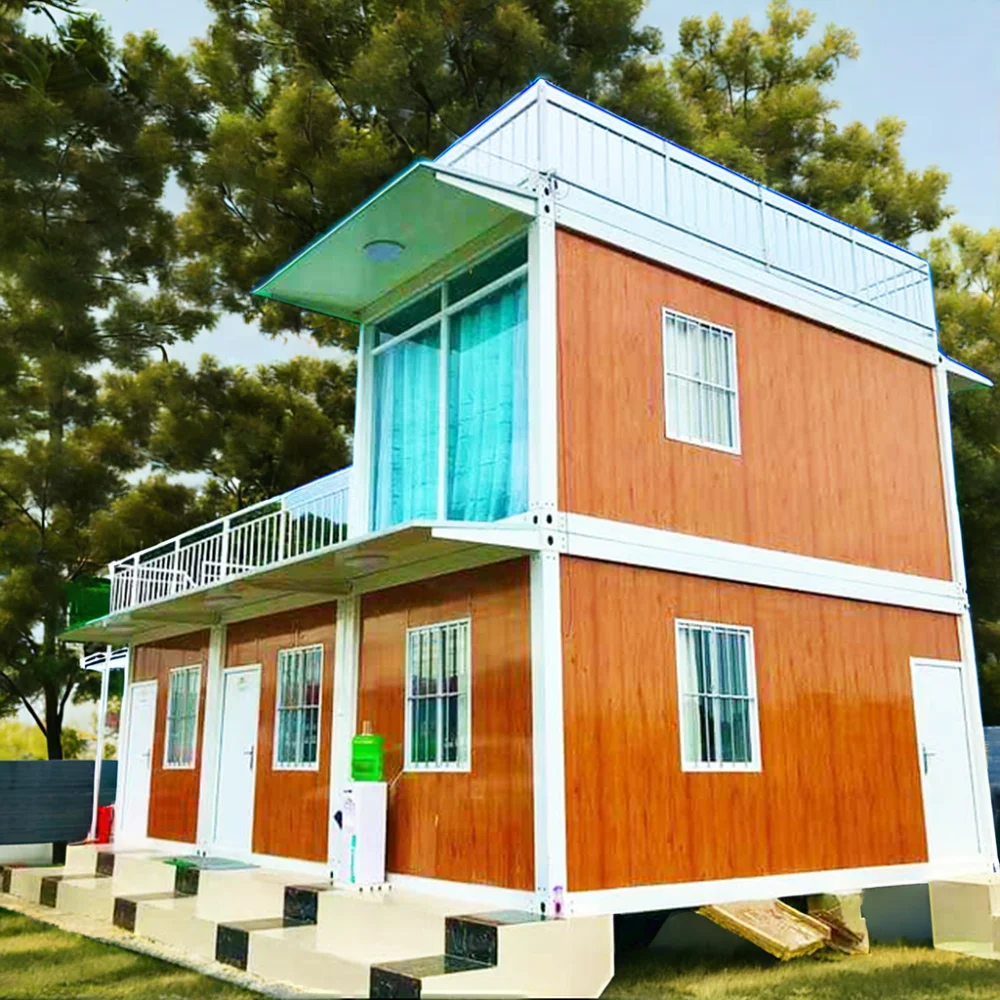
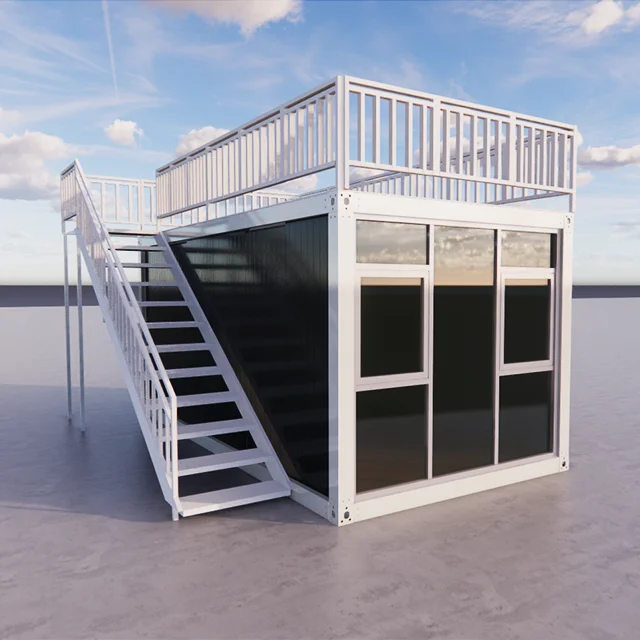
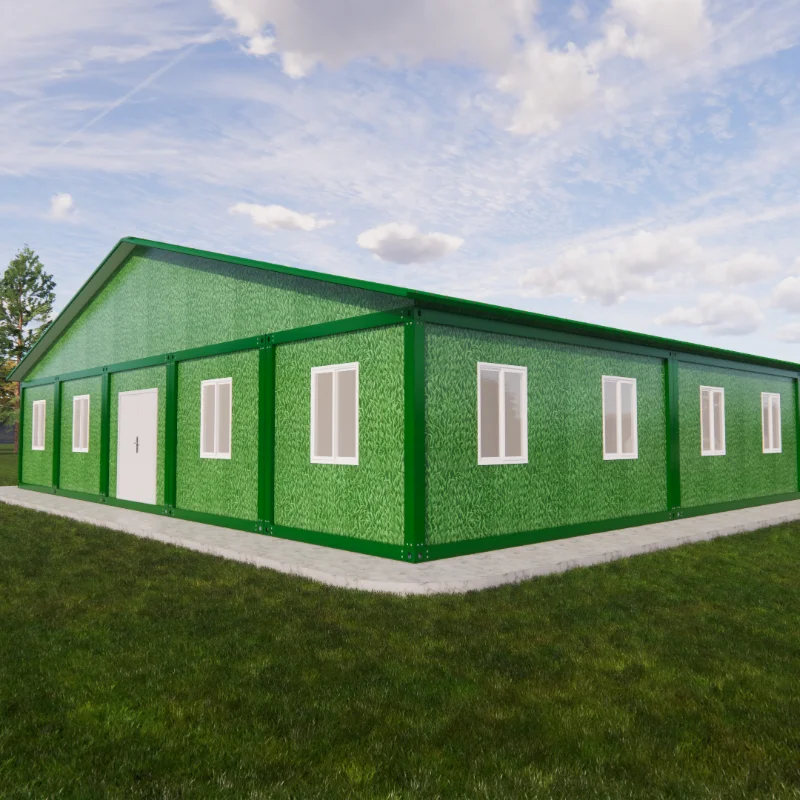
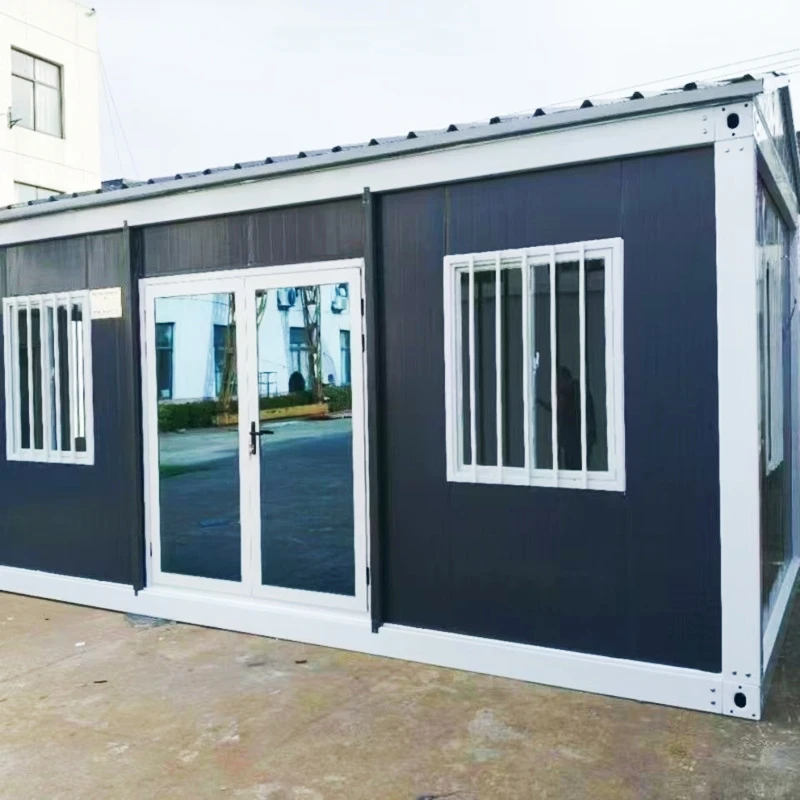
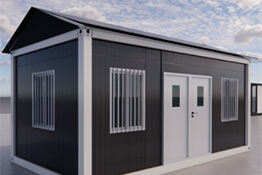
As the prefabricated house industry ushers in a market scale of 85 billion yuan with an annual compound growth rate of over 12%, the selection of thermal insulation materials has become a core factor affecting building safety, energy efficiency and comfort. Rock wool boards and foam boards, as two mainstream types of insulation materials, show significant differences in performance characteristics and applications in prefabricated buildings, and their rational selection is directly related to project compliance and living experience.
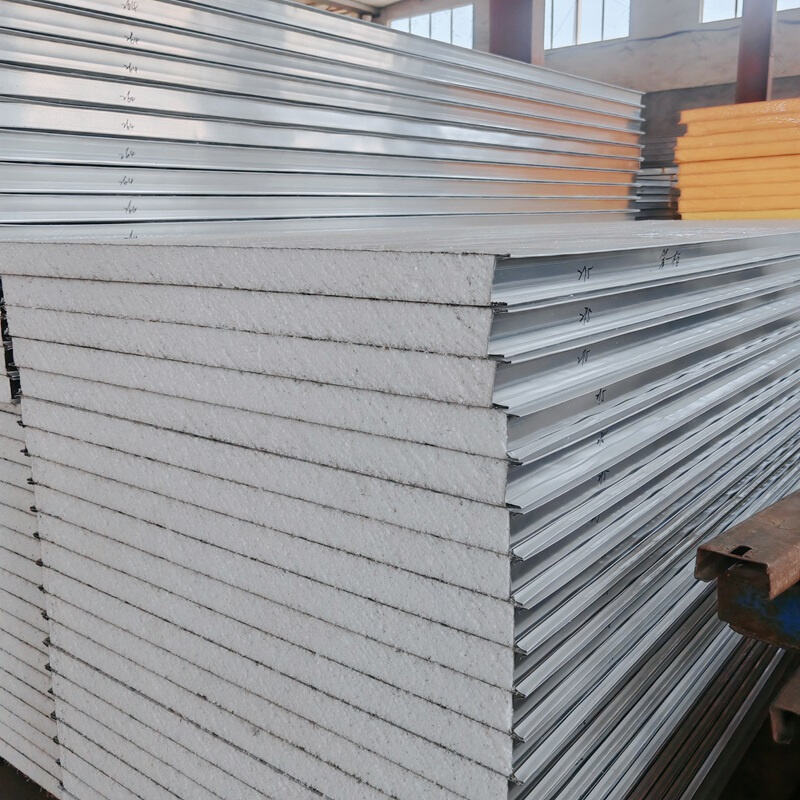
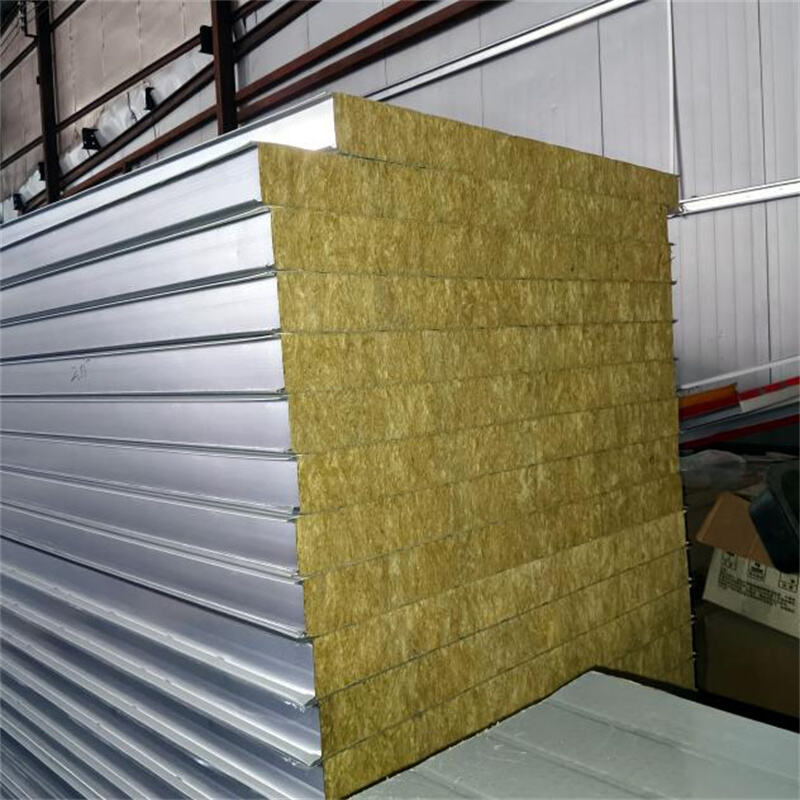
I. Core Differences Between Rock Wool Boards and Foam Boards
1. Material and Production Process
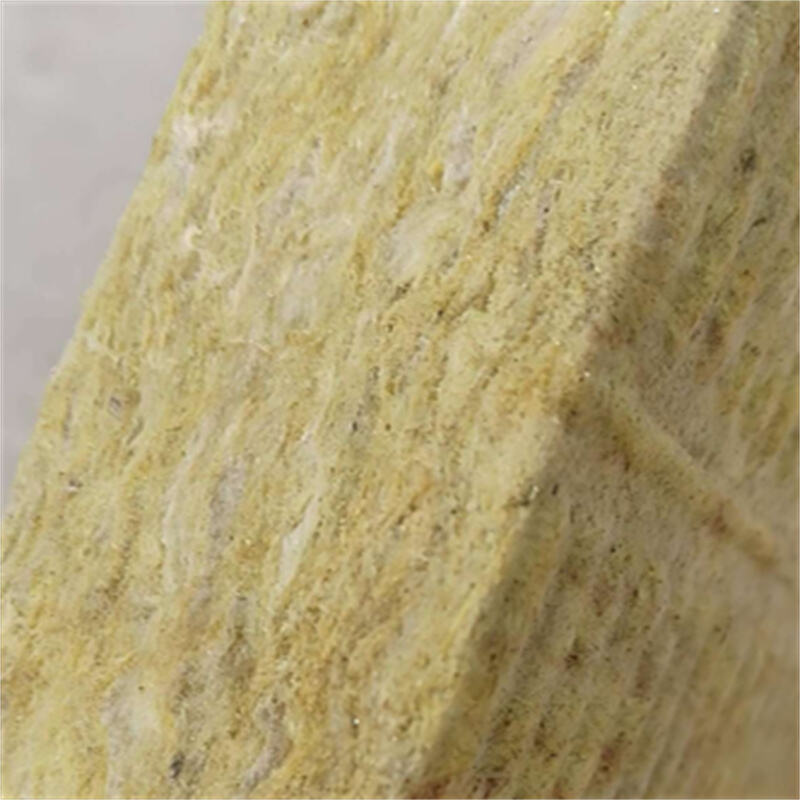
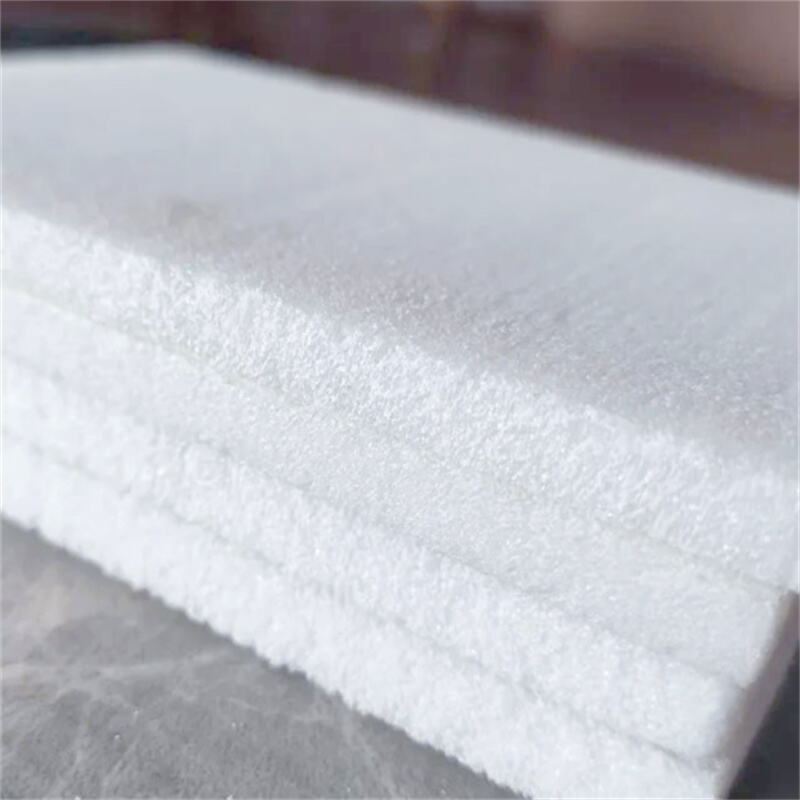
2. Key Performance Differences
|
Performance Dimension |
Rock Wool Board |
Foam Board (EPS/XPS) |
|
Fire Rating |
Grade A1 non-combustible; does not burn when exposed to open flame and no toxic gas is released |
EPS is Grade B2 combustible, XPS is Grade B1 flame-retardant; toxic gases are easily released during combustion |
|
Thermal Conductivity |
0.039~0.044W/(m`K), moderate insulation performance |
EPS: 0.038~0.041W/(m`K); XPS: 0.028~0.030W/(m`K), superior insulation performance |
|
Physical Properties |
High density (≥120kg/m³), high strength, excellent sound absorption and noise reduction effect; protection is required after moisture absorption |
Light weight (EPS density 19-20kg/m³), easy to process, strong compression resistance and moisture resistance (especially XPS); may age and deform after long-term use |
|
Environmental Compliance |
Inorganic material without pollution, in line with green building standards |
Combustion smoke toxicity of some products is high, which needs to meet environmental requirements of specific scenarios |
|
Cost and Price |
Relatively high |
Low cost and high cost performance |
3. Application Scenario Focus
Rock wool boards, with their advantages in fire resistance and sound insulation, are more suitable for crowded places, high-rise prefabricated buildings and cold regions; foam boards, relying on their low cost and easy construction characteristics, are widely used in ordinary residential buildings, basements, cold storage and other scenarios with low fire protection requirements.
II. Core Roles of the Two Materials in Prefabricated Houses
1. Rock Wool Board: Dual Guarantee of Safety and Comfort
- Core barrier for fire prevention and flame retardancy: As a Grade A1 non-combustible material, rock wool boards can effectively prevent the spread of fire. They play a key role in fire walls, fire partitions and external wall insulation of prefabricated houses, meeting the fire protection requirements of the Code for Fire Protection Design of Buildings for temporary buildings and high-rise residential buildings, and winning time for personnel evacuation.
- Thermal insulation + sound absorption and noise reduction: Its fiber structure can slow down heat transfer. Combined with the factory-based production process of prefabricated houses, it can be accurately embedded in wall components to reduce energy consumption caused by indoor and outdoor temperature differences; at the same time, it has excellent sound absorption performance, which can reduce noise transmitted by the steel structure of prefabricated houses and improve living quietness.
- Structural stability support: High-density rock wool boards (≥120kg/m³) have good tensile strength and dimensional stability. They are closely combined with precast concrete components, which can enhance the overall load-bearing performance of walls and extend the service life of buildings.
2. Foam Board: Key to High Energy Efficiency and Construction Optimization
- Ultimate thermal insulation to reduce energy consumption: Foam boards, especially XPS with low thermal conductivity, can provide high-efficiency insulation effect for prefabricated houses, reduce heating and cooling energy consumption, and meet the energy-saving standards of modern buildings. In a prefabricated residential project in the suburbs of London, the application of EPS boards reduced the thermal conductivity of external walls to 0.27W/(m²`K), significantly improving energy utilization efficiency.
- Simplify construction and improve efficiency: The light weight feature makes foam boards easy for factory cutting, processing and on-site installation. Combined with the modular assembly mode of prefabricated houses, it can shorten the construction period, reduce hoisting and transportation costs, and is especially suitable for large-scale rapid construction projects.
- Moisture resistance for special environments: The closed-cell structure of XPS gives it outstanding moisture resistance. It can be used in basement, roof and other parts of prefabricated houses in high-humidity areas in southern China, effectively avoiding wall moisture absorption and deformation, and ensuring the structural stability of buildings.
III. Material Selection Suggestions: Optimal Cost-Effective Solution Based on Demand
In the construction of prefabricated houses, rock wool boards are more suitable for scenarios with high fire protection requirements such as cultural tourism homestays and commercial spaces, or projects in cold regions that need to balance thermal insulation and sound insulation; for ordinary residential buildings with limited budget and pursuit of construction efficiency, EPS boards can be selected with fire barriers; XPS boards are preferred in high-humidity environments. No matter which material is selected, it is necessary to ensure that the product complies with relevant national standards. For example, rock wool boards need to meet Grade A1 fire protection requirements, and foam boards need to take good fire protection measures to ensure the safety, compliance and long-term service performance of prefabricated houses.
With the transformation of the prefabricated construction industry towards greening and high efficiency, the performance upgrading of insulation materials has become a trend. Rock wool boards and foam boards, with their respective advantages, will still be the mainstream choices in the market. Reasonable material selection based on project needs, environmental conditions and cost budget can achieve the multiple goals of safety, energy saving and comfort of prefabricated houses.
 Hot News
2026-04-09
2026-03-30
2026-03-26
2026-03-20
2026-03-19
2026-02-25
 EN
EN