EN


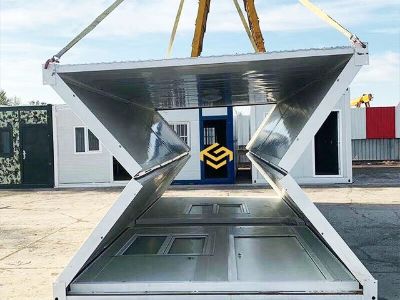
Steel container homes are an innovative solution for a variety of housing needs, from temporary accommodations to permanent residences. For B2B buyers, understanding the specifics of steel container homes for sale is crucial in addressing concerns about quality, durability, and cost-effectiveness. This article will guide purchasing managers, project managers, and distributors through key considerations in selecting steel container homes, evaluating their quality, addressing common challenges, and providing tips for sourcing these structures effectively.
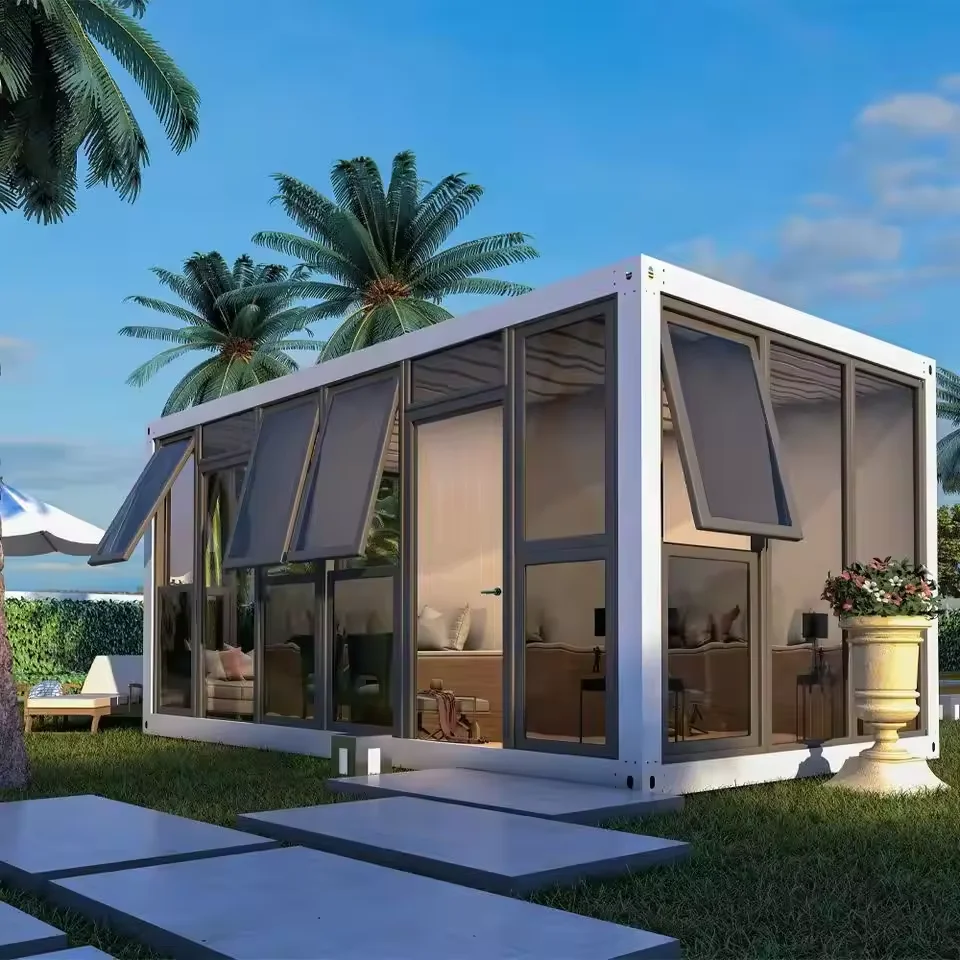
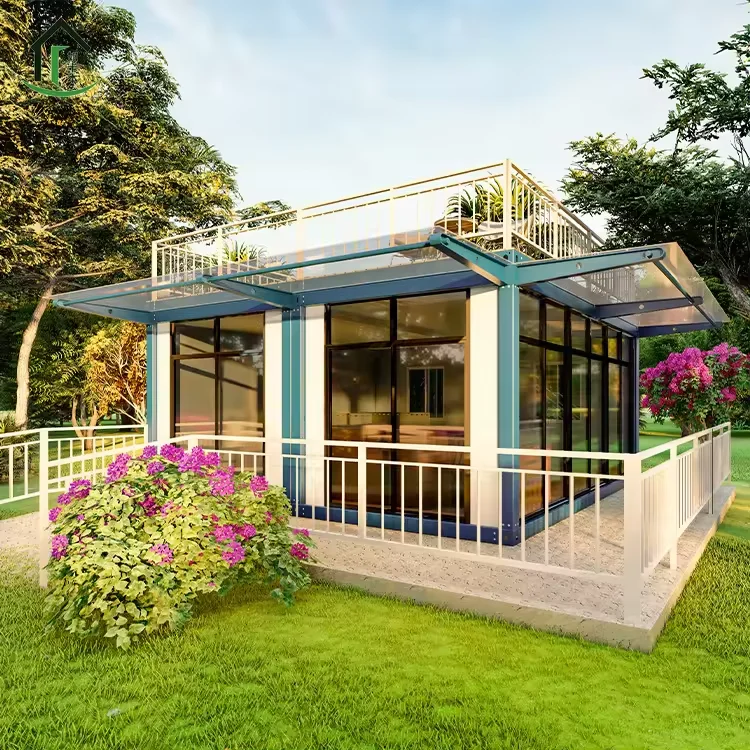
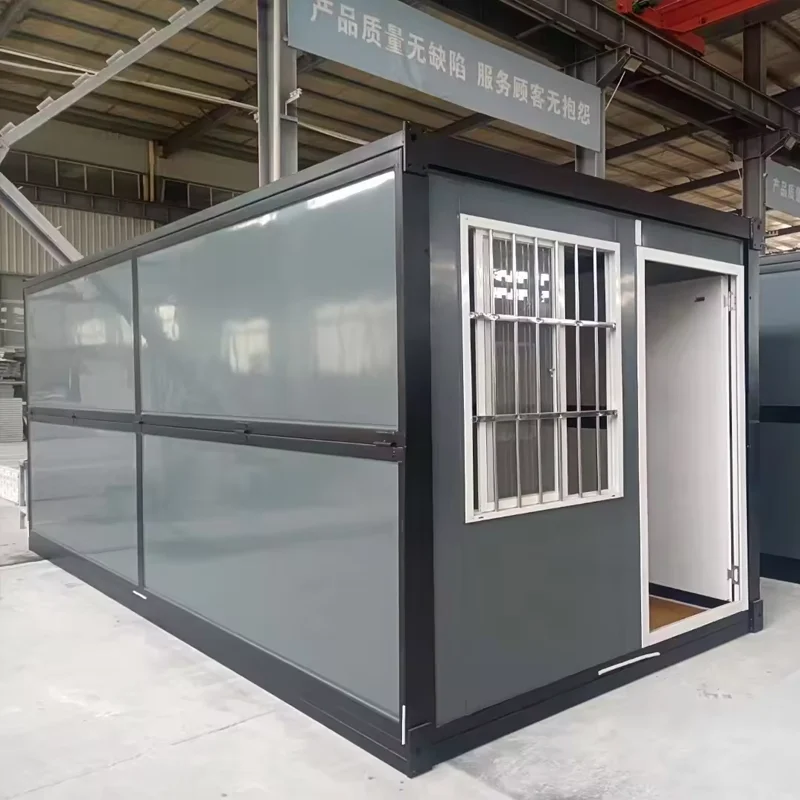
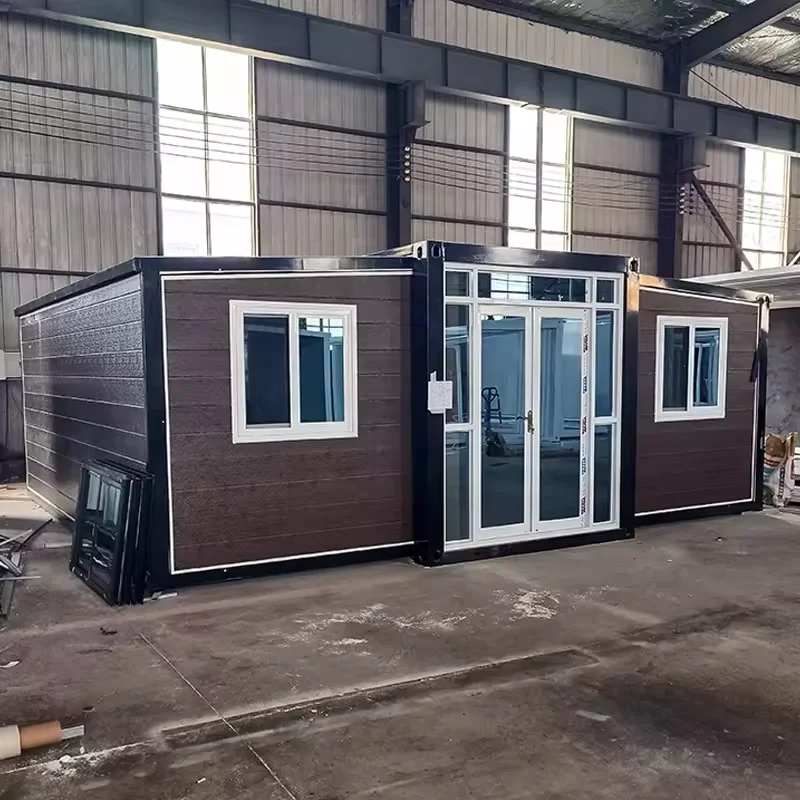
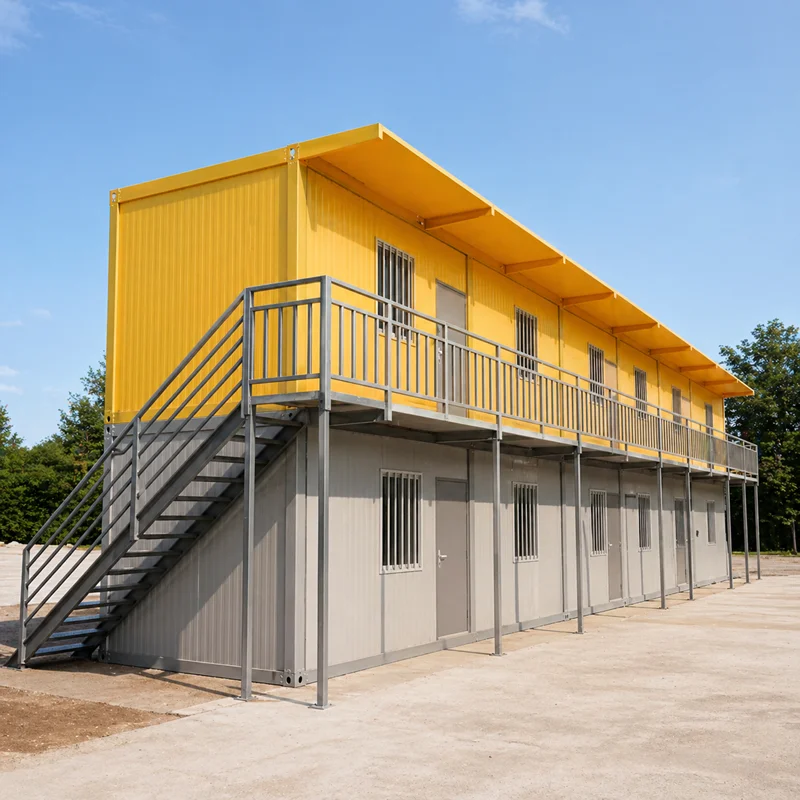
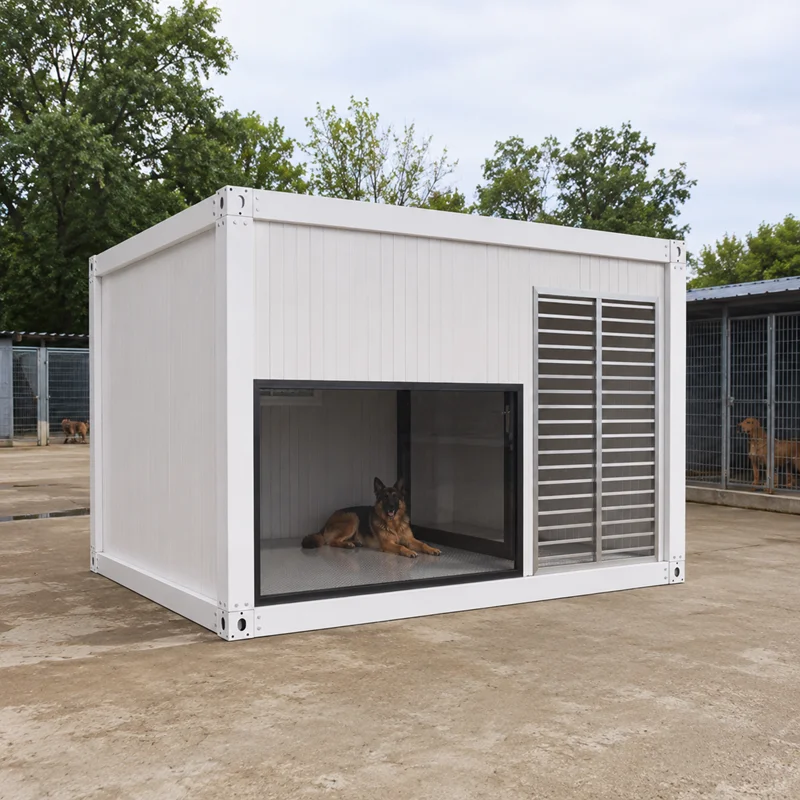
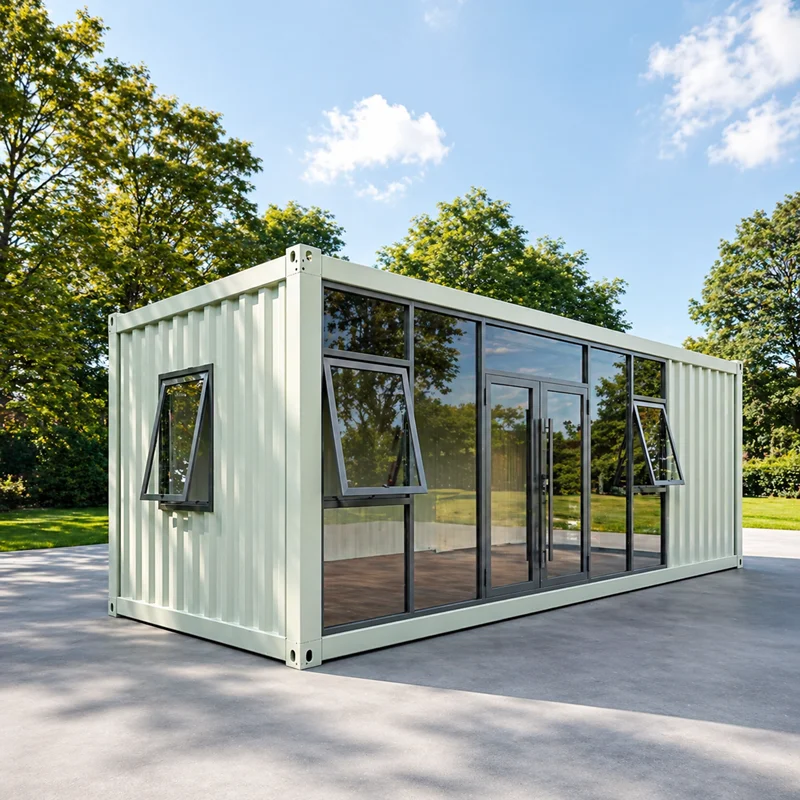
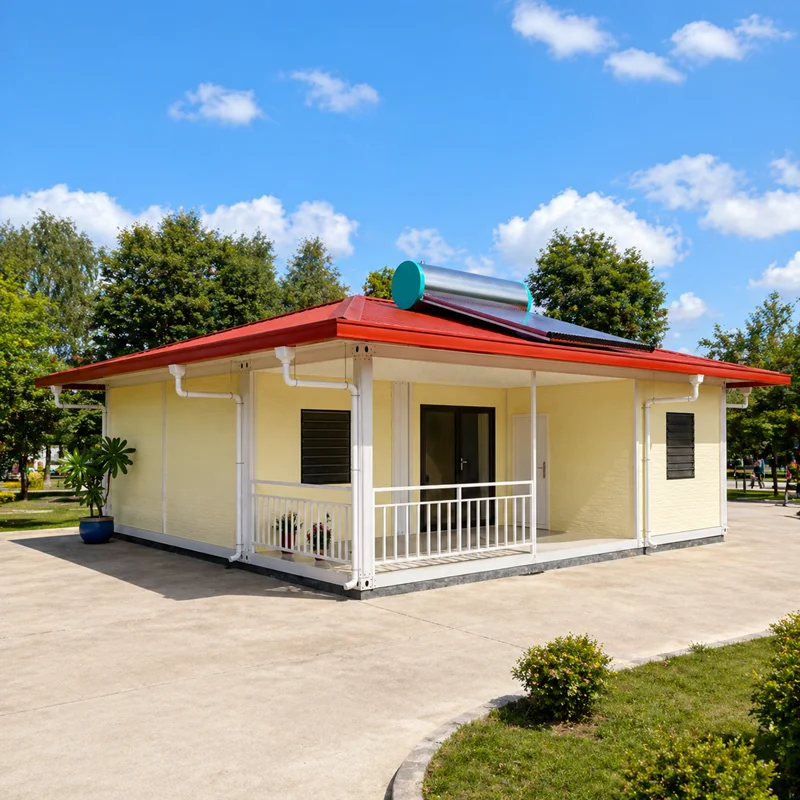
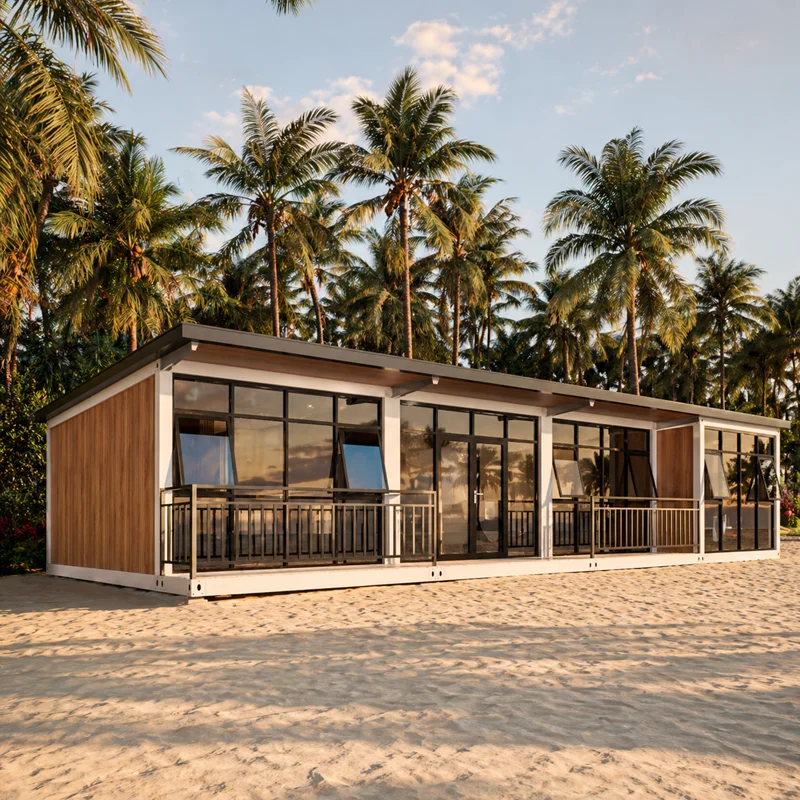
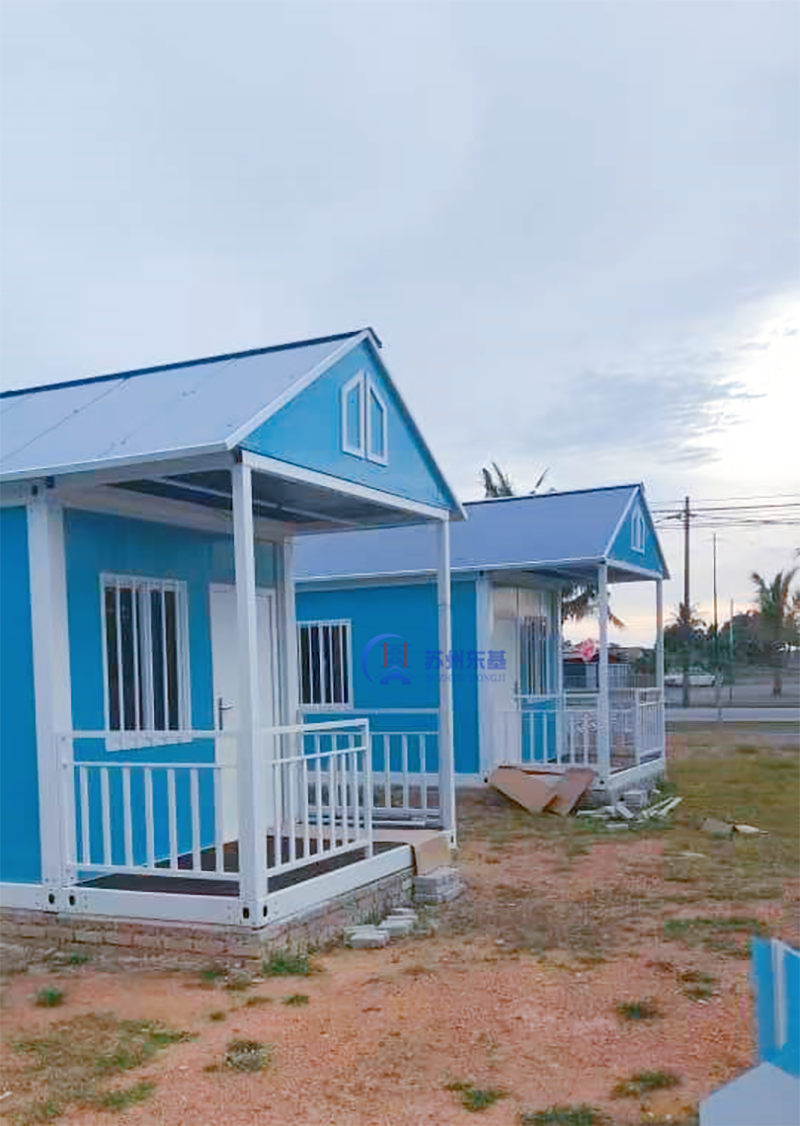
How to Evaluate the Quality of Steel Container Homes for Your Projects
Evaluating the quality of steel container homes involves examining both the materials used and the manufacturing processes.
Material Specifications: Confirm the specifications of the steel, including thickness and coating. A thicker gauge steel (such as 14-gauge) is typically more robust and suitable for permanent installations, while lighter gauges may be more appropriate for temporary structures.
Manufacturing Processes: Investigate the manufacturing capabilities of your supplier. A manufacturer that produces its own wall panels and steel components, like Suzhou Dongji, is more likely to have quality control throughout the production process. Ask about their quality assurance protocols and testing methods for structural integrity.
Inspection and Testing: Before finalizing a purchase, request to see samples or prototypes. Inspect these for weld quality, finish, and any signs of rust or damage. Testing under real-world conditions, such as load-bearing tests, can also provide valuable insights into long-term performance.
Past Project References: Seek references from previous clients who have purchased similar structures. Understanding their experiences can provide a clearer picture of the supplier's reliability and the product's quality.