EN


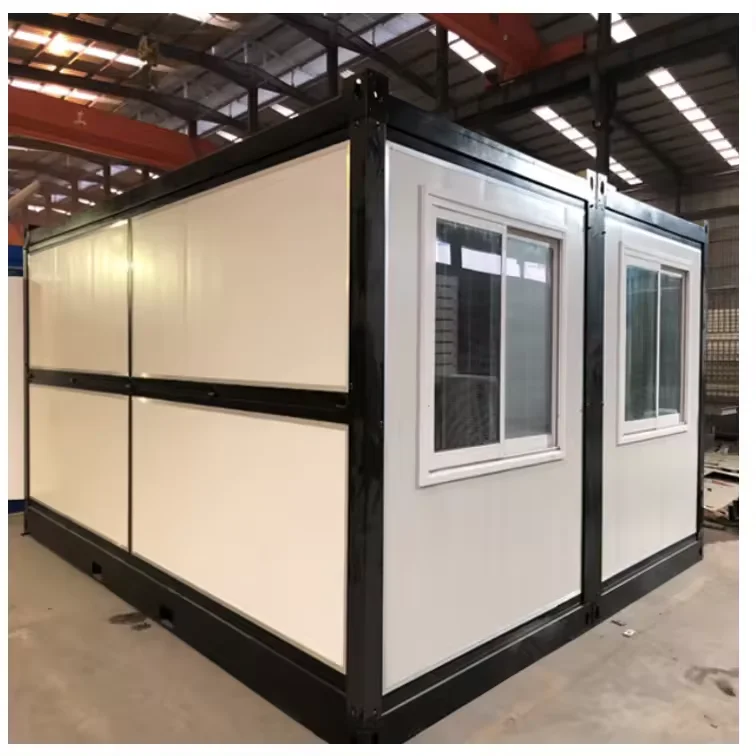
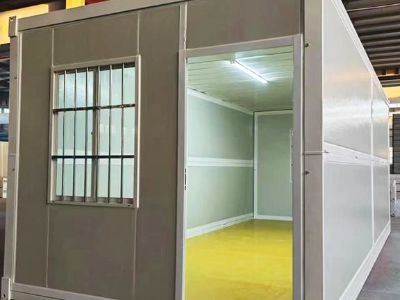
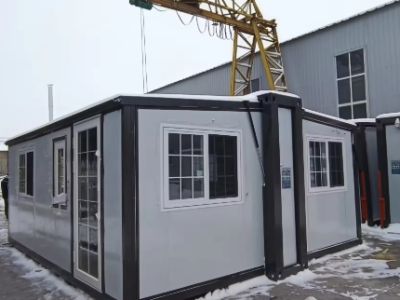
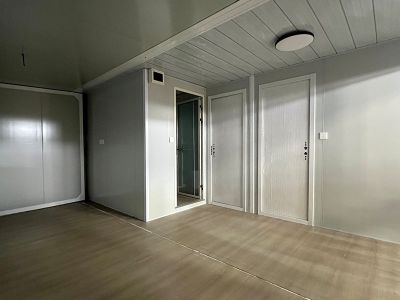
Steel container homes are increasingly gaining traction as a versatile and innovative housing solution in various sectors, including residential, commercial, and industrial applications. Comprised of repurposed shipping containers, these structures offer unique benefits such as cost efficiency, rapid deployment, and environmental sustainability. As purchasing managers and project planners assess options for modular housing, they often prioritize factors like durability, customization, and overall cost. This article will delve into essential specifications, advantages of steel construction, potential challenges, practical applications, and sourcing strategies for steel container homes.
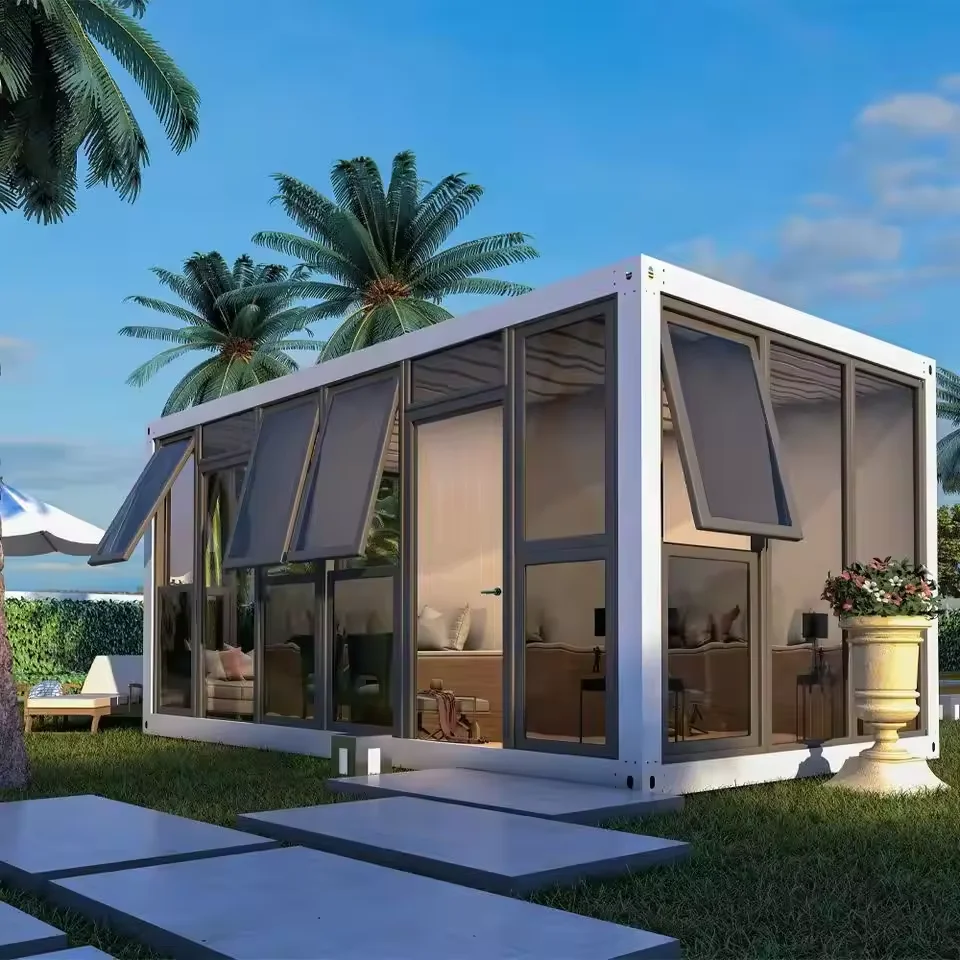
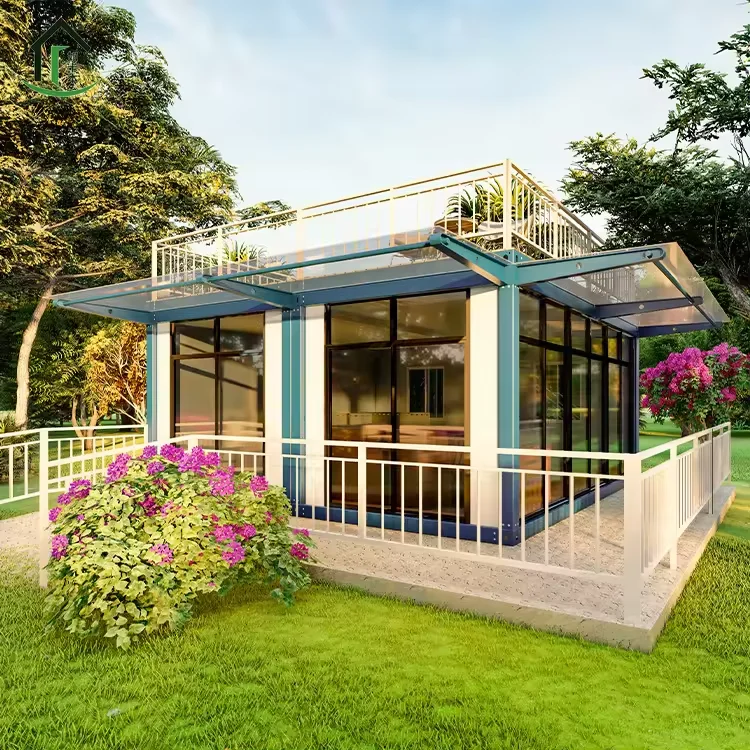
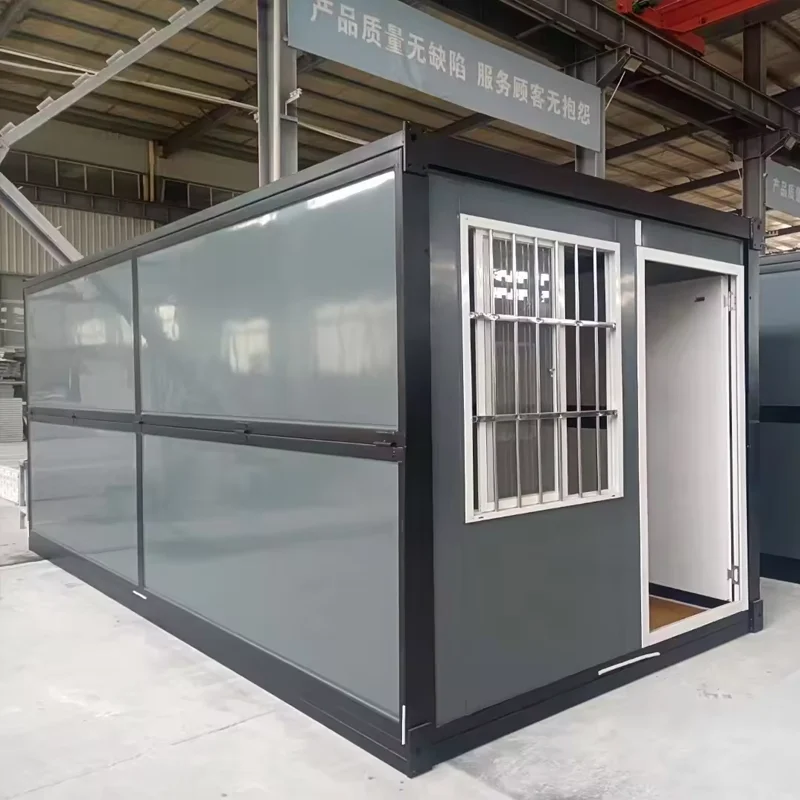
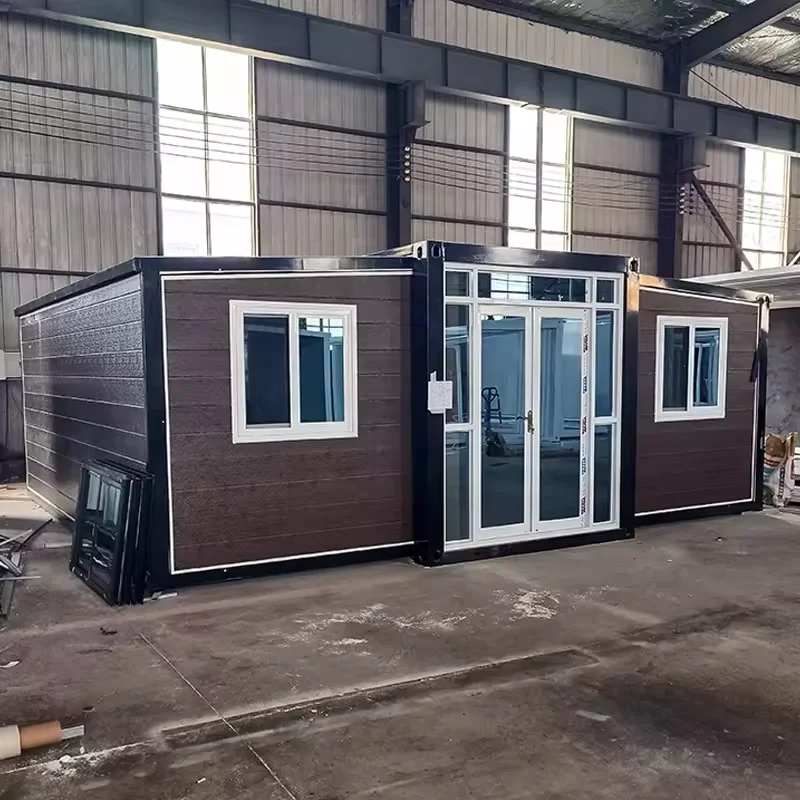
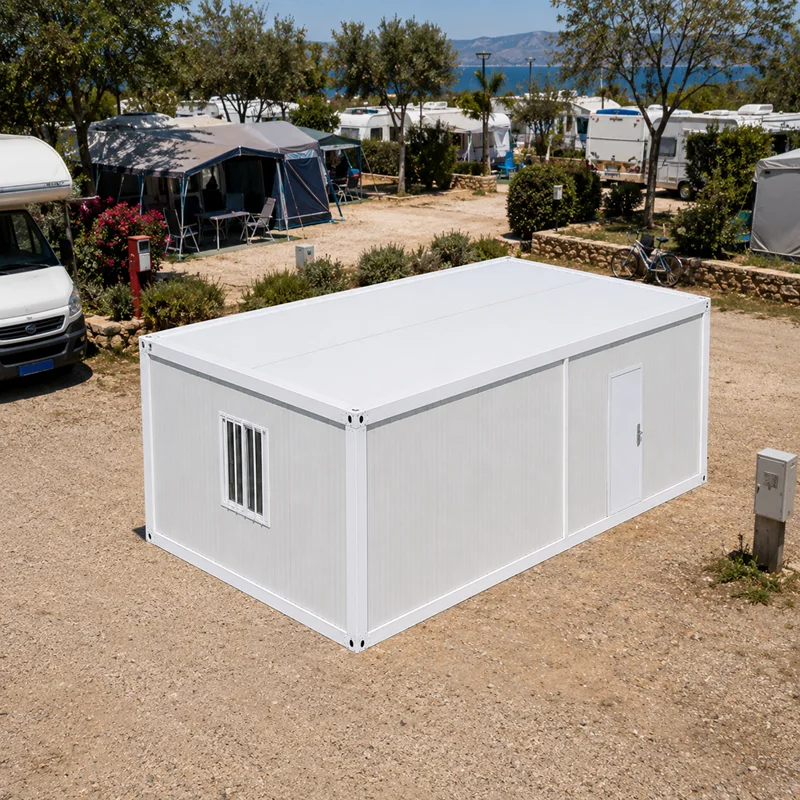
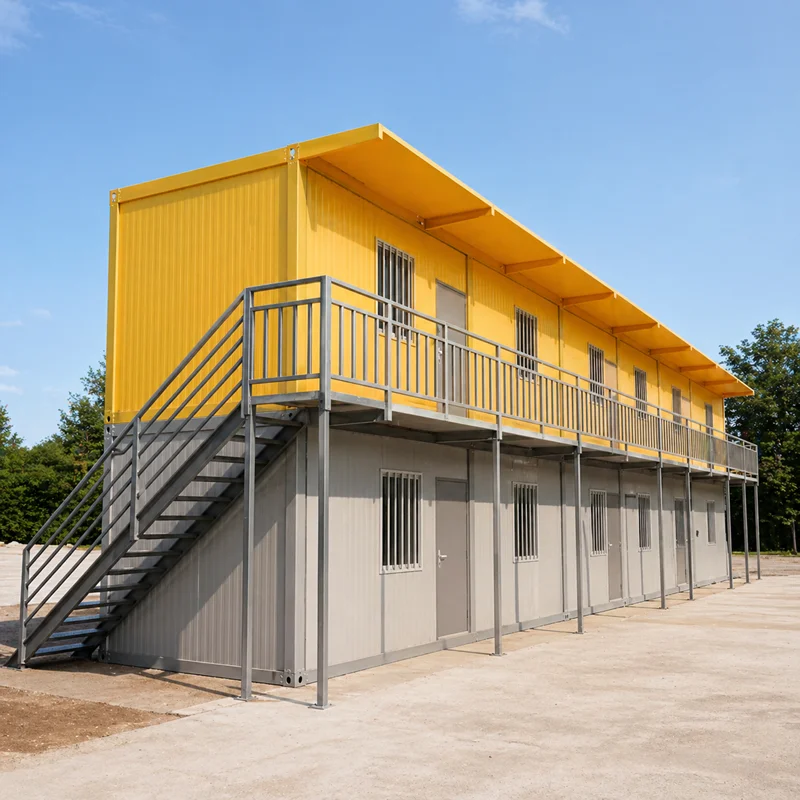
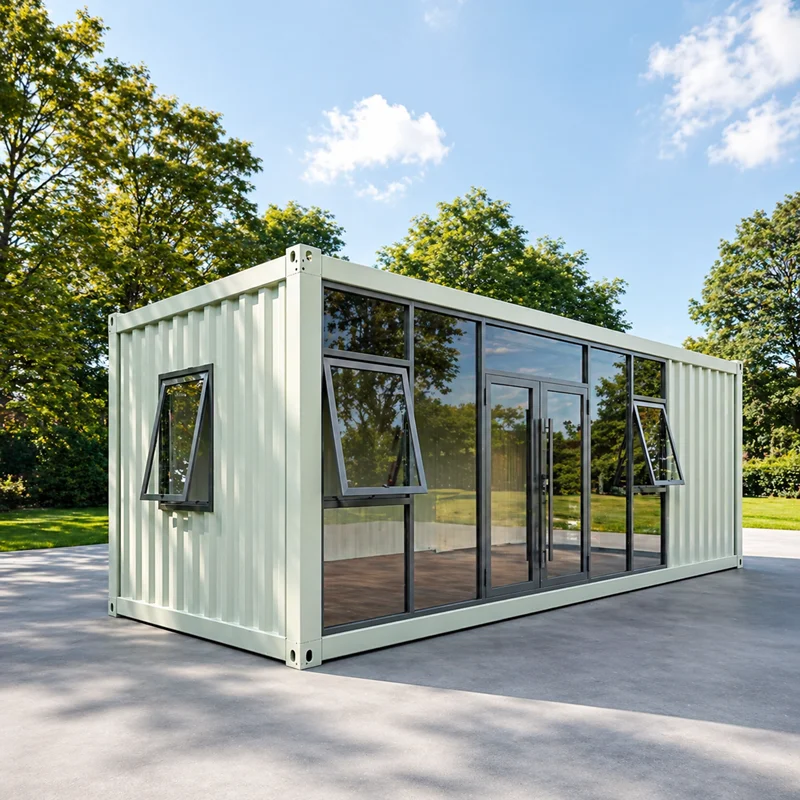
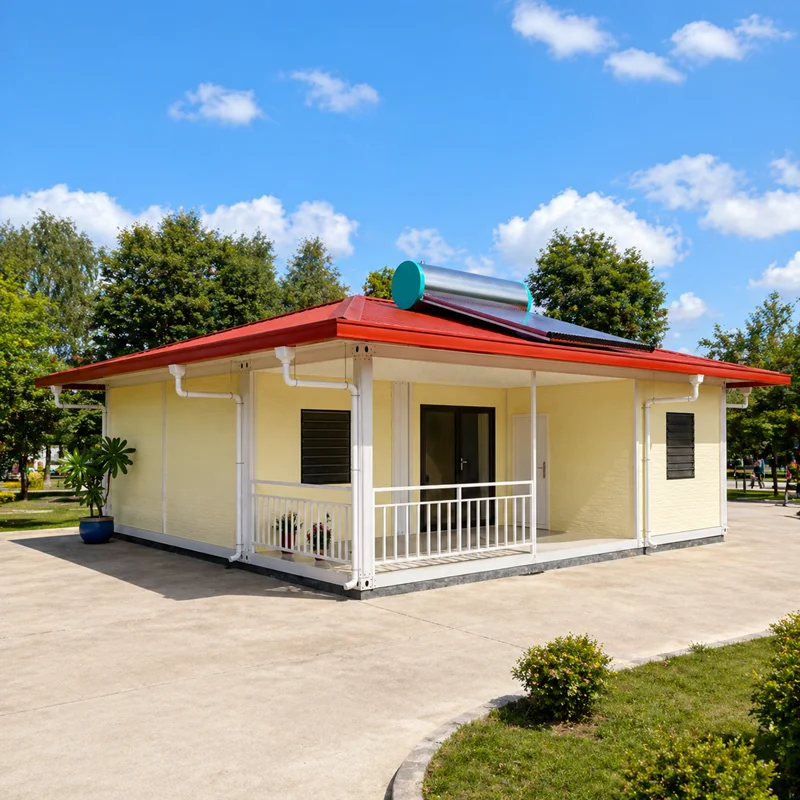
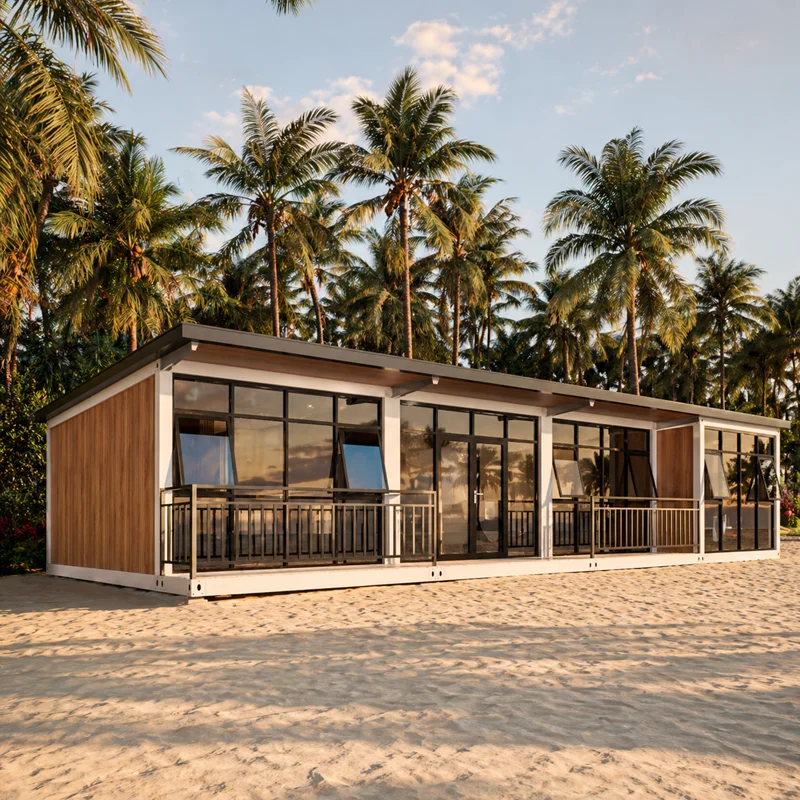
Benefits of Using Steel in Modular Container Home Construction
Utilizing steel in modular container home construction presents several advantages that appeal to B2B buyers:
Durability: Steel is renowned for its strength and longevity. Unlike traditional wood structures, steel container homes are resistant to pests, rot, and severe weather, making them a reliable choice for various climates.
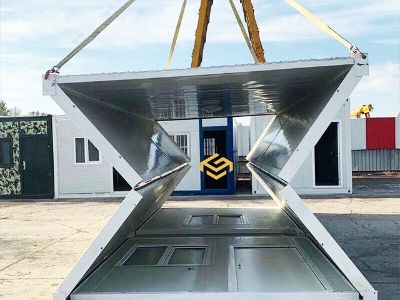
Quick Assembly: With Suzhou Dongji Integrated Housing Technology Co., Ltd.'s capability to produce 500 units daily, buyers can expect rapid delivery and installation. This speed is crucial for projects with tight timelines, allowing for quicker occupancy or operational readiness.
Cost-Effectiveness: Steel container homes can be more economical compared to traditional construction methods, particularly when factoring in reduced labor costs and shorter build times. Additionally, the potential for energy savings through insulation and efficiency measures can lower long-term operational costs.
Sustainability: The use of repurposed materials aligns with growing environmental concerns. By choosing steel container homes, buyers contribute to reducing waste and promoting sustainable building practices.