EN


Storage container houses are innovative and versatile solutions for various applications, offering a unique blend of functionality and affordability. As construction and project managers seek efficient, cost-effective housing options, understanding the key aspects of storage container for house becomes crucial. This article will address critical buyer concerns such as quality, specifications, benefits, and comparisons, helping purchasing managers and project planners make informed decisions.

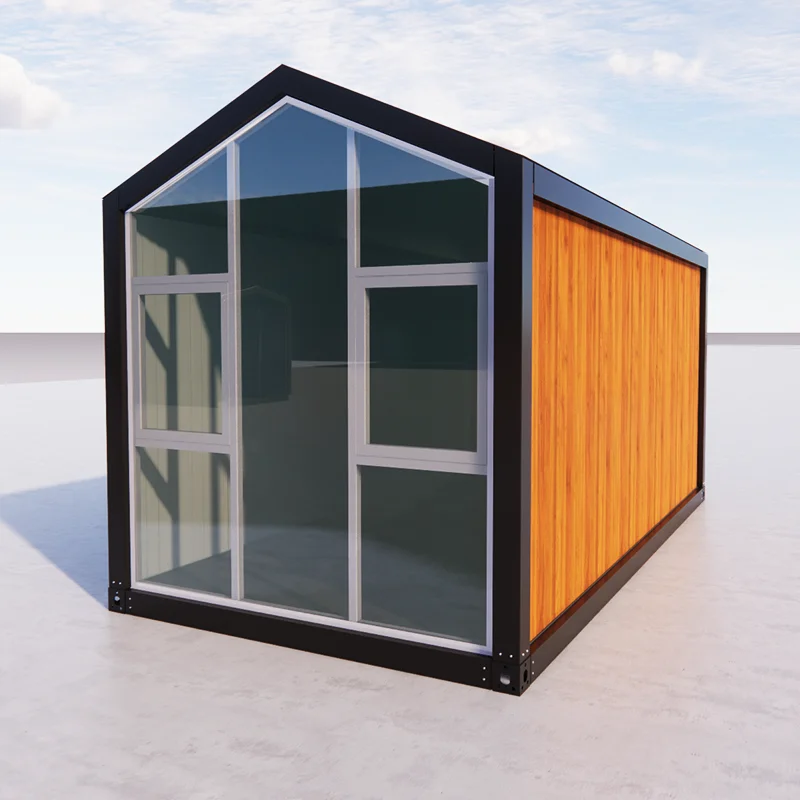

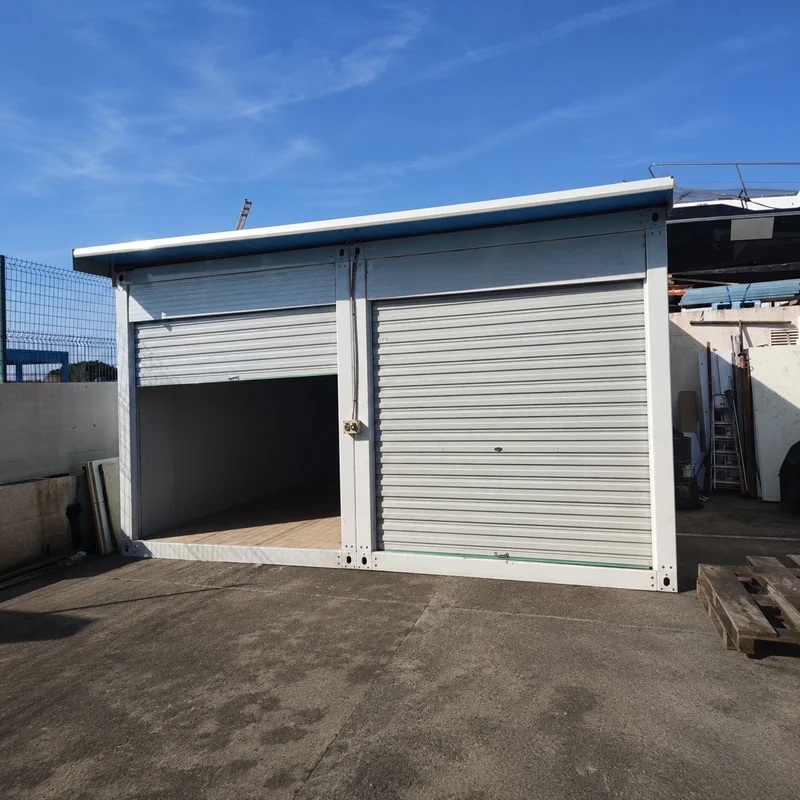
How to Evaluate the Quality of Storage Container Houses for Purchase
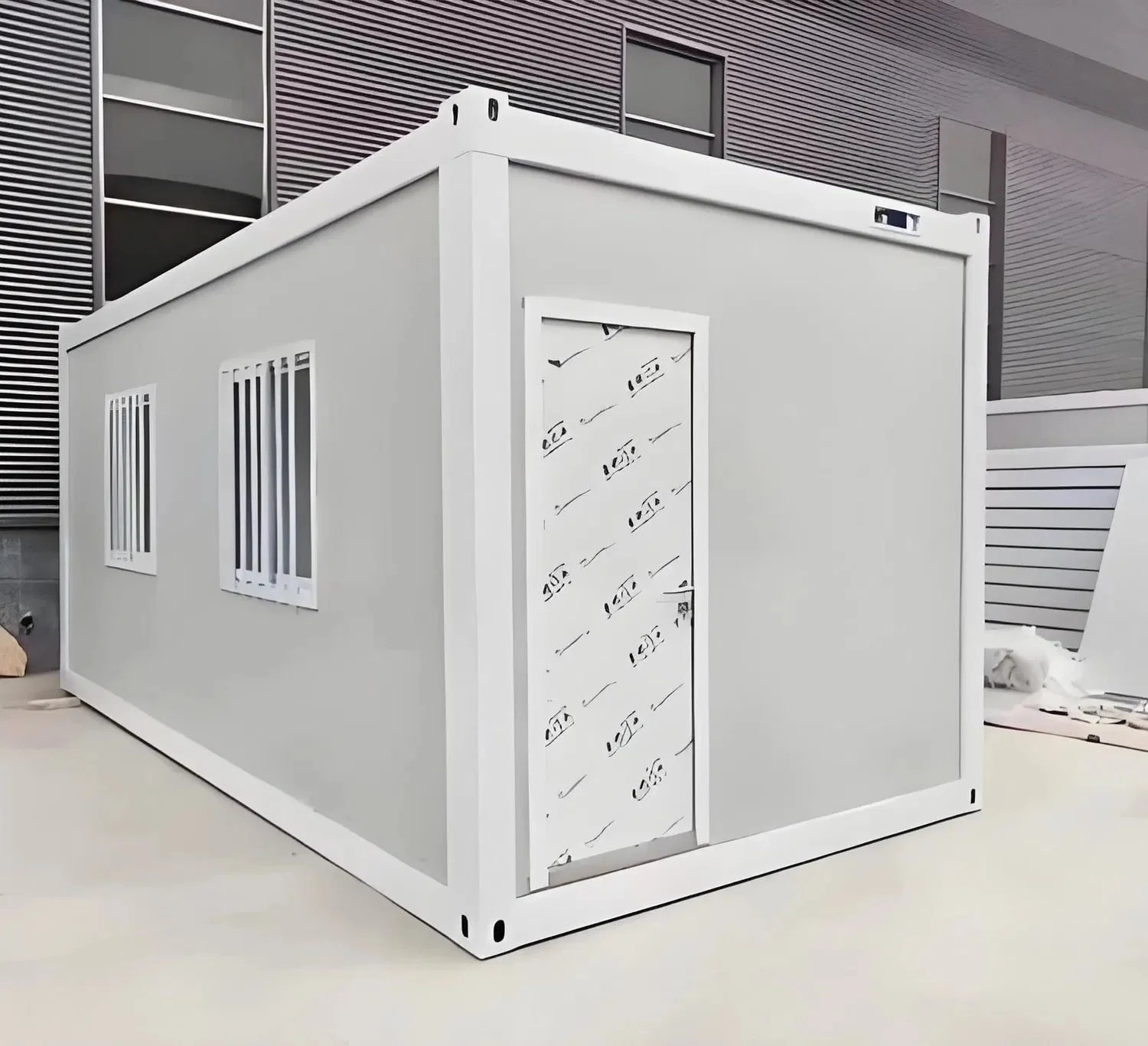
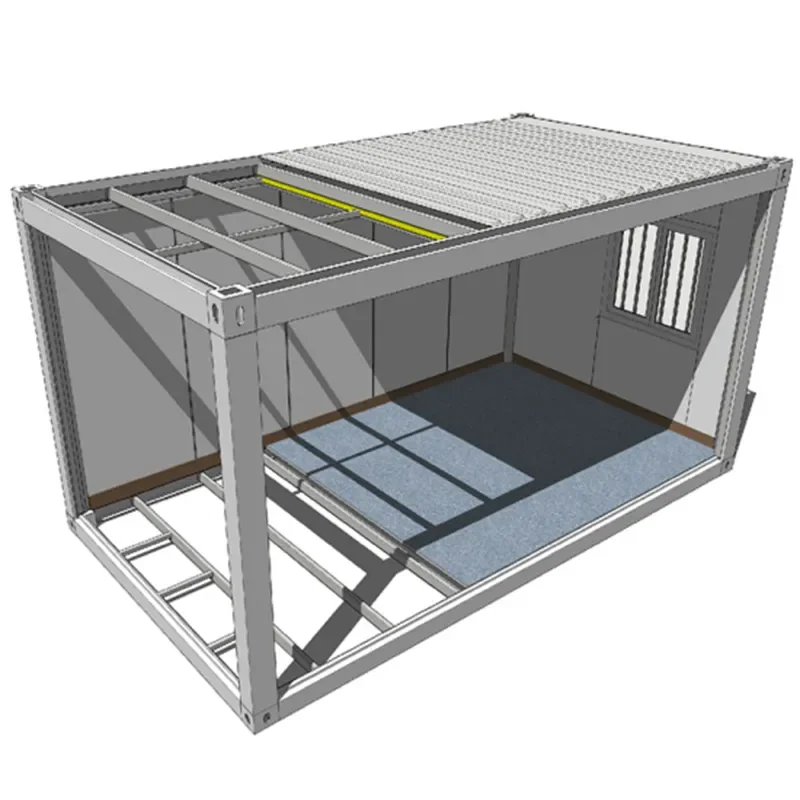
Quality assessment is paramount when purchasing Dongji storage container houses. Begin by examining the materials used in construction. High-quality steel and durable insulation materials are essential for ensuring longevity and structural integrity. The thickness of the walls, floor, and roof can significantly affect the container's durability and insulation properties.
Next, inspect the manufacturer’s quality control processes. A reputable manufacturer will have stringent quality assurance protocols in place, including inspections at various production stages. Look for certifications that indicate compliance with industry standards, which can provide an added layer of assurance regarding product quality.
Buyers should also request samples or visit a completed project to evaluate the workmanship firsthand. This allows you to assess the fit and finish of the container house, ensuring it meets your expectations before committing to a larger order. Be vigilant about checking for any signs of rust, inadequate sealing, or poor insulation, which could affect the container's performance over time.