EN


Prefab container houses are a versatile solution for various applications, ranging from temporary housing to permanent living spaces. As a purchasing manager, distributor, or engineer, understanding the Prefab container houses key specifications, quality control processes, and installation guidance for these structures is crucial to making informed decisions. This article will address common buyer concerns, including product specifications, quality assurance, common challenges, and the advantages of choosing prefab container houses for your project.



Understanding the Quality Control Process of Prefab Container Manufacturing
Quality control in prefab container manufacturing is crucial to ensure that the Prefab container houses final product meets industry standards and client expectations. Here's a general overview of the quality control process:
Material Inspection: Before production begins, incoming materials undergo rigorous inspection to verify compliance with specifications. This step helps to prevent defects and ensures that only high-quality materials are used in construction.
In-Process Quality Checks: During manufacturing, various in-process checks are conducted. This includes monitoring welding quality, verifying insulation installation, and ensuring accurate dimensions. Such checks help identify and rectify issues early in the production process.
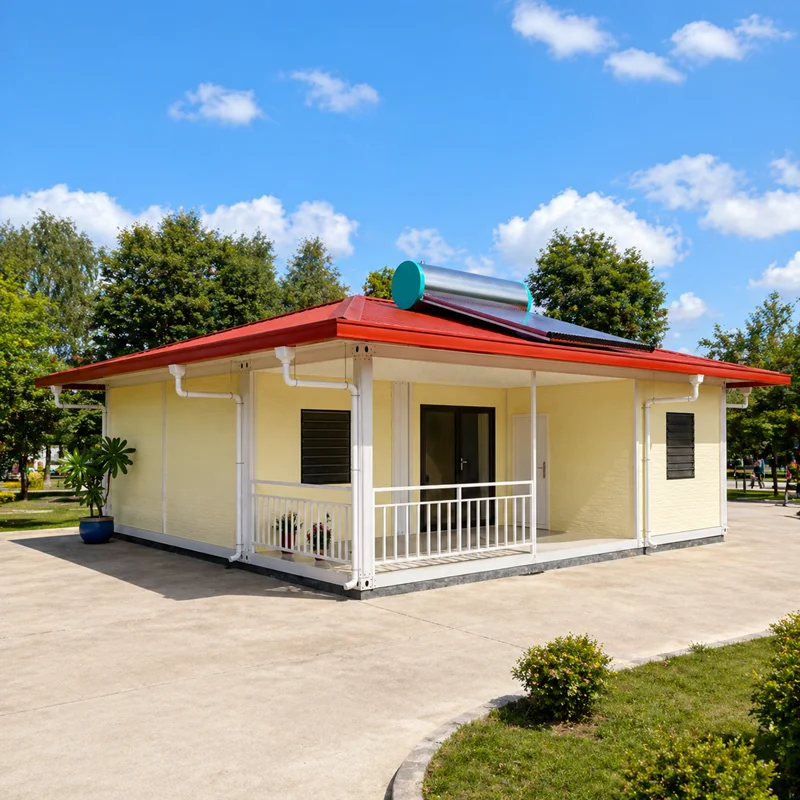
Final Inspection and Testing: Once the expandable flat pack prefab module container house with solar energy is completed, a comprehensive final inspection is performed. This includes checking structural integrity, verifying compliance with safety regulations, and conducting tests for insulation and waterproofing.
Documentation and Certification: Reliable manufacturers provide documentation certifying that the prefab container houses comply with relevant building codes and safety regulations. This documentation is crucial for buyers, ensuring that the houses are safe for occupation.