EN


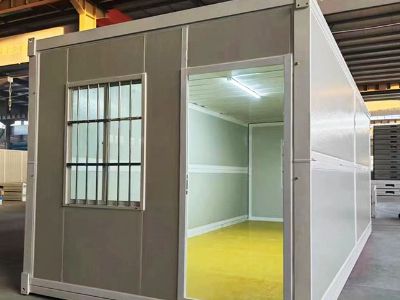
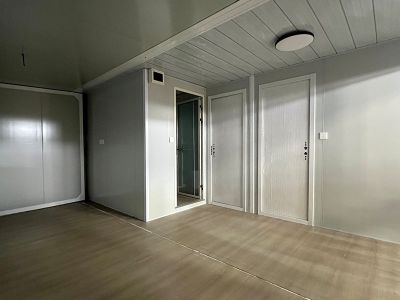
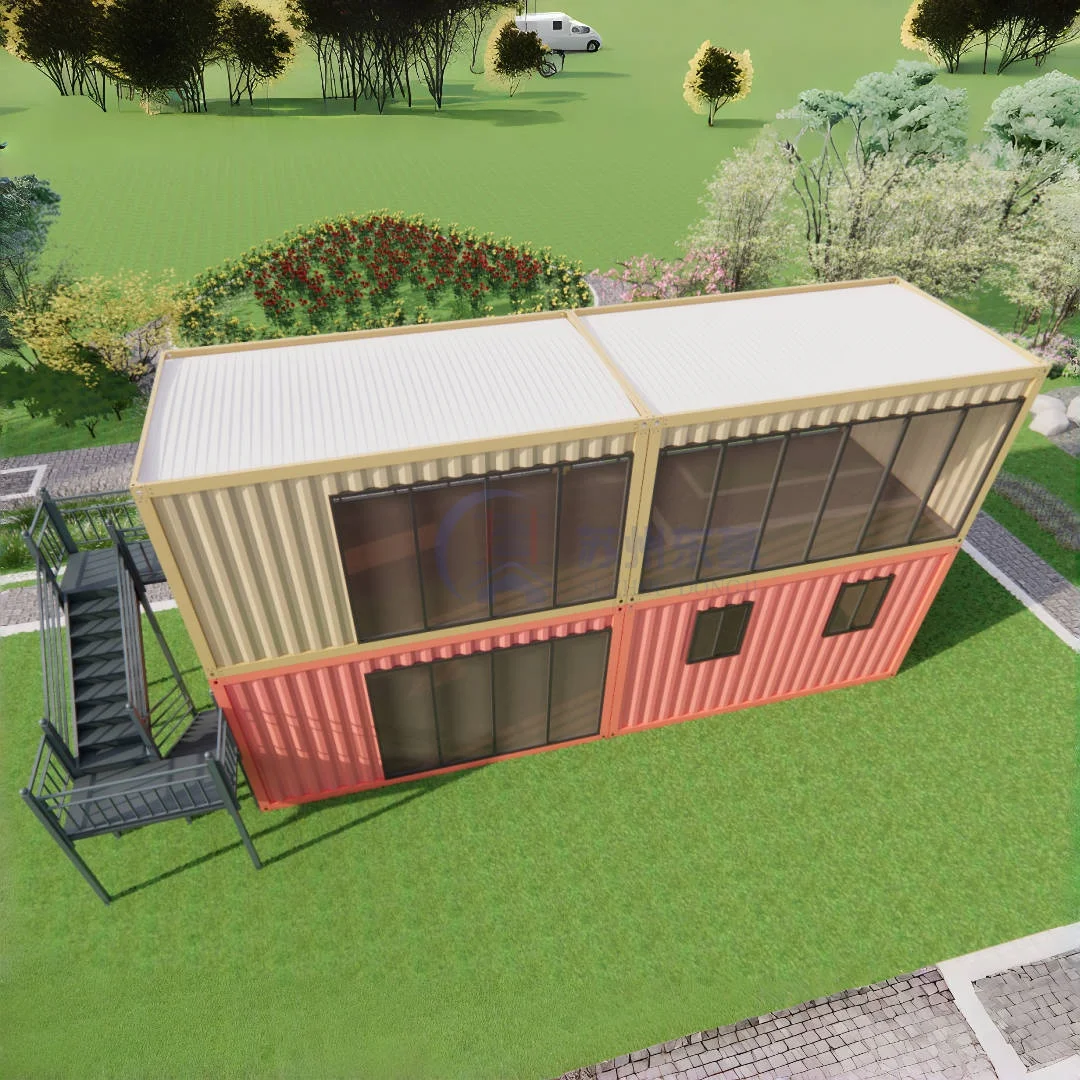
Dongji's tiny house container homes for sale offer a versatile and cost-effective solution for various applications, from residential use to commercial spaces. As a B2B buyer, understanding the intricacies of container homes is crucial for making informed purchasing decisions. Key concerns often include material quality, supplier reliability, and installation efficiency. This article aims to provide practical insights into selecting the right container homes for sale, what specifications to consider, and how to effectively evaluate suppliers, ensuring that your investment meets both budget and performance requirements


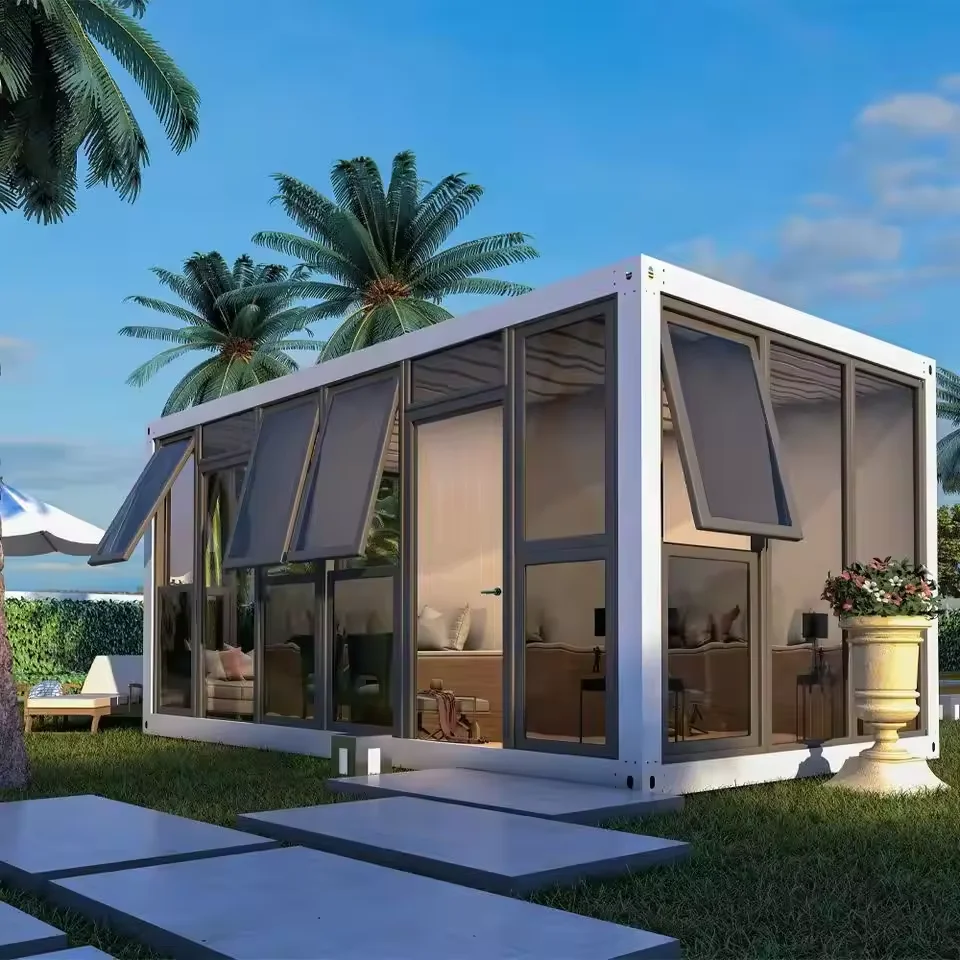
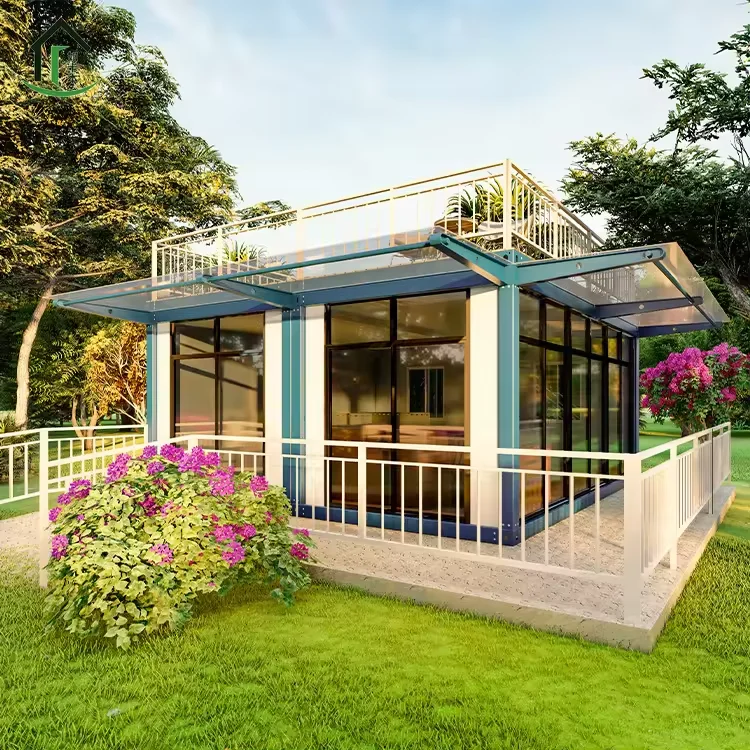
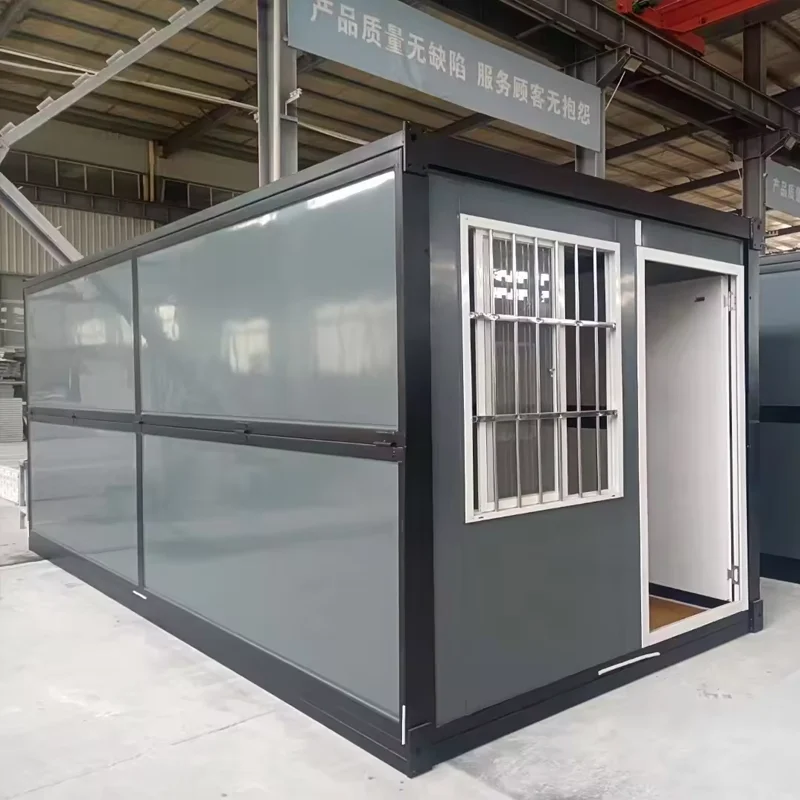
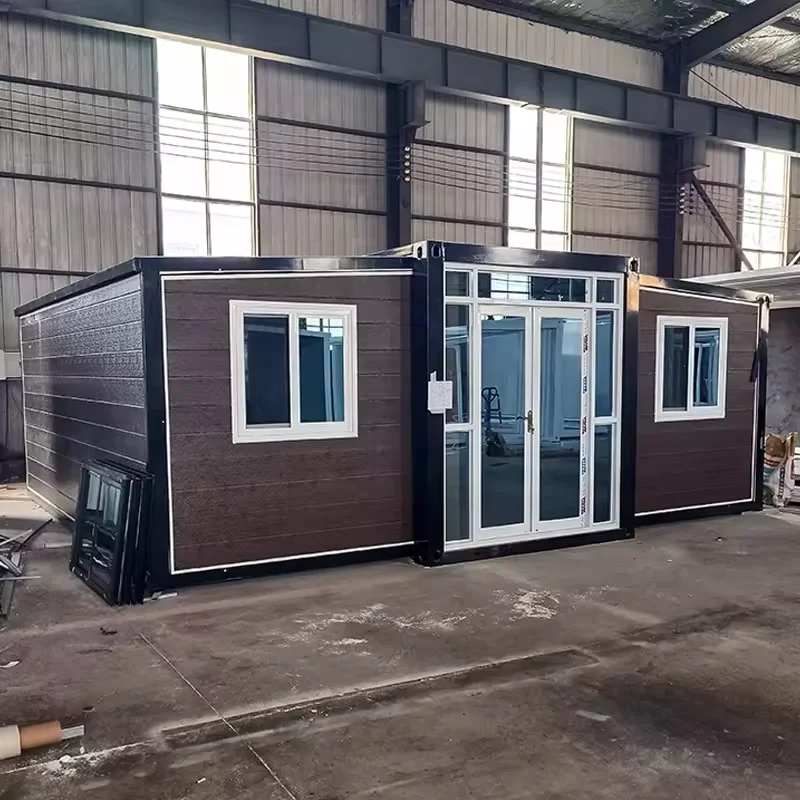
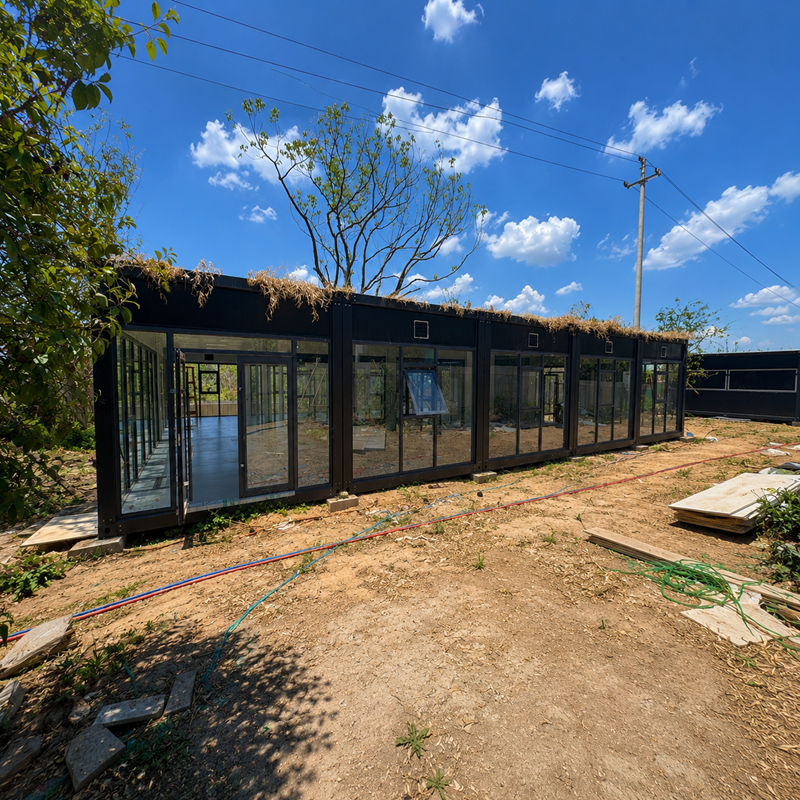
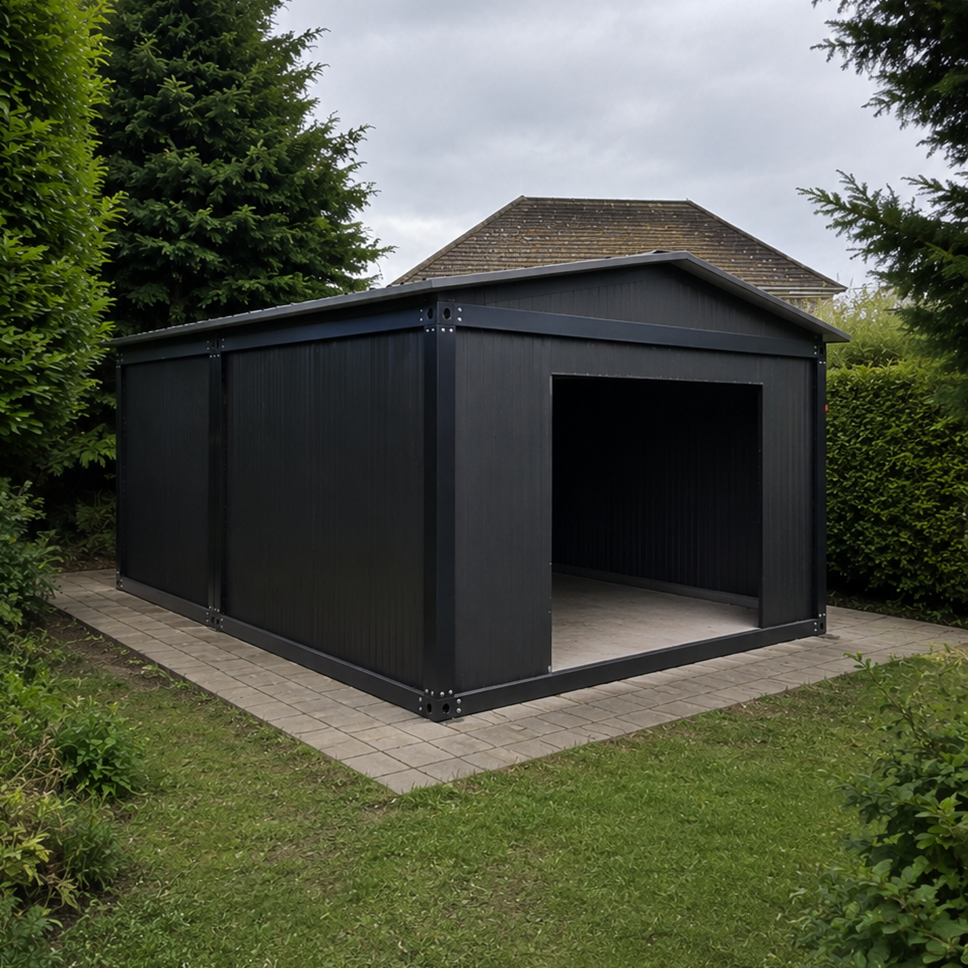

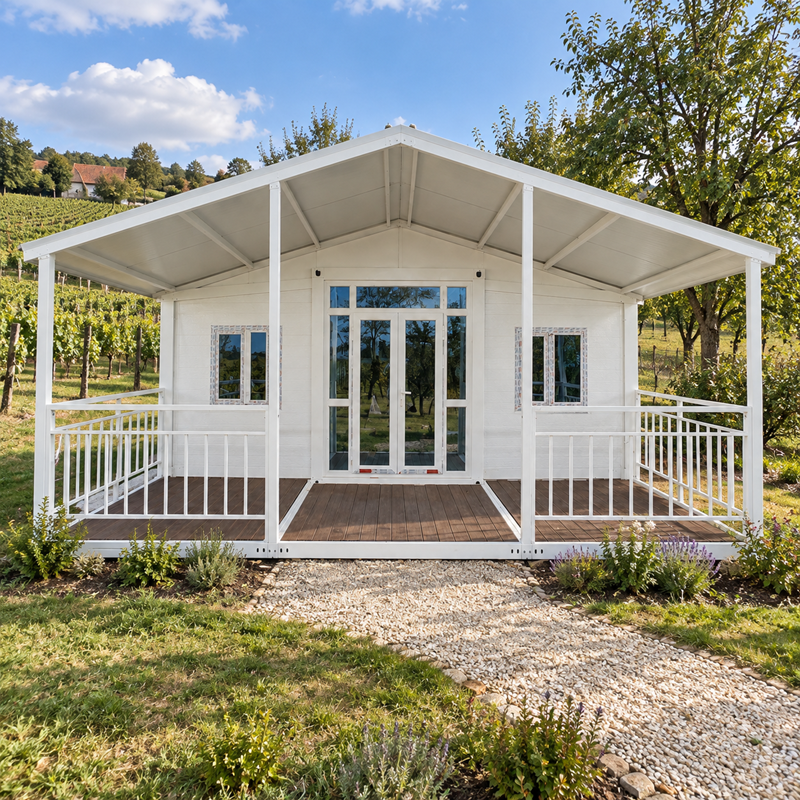
Specifications and Quality Standards for Container Homes
Understanding specifications and quality standards is essential when evaluating Dongji's modular container homes. Key specifications to consider include:
Wall Thickness: A thicker wall can enhance insulation, improving energy efficiency and comfort. Typical wall thicknesses range from 2.5 inches to 6 inches, depending on insulation requirements
Material Grade: Look for containers made from high-grade steel, which offers superior strength and resistance to environmental factors. The type of coating applied for rust protection can also significantly impact longevity
Dimensions: Standard container sizes include 20-foot and 40-foot options, but custom dimensions may be required based on project needs
Energy Efficiency Standards: Check for compliance with energy efficiency ratings, which ensure that the home will maintain a comfortable temperature with minimal energy usage
When reviewing the quality of container homes for sale, it's advisable to ask for certifications and quality control processes that the manufacturer adheres to. This can include ISO certifications, which indicate adherence to international quality management standards.