EN


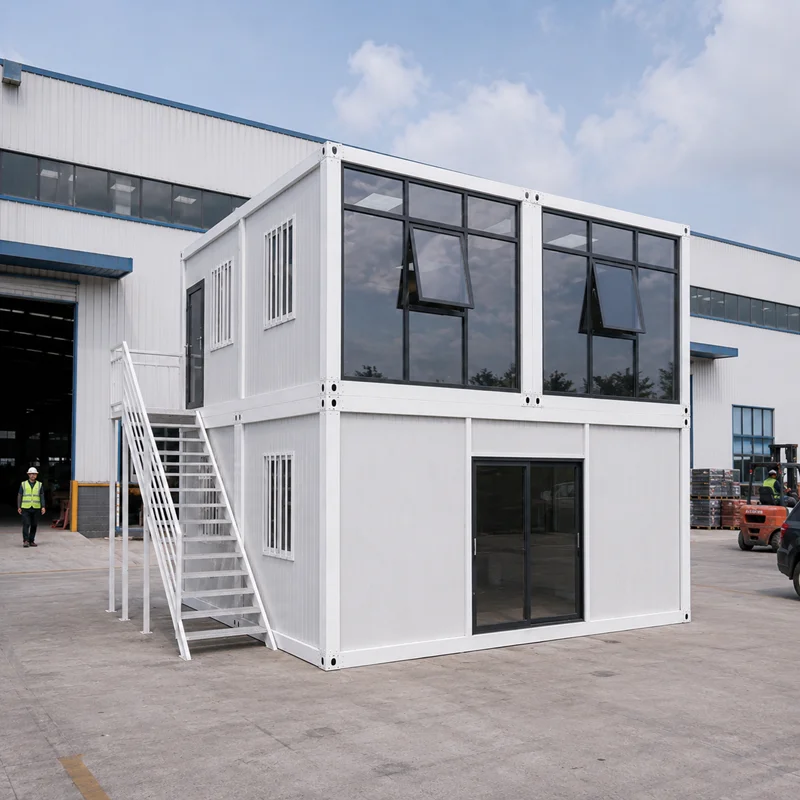
Modular office buildings offer a versatile and efficient solution for businesses seeking flexible workspace options. As companies increasingly prioritize rapid deployment, cost-effectiveness, and sustainability, the demand for office building modular solutions has surged. This article addresses key concerns B2B buyers face when sourcing modular office solutions, such as supplier evaluation, quality assurance, installation challenges, industry applications, and the sourcing process. By understanding these factors, purchasing managers, engineers, and project owners can make informed decisions that meet their operational needs.


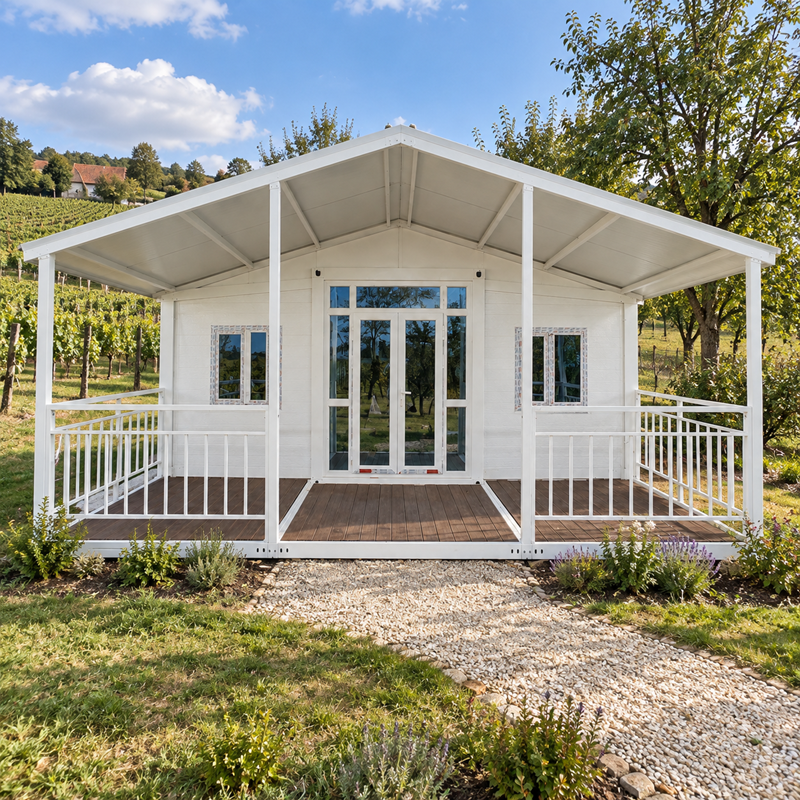
How to Evaluate the Quality of Modular Office Building Solutions
Evaluating the quality of modular office building solutions involves examining several critical specifications and standards. Start with the materials used in construction. High-quality steel and insulation materials significantly impact the building's durability, energy efficiency, and overall performance. Buyers should confirm the grade of steel used and inquire about the insulation R-value, which measures its effectiveness in resisting heat flow.
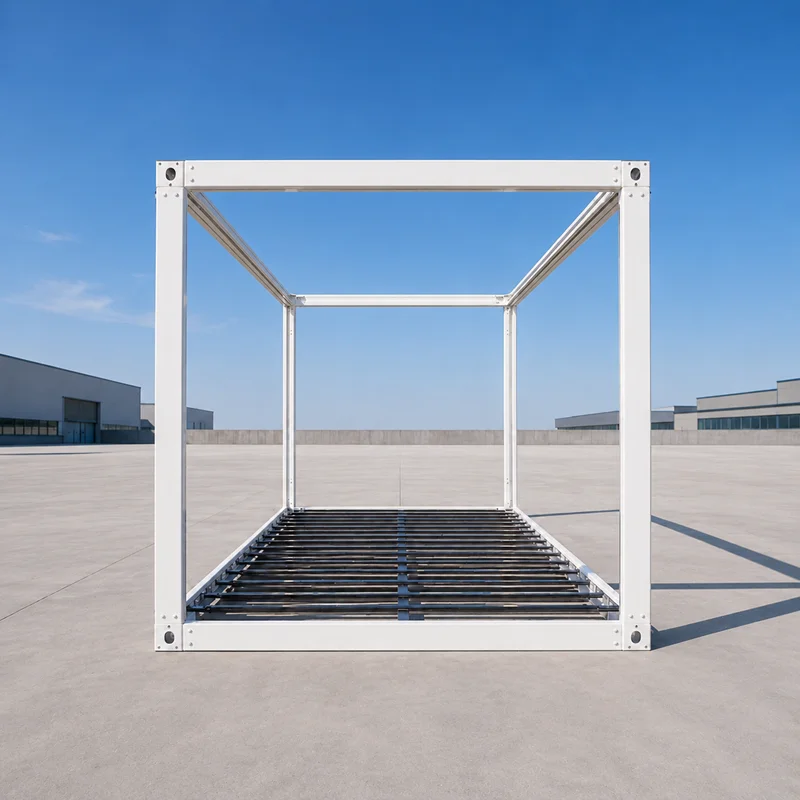
Next, inspect the construction methods employed. Prefabricated components should be manufactured in a controlled environment to minimize defects and ensure precision. The assembly process should adhere to established quality standards, and buyers should verify the level of detail in the supplier's quality assurance protocols.
Furthermore, it's essential to understand the warranty and after-sales support offered by the supplier. A comprehensive warranty not only protects your investment but also reflects the supplier's confidence in their product quality. Look for suppliers that provide ongoing support during installation and post-project completion.