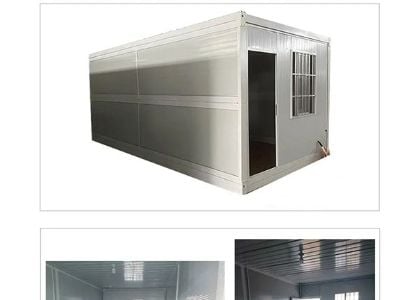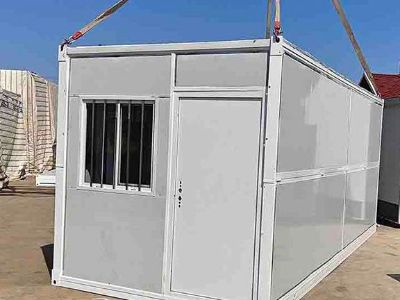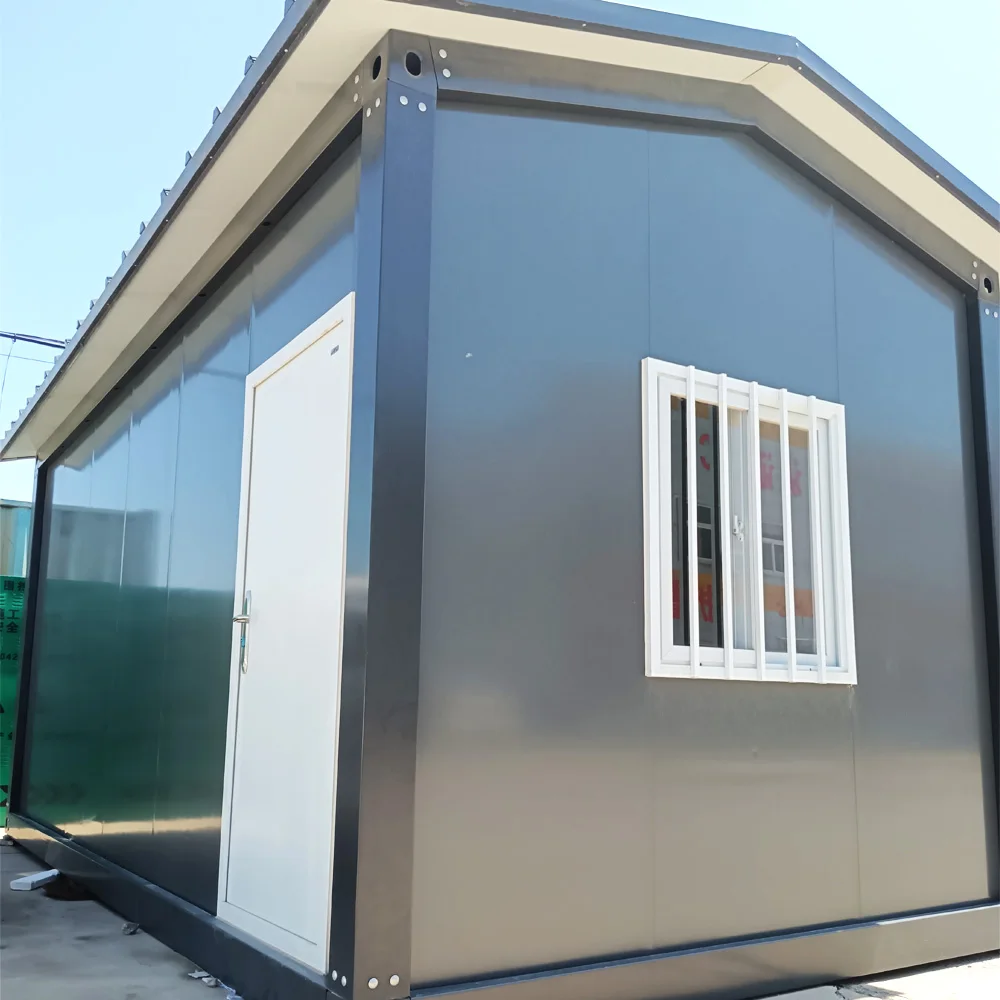

Choosing Modular Commercial Buildings for Your Project

Get a Free Quote

Tell us what you plan to build. Our team will review your requirements and recommend a suitable prefabricated housing solution. We usually reply within one business day.
Name
Email
Tel/WhatsApp
Company Name
House Quantity
Message
0/1000

modular commercial buildings

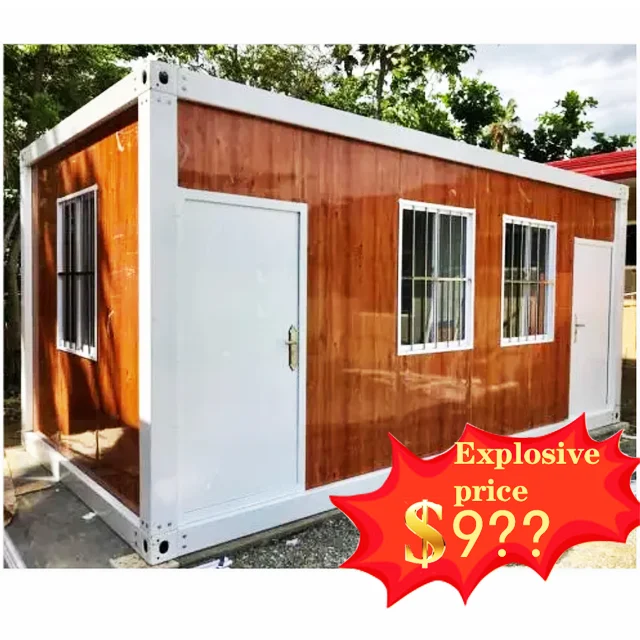
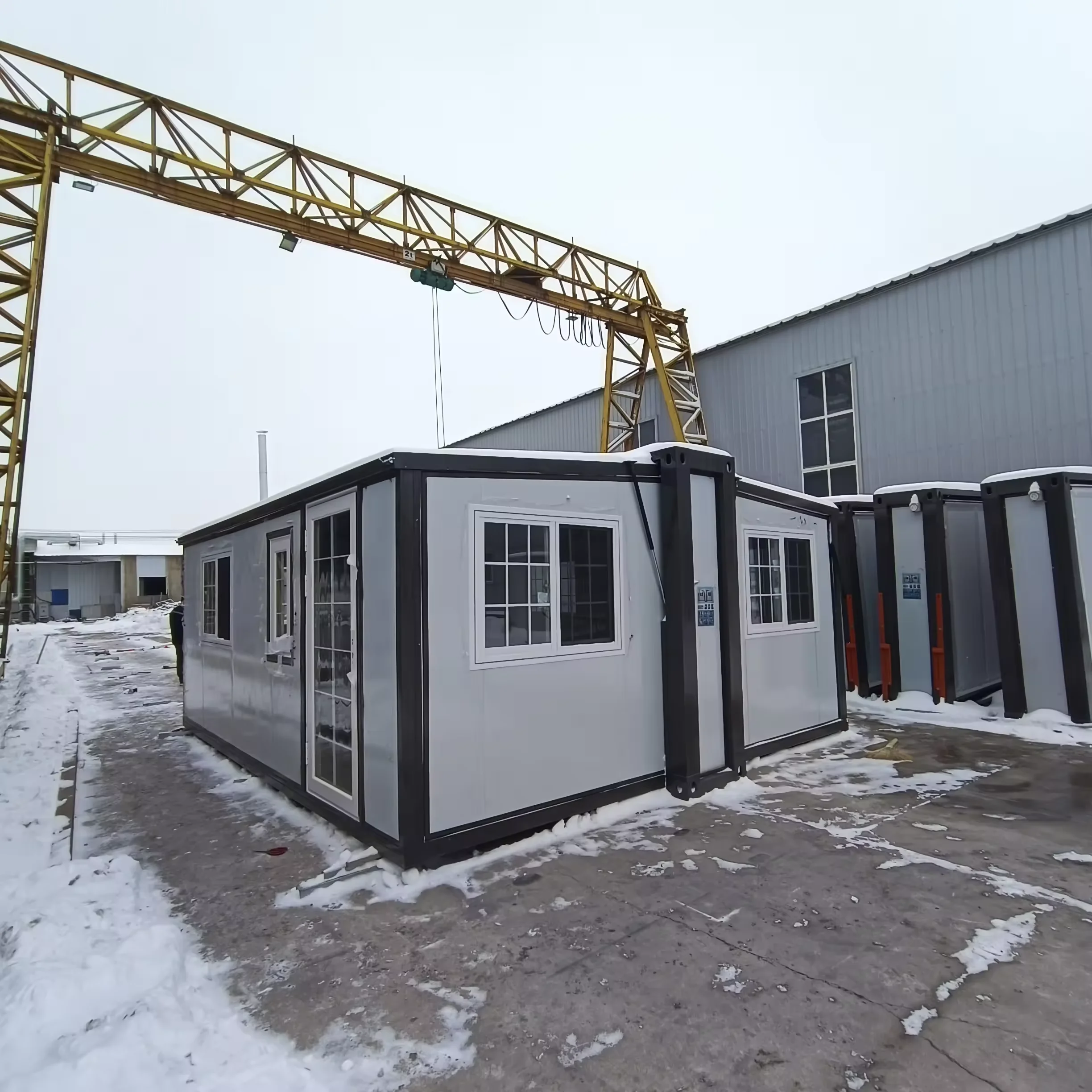
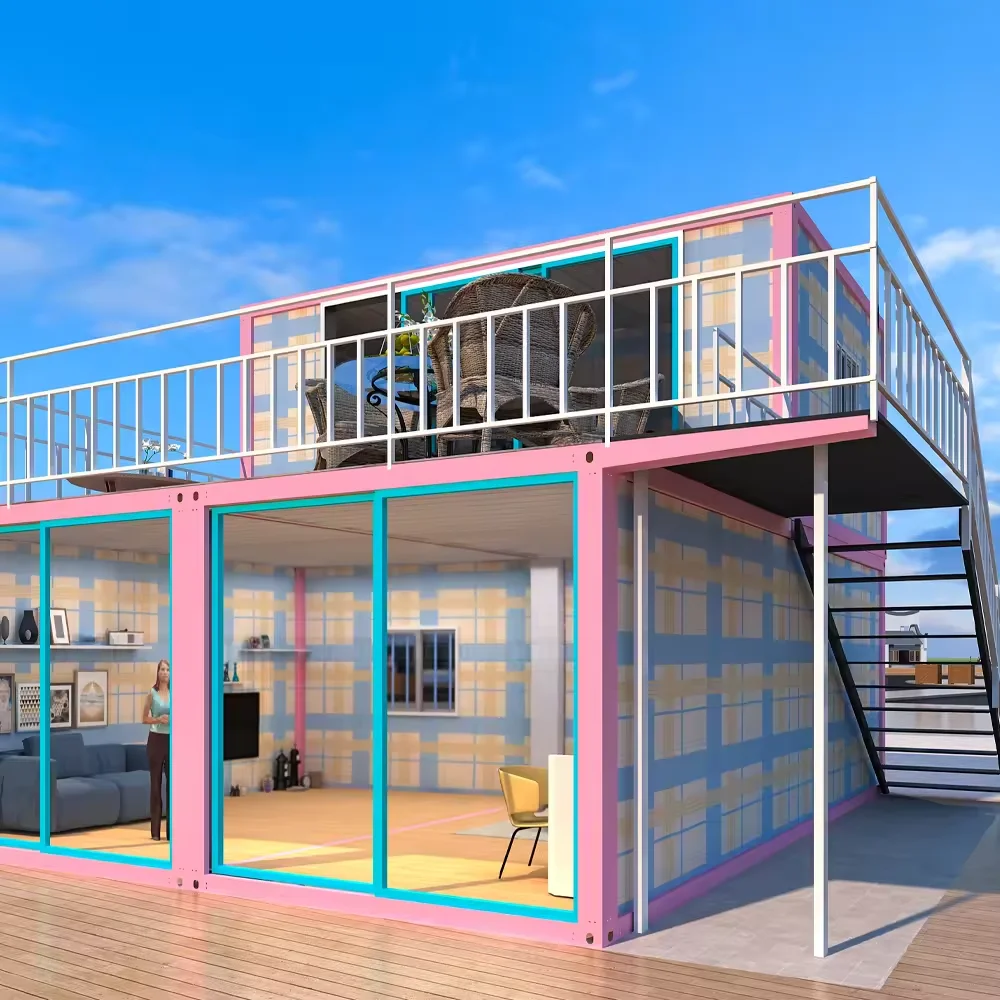
Modular commercial buildings have emerged as a flexible and efficient solution for various industries, providing businesses with customizable living and working spaces. As a B2B buyer, you might be concerned about the specifications, cost, lead times, and reliability of suppliers. This article will guide you through the key considerations when selecting modular commercial buildings, helping you make informed purchasing decisions.
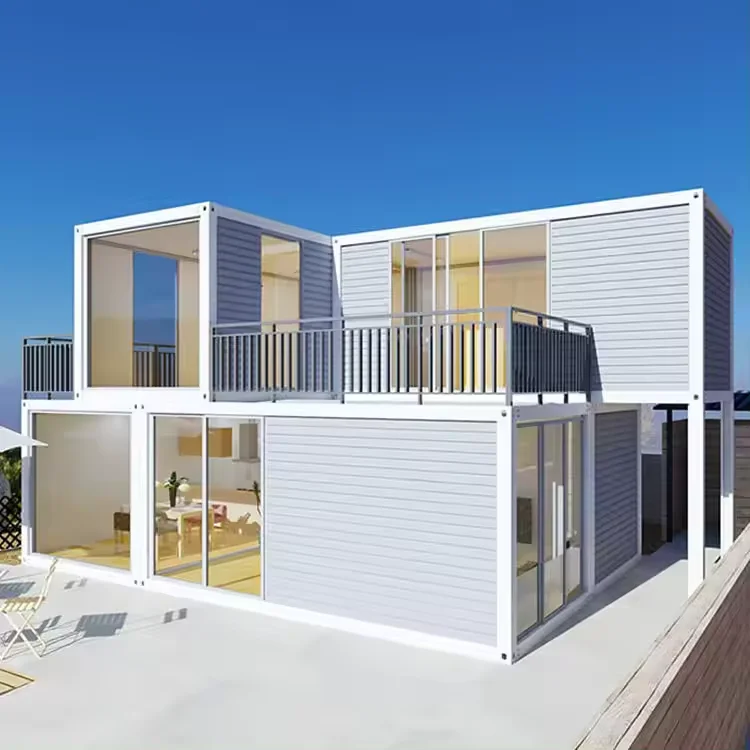
Our Products

Where to Find Reliable Suppliers of Modular Commercial Buildings

Where to Find Reliable Suppliers of Modular Commercial Buildings

Finding a trustworthy supplier is crucial for ensuring quality and timely delivery. Start by researching manufacturers with a strong reputation in the industry. Key considerations include:

Experience and Expertise: Look for suppliers with extensive experience in modular construction. A company that specializes in prefabricated modular houses, like Suzhou Dongji, will have the knowledge to handle diverse project needs.

Customer Reviews and References: Seek feedback from previous clients to gauge the supplier's reliability and service quality. Positive testimonials can provide insight into their project execution and customer support.

Production Facilities: Visit the manufacturer’s facilities if possible. This allows you to assess their production processes, quality control systems, and overall capabilities.

Certifications and Compliance: Verify that the supplier complies with industry standards and holds relevant certifications. This is essential for ensuring the structural integrity and safety of the buildings.

After-Sales Support: Choose a supplier that offers comprehensive after-sales support, including installation services and maintenance guidance.

Common Problems in Modular Commercial Buildings and Their Solutions

Common Problems in Modular Commercial Buildings and Their Solutions

Despite their advantages, modular commercial buildings can encounter issues that require careful attention. Here are some common problems and their solutions:

Quality Control Issues: Inconsistent quality of materials can lead to structural problems. To mitigate this, establish clear quality inspection protocols before mass production. Ensure that samples are reviewed and approved based on actual performance criteria.

Design Flaws: Sometimes, building designs may not meet practical needs. Engage with the supplier’s design team early in the process to ensure the final layout aligns with functional requirements.

Installation Challenges: Improper installation can result in misalignments or structural weaknesses. Select experienced contractors familiar with modular construction techniques to minimize installation errors.

Supply Chain Delays: Delays in material supply can affect project timelines. Work closely with your supplier to develop a reliable timeline and contingency plans for unexpected delays.

Maintenance Concerns: Modular buildings may require specific maintenance practices. Ensure that you receive detailed maintenance guidelines to prolong the lifespan of the structure.

Applications of Modular Commercial Buildings in Various Industries

Applications of Modular Commercial Buildings in Various Industries

Modular commercial buildings are versatile and can be utilized across multiple industries, including:

Hospitality: Hotels and temporary lodging facilities can be rapidly constructed using modular methods, reducing downtime and providing comfortable accommodations for guests.

Construction: On-site offices and worker accommodations can be efficiently developed, allowing for better project management and worker comfort. For example, our 40ft Detachable Container House is ideal for labor camps.

Healthcare: Modular buildings can serve as clinics, urgent care centers, or temporary medical facilities, especially during public health emergencies.

Education: Schools and educational institutions can benefit from modular classrooms, which can be easily expanded or relocated based on changing needs.

Retail: Retail spaces can be quickly constructed or modified to accommodate seasonal demands or new business ventures.

Features and Benefits

Modular commercial buildings come with several features and benefits that make them an attractive option for businesses:

Cost-Effectiveness: Prefabrication allows for reduced labor costs and shorter construction times, leading to overall savings. Controlling costs through in-house production of wall panels and steel components is essential for maintaining competitive pricing.

Speed of Construction: With manufacturers like Suzhou Dongji capable of producing large quantities daily, projects can be completed in a fraction of the time compared to traditional construction methods.

Sustainability: Modular buildings often generate less waste during construction and can be designed for energy efficiency, contributing to sustainability goals.

Flexibility: These buildings can be easily reconfigured, expanded, or relocated, providing businesses with the adaptability they need to respond to changing market demands.

Quality Assurance: Factory-controlled environments ensure consistent quality in the production process, leading to buildings that meet high standards of durability and safety.

By understanding these critical aspects of modular commercial buildings, B2B buyers can make informed decisions that align with their project requirements, budget constraints, and timelines.

How to Choose the Right Modular Commercial Building for Your Projec

Selecting the appropriate modular commercial building involves assessing your project requirements carefully. Start by defining the purpose of the building—whether it’s for dormitories, offices, or hotels—as this will influence the design and specifications. For instance, if you are looking for a compact living solution, consider our 20ft Modular Tiny Homes Ready to Ship Cabin Container House.

Consider the following key factors:

Dimensions and Layout: Measure the space available for installation. Customization is often possible, so discuss your layout preferences with suppliers.

Materials: Modular buildings can be constructed from various materials, including steel and prefabricated panels. Choose materials based on durability, insulation properties, and environmental impact. For example, steel components offer strength and longevity, while insulated wall panels contribute to energy efficiency.

Production Capabilities: Evaluate the supplier’s production capabilities, including daily output. A supplier like Suzhou Dongji Integrated Housing Technology Co., Ltd. can produce up to 500 units daily, ensuring timely delivery for larger projects.

Compliance and Regulations: Ensure that the building adheres to local building codes and regulations. This may involve checking certifications and inspection processes.

Customization Options: Assess your need for custom features such as specific finishes, layouts, or additional amenities. Discuss these requirements upfront to understand potential costs and lead times.

Our Blog Posts

From Dream To Reality Designing Your Ideal Expandable Container Home

14

May

From Dream To Reality Designing Your Ideal Expandable Container Home

If you have ever imagined having the most amazing house on the block, a home that you design the way you want then wait until you see what we have to offer. Today, we are taking a tour of the wonderful universe of Dongji expandable container homes. T...
View More
Transforming Urban Living The Role Of Container Homes In Smart Cities

04

Jun

Transforming Urban Living The Role Of Container Homes In Smart Cities

It can feel cramped, and expensive, to live in a city, as it grows and more people move to town. But now there is a new phenomenon gaining traction in city life — homes made from shipping containers. They’re special houses made of used shipping conta...
View More
Tiny Homes and Green Living Go Hand in Hand for a Sustainable Future

12

Jul

Tiny Homes and Green Living Go Hand in Hand for a Sustainable Future

A sustainable living solutionSustainable living Living in a tiny home is a cool way to sustain. And these houses, generally made with environmentally friendly materials, and are less energy hungry to heat and cool. That’s because people who live in t...
View More
Affordable Modular Housing Offers Sustainable Eco-Friendly Tiny and Container Living

28

Sep

Affordable Modular Housing Offers Sustainable Eco-Friendly Tiny and Container Living

Suzhou Dongji Integrated Housing Technology Co., Ltd. is specialized in projects of designing, manufacturing, marketing and construction. Its main products include quick pre-assembled houses, steel structure assembly building and space module assembl...
View More

Get a Free Quote

Our representative will contact you soon.
Email
Tel or WhatsApp
Name
Company Name
House Quantity
Message
0/1000
+86-14751167265
Choosing Modular Commercial Buildings for Your Project
[email protected]

Get a Free Quote

Tell us what you plan to build. Our team will review your requirements and recommend a suitable prefabricated housing solution. We usually reply within one business day.
Name
Email
Tel/WhatsApp
Company Name
House Quantity
Message
0/1000