EN


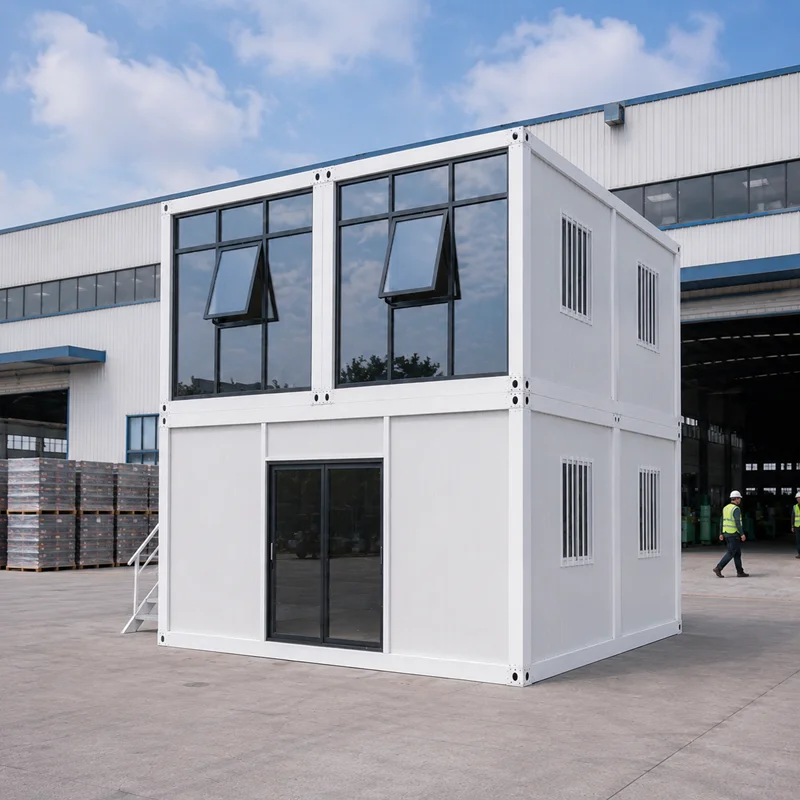
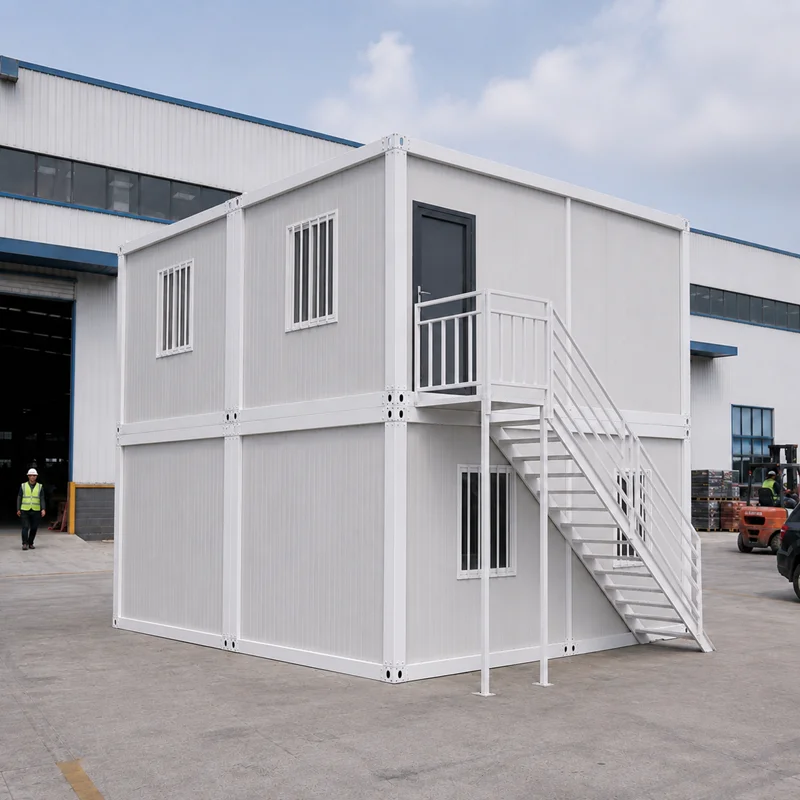
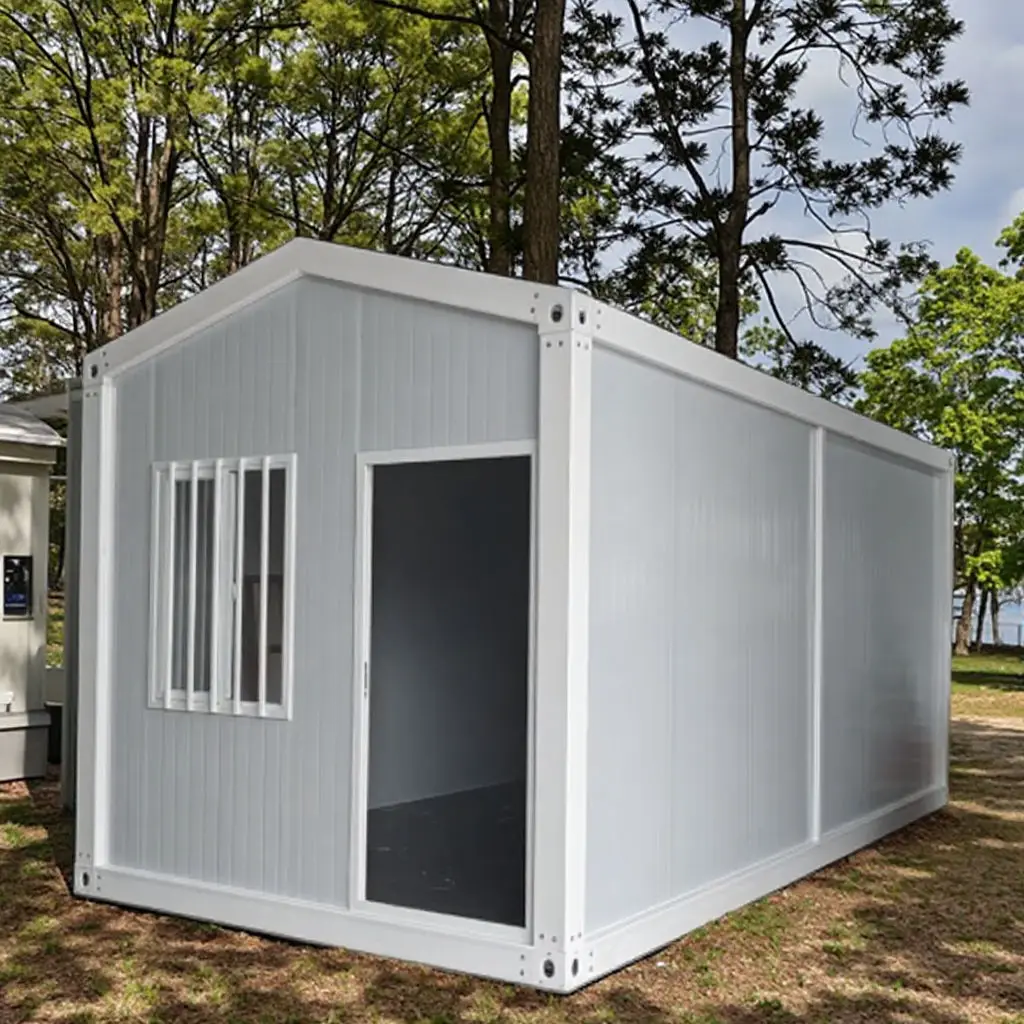
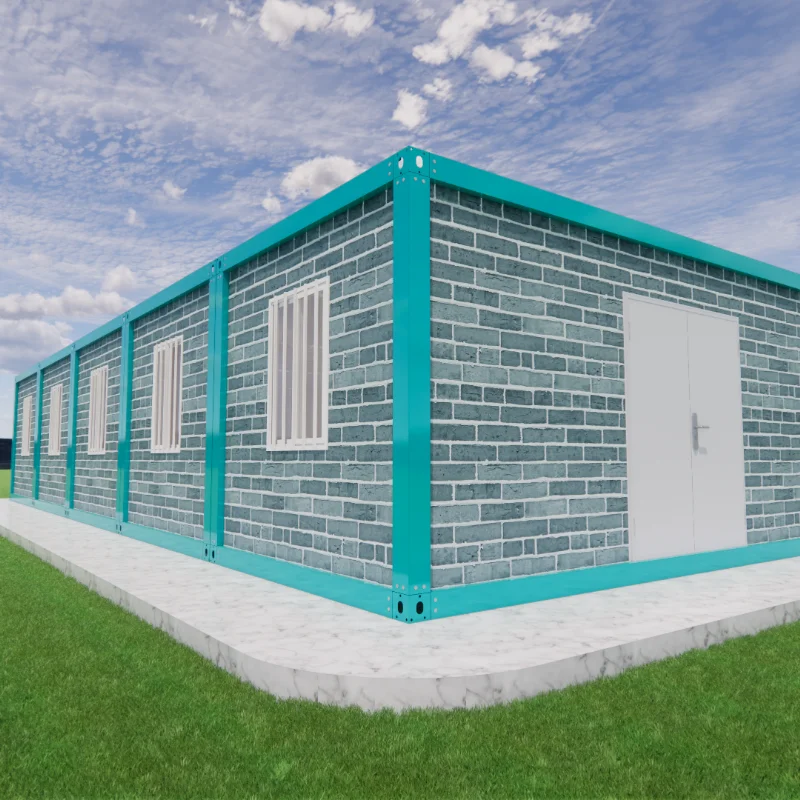
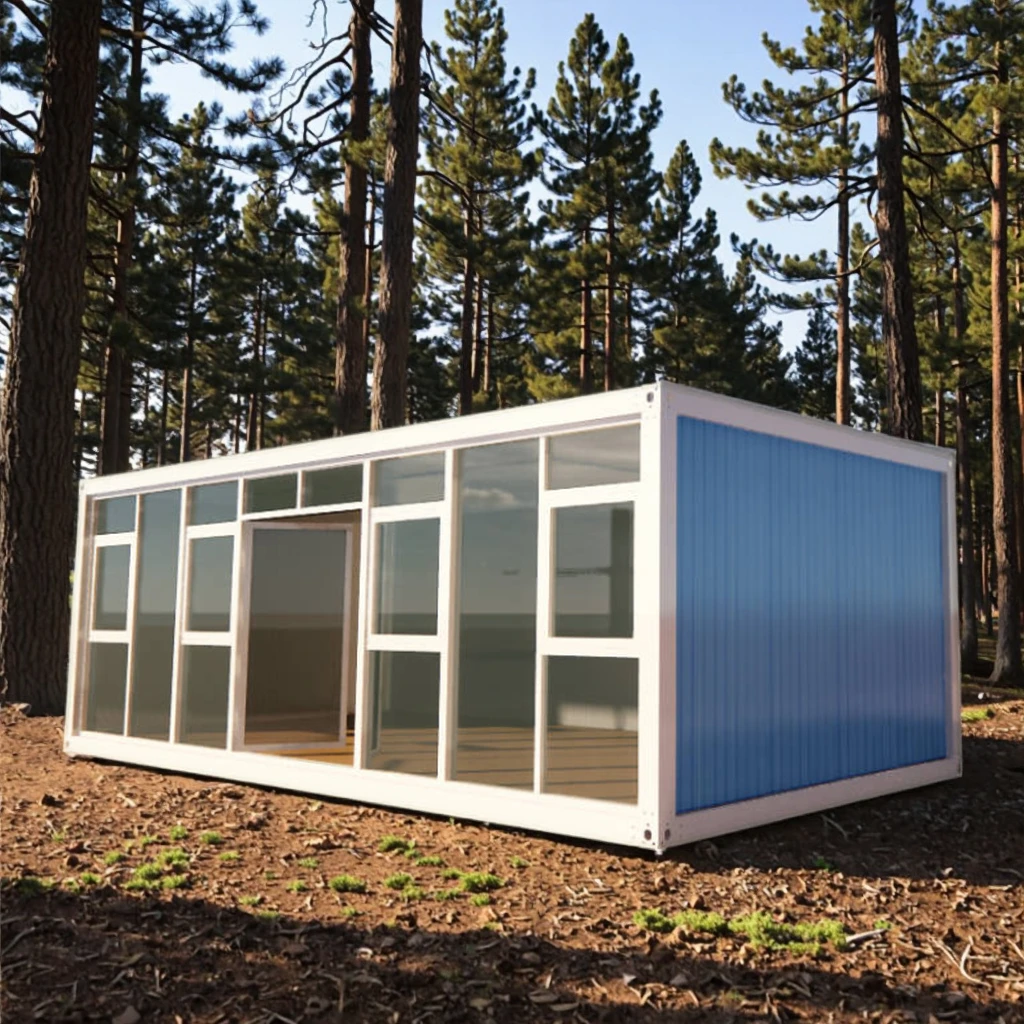
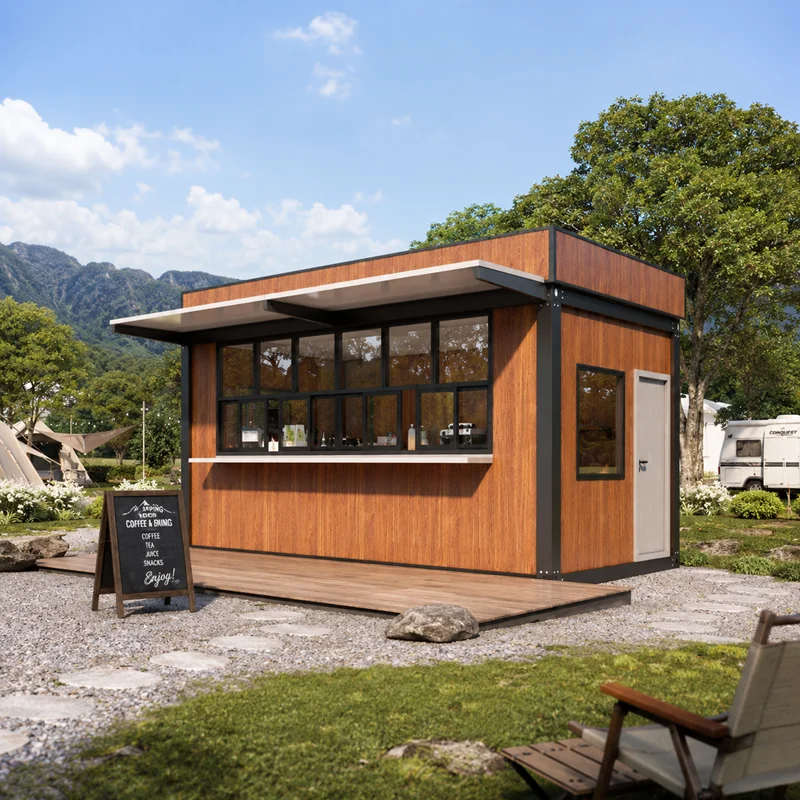
Office containers are innovative, prefabricated structures designed for a variety of applications, including temporary or permanent office spaces. They offer advantages such as rapid deployment and cost efficiency, which are particularly appealing to B2B buyers like purchasing managers, contractors, and project managers. This article will help potential buyers evaluate office containers, understand key specifications, and navigate common challenges, thereby facilitating informed purchasing decisions.
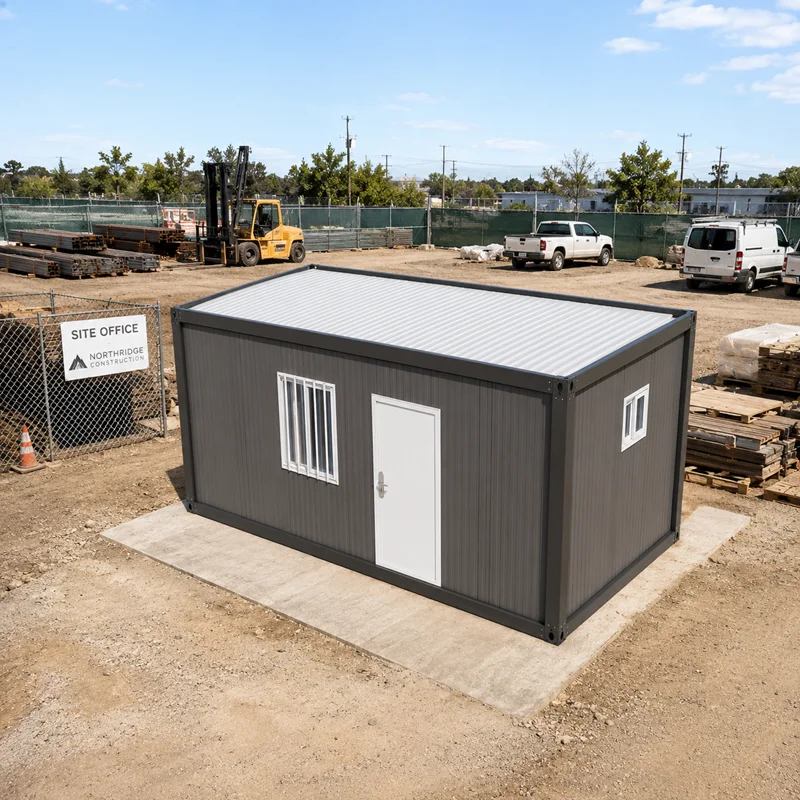
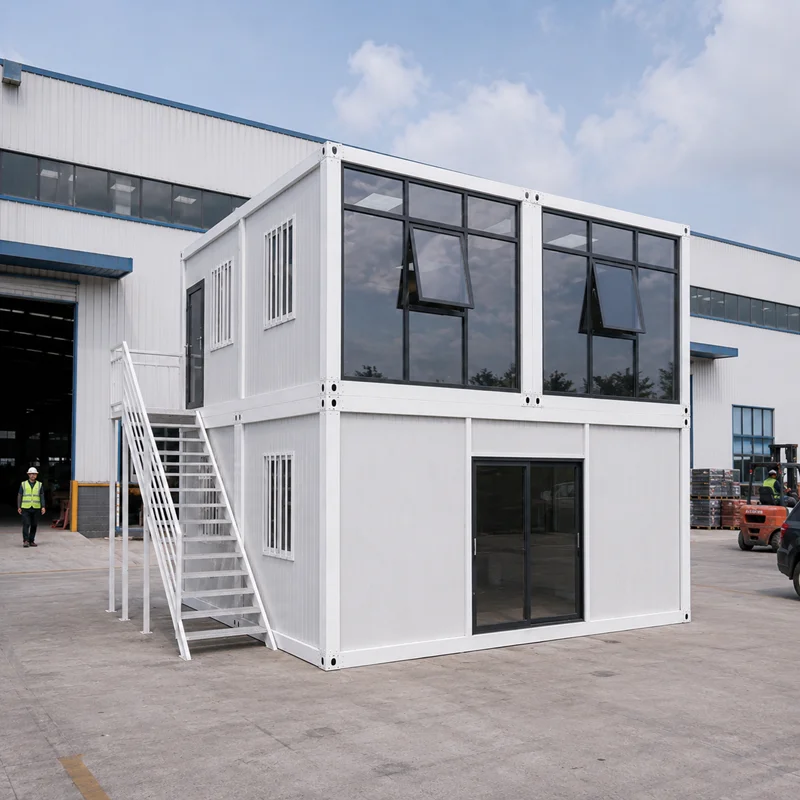
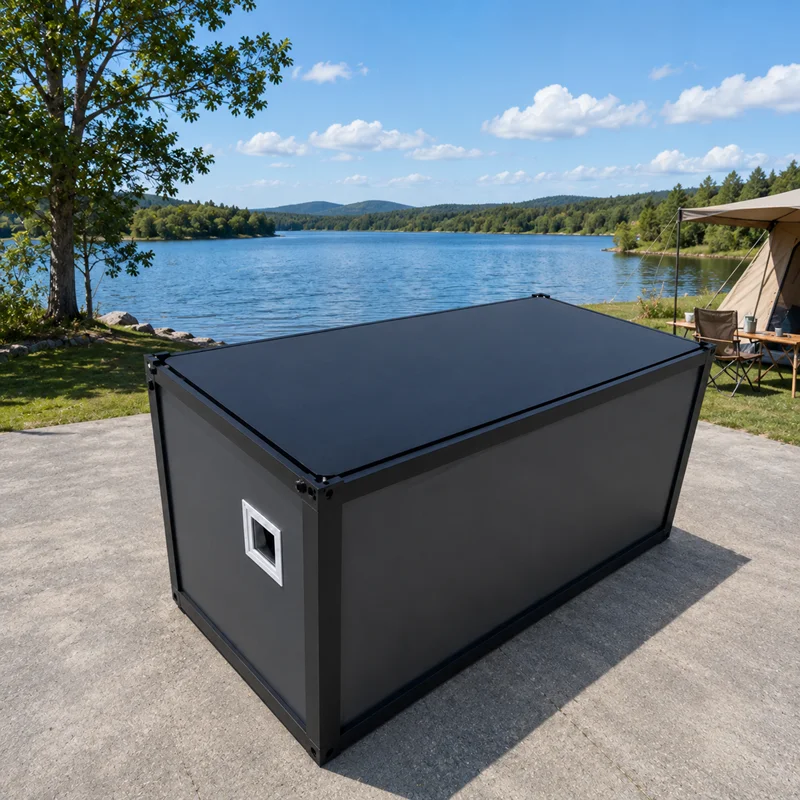
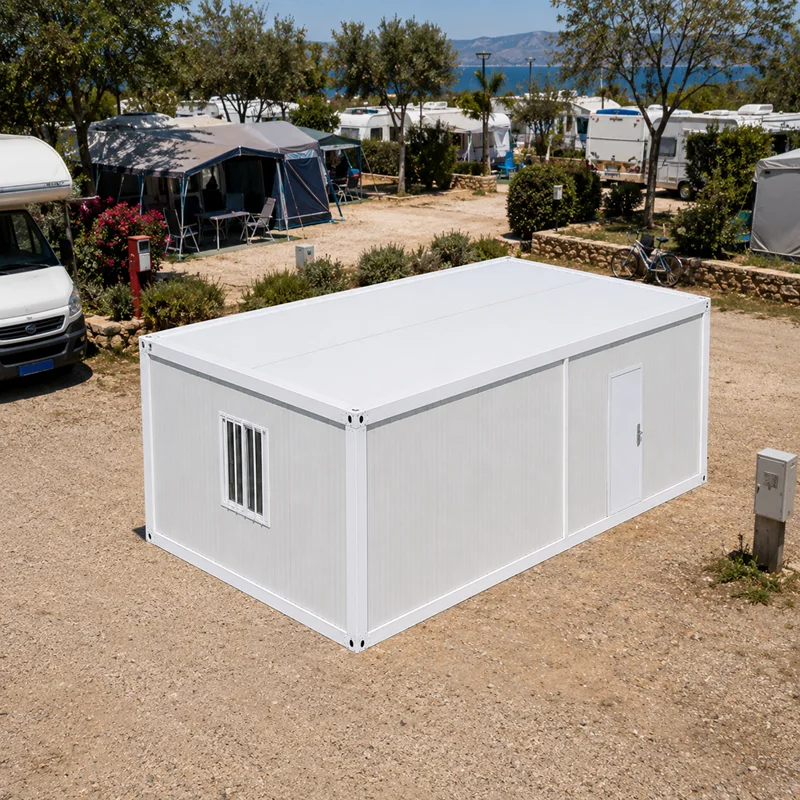
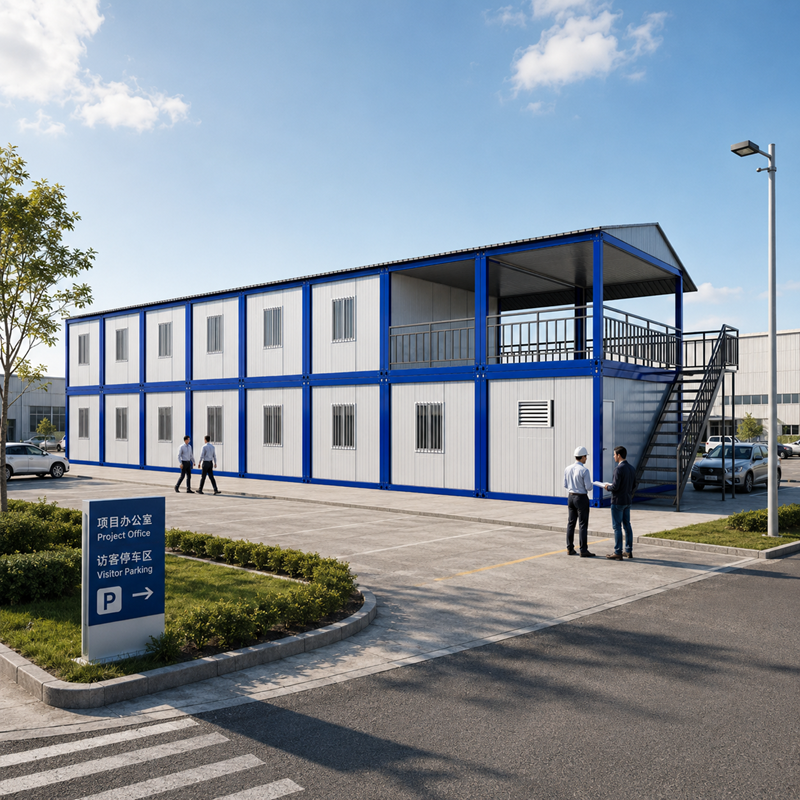
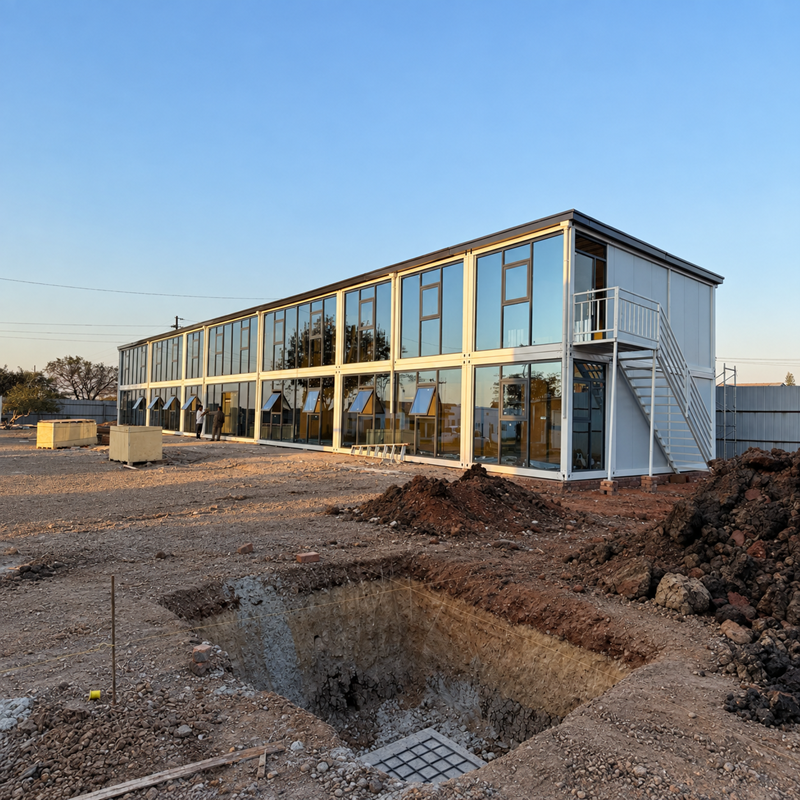
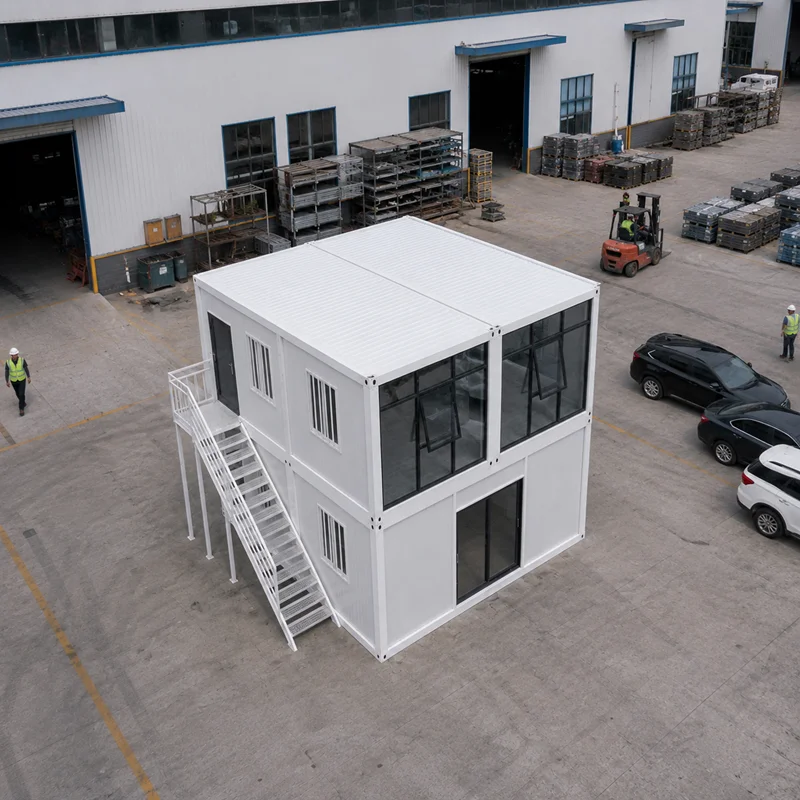
Steps to Follow
To streamline your evaluation process, follow these practical steps:
Identify Requirements: Define the intended use of the office container, including size, layout, and necessary amenities (e.g., HVAC, electrical systems).
Research Suppliers: Look for manufacturers with a proven track record in producing office containers. Review their production capabilities, lead times, and customization options. For example, consider exploring Shipping Container Design to understand different design approaches.
Request Specifications: Ask for detailed product specifications, including material types, insulation values, wall thickness, and load-bearing capacities.
Review Quality Control Processes: Inquire about the supplier's quality assurance measures. A strong quality control process should be in place to catch any defects during production.
Evaluate Customer Feedback: Seek testimonials or case studies from previous clients to gauge satisfaction and performance in real-world applications.
Request a Sample: Before placing a large order, always request a sample unit to assess quality and confirm that it meets your specifications.