EN


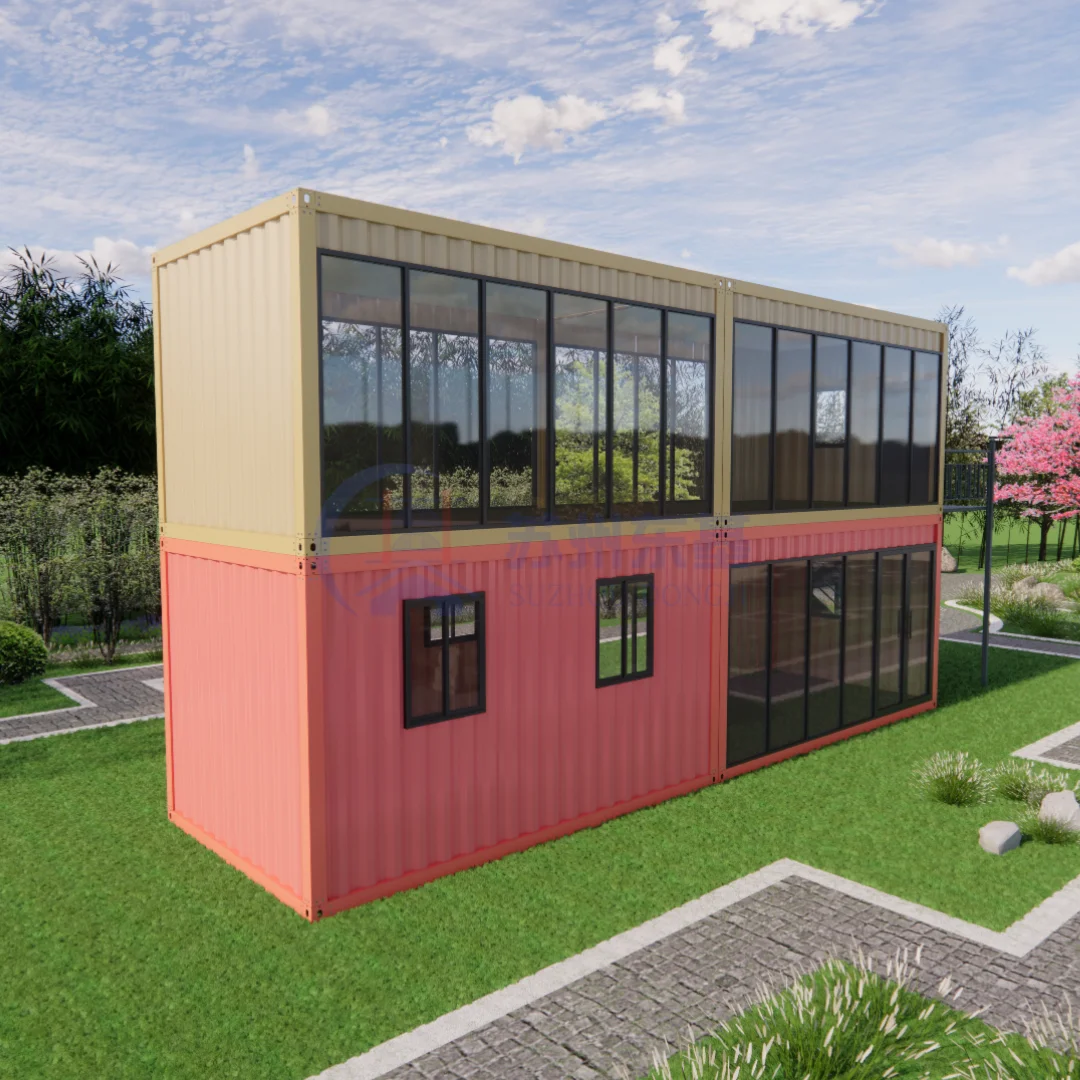
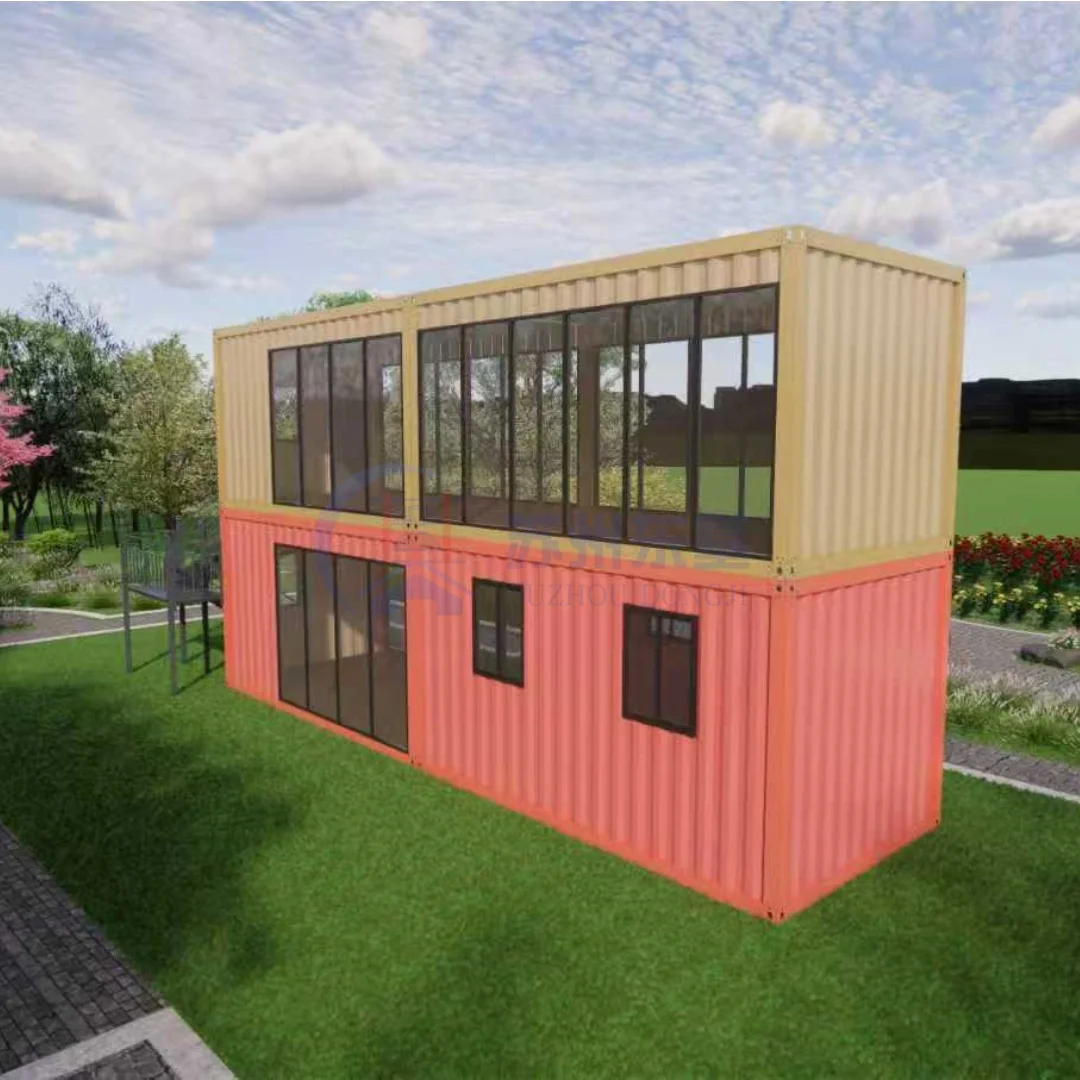
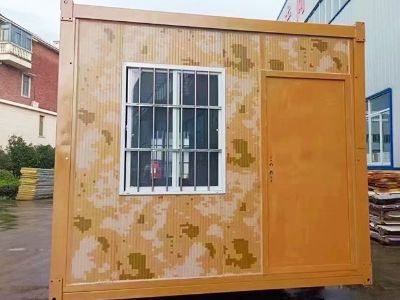
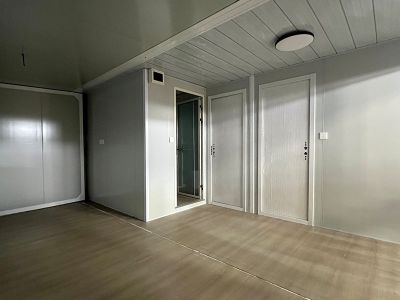
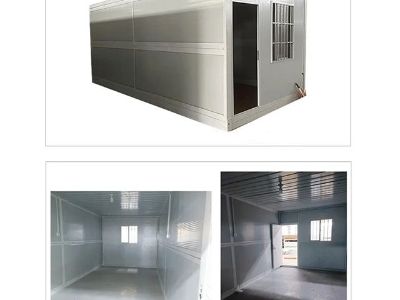
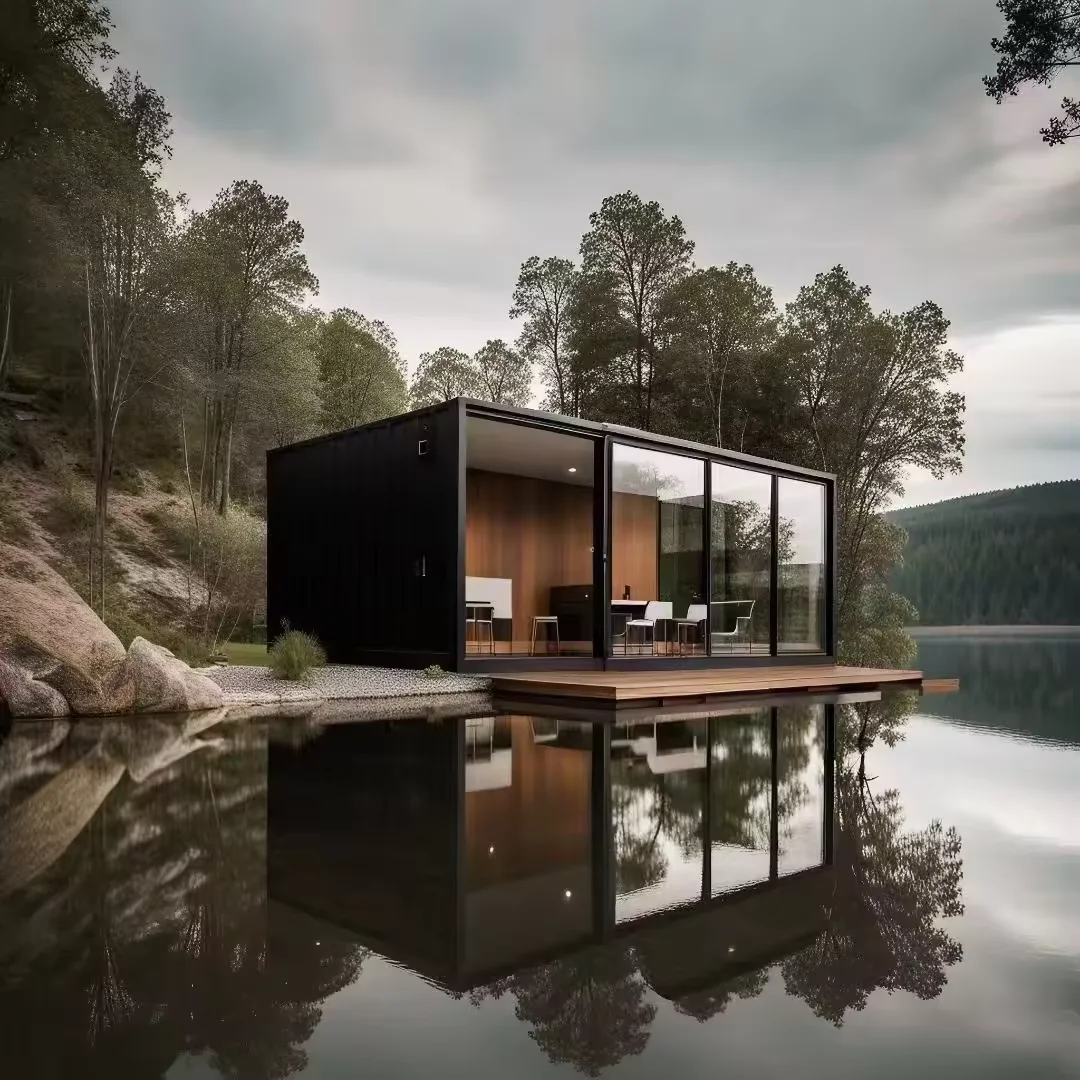
Prefabricated office buildings are innovative solutions designed to provide efficient and flexible workspace options for businesses. These modular structures are manufactured off-site and assembled on location, offering significant advantages such as reduced construction time and lower costs. Key concerns for B2B buyers include material quality, customization options, installation processes, and how these buildings can meet specific operational needs. We will explore essential factors to consider when purchasing prefabricated office buildings, including supplier reliability, cost comparisons, installation guidance, material advantages, and common challenges with effective solutions.
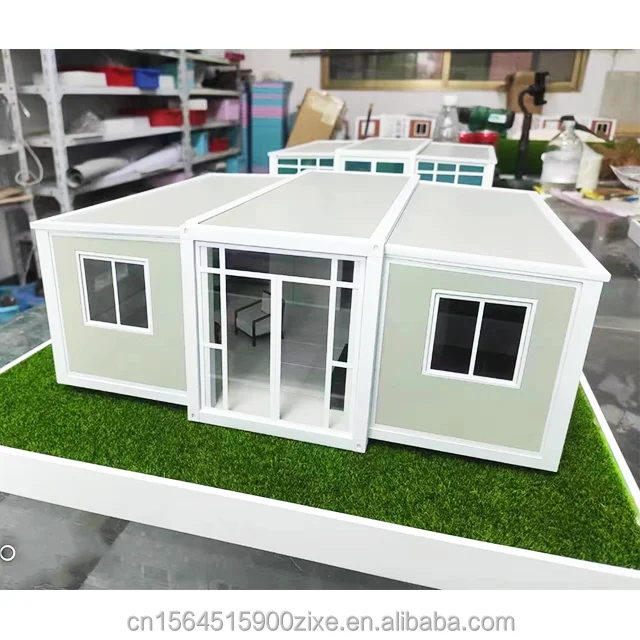
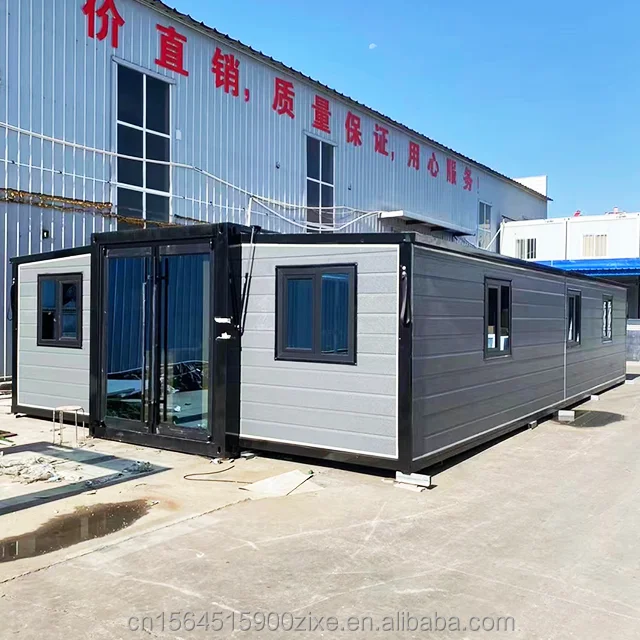
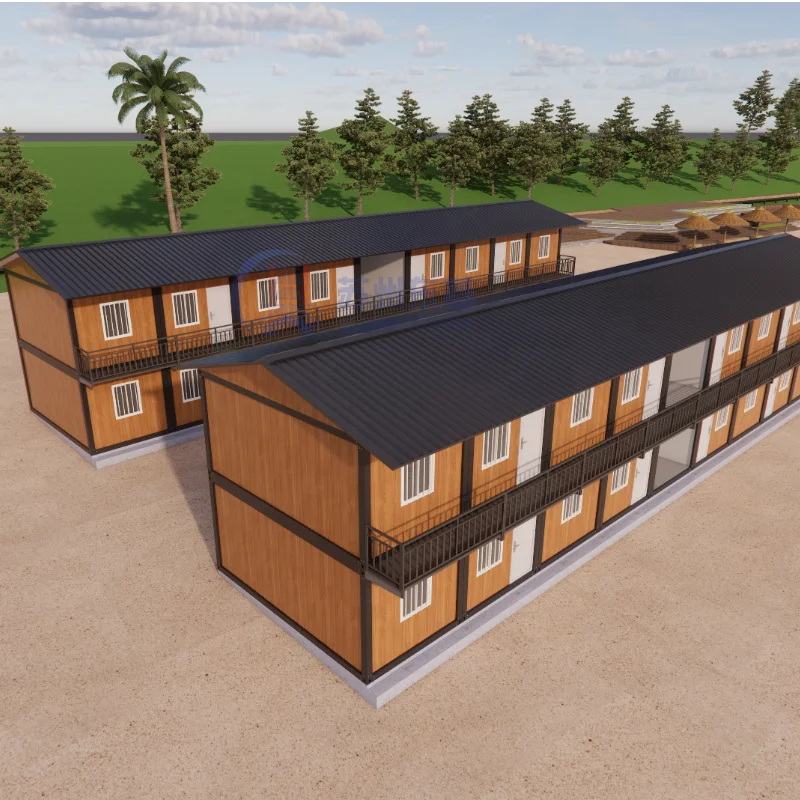
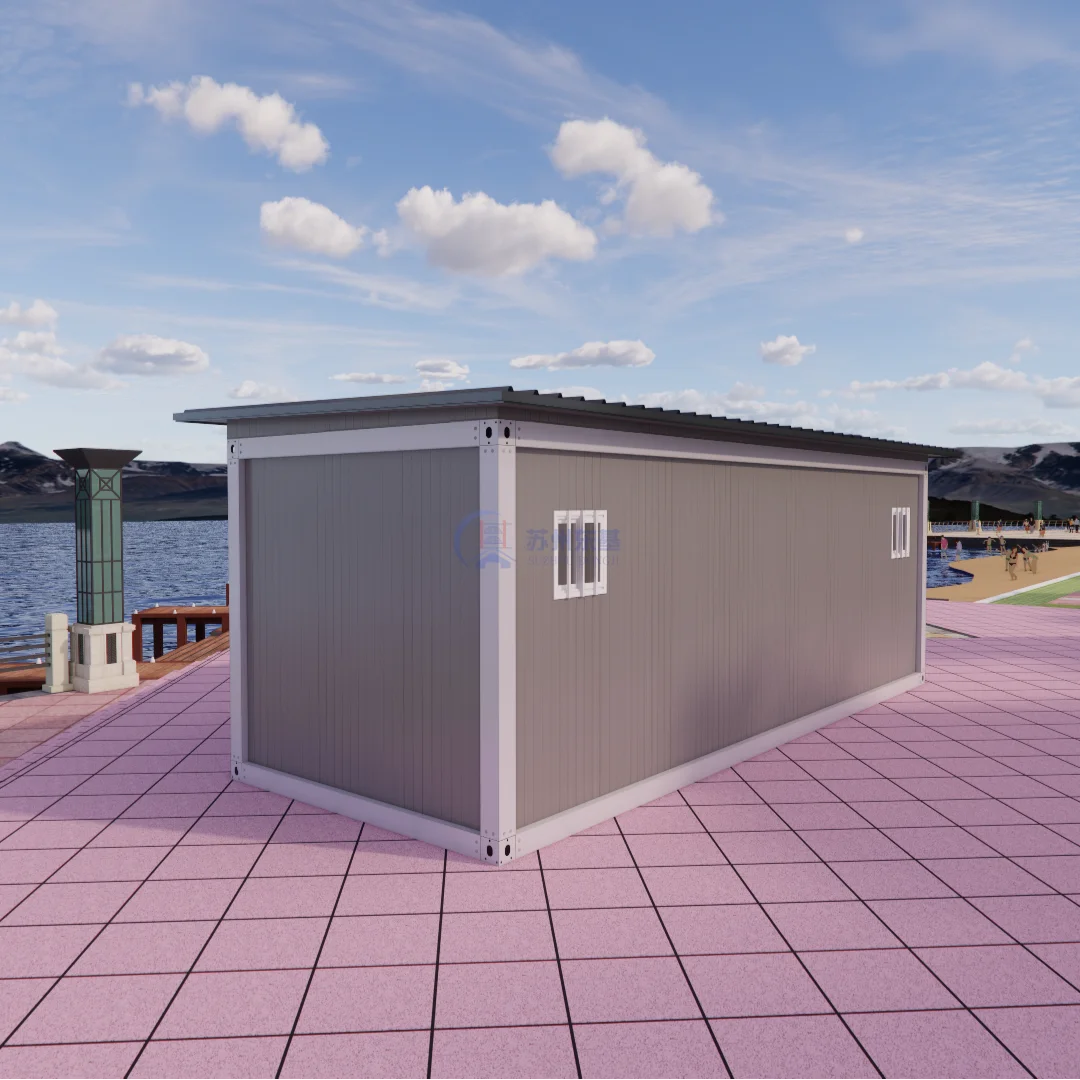
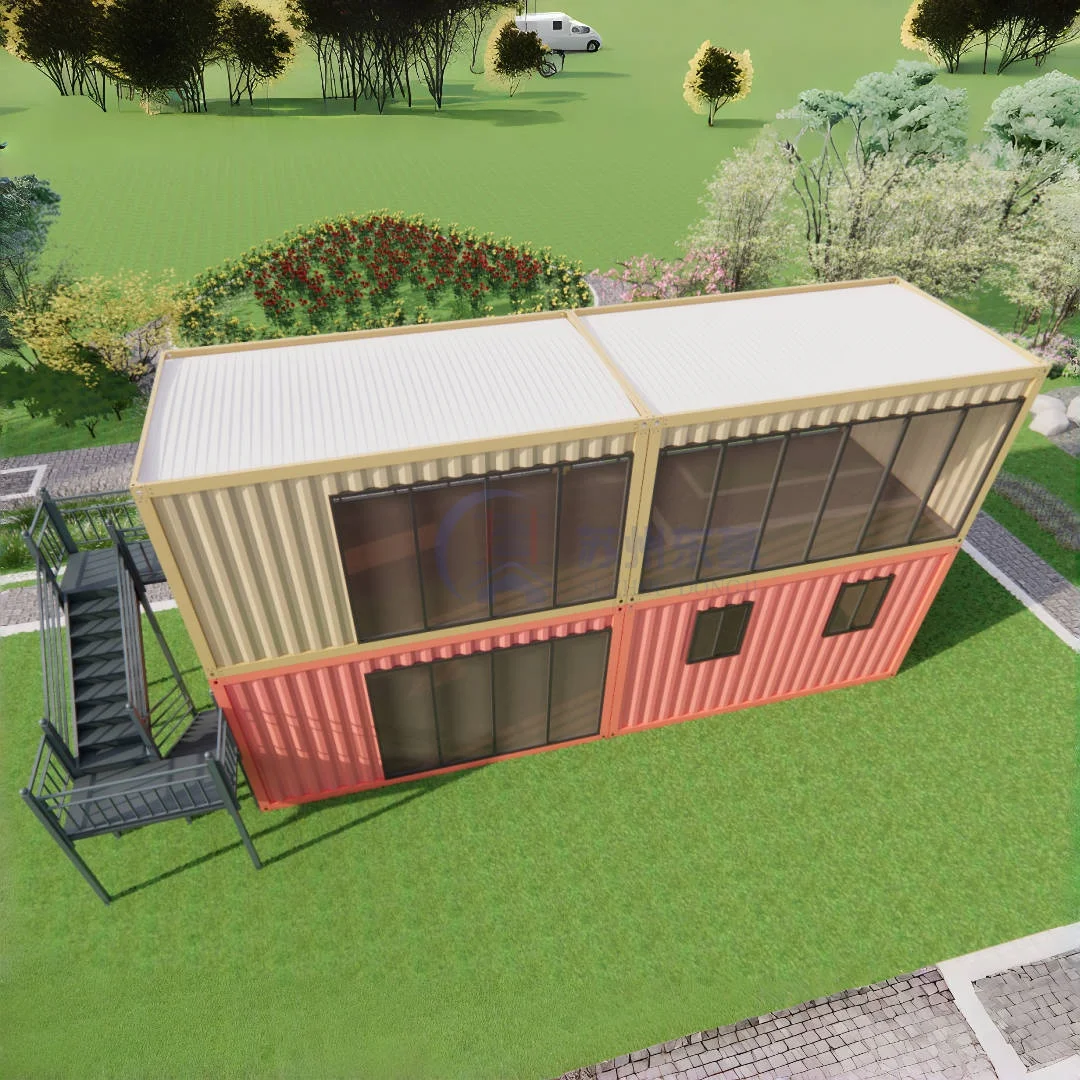
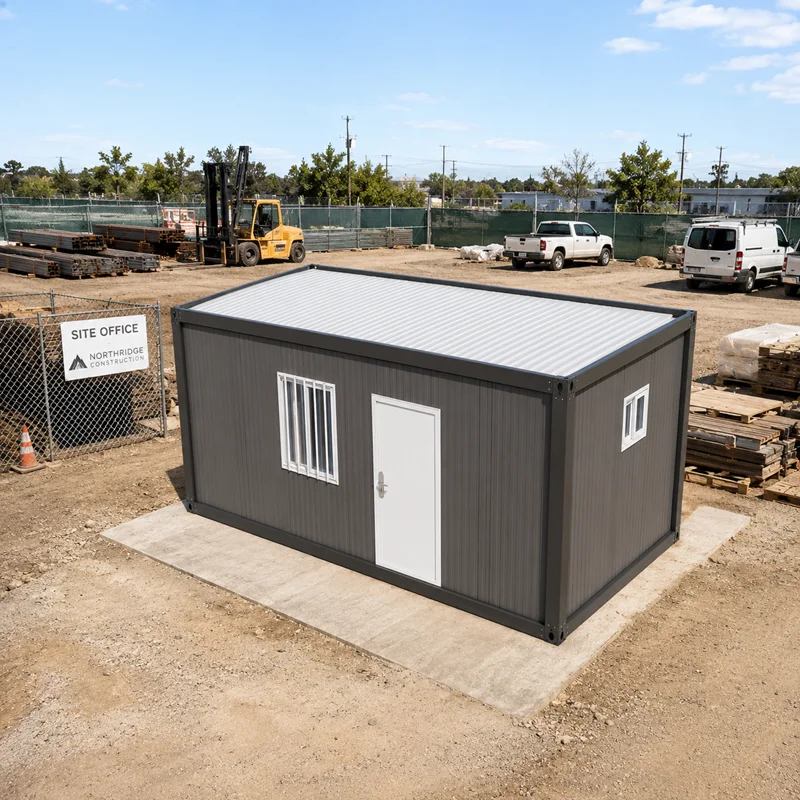
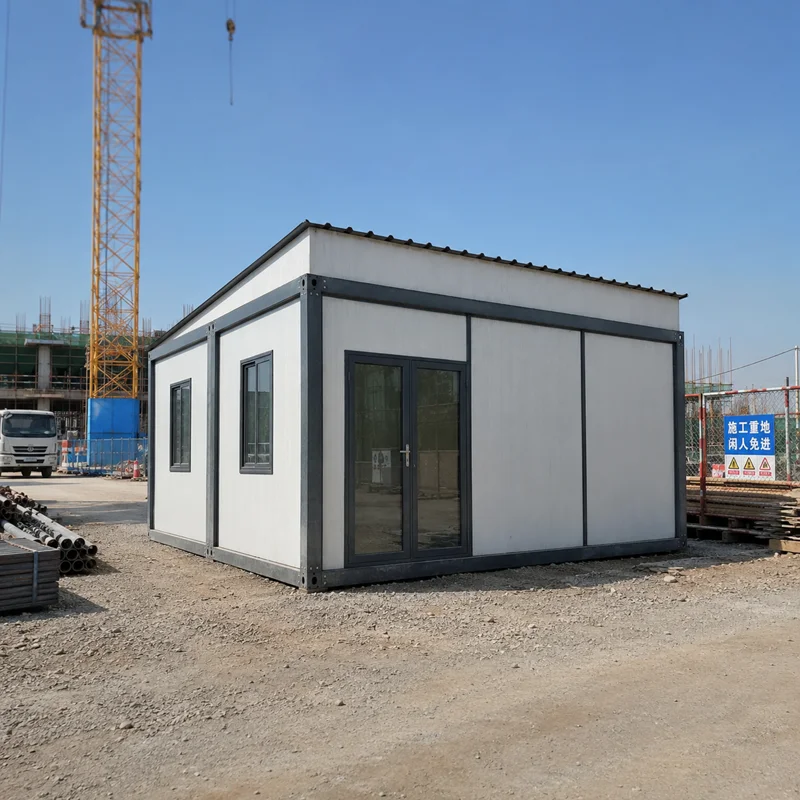
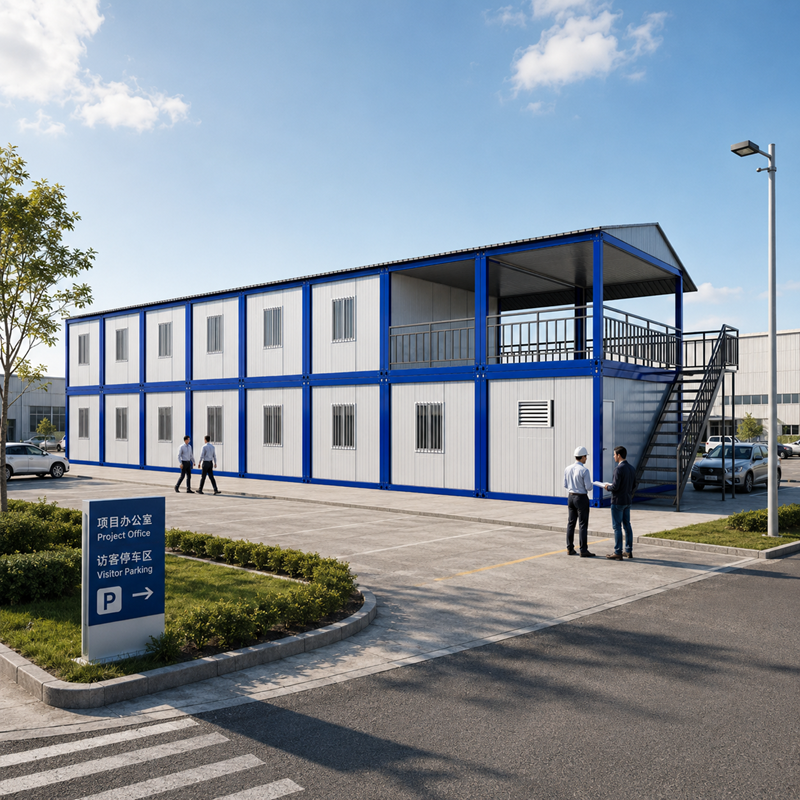
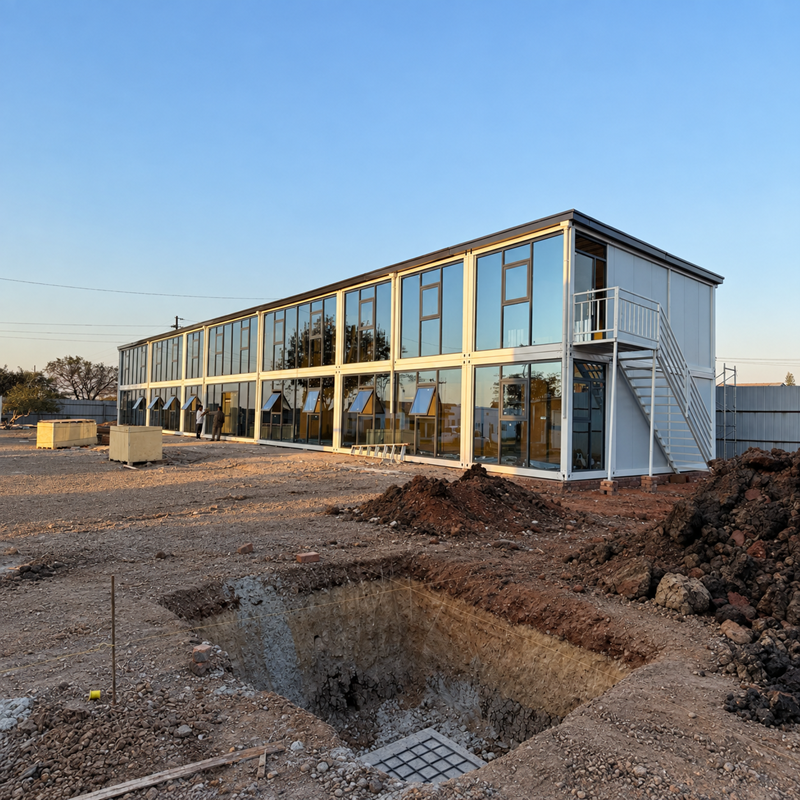
Comparing Cost Factors for Prefabricated Office Building Options
Understanding the cost factors associated with prefabricated office buildings is essential for making informed purchasing decisions. The total cost of ownership includes not just the initial purchase price but also installation, maintenance, and potential customization fees. Key components influencing costs include:
Materials: The choice of materials, such as steel, wood, or composite panels, can significantly impact both the durability and cost of the building. Design Complexity: More complex designs may require higher initial investments but could lead to enhanced functionality and long-term savings through efficient use of space. Transportation and Installation: Consider logistics costs, as these can vary based on the building's size and the distance from the manufacturing facility to the installation site. Volume Discounts: If you're planning to order multiple units, inquire about bulk pricing options, which can lead to significant savings.Before finalizing your decision, gather detailed quotations from multiple suppliers to compare costs effectively.