
Choosing the Right Prefabricated Office Supplier

Get a Free Quote

Tell us what you plan to build. Our team will review your requirements and recommend a suitable prefabricated housing solution. We usually reply within one business day.
Name
Email
Tel/WhatsApp
Company Name
House Quantity
Message
0/1000

prefabricated office

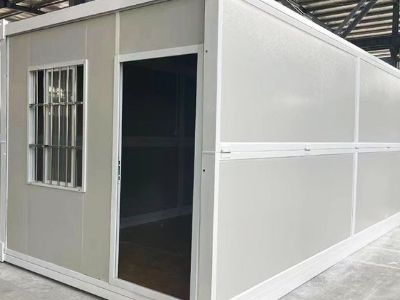
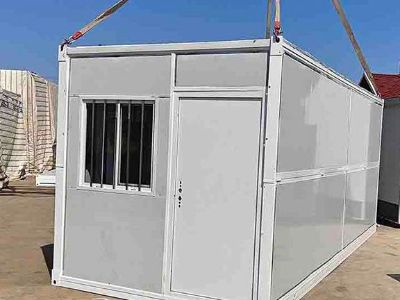
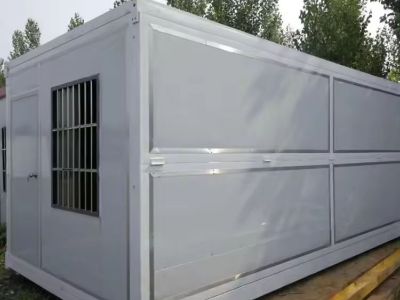
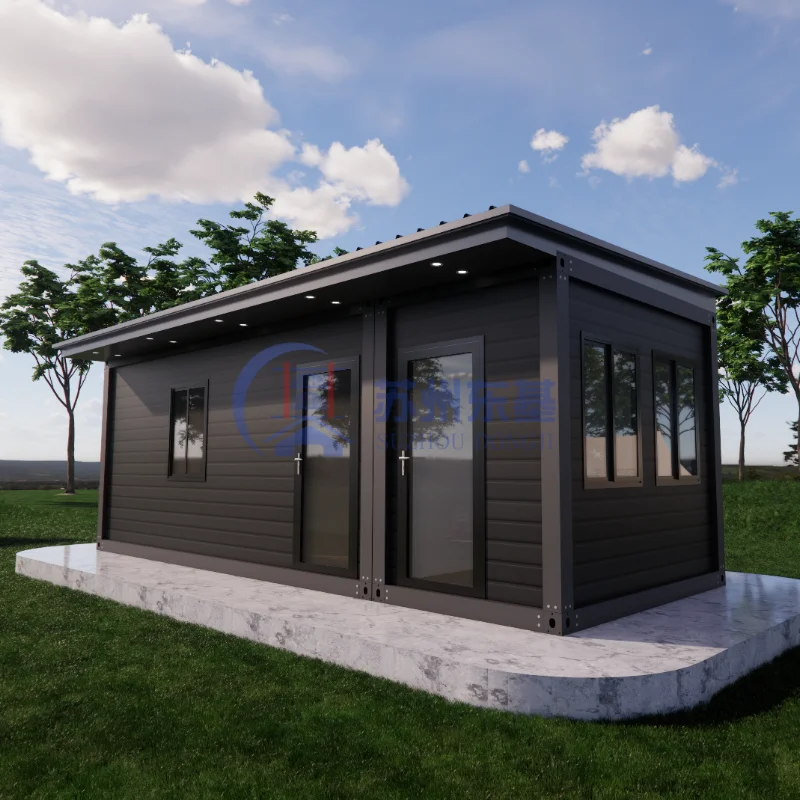
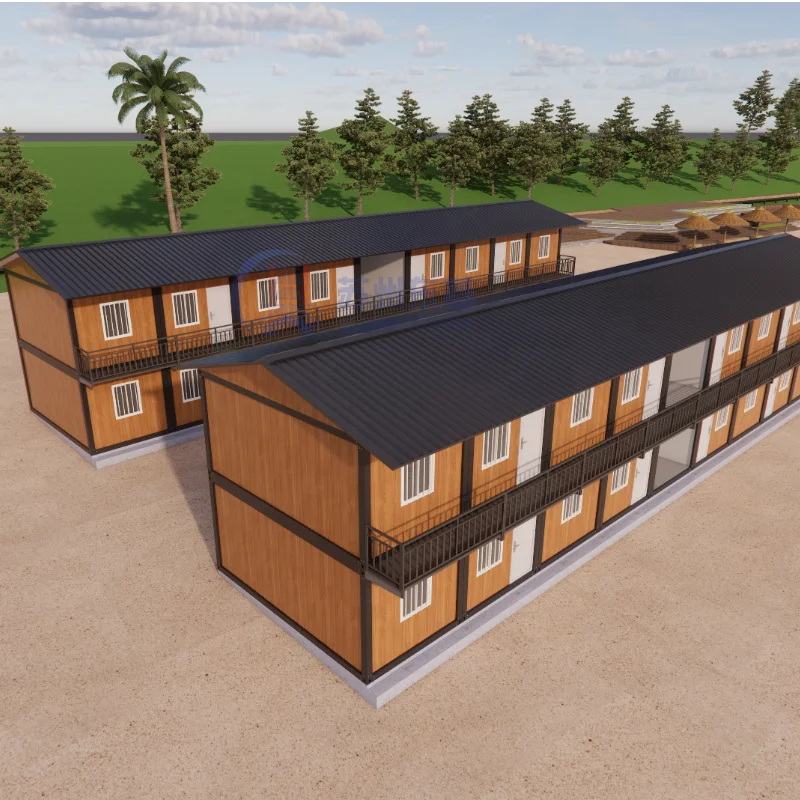
Prefabricated offices are becoming increasingly popular in the B2B sector, offering flexible, cost-effective solutions for businesses looking to expand or enhance their workspace. These modular structures are designed for rapid assembly, allowing companies to adapt to changing needs without the delays associated with traditional construction. For purchasing managers and project leaders, understanding the nuances of prefabricated office solutions is crucial to making informed decisions. This article will guide you through essential considerations when selecting a supplier, evaluating costs, installing these structures efficiently, addressing common issues, and exploring various application scenarios.
Our Products

How to Evaluate the Cost of Prefabricated Office Solutions

How to Evaluate the Cost of Prefabricated Office Solutions

When assessing the cost of prefabricated office solutions, several elements come into play:

Material Costs: The type of materials used can significantly affect overall pricing. For instance, high-quality steel components may have a higher upfront cost but offer better durability and lower maintenance expenses in the long run. Investing in Sandwich Panels can enhance insulation and energy efficiency, ultimately reducing long-term costs.

Customization Fees: Tailoring a prefabricated office to specific requirements may involve additional costs. Be clear about your needs and request detailed quotes that break down these expenses.

Installation Expenses: Factor in the cost of installation, which can vary based on the complexity of the project and the location. Ensure the quote includes all installation services.

Lead Times: Understand how lead times influence costs. Suppliers with efficient production capabilities, like a daily output of 500 units, can offer quicker delivery, which may impact your project timeline and associated costs.

Long-term Savings: Consider the total cost of ownership, including energy efficiency, maintenance, and potential longevity of the structure. An initial higher investment may yield greater savings over time.

By carefully evaluating these factors, you can better understand the financial implications of your prefabricated office choices and make informed decisions that align with your budget.
Installation Guide for Efficient Prefabricated Office Setup

Installation Guide for Efficient Prefabricated Office Setup

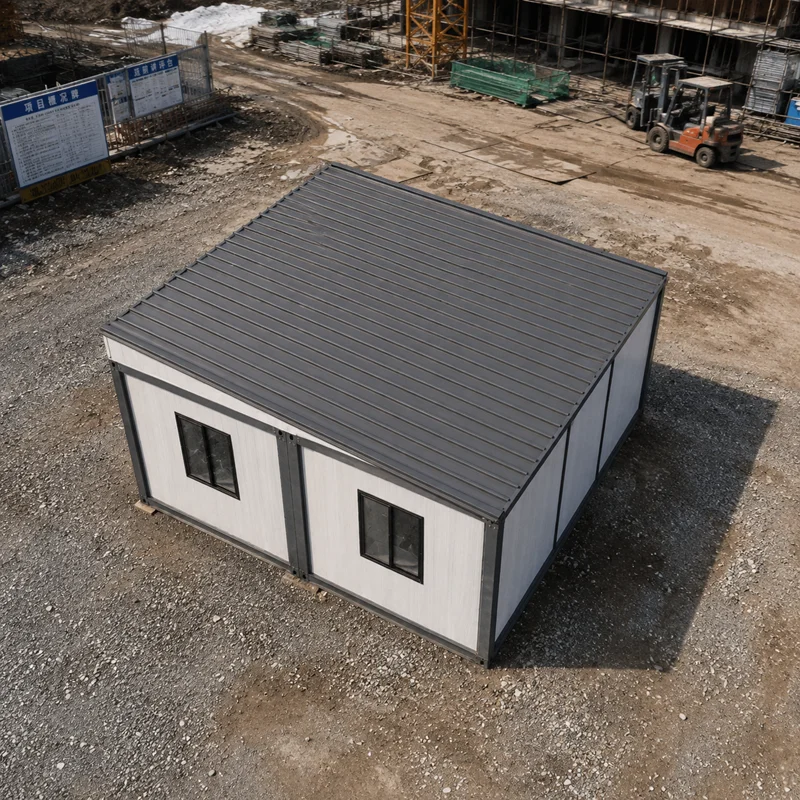
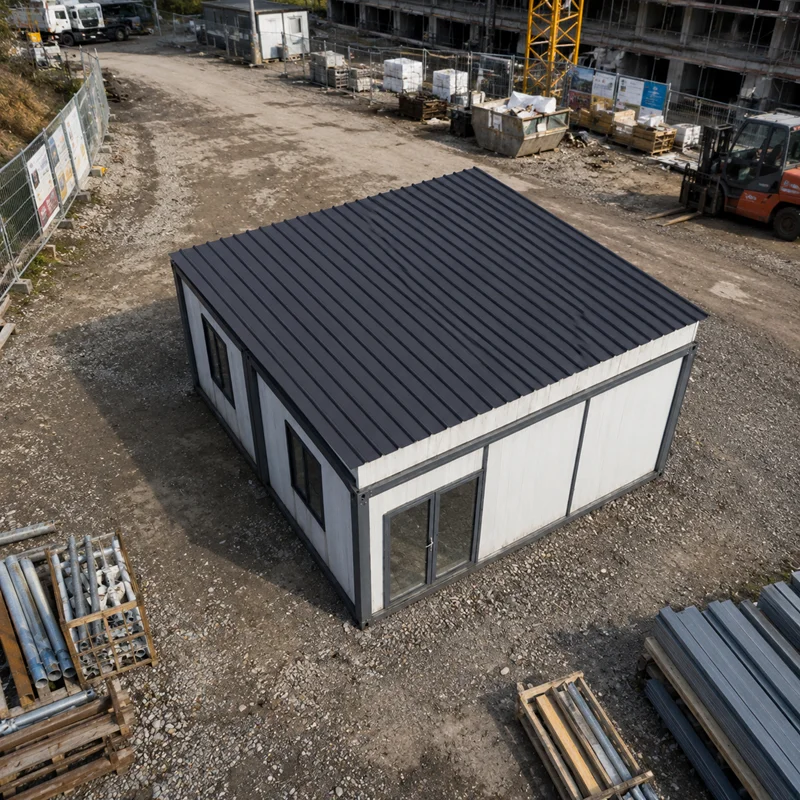
Proper installation of a prefabricated office is crucial for ensuring its functionality and longevity. Follow these guidelines for an efficient setup:

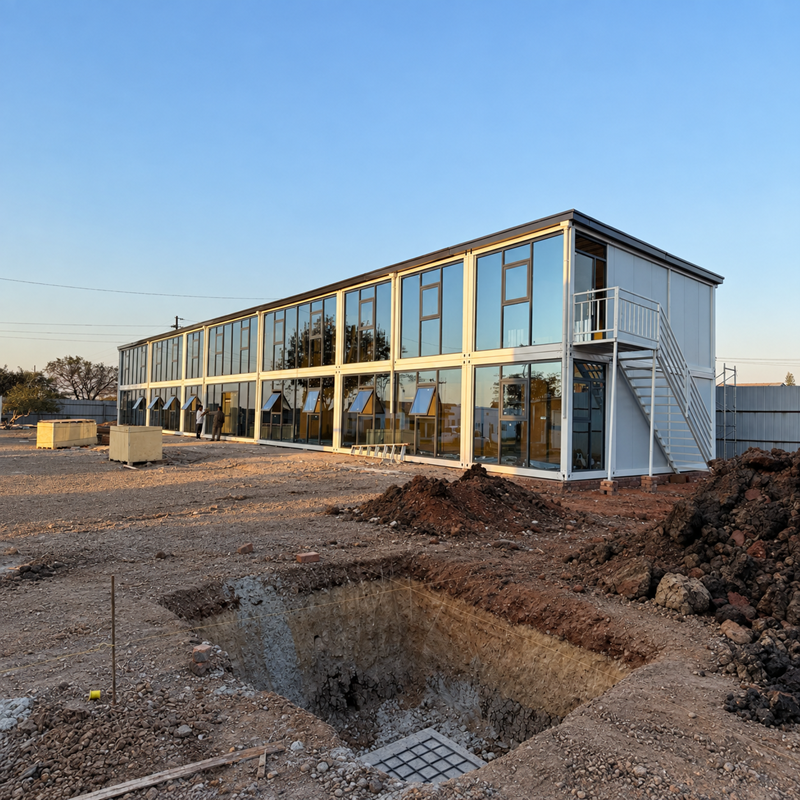
Site Preparation: Ensure the installation site is leveled and ready. This includes clearing debris and confirming that utilities are available.

Component Inspection: Before installation, inspect all components for damage or defects. Any issues should be addressed with the supplier prior to assembly.

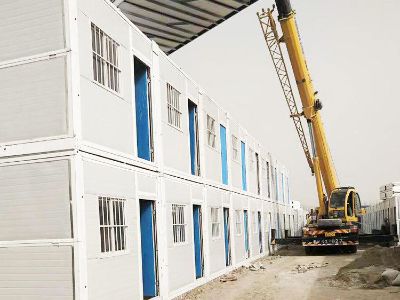
Assembly Process: Follow the manufacturer's assembly instructions carefully. Collaboration with skilled installers familiar with prefabricated structures can enhance efficiency and accuracy.

Quality Checks: During installation, continually check for alignment and structural integrity. This step is vital to avoid future complications.

Final Inspection: Once the office is assembled, conduct a thorough inspection to ensure everything meets your specifications and quality standards.

By adhering to these steps, you can facilitate a smooth installation process and optimize the performance of your prefabricated office.

Common Problems with Prefabricated Offices and Their Solutions

Common Problems with Prefabricated Offices and Their Solutions

While prefabricated offices offer many advantages, they can also present specific challenges. Here are some common issues and how to address them:

Misalignment: Occasionally, components may not align correctly during installation. To prevent this, ensure that the foundation is level and follow the assembly guidelines meticulously.

Weather-Related Damage: Exposure to harsh weather can affect the integrity of prefabricated structures. Opt for weather-resistant materials and ensure that the installation process includes proper sealing techniques.

Insufficient Insulation: Inadequate insulation can lead to temperature control issues. When selecting materials, ensure they meet the thermal performance standards required for your location.

Limited Customization Options: Some suppliers may offer limited design flexibility. To mitigate this, discuss your requirements upfront and ensure the supplier can accommodate your specific needs.

Quality Control Issues: Variability in manufacturing can lead to discrepancies in product quality. Choose a supplier with established quality control processes to minimize risks.

By proactively addressing these potential problems, you can enhance the reliability and effectiveness of your prefabricated office solution.

Application Scenarios for Prefabricated Office Structures

Prefabricated offices serve diverse applications across various industries. Here are some common scenarios where they excel:

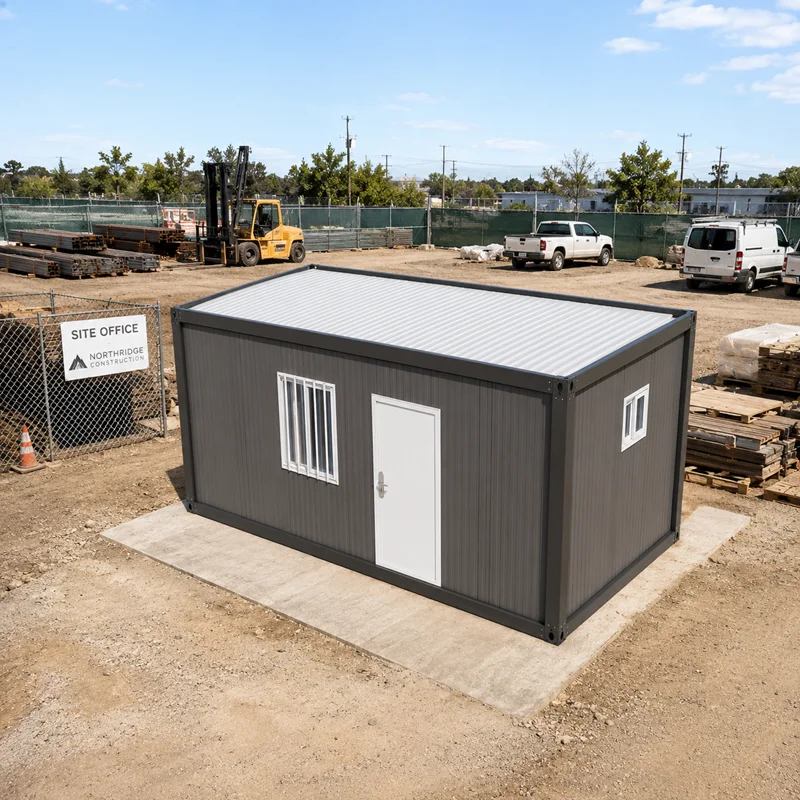
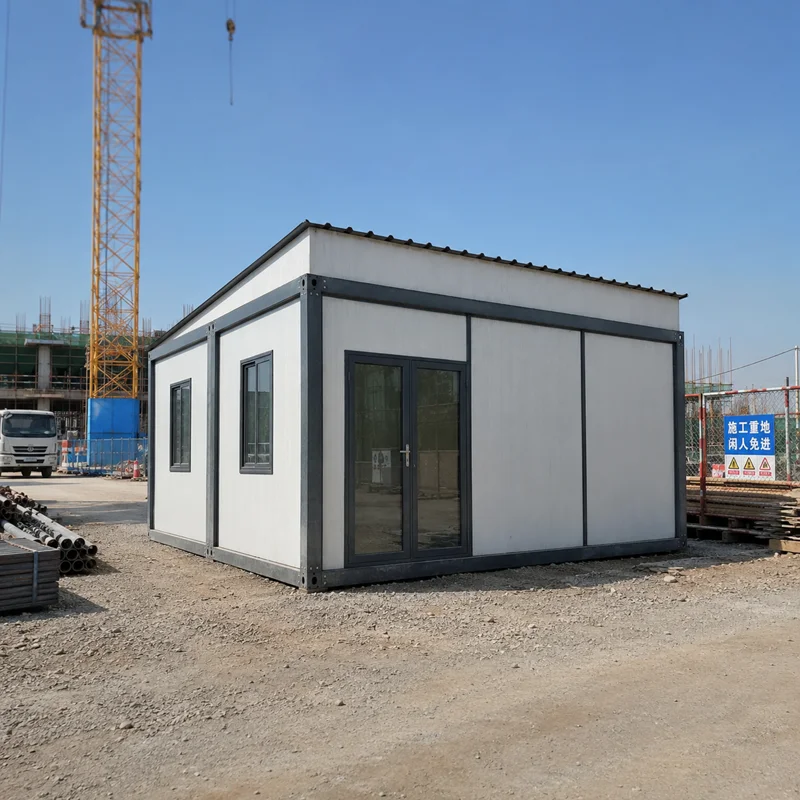
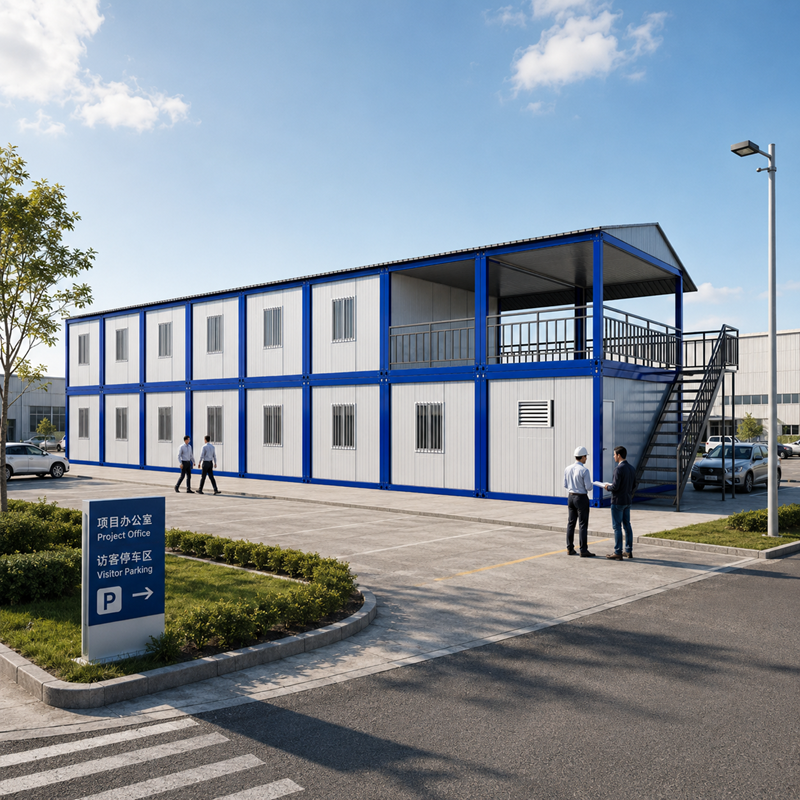
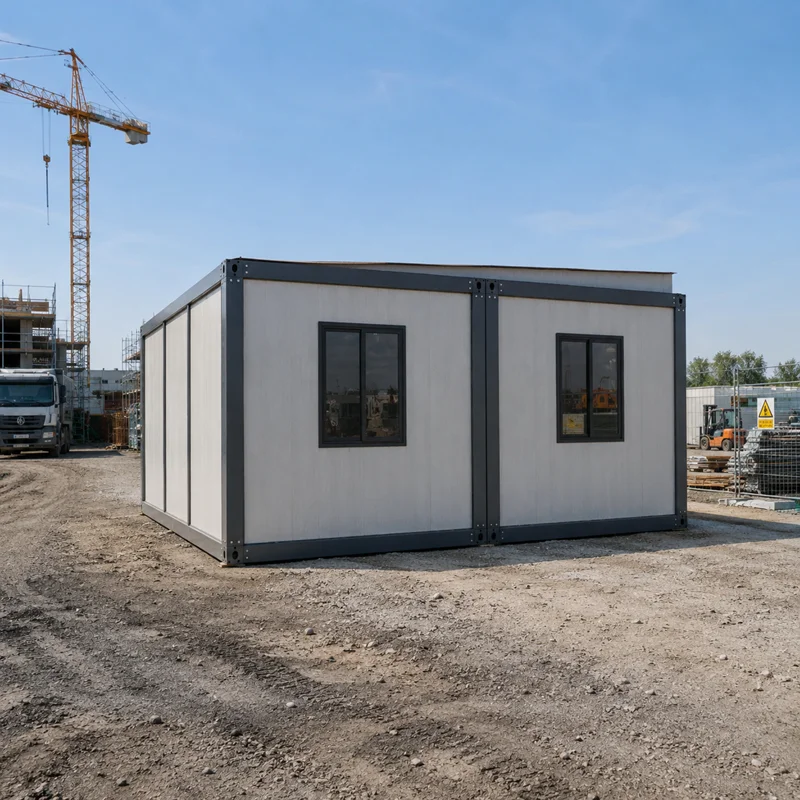
Construction Sites: Temporary offices for project management teams can be set up quickly on-site, providing essential workspace that can be easily relocated as projects progress.

Educational Institutions: Modular offices can serve as administrative spaces or classrooms, offering flexible solutions that adapt to changing enrollment needs.

Healthcare Facilities: Prefabricated offices are ideal for creating additional consultation rooms or administrative offices within existing healthcare environments, facilitating rapid expansion.

Commercial Offices: Businesses looking to expand their operations can utilize prefabricated structures as cost-effective, scalable office spaces that allow for quick occupancy.

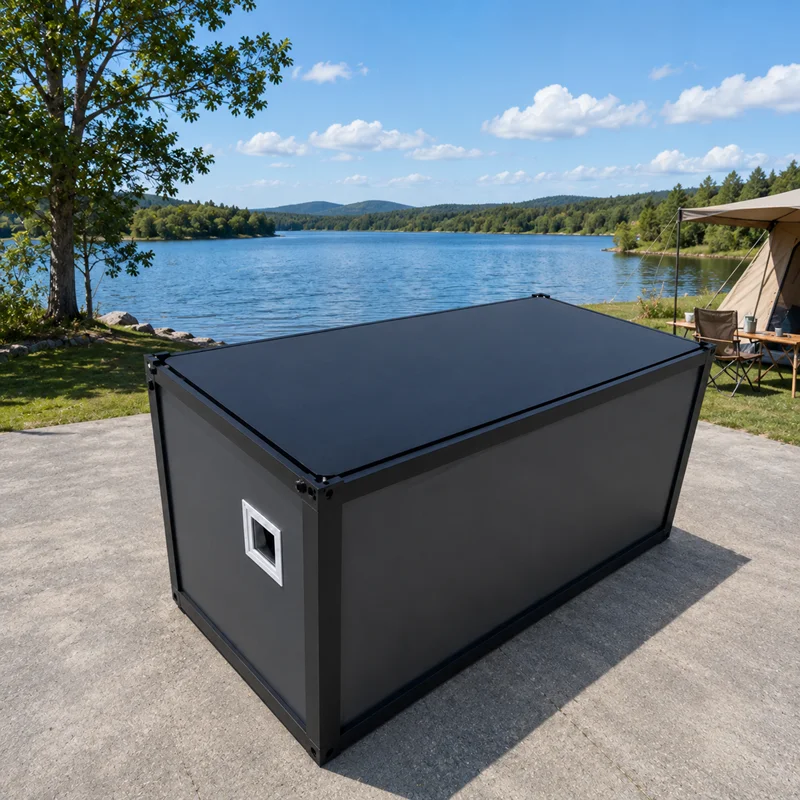
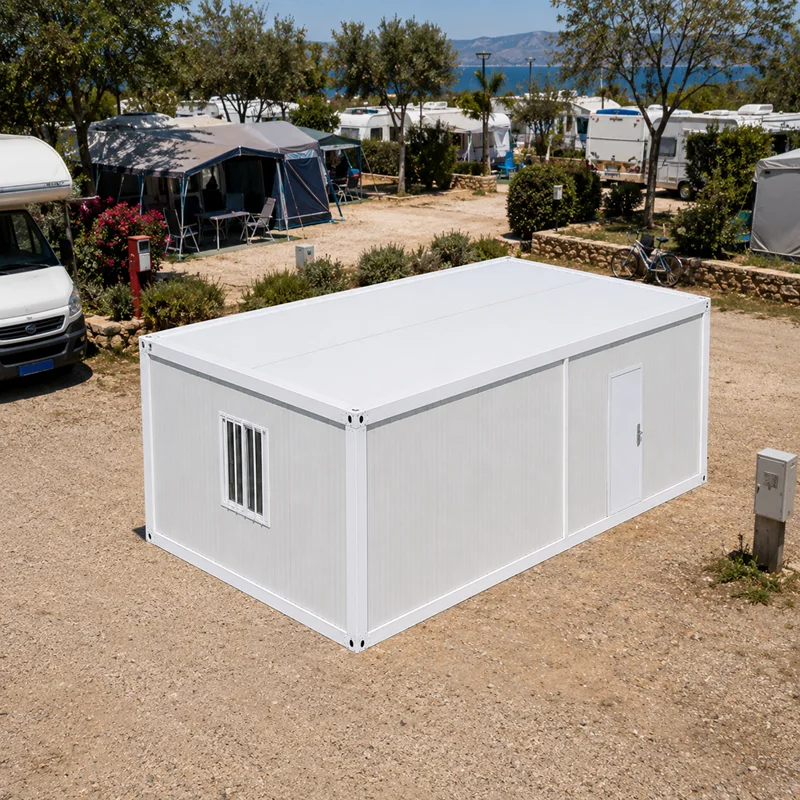
Remote Work Environments: As remote work becomes more prevalent, prefabricated offices can be deployed as dedicated workspaces in various locations, supporting the need for flexible working conditions.

By understanding these application scenarios, businesses can better conceptualize how prefabricated offices can meet their specific operational needs.

What to Consider When Choosing a Prefabricated Office Supplier

Selecting the right supplier for prefabricated offices is vital to ensure a successful project. Key factors to consider include:

Manufacturing Capabilities: Look for suppliers like Suzhou Dongji Integrated Housing Technology Co., Ltd., which produce their own wall panels and steel components. This vertical integration can lead to better quality control and faster turnaround times.

Customization Options: Ensure the supplier can tailor designs to meet specific needs, such as layout, size, and features. This flexibility is crucial for accommodating different business requirements.

Experience and Reputation: Research the supplier’s track record in delivering projects similar to yours. Established companies with a portfolio of successful projects are often more reliable.

Compliance and Certifications: Verify that the supplier adheres to relevant building codes and safety regulations. Certifications can indicate quality standards and reliability.

Support Services: A supplier that offers comprehensive support, from design consultation to installation assistance, can significantly reduce the complexity of your project. For instance, companies specializing in Shipping Container Design can provide valuable insights into efficient layout options.

By considering these factors, you can select a supplier that aligns with your project goals and ensures a smooth procurement process.

Our Blog Posts

Explore the Flexibility of Flat Pack Container Houses for Various Purposes

22

Mar

Explore the Flexibility of Flat Pack Container Houses for Various Purposes

It is so cool that flat pack container homes. They are good for a lot of things. You can use them as places to live and portable offices or shop pop-ups to sell goods. For example Dongji is a pretty popular brand that makes these flat pack containers...
View More
Why Detachable Flat Pack Houses Are the Best Choice for Portable Offices

22

Mar

Why Detachable Flat Pack Houses Are the Best Choice for Portable Offices

Flat pack houses are also an excellent option for these who need a portable office. These are some of the most unique building on the planet and they are fast becoming the most popular as they can be easily transported, carried, and set upon. This co...
View More
Minimalist Living At Its Best The Appeal Of Compact Container Houses

04

Jun

Minimalist Living At Its Best The Appeal Of Compact Container Houses

Minimalist Living At Its Best The Appeal Of Compact Container HousesThere are a lot of people who like the small container houses. These homes are tiny and fashionable, and give you everything you need without a lot of wasted space. They are the cust...
View More
Green Prefab Housing Solutions Aligned with LEED & BREEAM Standards

20

Jan

Green Prefab Housing Solutions Aligned with LEED & BREEAM Standards

We really need houses that are nice to the Earth. At Dongji, we strive to design houses that are good looking and good for the planet. Not to mention, green prefab homes are sustainable because they are built at a factory (less waste, faster build ti...
View More

Get a Free Quote

Our representative will contact you soon.
Email
Tel or WhatsApp
Name
Company Name
House Quantity
Message
0/1000

Related product categories

+86-14751167265
Choosing the Right Prefabricated Office Supplier
[email protected]

Get a Free Quote

Tell us what you plan to build. Our team will review your requirements and recommend a suitable prefabricated housing solution. We usually reply within one business day.
Name
Email
Tel/WhatsApp
Company Name
House Quantity
Message
0/1000