EN


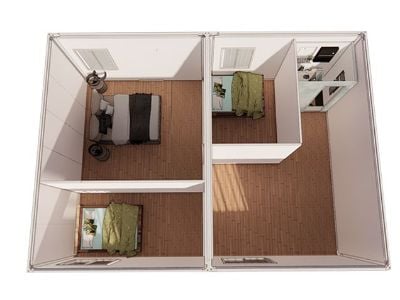
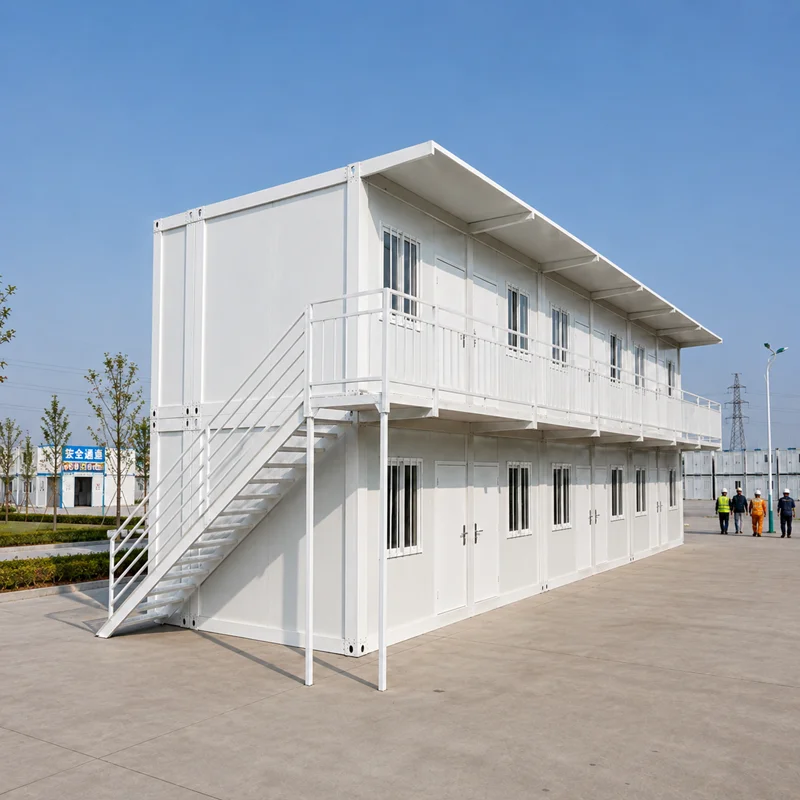
Prefabricated modular offices, or prefab modular offices, are innovative structures that provide a flexible and efficient solution for businesses seeking quick and cost-effective workspace solutions. B2B buyers, such as purchasing managers, project managers, and facility planners, often prioritize quality, installation ease, and potential issues that may arise during and after construction. This article will help you navigate these concerns by offering insights into evaluating quality, installation guidance, common problems with prefab modular offices, essential considerations, and key features and benefits.

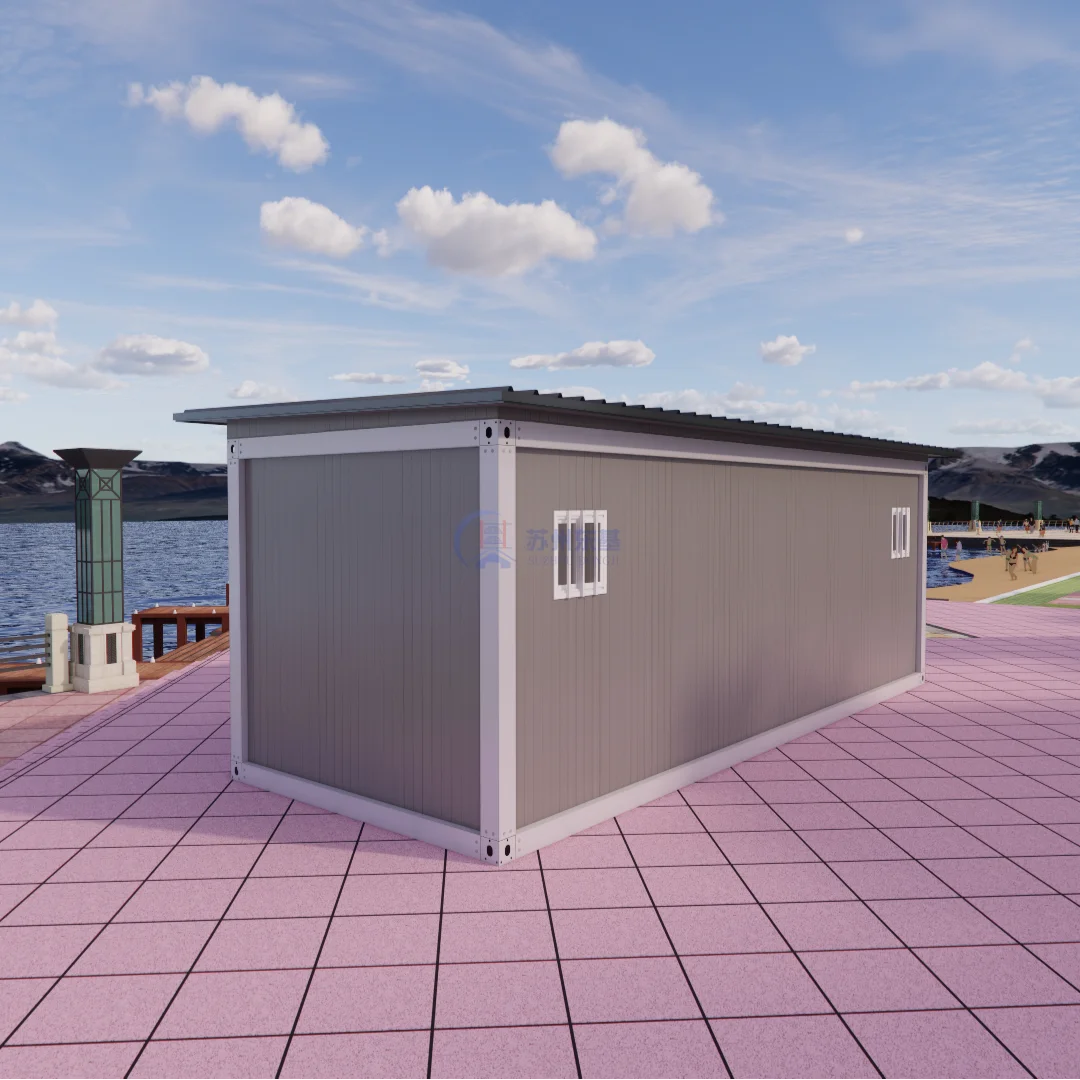
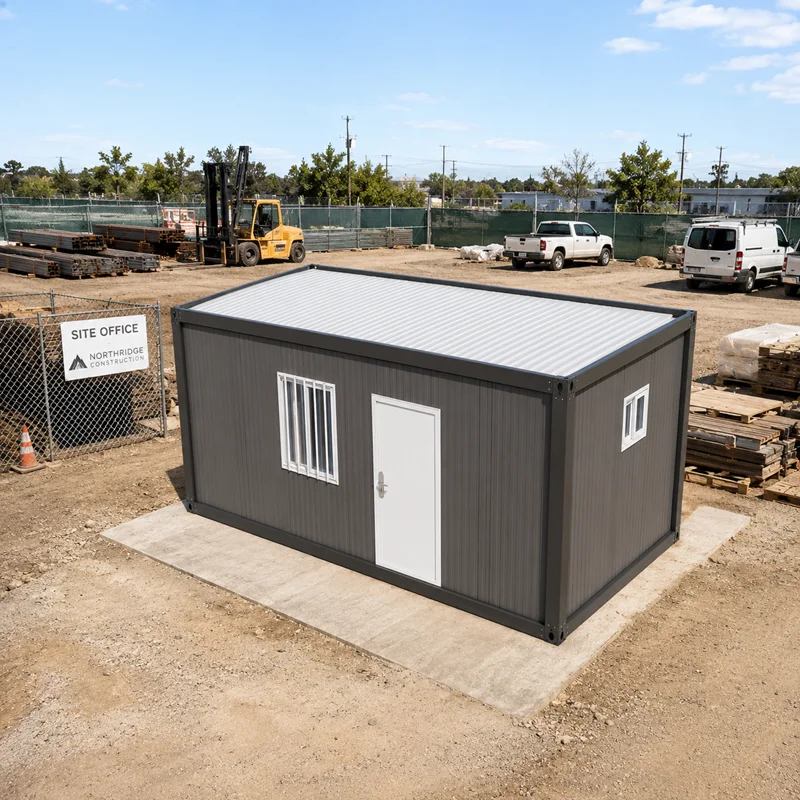
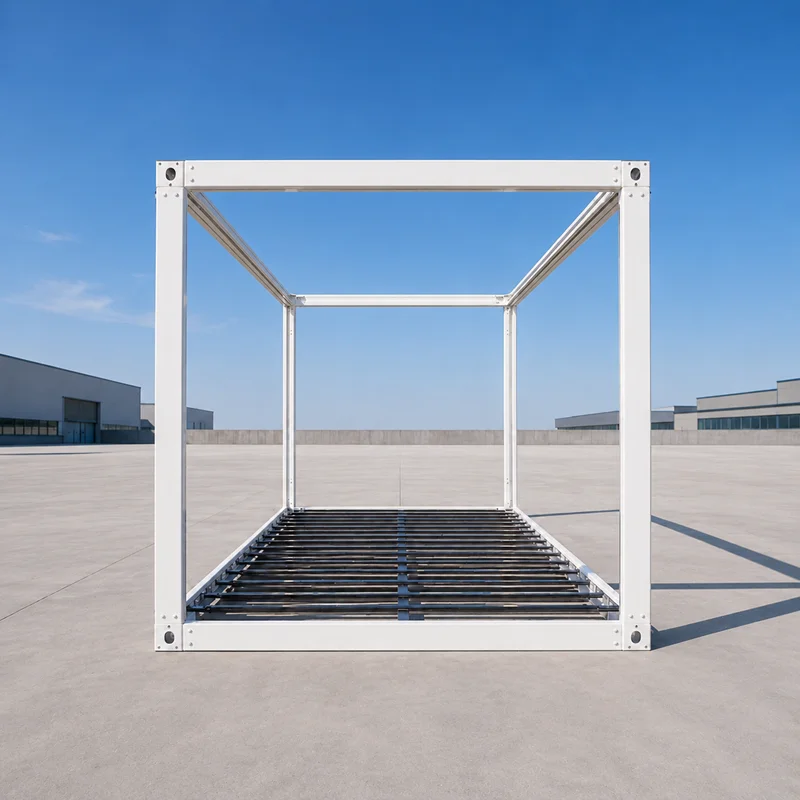
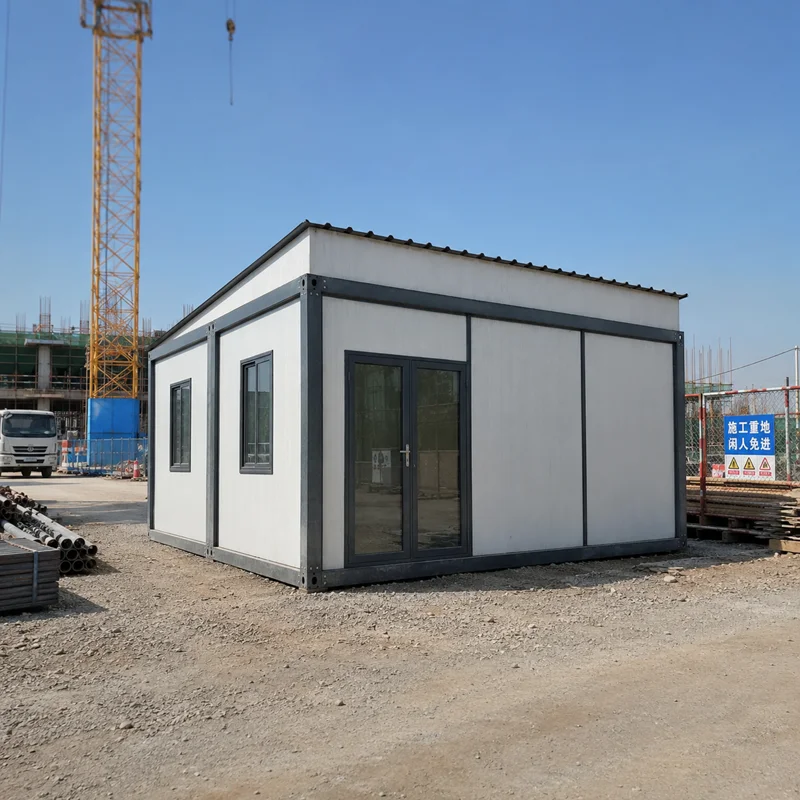

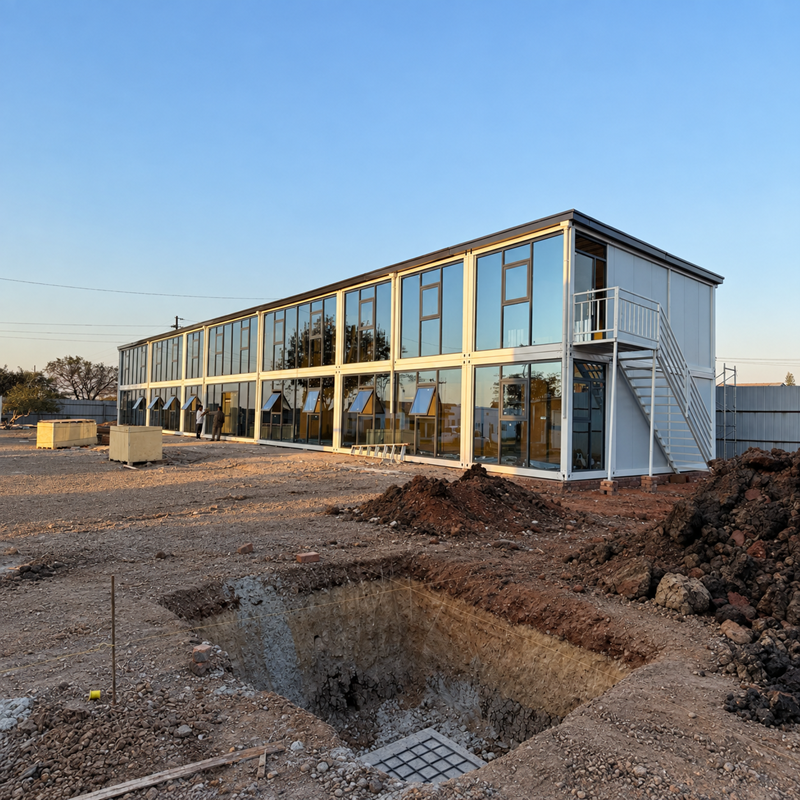
Installation Guidance for Your Prefab Modular Office Solution
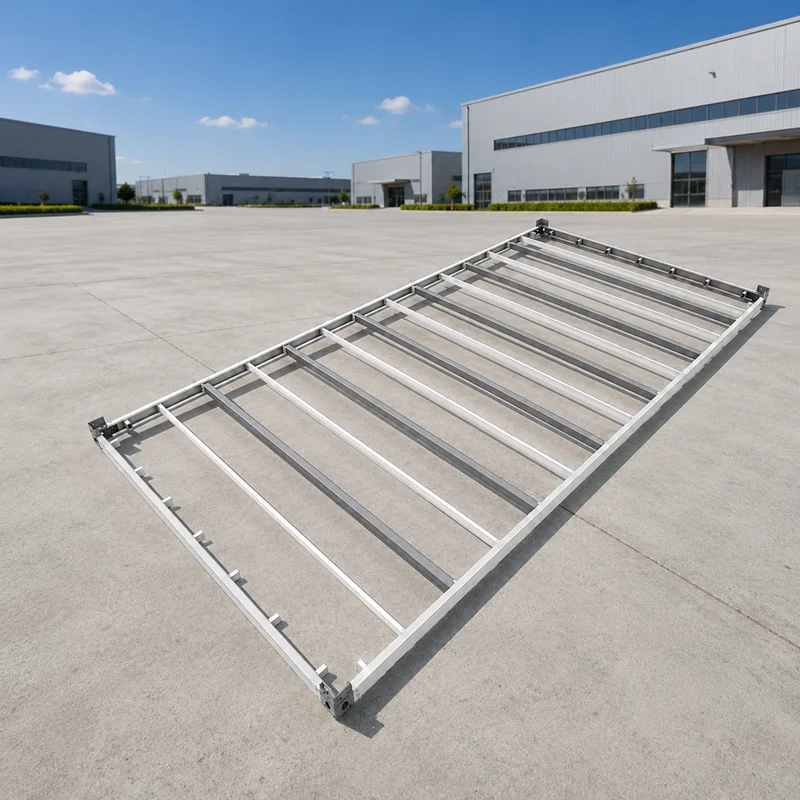
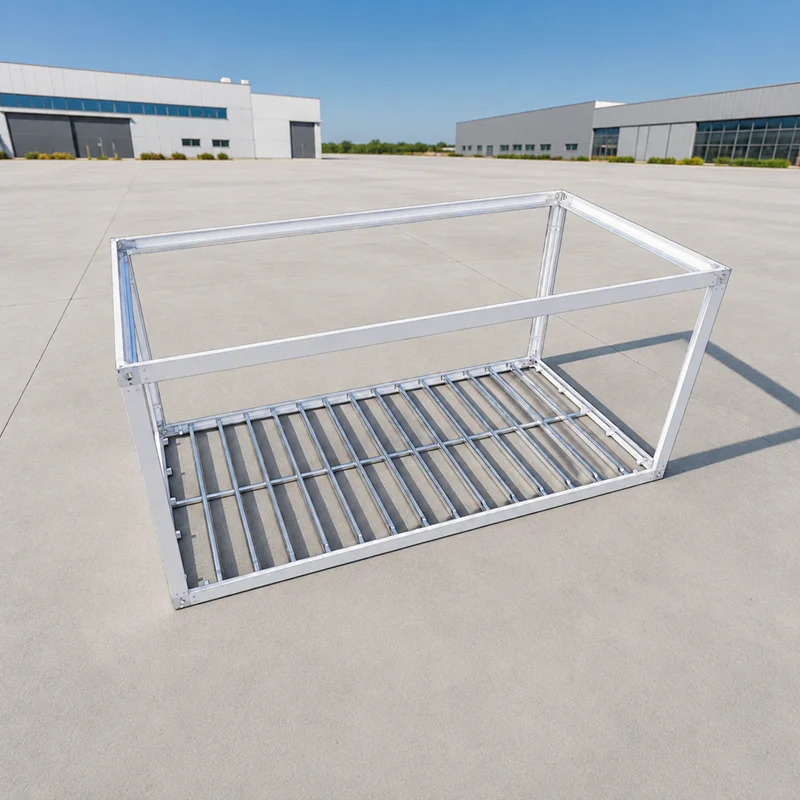
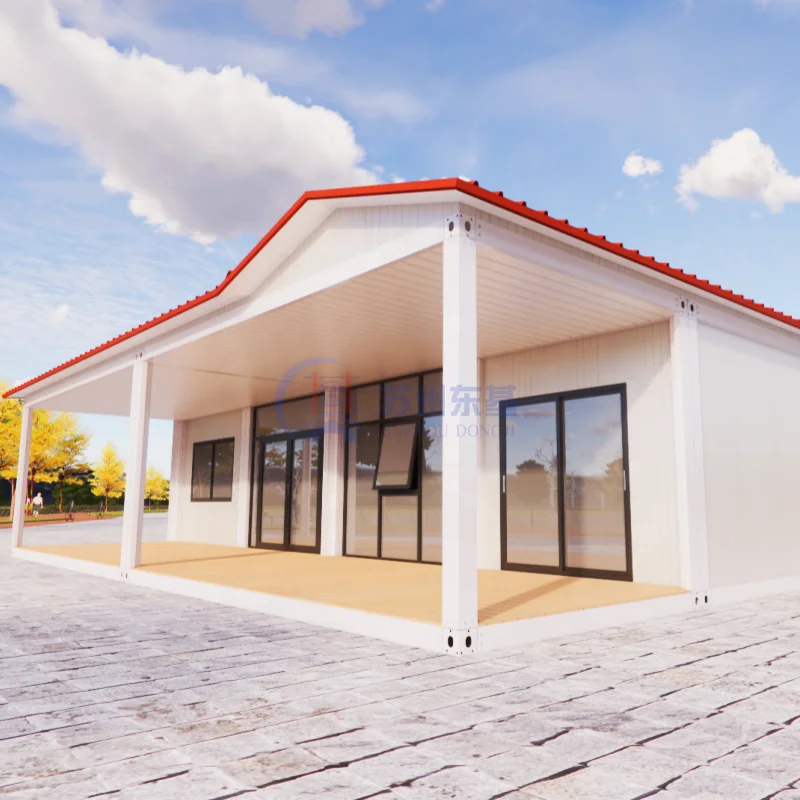
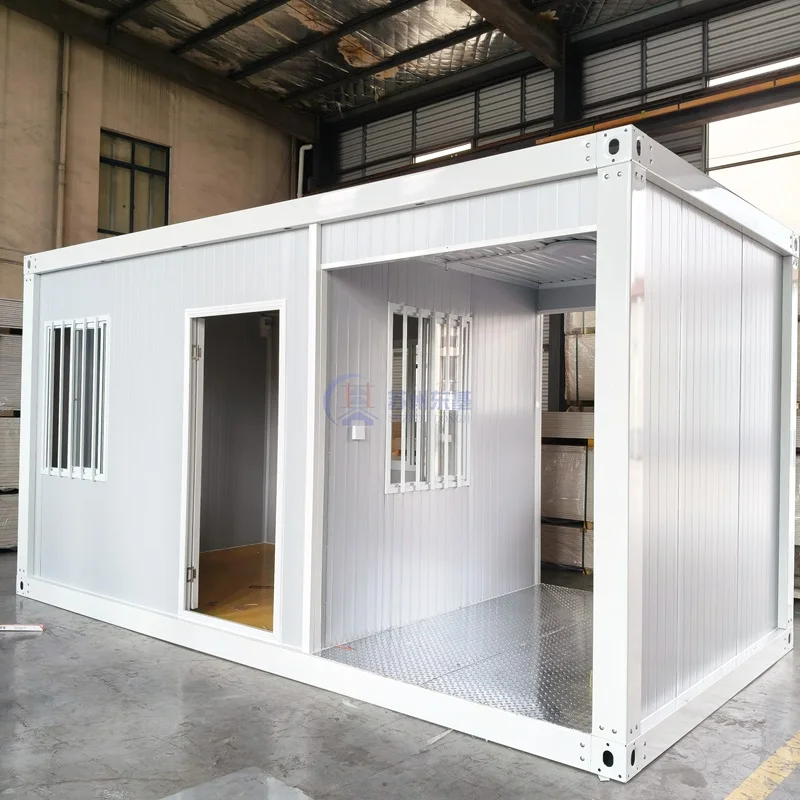
Installing a prefab modular office requires careful planning and adherence to specific guidelines. First, ensure that the site where the office will be installed is properly prepared. This includes evaluating the ground condition, ensuring accessibility for delivery, and confirming that necessary permits are in place.
During installation, follow the manufacturer's instructions closely. This usually involves assembling the modular components on-site, which can significantly reduce overall construction time. It’s advisable to have a team of experienced professionals handle the installation, as they will be equipped to deal with any unforeseen issues that may arise.
Additionally, consider the integration of utilities such as electrical, plumbing, and HVAC systems. Early coordination with local utility providers can help streamline this process. Ensure that all systems comply with local building codes and safety regulations.