EN


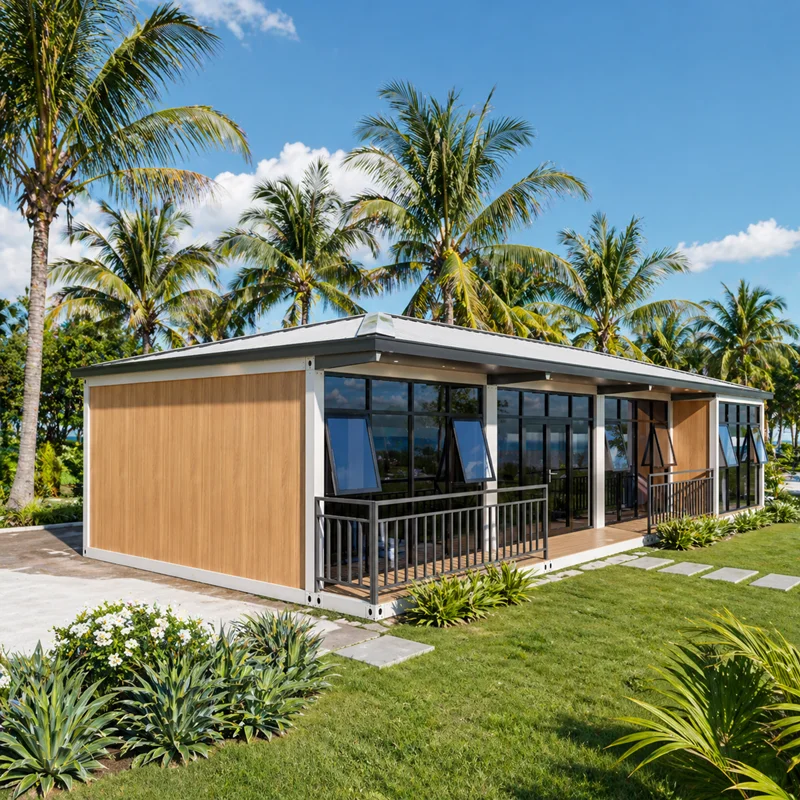
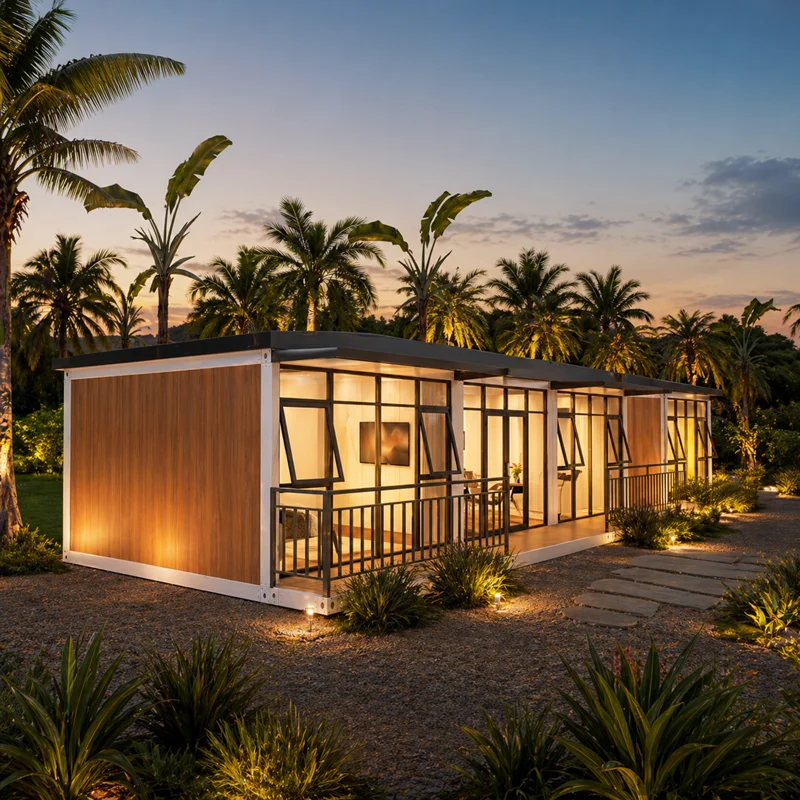
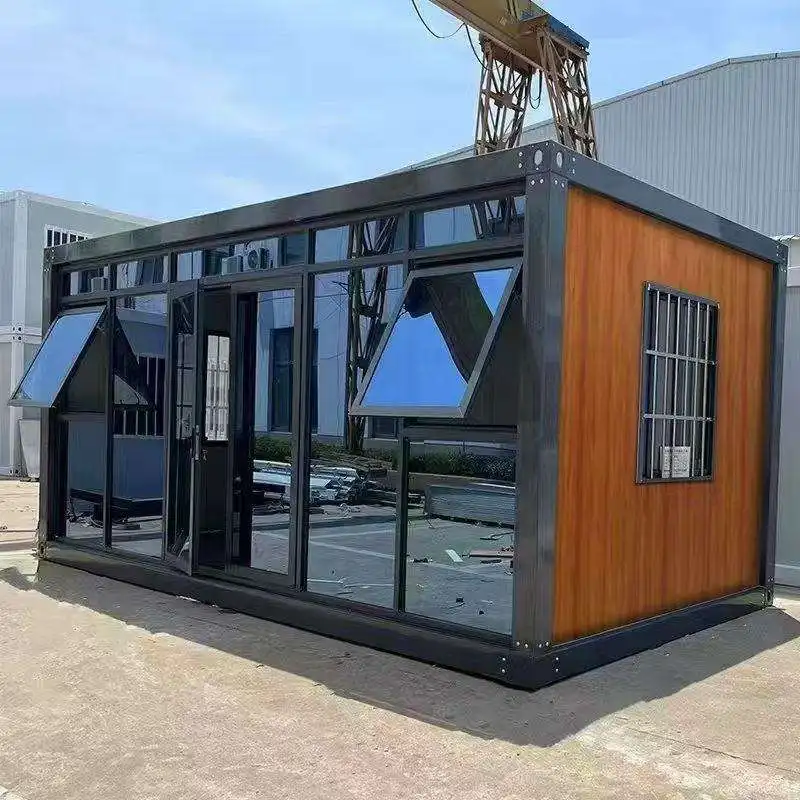
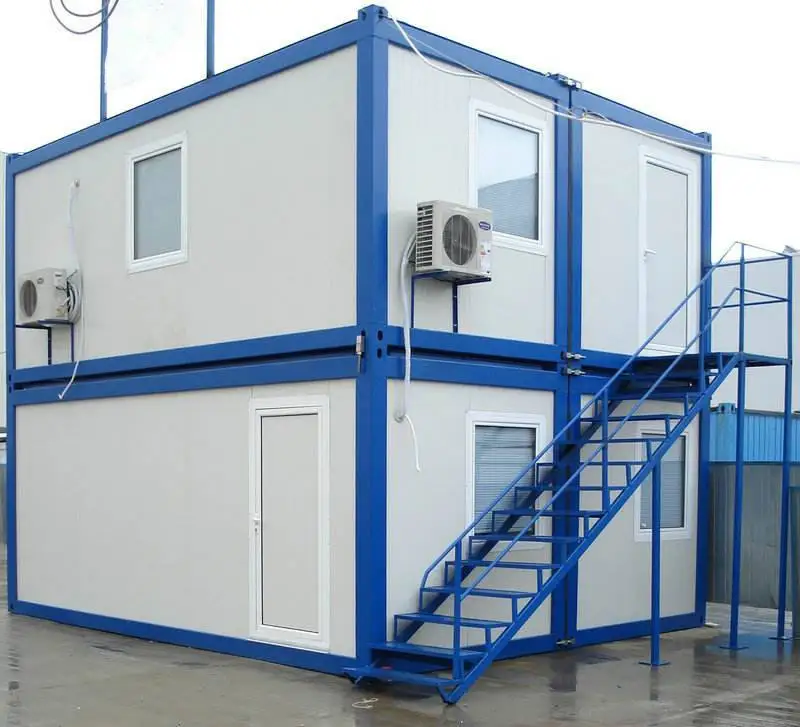
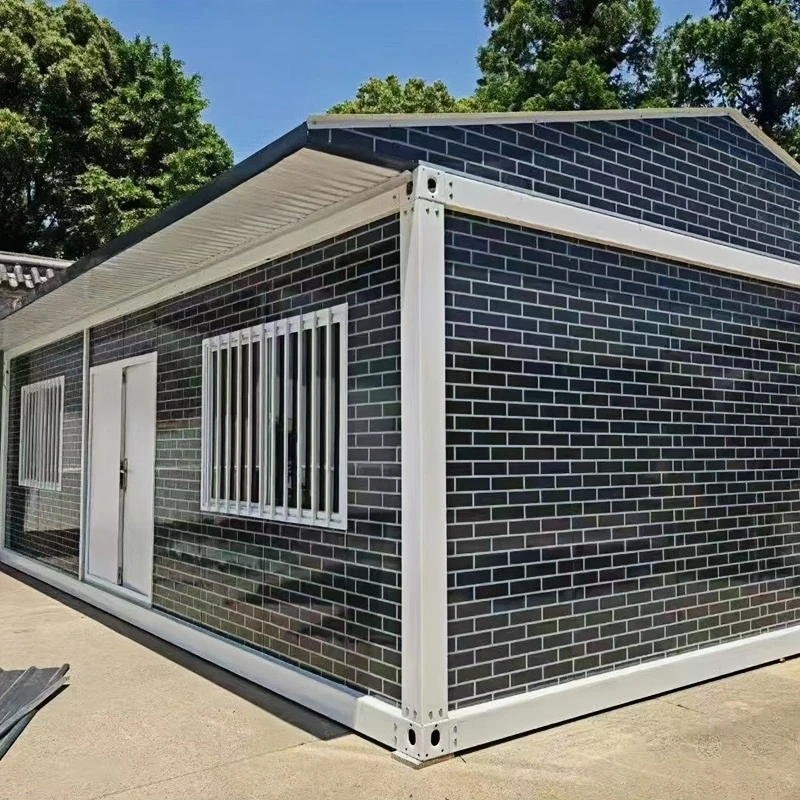
The 20ft office container has emerged as a versatile solution for businesses seeking temporary or permanent workspace solutions. These portable structures are ideal for a range of applications, from construction sites to remote offices. As a B2B buyer, understanding the specifications, cost factors, and best uses of these containers is crucial for making informed purchasing decisions. This article will provide insights into the key features of 20ft office containers, cost considerations for bulk orders, suitable applications across various industries, common challenges, and reliable suppliers.

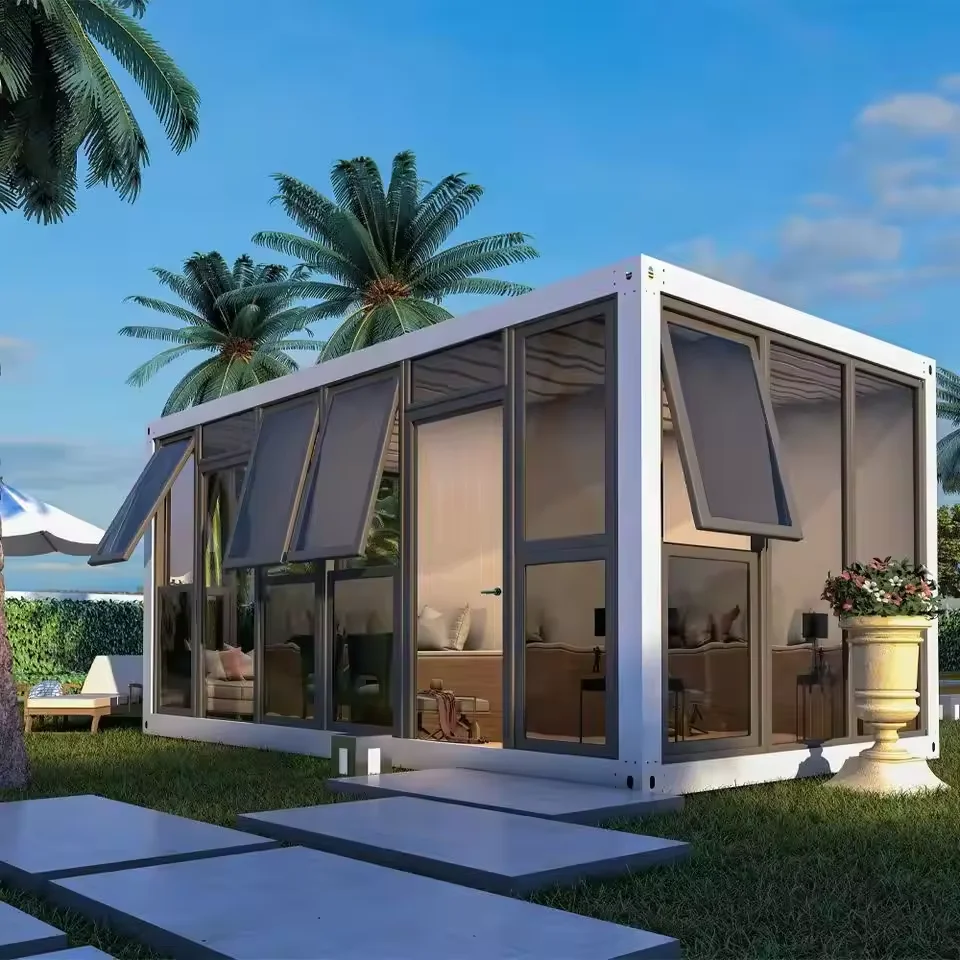
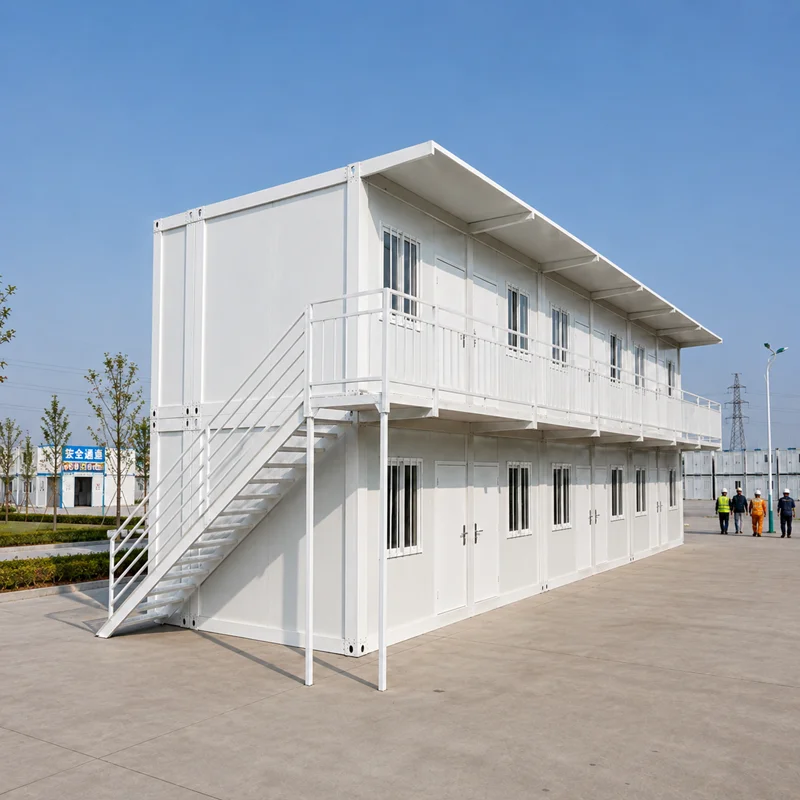
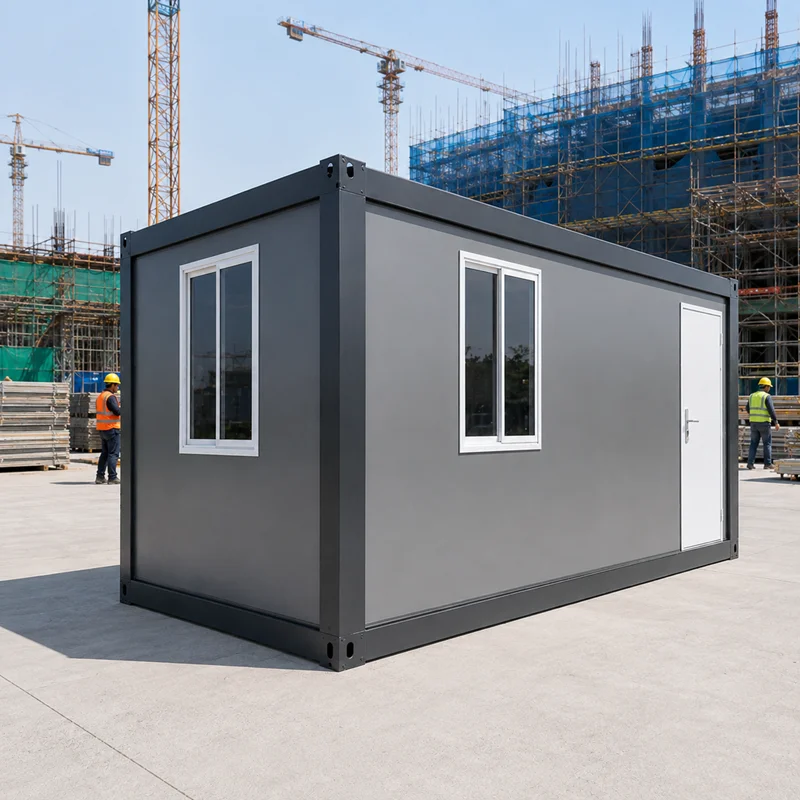
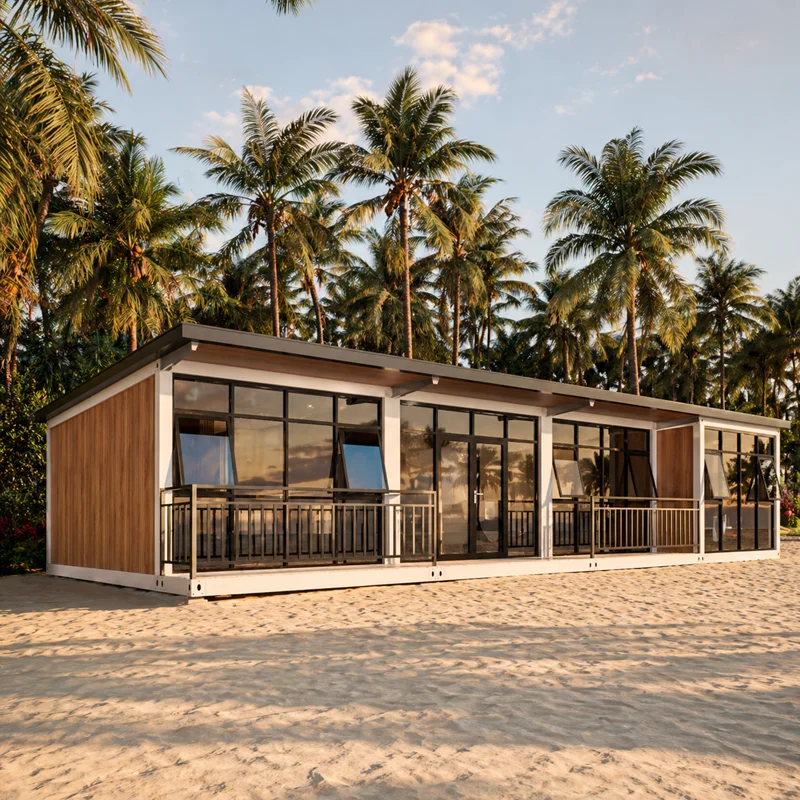

Cost Factors for Bulk Orders of 20ft Office Containers Explained
When considering bulk purchases of 20ft office containers, several cost factors come into play:
Material Costs: The price of raw materials, particularly steel, can fluctuate based on market conditions. A stable supply chain and local sourcing can help mitigate these costs.
Customization Requests: Custom features, such as enhanced insulation, specialized electrical setups, or bespoke layouts, can significantly increase the unit price. Buyers should clearly define their requirements to receive accurate quotes.
Shipping and Logistics: Shipping costs can vary based on the distance from the manufacturer to the delivery site. Bulk orders may benefit from reduced shipping costs per unit, but logistics planning is essential to avoid delays.
Lead Time and Production Capacity: Manufacturers with high production capacities, like Suzhou Dongji Integrated Housing Technology Co., Ltd., can offer quicker turnaround times for bulk orders. Buyers should inquire about production schedules to align with project timelines.
Minimum Order Quantities (MOQ): Some suppliers may have minimum order quantities, which can impact overall pricing. Understanding the MOQ can help buyers plan their purchases more effectively.
By assessing these factors, buyers can better estimate the total cost of ownership for their office container projects.