EN


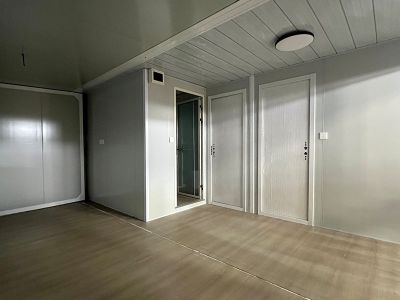
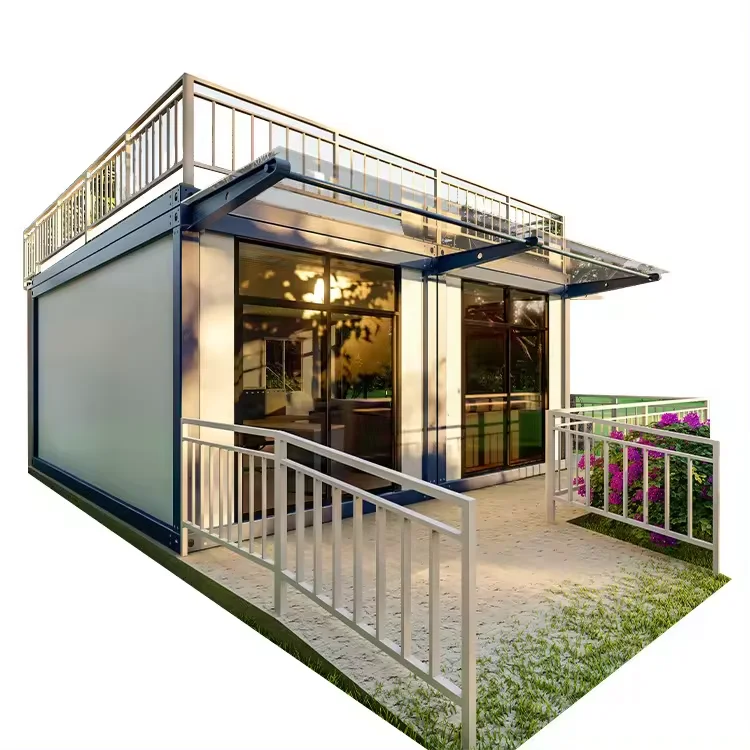
Storage container offices are versatile, portable structures designed to meet temporary and permanent workspace needs across various industries. As businesses look for efficient, cost-effective solutions, understanding the key specifications, costs, challenges, and advantages of storage container offices becomes essential. This article will guide purchasing managers and project planners through critical considerations, ensuring informed decisions that align with operational requirements and budget constraints.
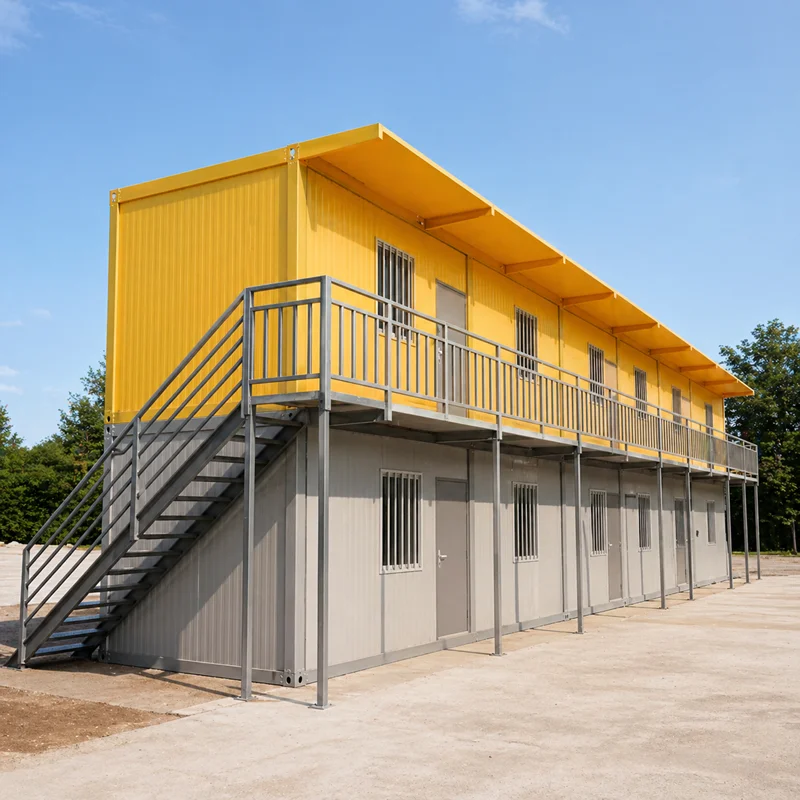
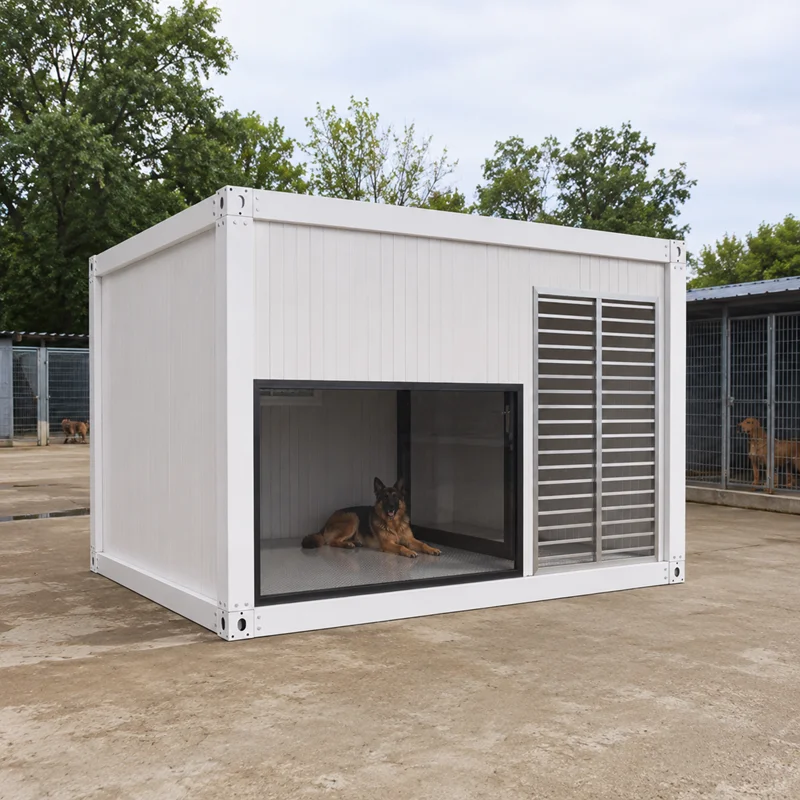


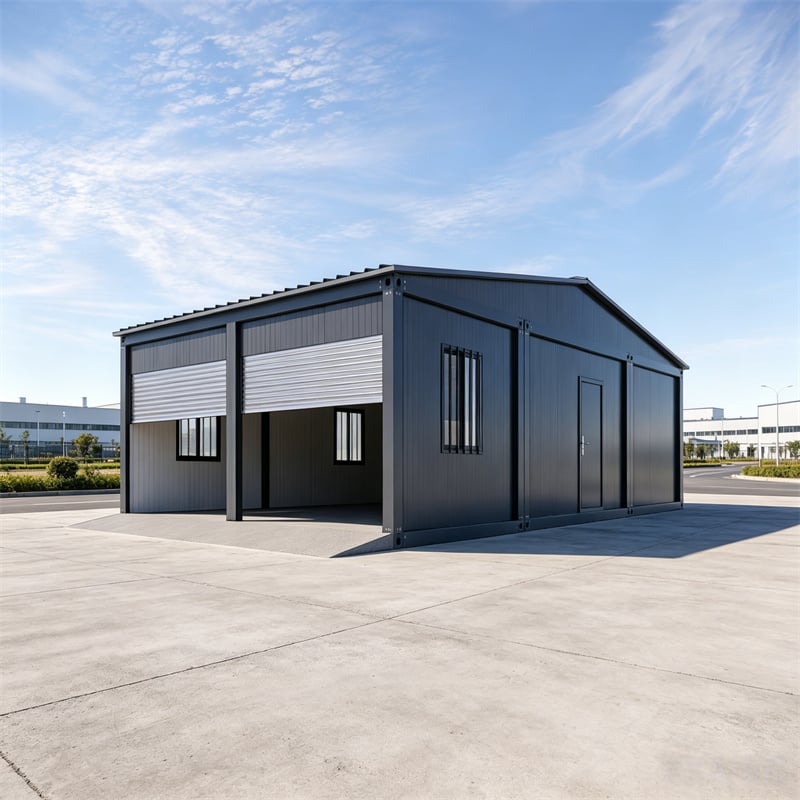
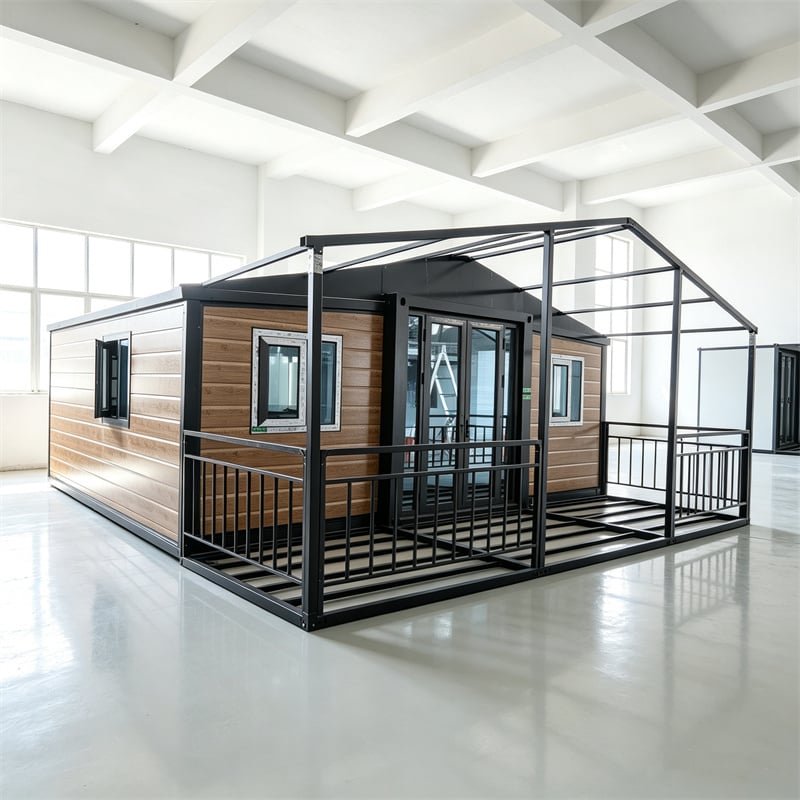
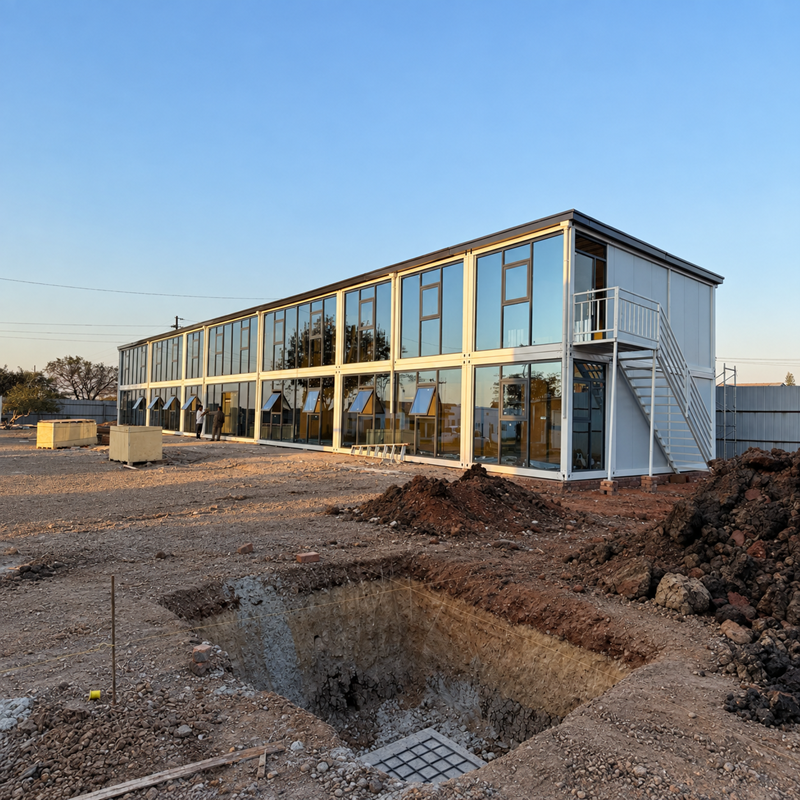
How to Evaluate the Cost of Storage Container Offices for Your Projec
Evaluating the cost of storage container offices involves several factors:
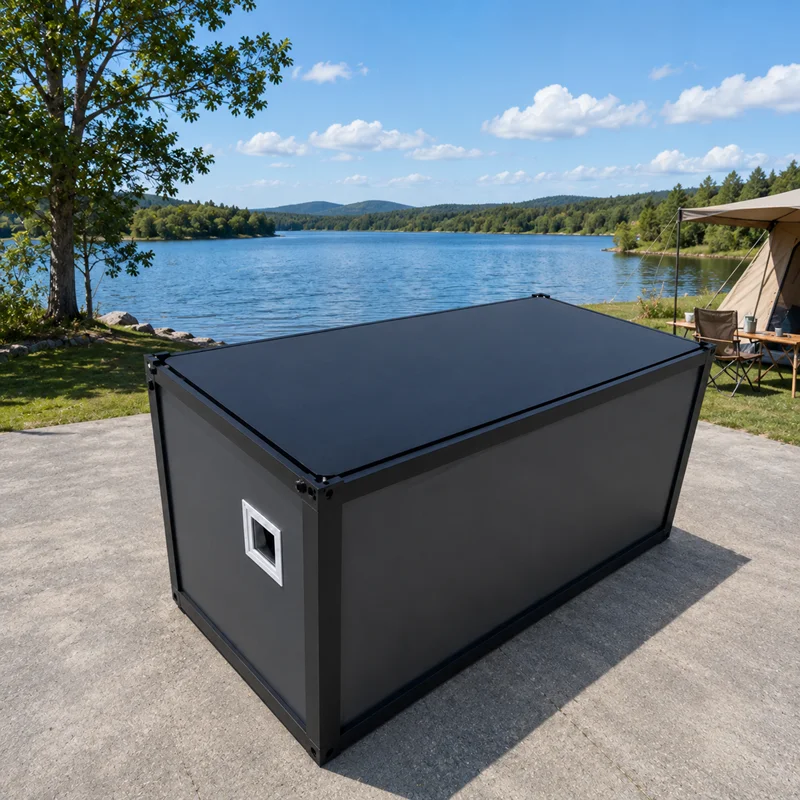
Base Price: The initial cost typically varies depending on size and features. Standard containers may start at a lower price point, while customized options with advanced features will increase the overall cost.
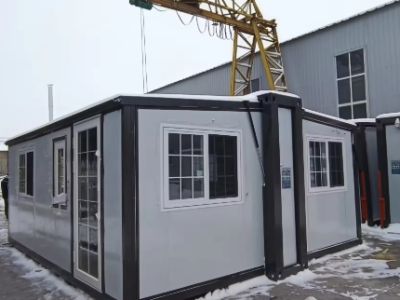
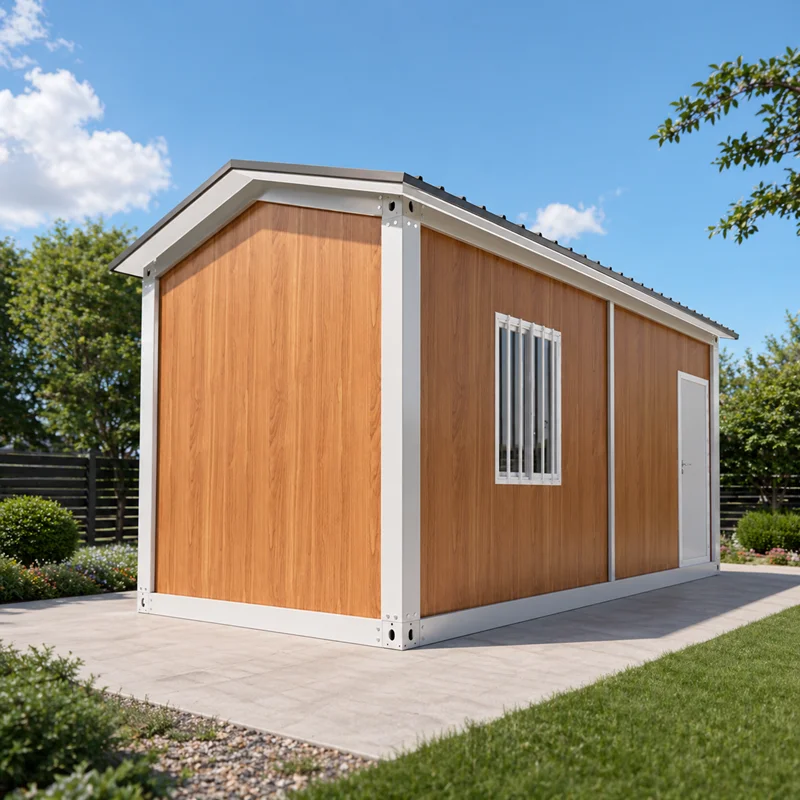
Customization Costs: Consider expenses for any modifications, such as additional windows, partition walls, plumbing, or electrical installations. Customization can significantly impact the total budget. For instance, the Wholesale 20-Foot Expandable Container House offers various customization options.
Transport and Installation: Freight costs should be factored in, particularly if the container is shipped over long distances. Installation costs may also vary based on site preparation and setup requirements.
Maintenance and Operation: Long-term costs, including maintenance, energy consumption, and potential repairs, should be included in your evaluation. Containers with higher quality insulation might offer savings in heating and cooling costs.
Lead Time: Delays in production or shipping can affect project budgets, especially if you are working against a tight timeline. Always confirm production timelines with the supplier.
By breaking down these cost components, buyers can create a comprehensive budget that reflects the true investment required for storage container offices.