EN


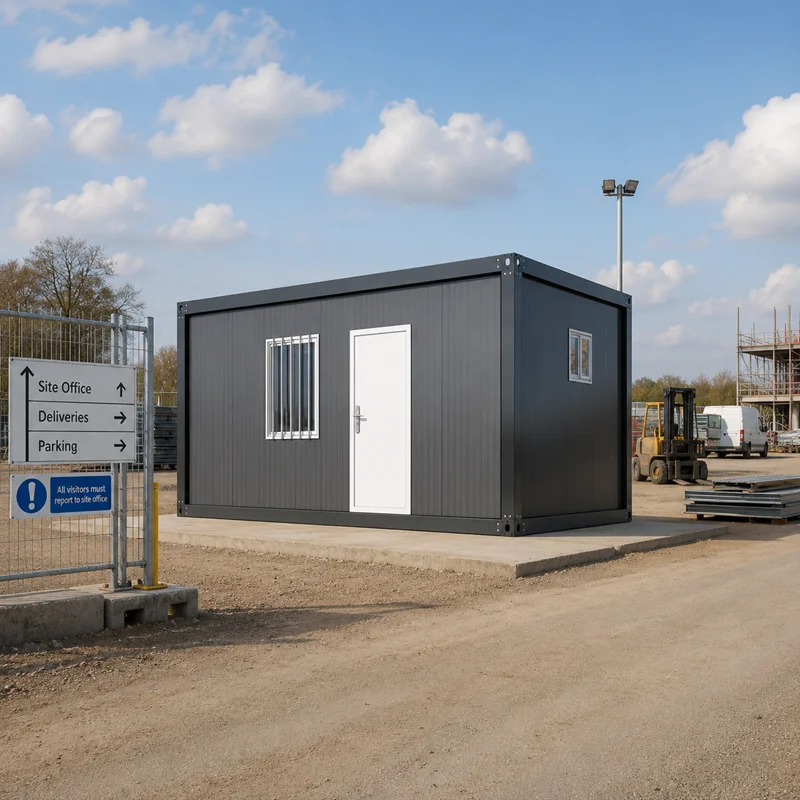
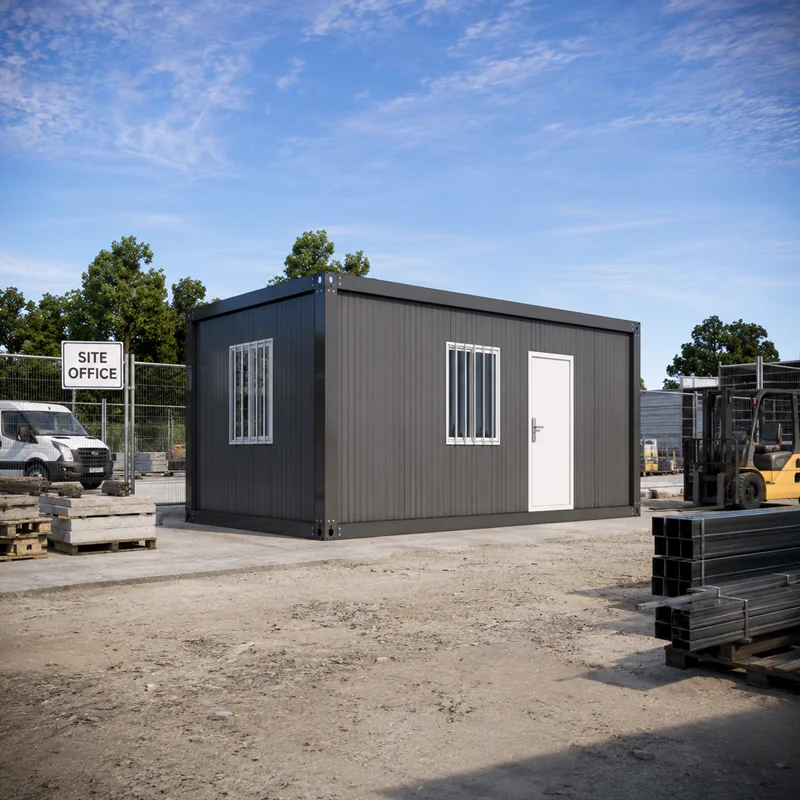
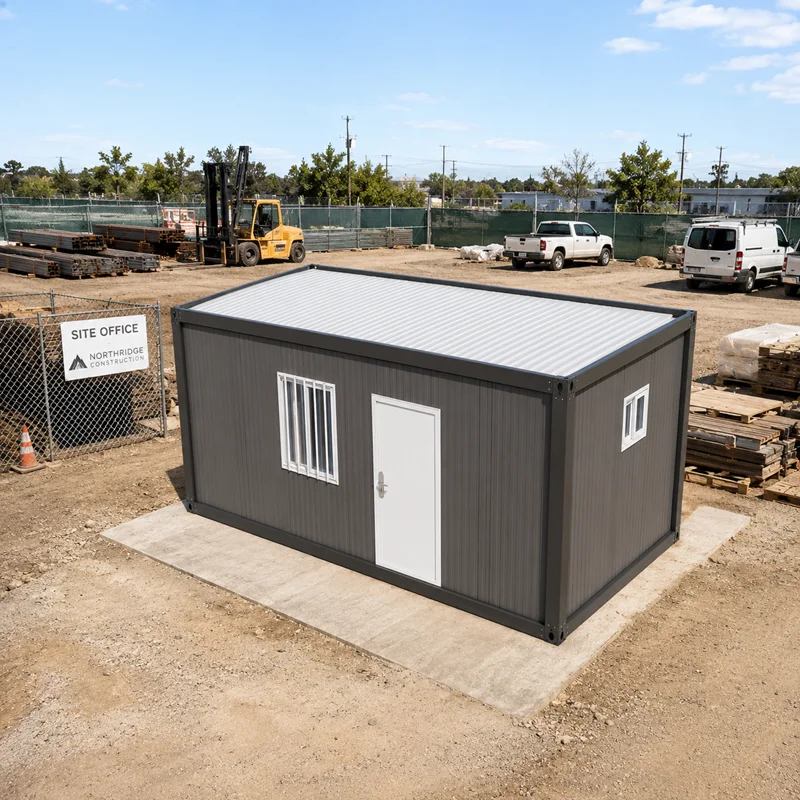
When considering a site office container, it's essential to understand its various applications and how they can meet your specific project requirements. Site office containers serve as mobile workspaces that can be adapted for different environments, from construction sites to temporary project offices. Buyers often face concerns regarding space, cost, delivery timelines, and customization options. This article will help you navigate the selection process, key specifications, cost considerations, installation tips, and diverse applications of office containers in various industries.



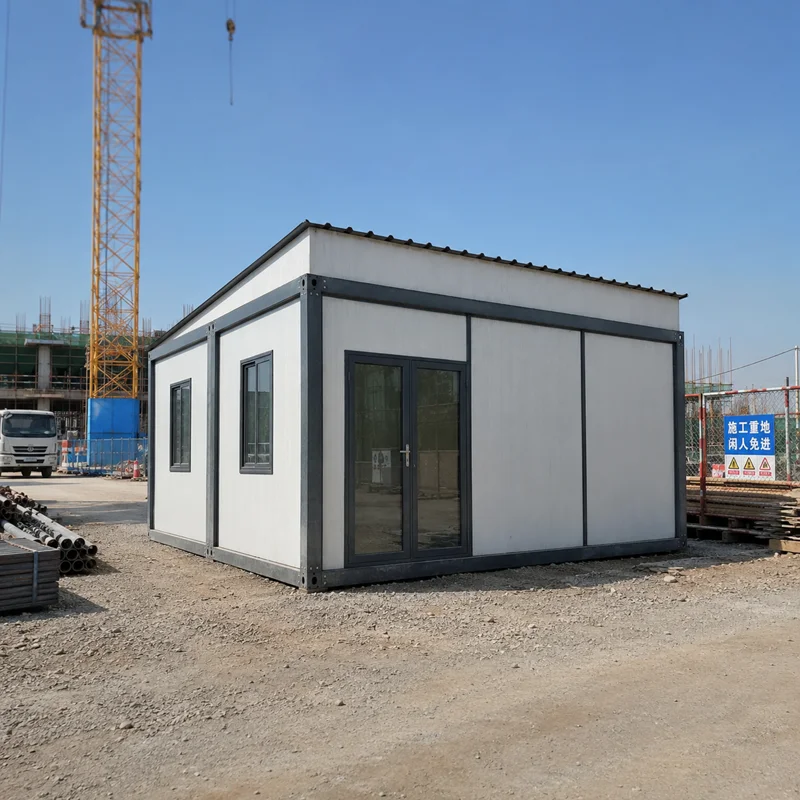
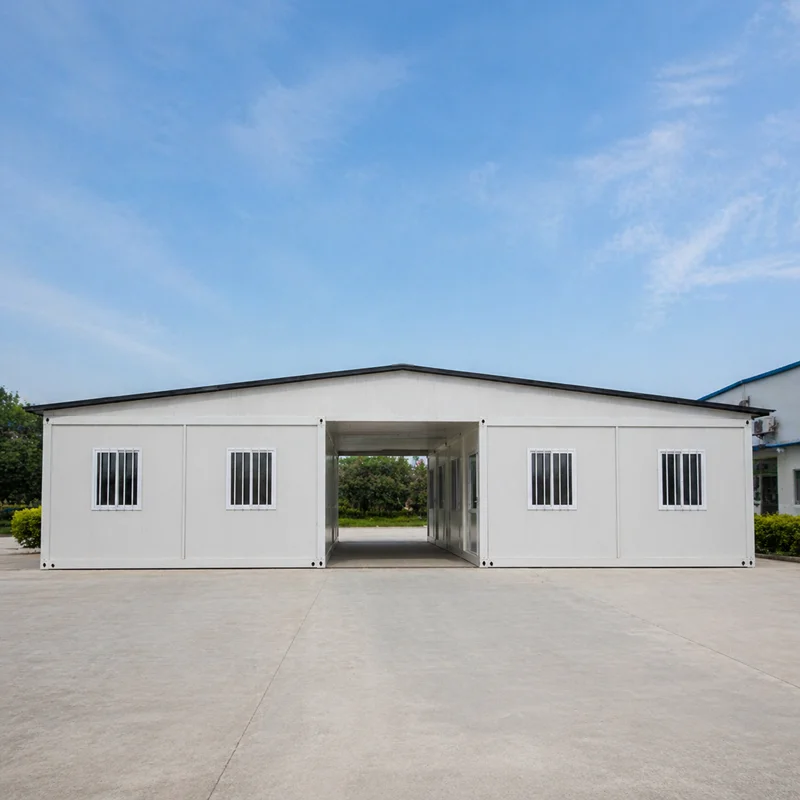
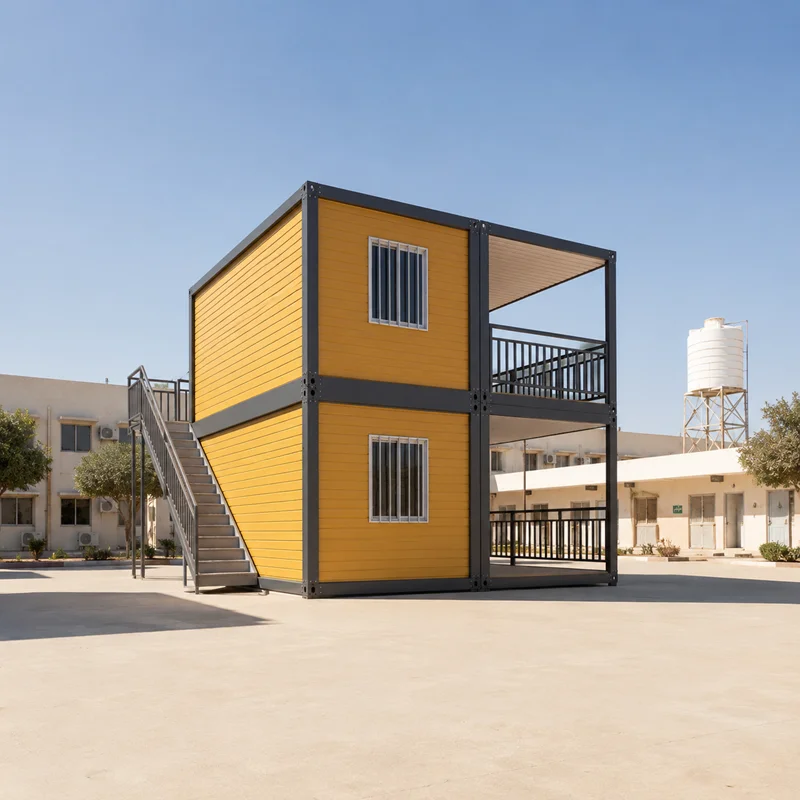
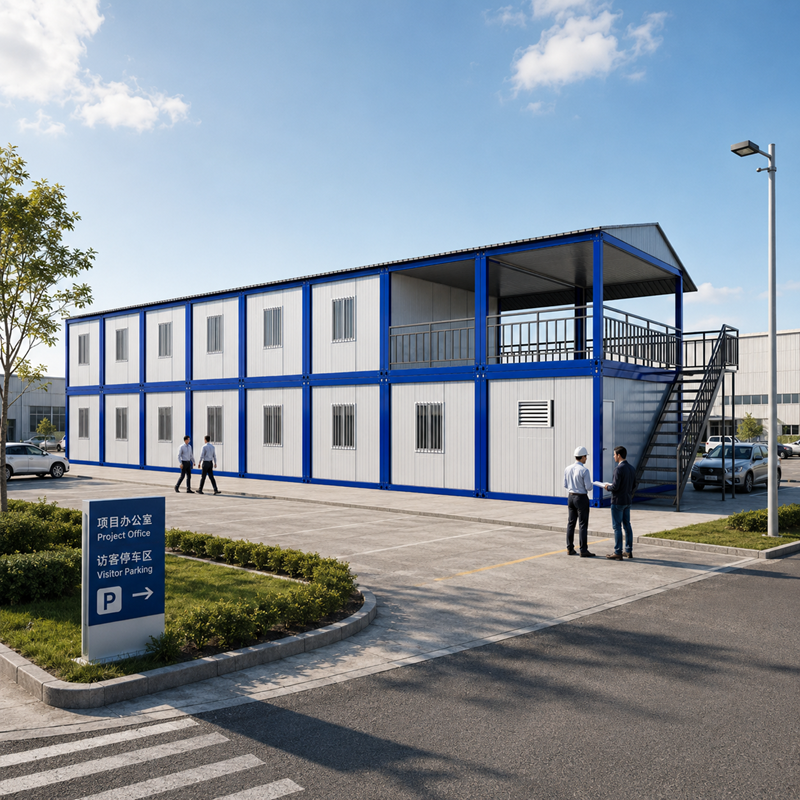
Key Specifications to Compare When Sourcing Office Containers
When sourcing office containers, several specifications should be compared to ensure you select the right product. Key specifications include:
Dimensions: Ensure the container fits within the designated space while allowing for adequate working conditions. Standard sizes vary, but custom dimensions are often available.
Material: The structural integrity of the container is crucial. Look for containers made from high-quality steel or composite materials that can withstand various environmental conditions.
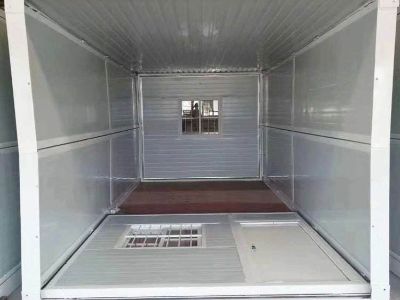
Insulation and Climate Control: Depending on your location, insulation may be essential for temperature control. Evaluate the insulation properties to ensure comfort and energy efficiency.
Ventilation and Electrical Systems: Adequate ventilation is necessary for a comfortable working environment. Check if the container has pre-installed ventilation systems or the ability to accommodate air conditioning units and electrical outlets.
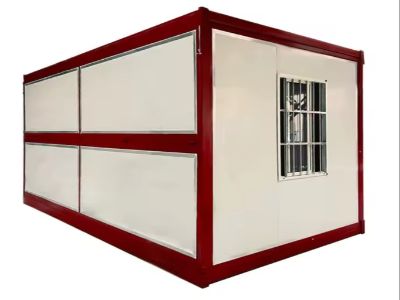
Customization Options: Understand what modifications can be made, from layout changes to the addition of windows and doors. This can significantly enhance functionality.
By comparing these specifications, buyers can ensure they procure a container that meets their operational demands while providing a safe and comfortable working environment.