EN


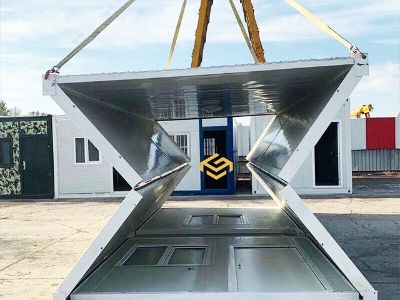
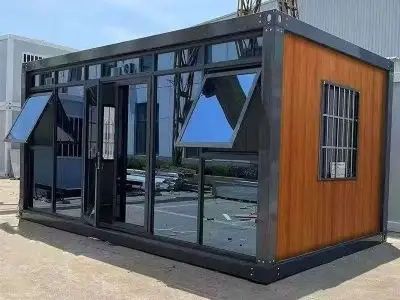
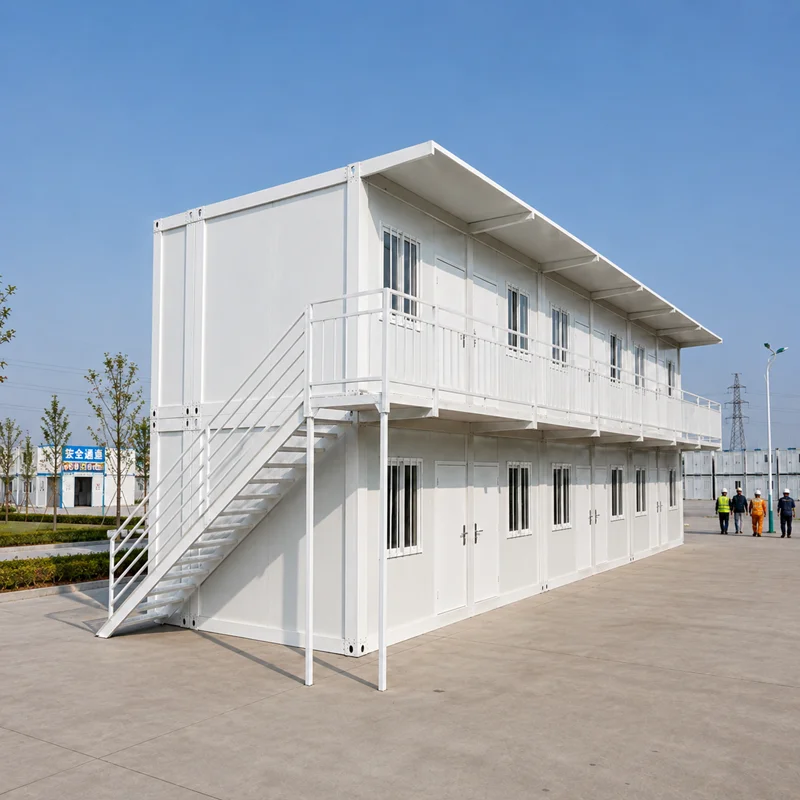
Cargo container homes are innovative, sustainable housing solutions made from repurposed shipping containers. As the demand for affordable and flexible living spaces rises, these modular homes offer a unique alternative for various container home applications, from residential to commercial uses. Buyers looking for cargo container homes typically have concerns about specifications, container home installation processes, potential problems, and the advantages these structures provide. This article will address these key aspects, enabling purchasing managers, distributors, and engineers to make informed decisions when sourcing cargo container home.
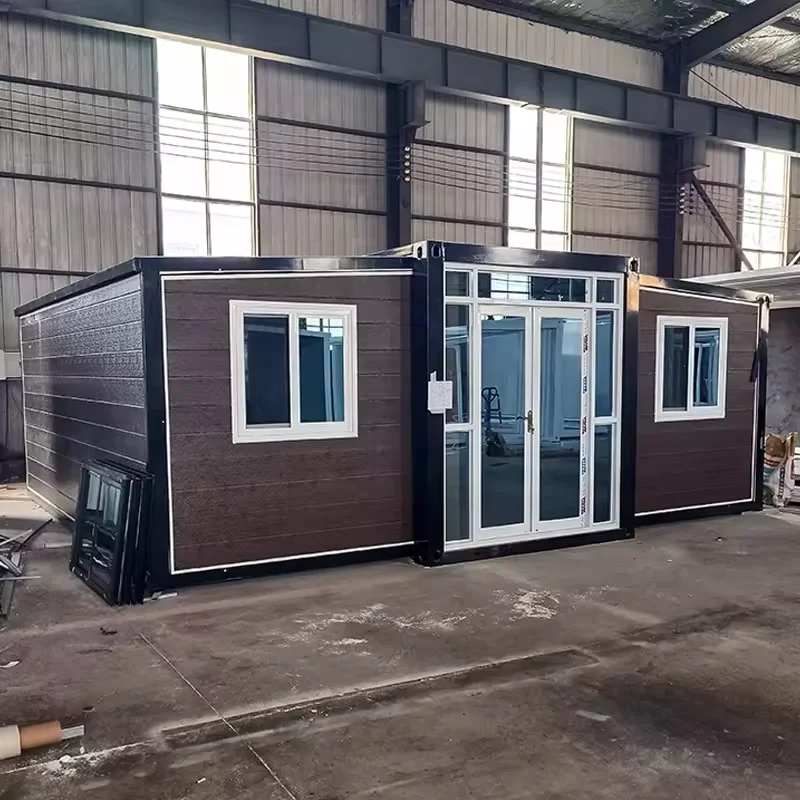
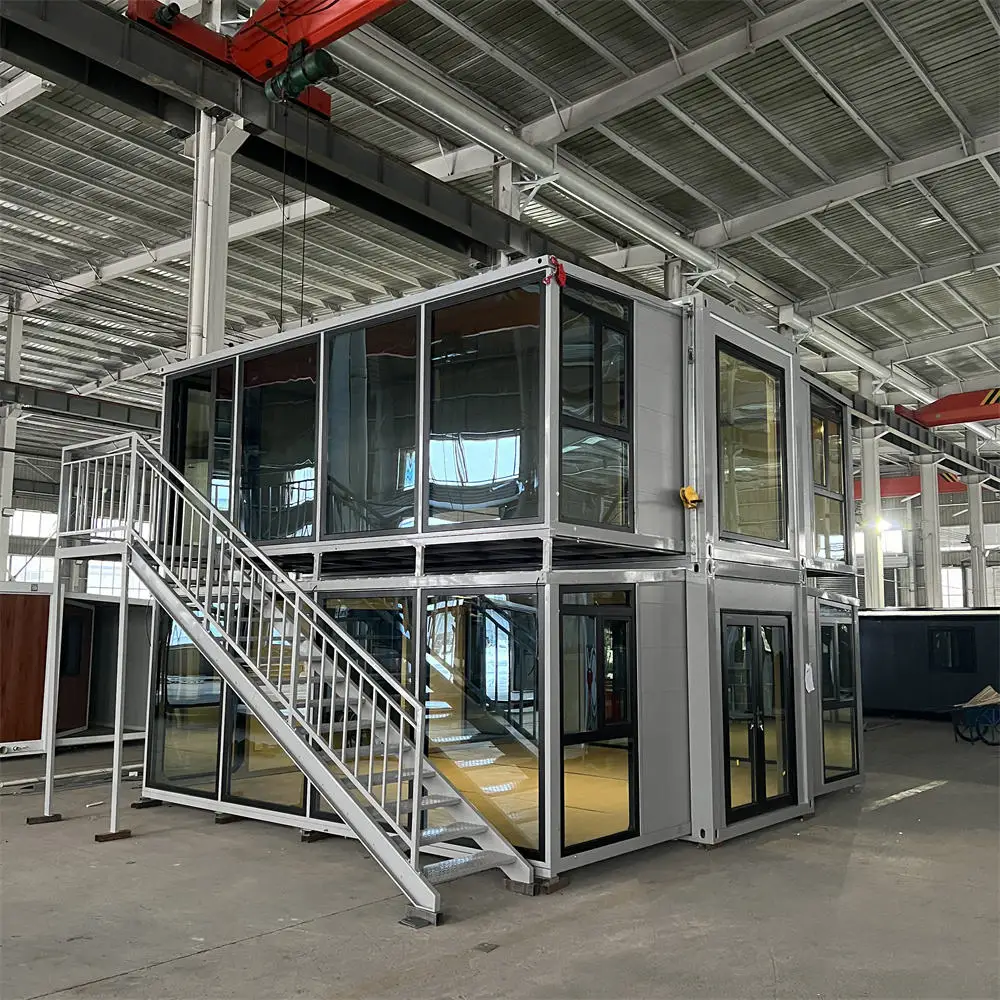

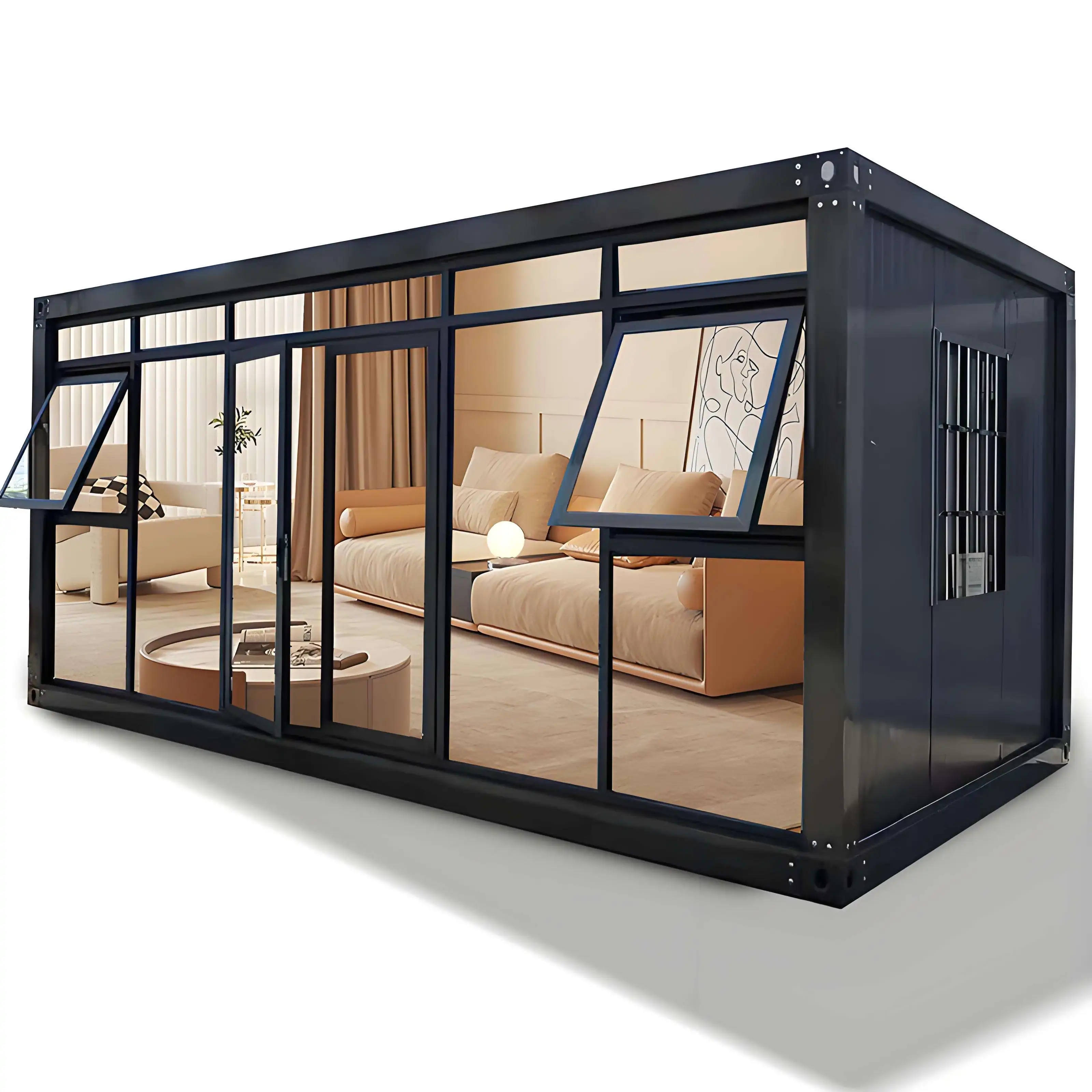
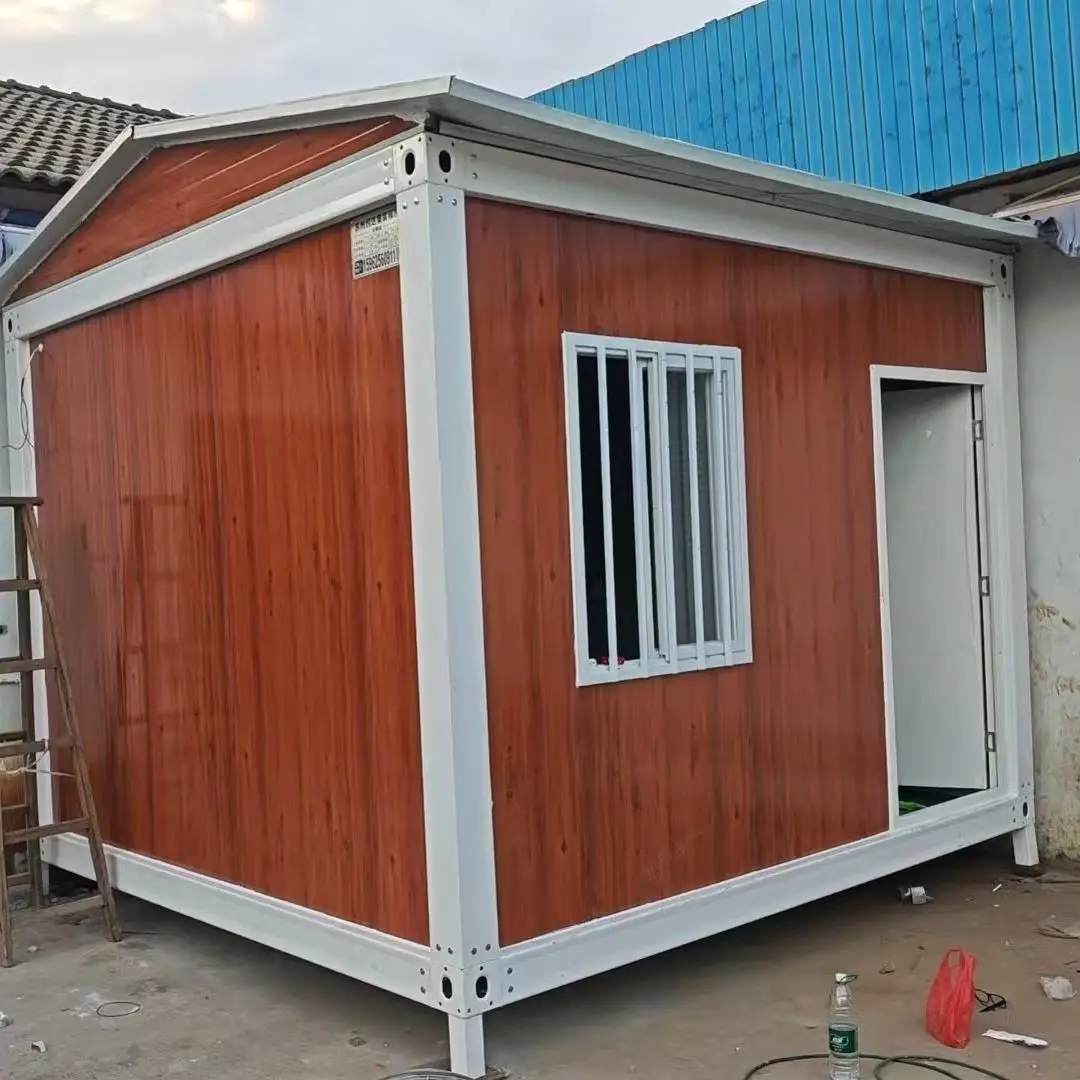
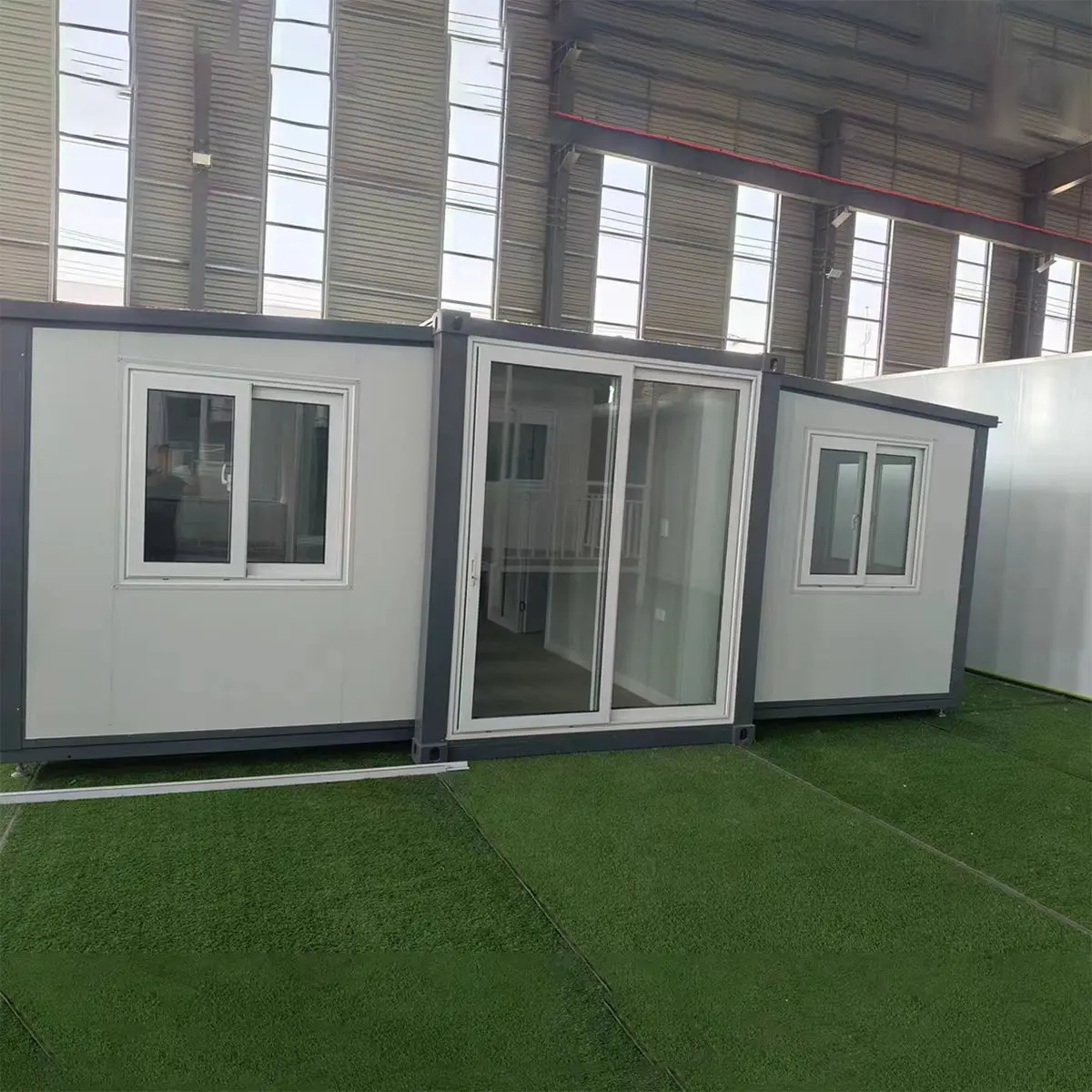
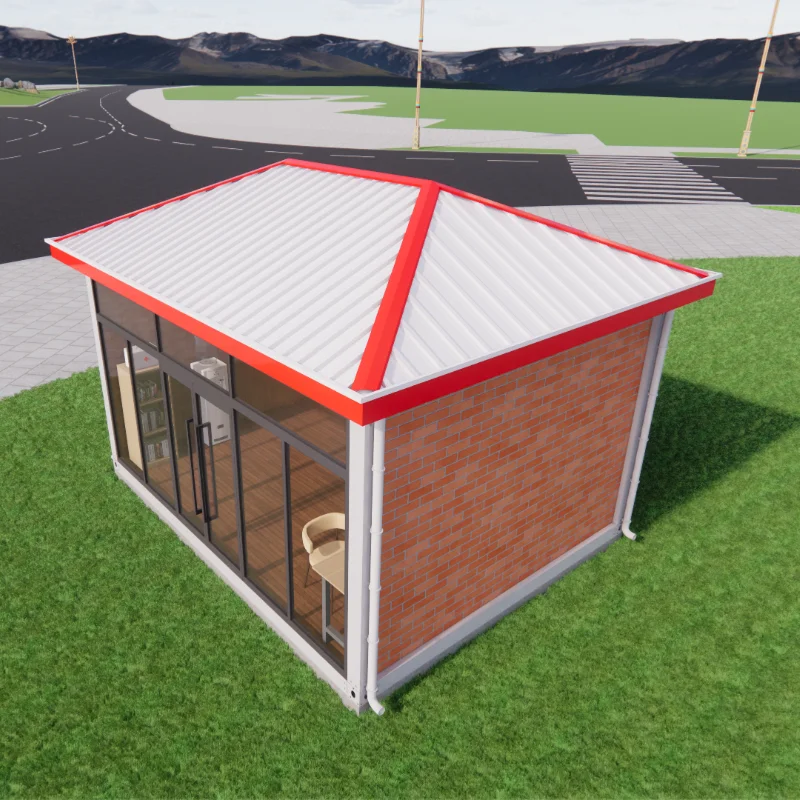
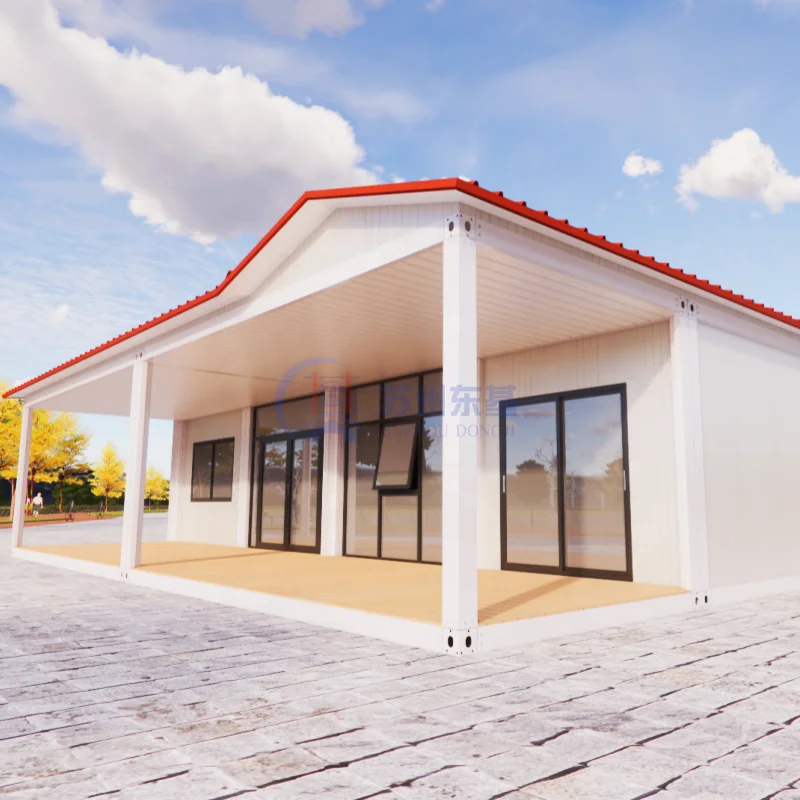
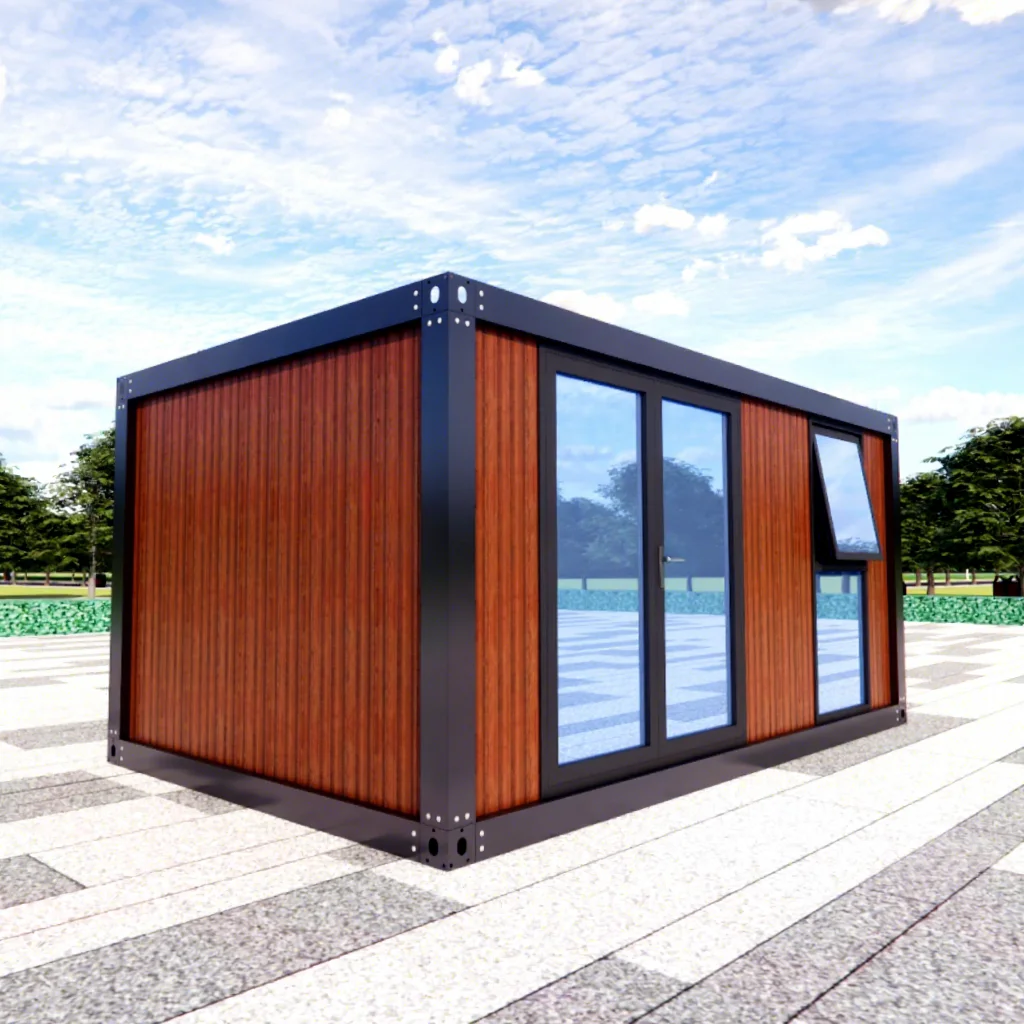
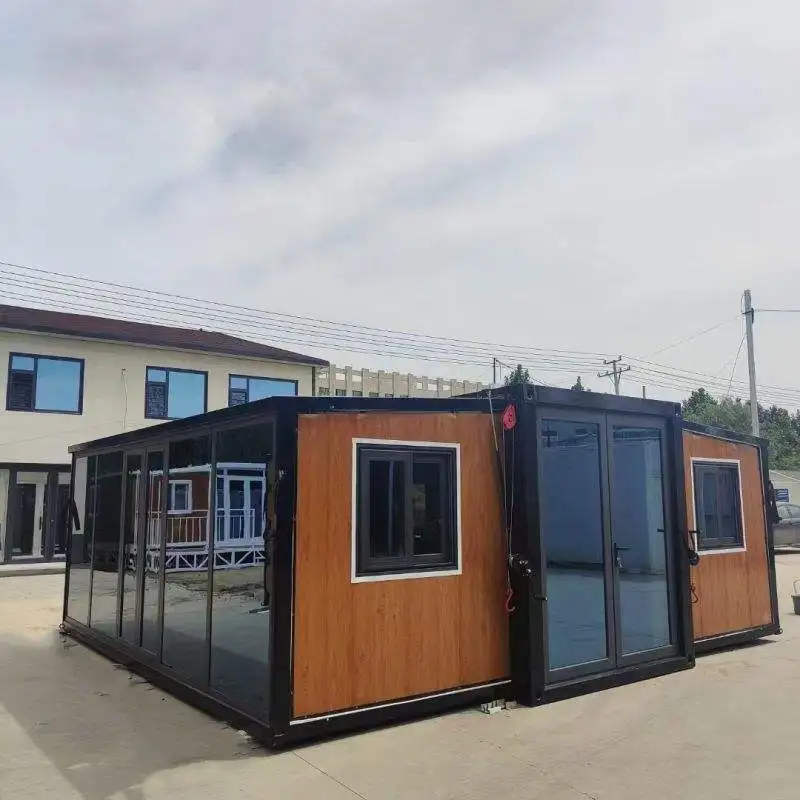
Installation Guidance for Efficient Cargo Container Home Setup
Proper installation is crucial for the longevity and functionality of cargo container homes. Start with a thorough site assessment to determine the best location for the structure, taking into account factors such as land slope, drainage, and accessibility.
Next, ensure that the foundation is properly prepared. Containers can be placed on concrete slabs, piers, or even compacted gravel. The foundation must support the container's weight and prevent moisture infiltration, which could lead to rust and structural damage over time.
When positioning the containers, consider the orientation for natural light and energy efficiency. This can enhance the living experience and reduce energy costs.
During the setup, it's essential to follow safety protocols, including securing the containers against wind uplift and ensuring proper anchoring. Additionally, involve a professional contractor or team familiar with the unique requirements of prefab container home to ensure that the installation meets all building codes and standards.