EN


Modern container offices are innovative, prefabricated solutions designed to meet the evolving needs of businesses in various sectors. These modular structures are not only cost-effective but also provide rapid deployment and flexibility in design. As B2B buyers, purchasing managers, and project managers evaluate container offices, they often focus on specifications, material selection, and installation processes to ensure they meet specific operational requirements. This article aims to guide you through selecting the right modern container office, understanding key features, and addressing common challenges in the decision-making process.
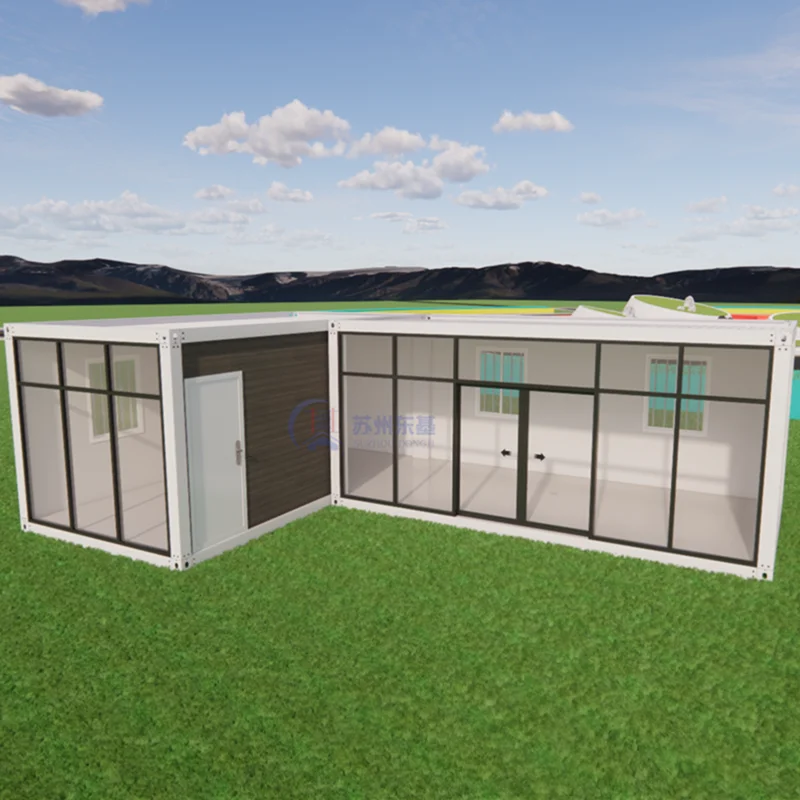
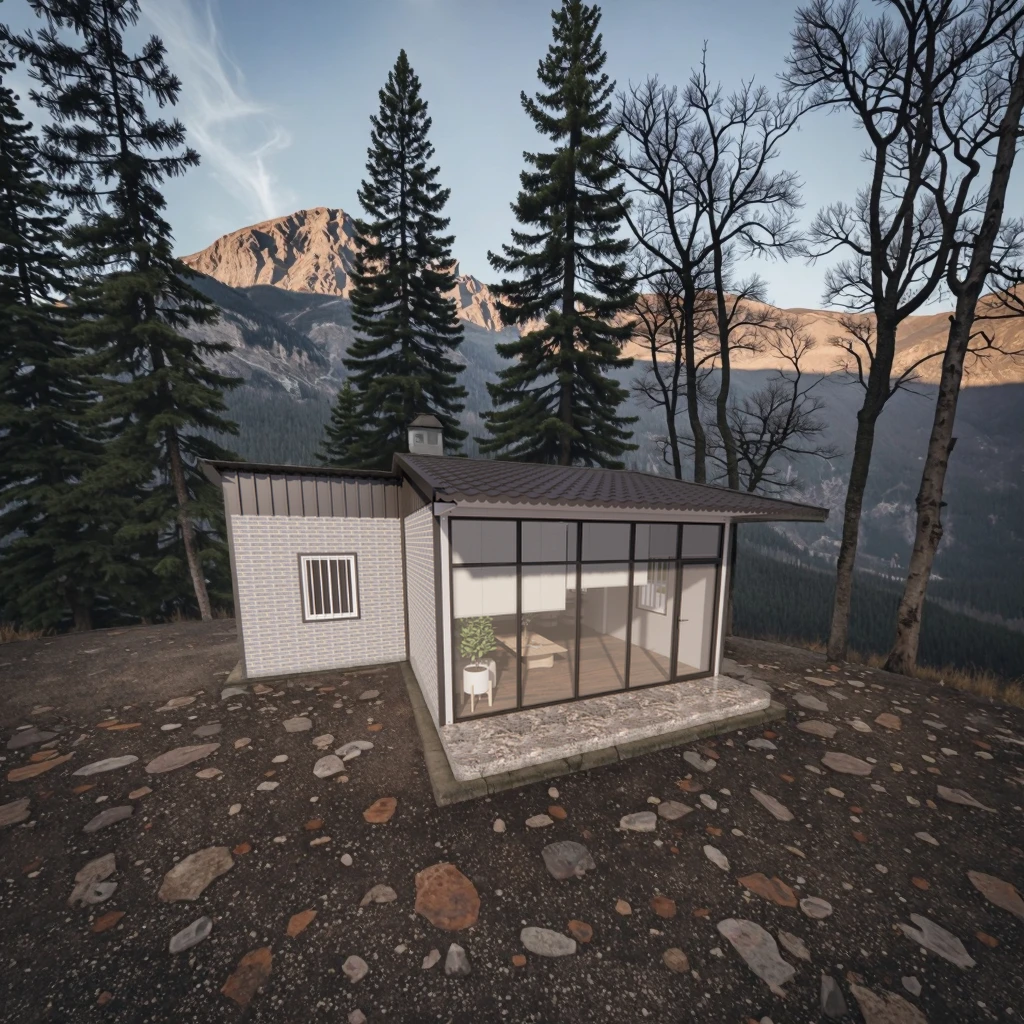
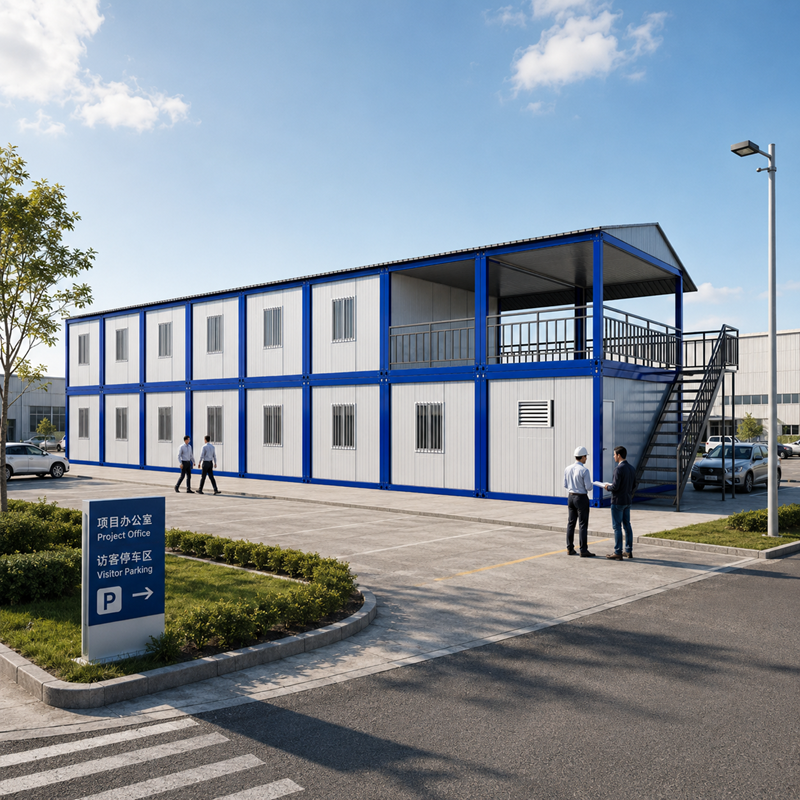
What to Look for in Modern Container Offices
When evaluating modern container offices, there are several critical specifications to consider:
Structural Integrity: Check the load-bearing capacity and structural design to ensure it meets safety standards. A well-engineered container office should be able to withstand environmental stresses such as wind, rain, and seismic activity.
Insulation: Proper insulation is vital for energy efficiency and comfort. Look for offices that offer thermal insulation properties, which will help regulate temperatures and reduce energy costs.
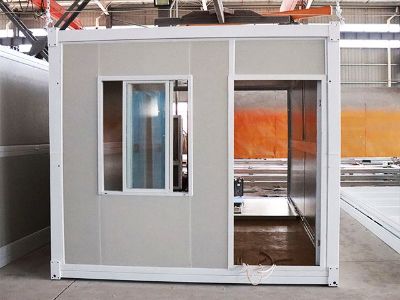
Interior Finishing: Assess the quality of the interior finishes, including flooring, wall treatments, and amenities like electrical wiring and plumbing. High-quality finishes can enhance the usability of the office space.
Compliance with Regulations: Ensure that the container office meets local building codes and regulations, especially if it will be used for long-term projects. This includes fire safety measures and accessibility standards.
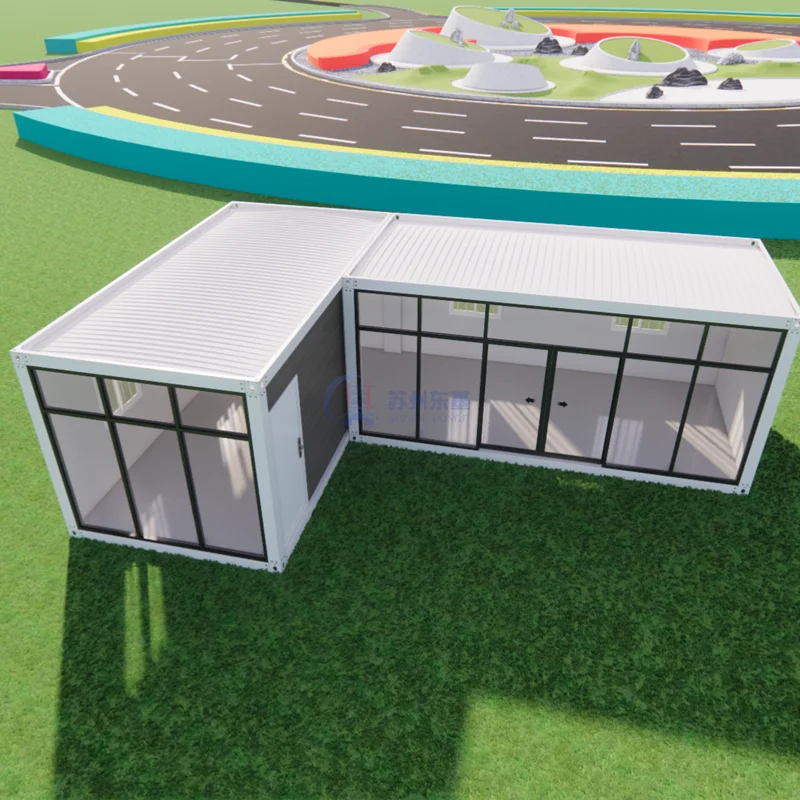
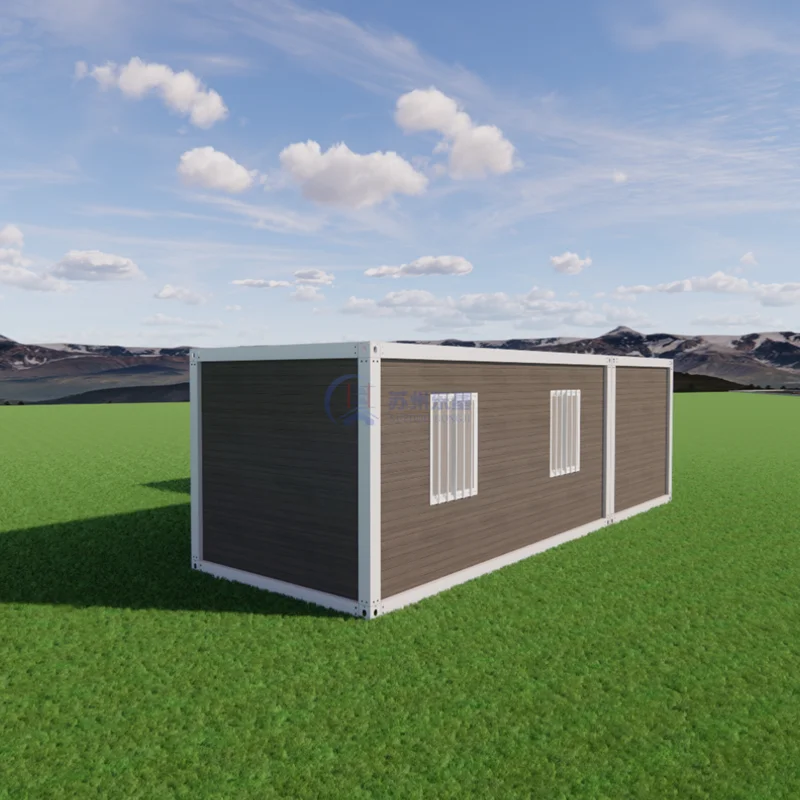
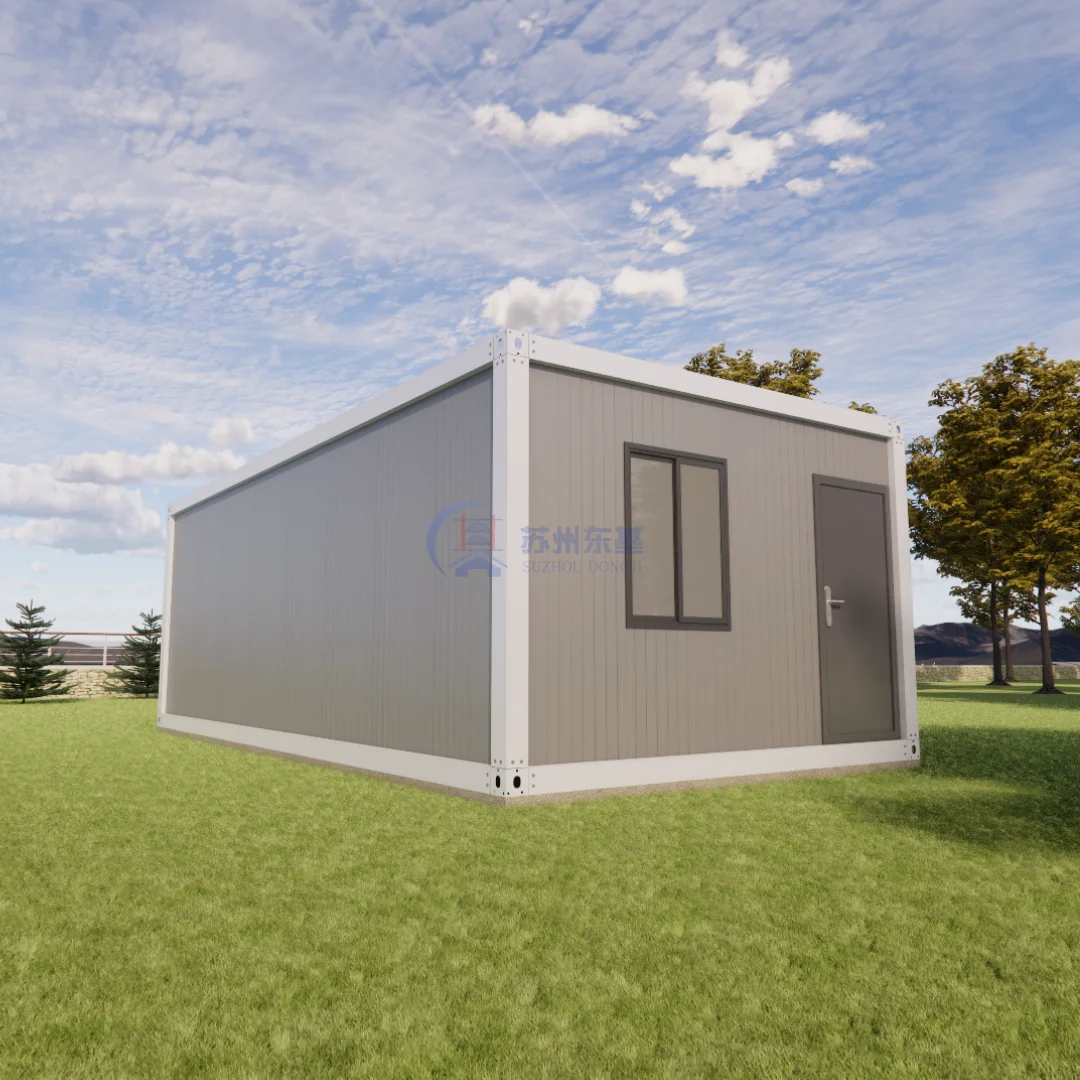
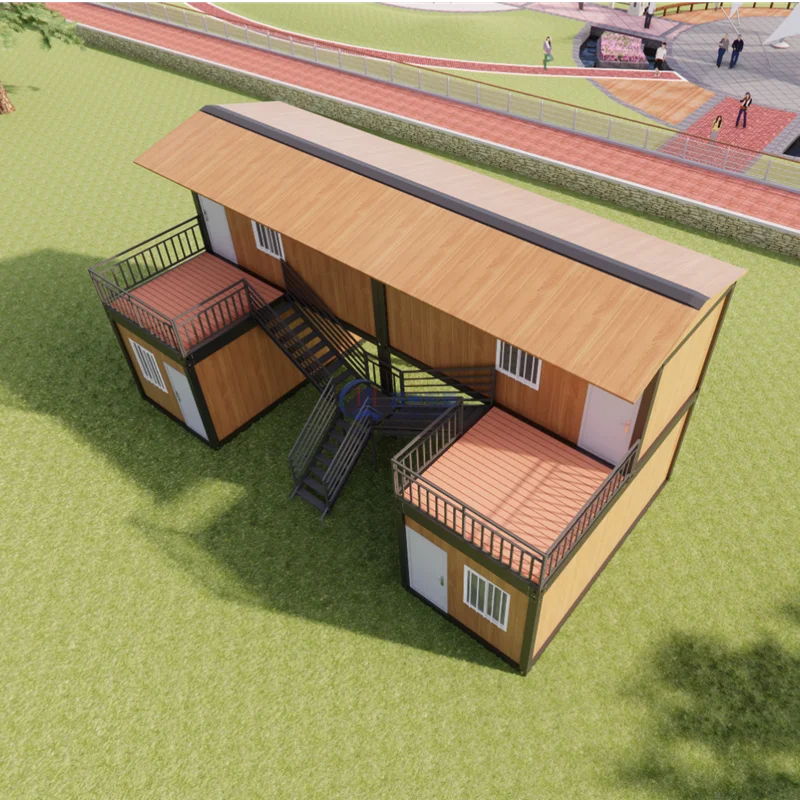
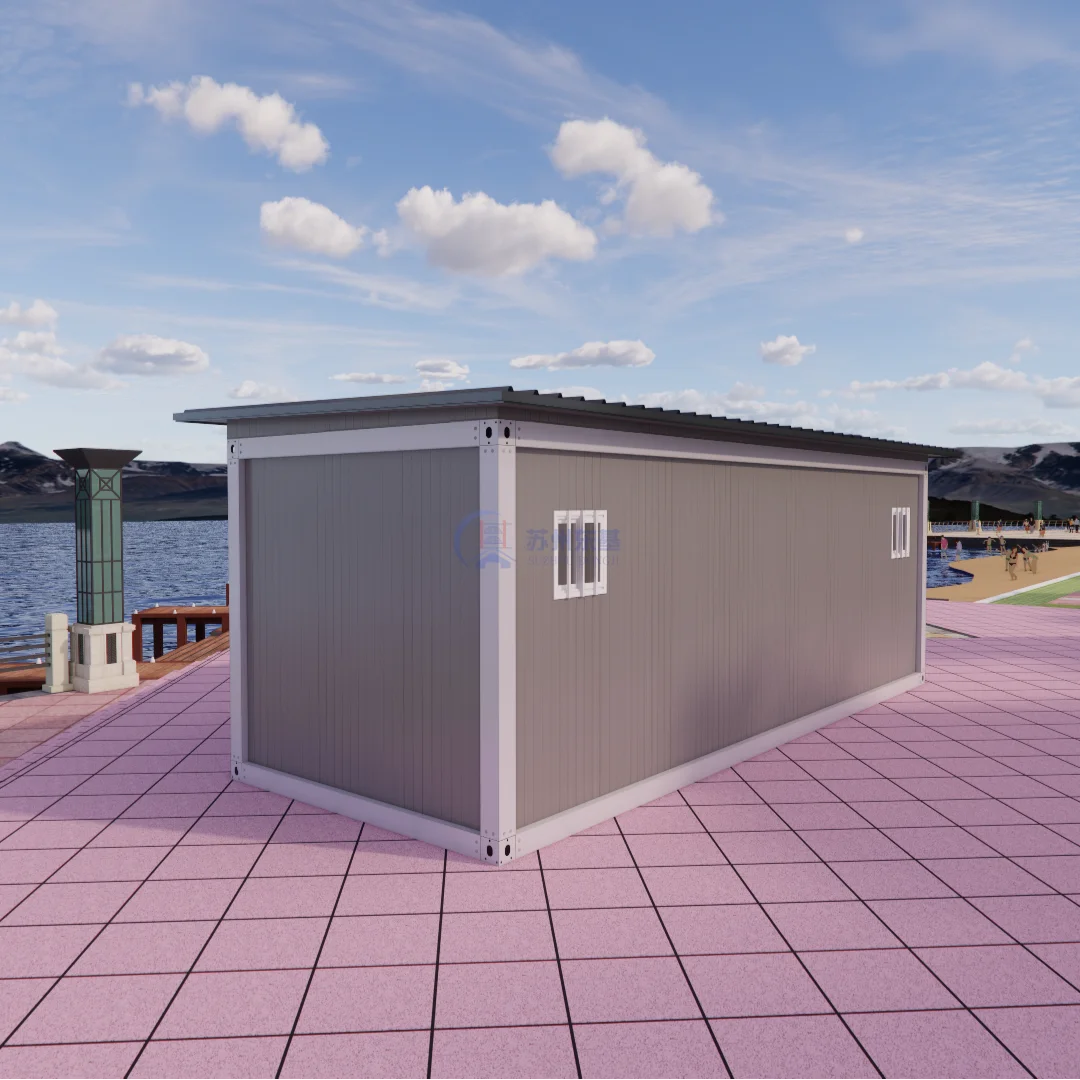
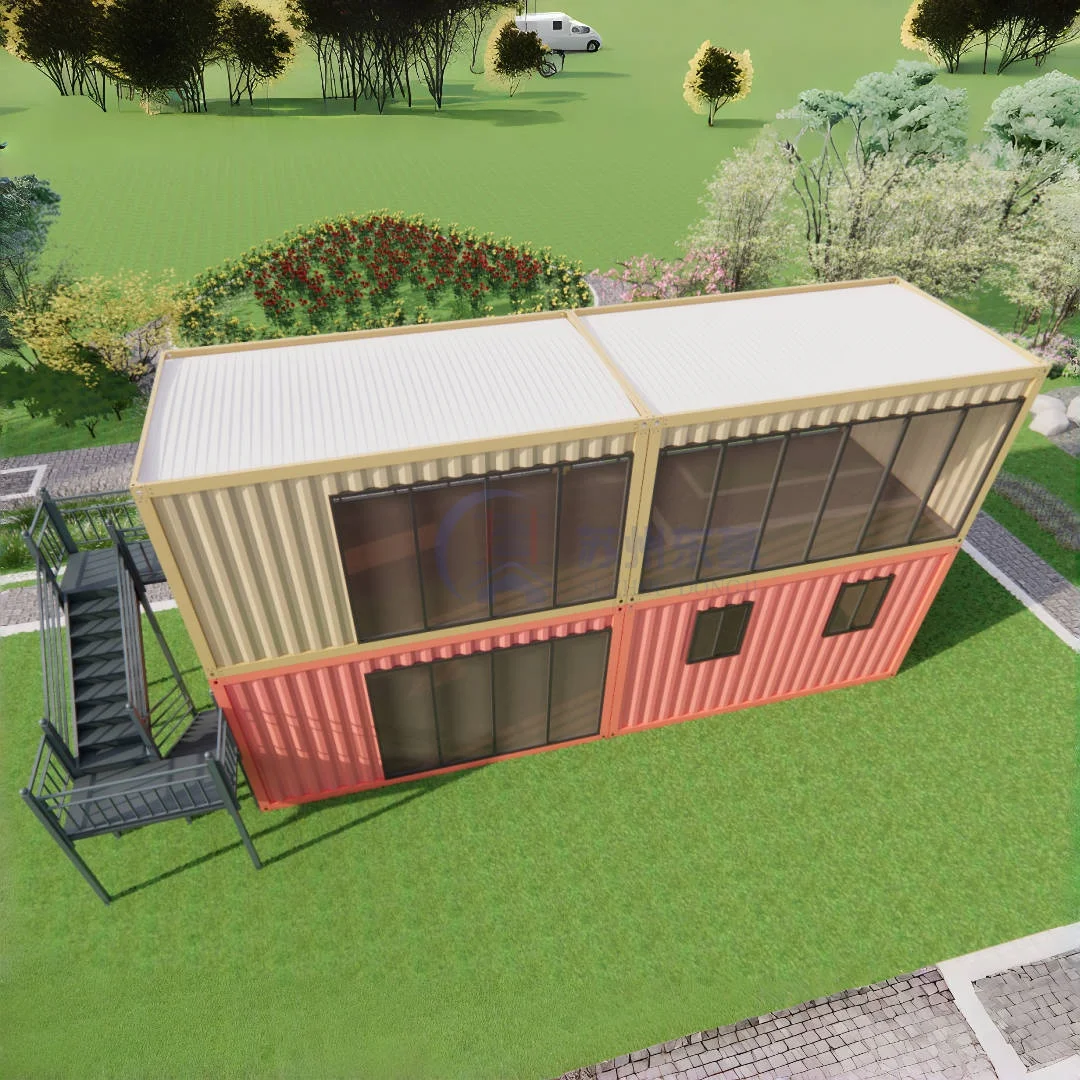
Customization Options: Depending on your needs, you may require specific design features such as windows, doors, or partitioning. Confirm that the manufacturer can accommodate your customization requests. For example, consider a DongJi2-Room Prefabricated Modular Container House to meet unique specifications.