EN


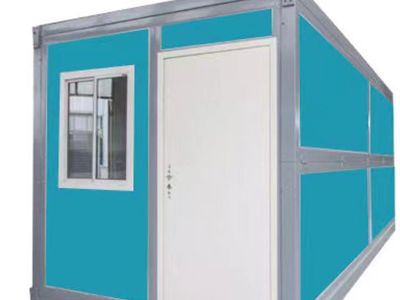
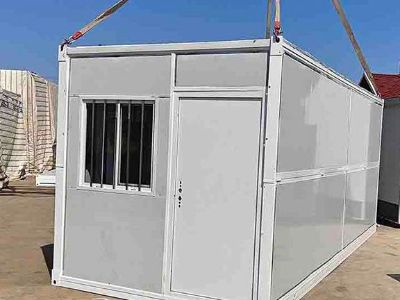
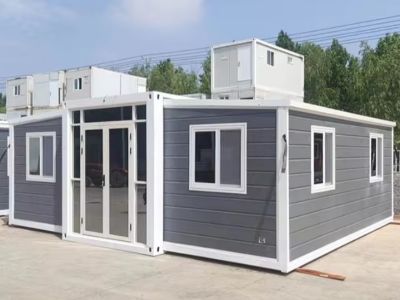
A container home office offers a flexible and efficient workspace solution for businesses looking to optimize their productivity while minimizing costs. As more companies recognize the benefits of remote work and temporary office spaces, understanding the various considerations involved in selecting the right container home office becomes crucial. This article will address key aspects of choosing a container home office, including specifications, cost factors, common issues, and reliable suppliers, helping purchasing managers and project leaders make informed decisions.

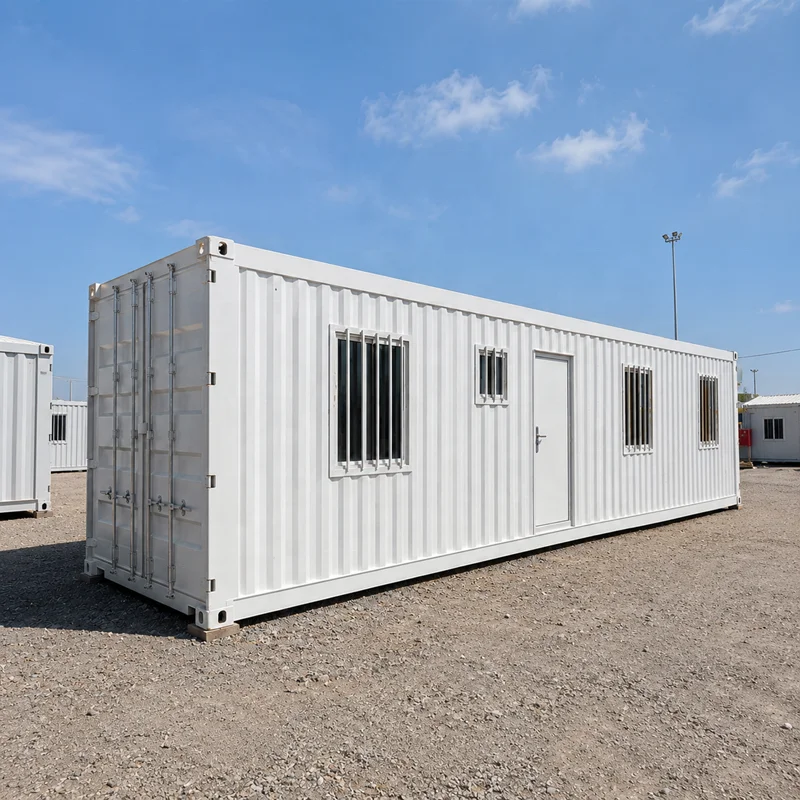
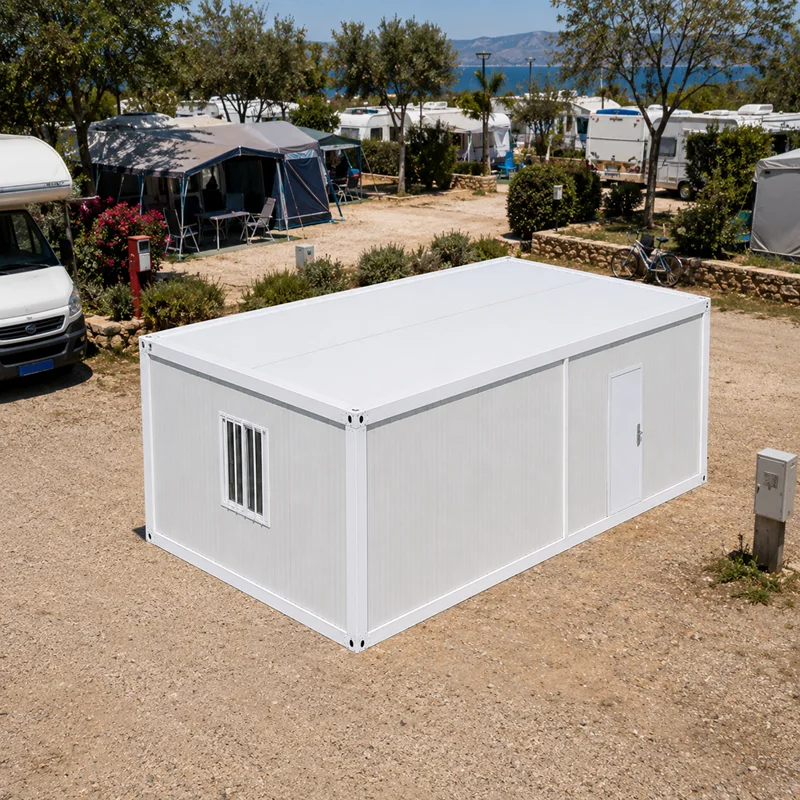
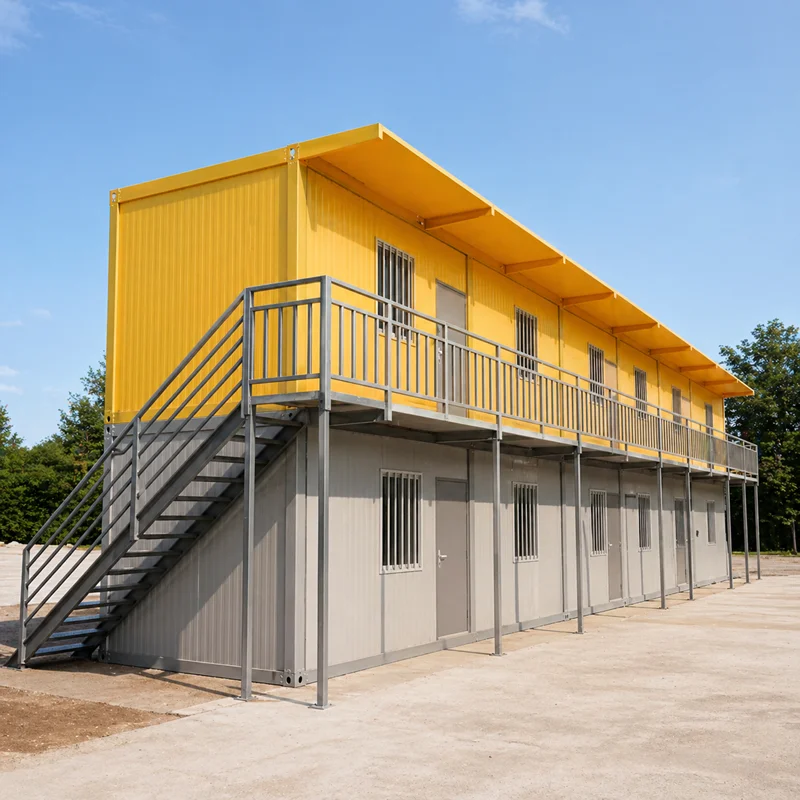
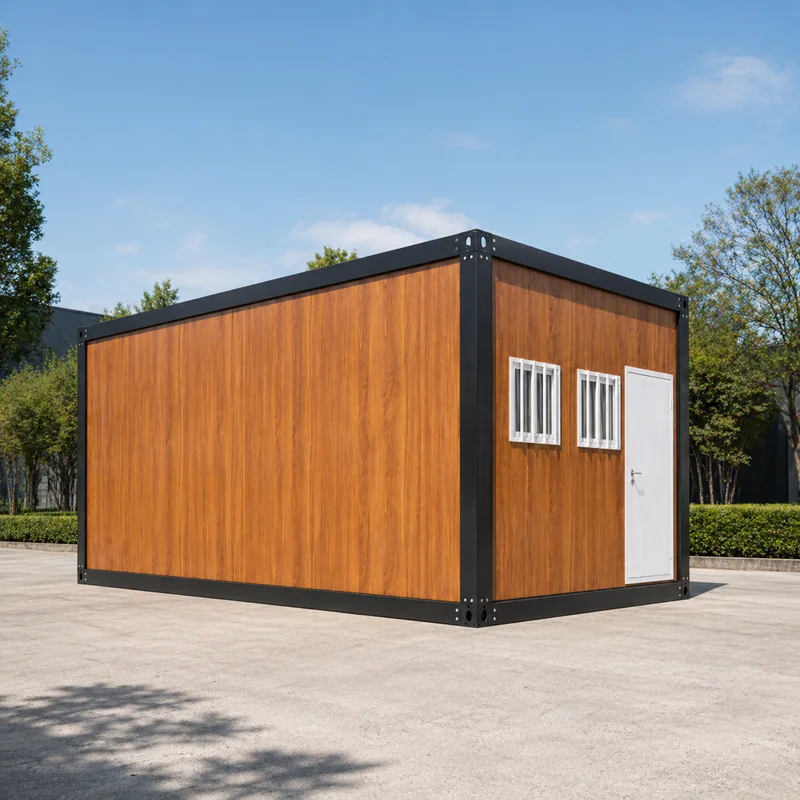
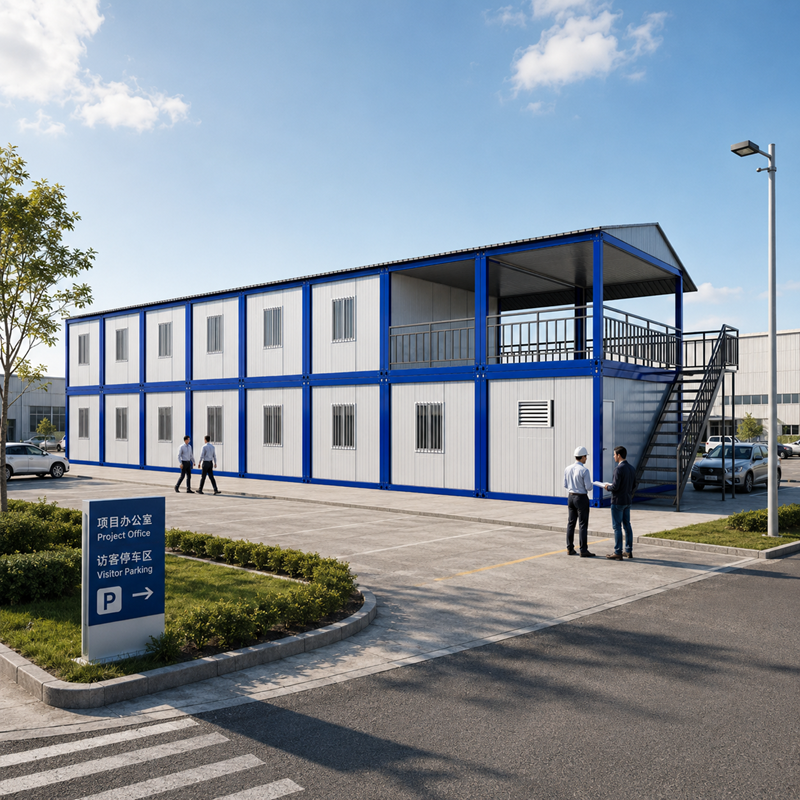
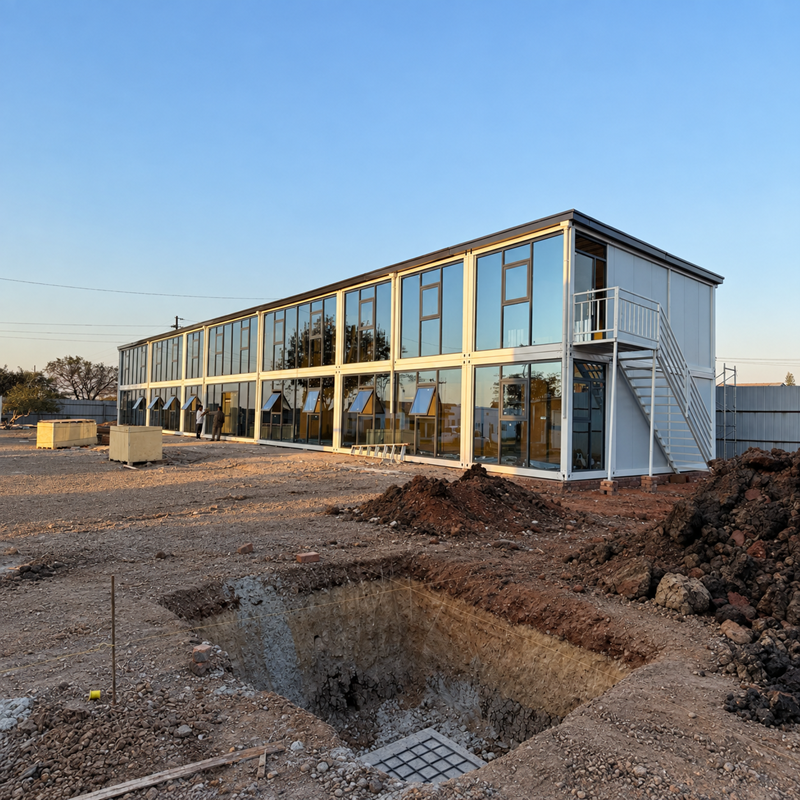
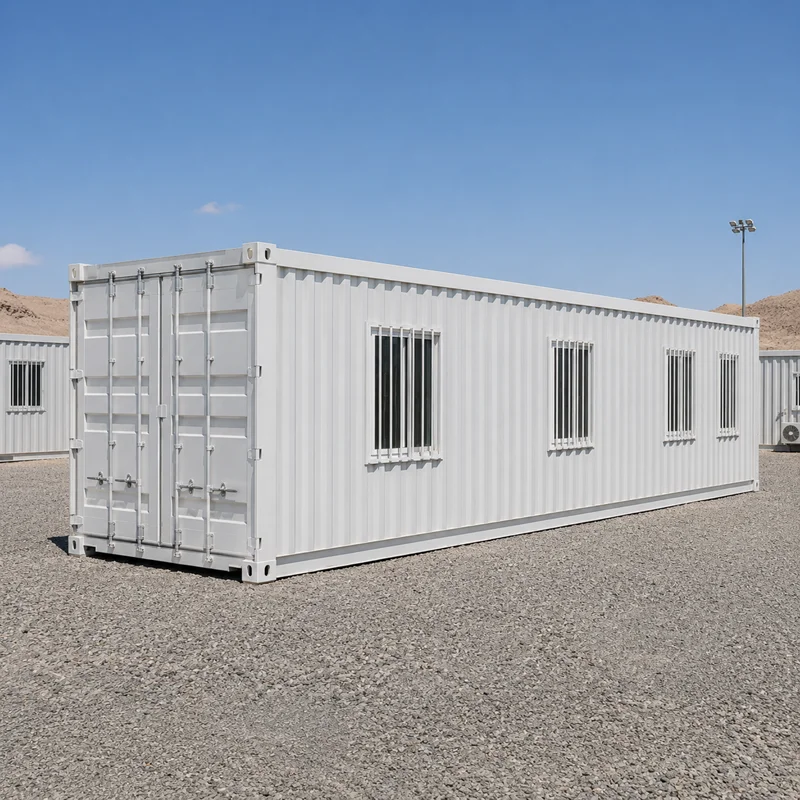
Specifications and Features of High-Quality Container Home Offices
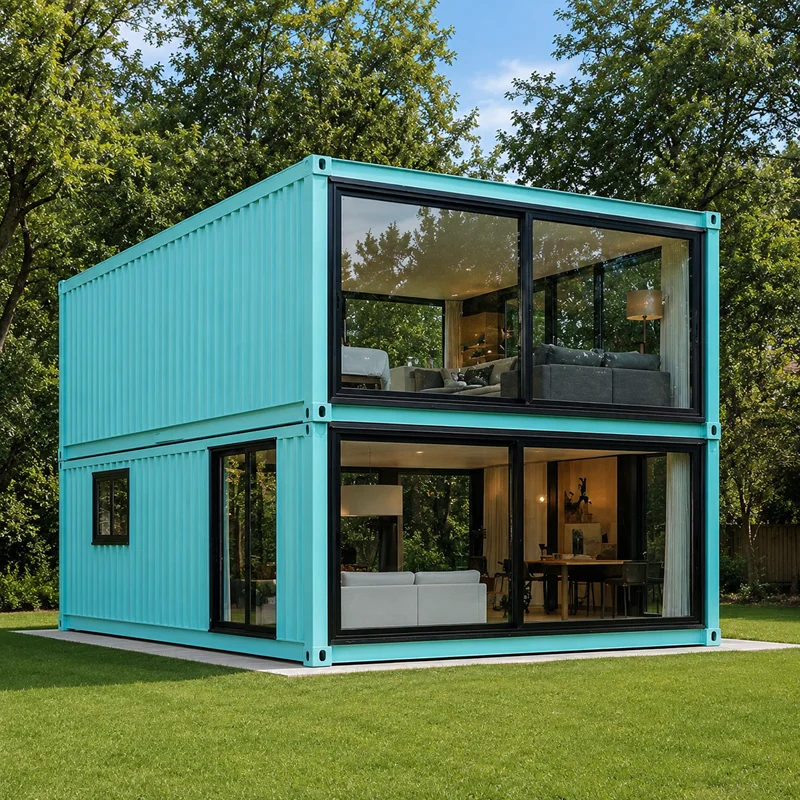
High-quality container home offices should meet specific technical specifications that contribute to their durability and usability. Key features to look for include:
Material Composition: Containers are typically made from corrosion-resistant steel, ensuring they withstand harsh weather conditions. Look for manufacturers that use high-grade materials to enhance longevity.
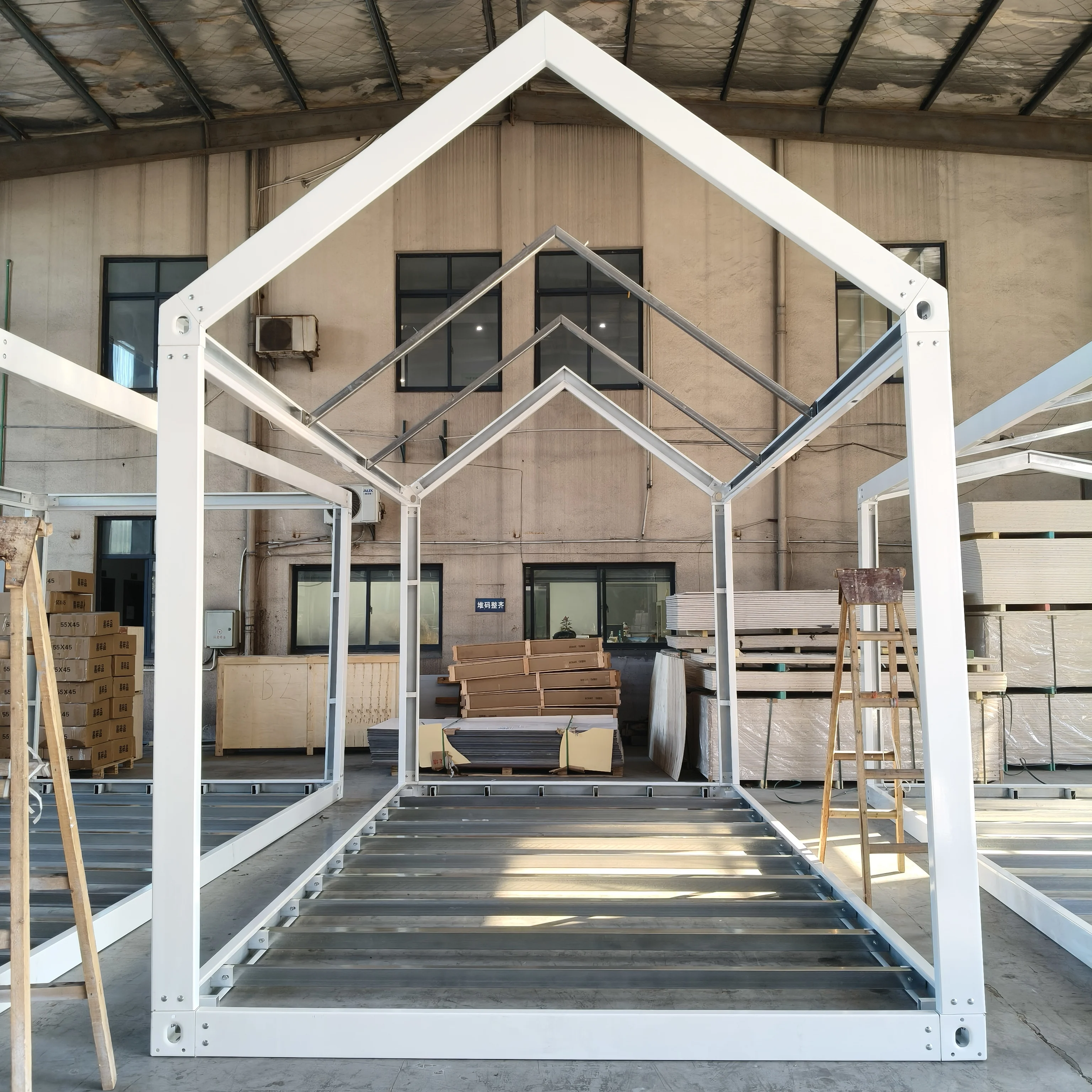
Structural Integrity: The container's structural design should comply with local building codes and standards. This includes load-bearing capacities and resistance to natural elements.
Insulation: As mentioned earlier, superior insulation is crucial. Verify that the insulation used meets energy efficiency standards to minimize heating and cooling costs.
Electrical and Plumbing Systems: A well-designed container office should include pre-installed electrical wiring and plumbing options, allowing for easy integration into existing infrastructure. Moreover, using a Container Steel Frame can provide added support and stability for these systems.
Ventilation: Adequate ventilation systems, such as windows or mechanical ventilation, contribute to a healthy working environment by ensuring proper air circulation.