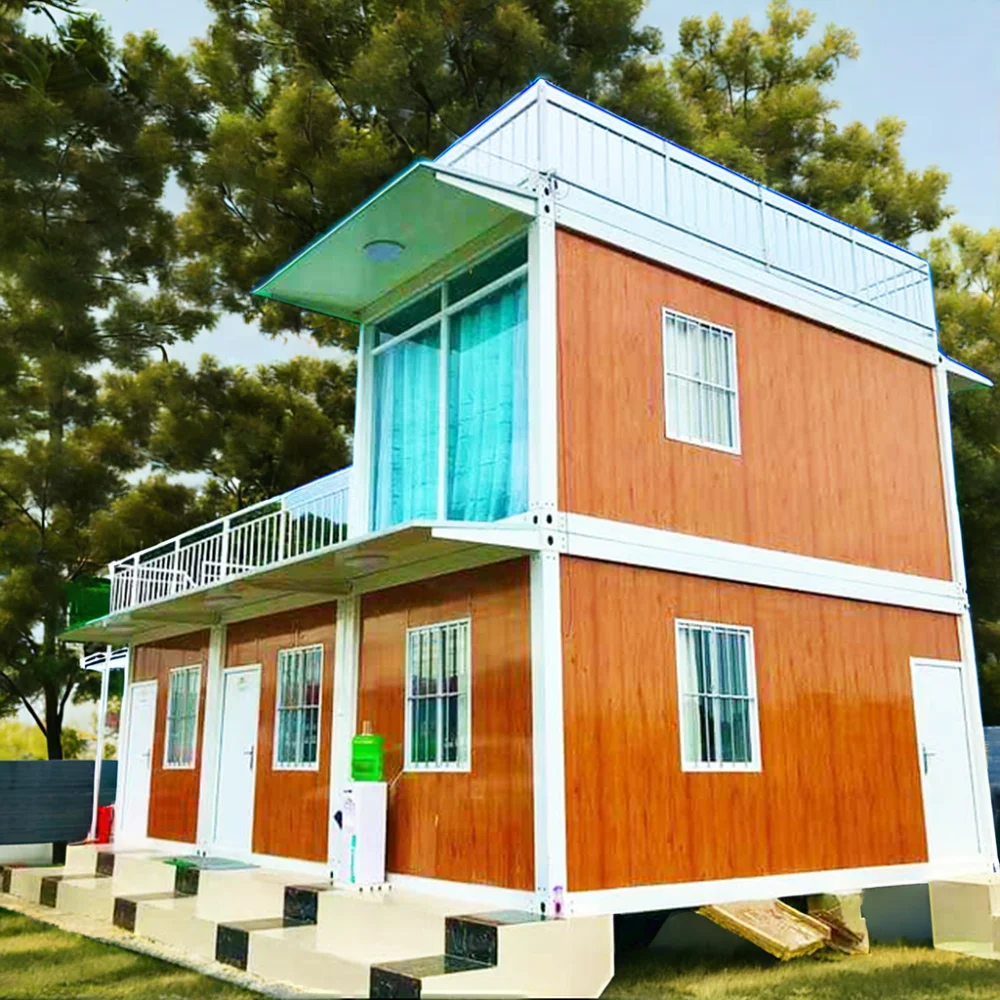
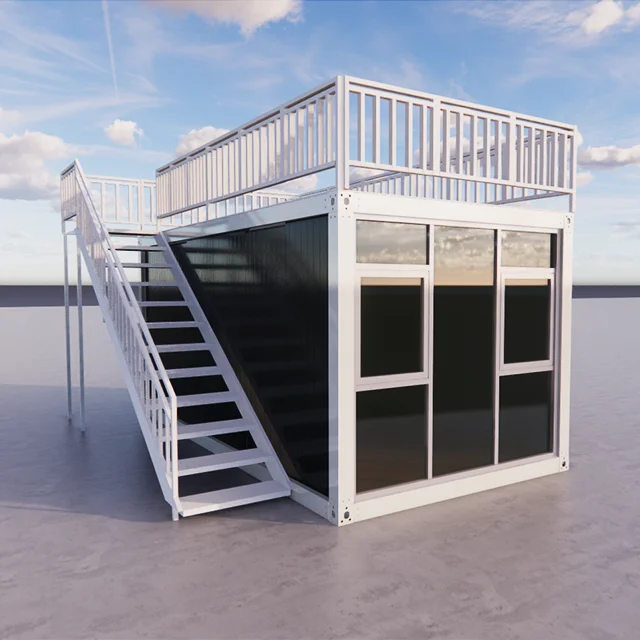
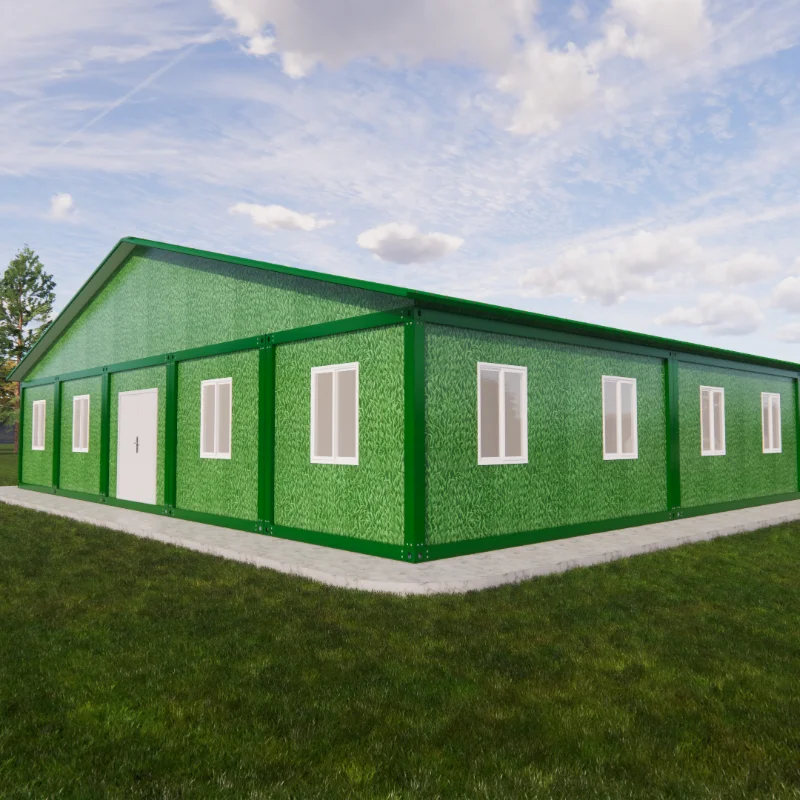
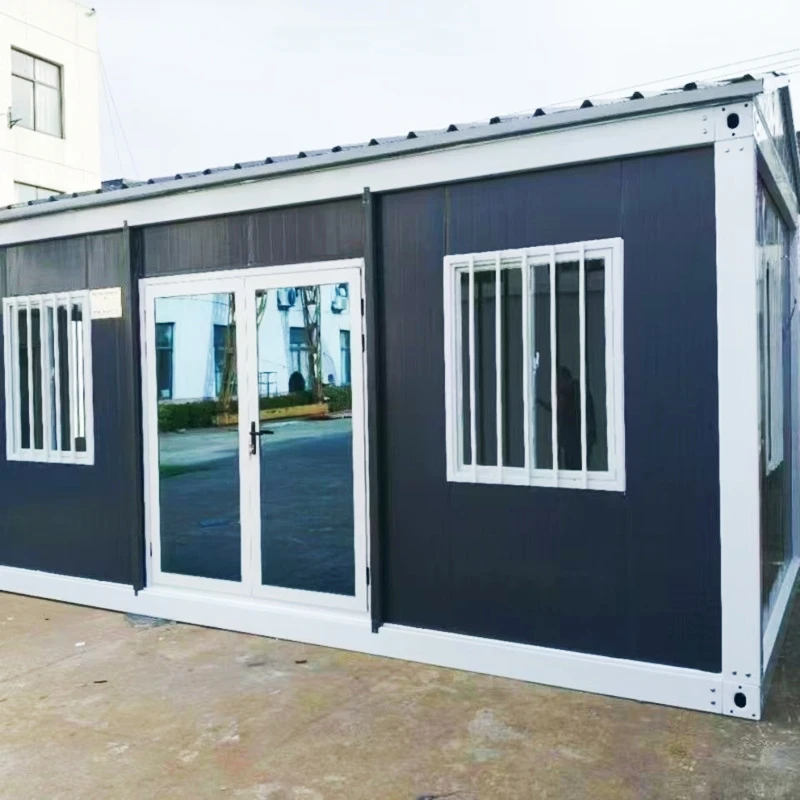
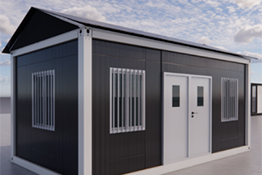
As the global prefabricated building market surges past ¥85 billion with an annual growth rate exceeding 12%, choosing the right thermal insulation has become a critical decision—affecting not only energy bills and comfort but also structural safety and regulatory compliance. Two materials dominate the conversation: rock wool boards and foam boards (EPS/XPS). Each brings distinct strengths to modular construction, and understanding their differences is key to delivering projects that are safe, sustainable, and cost-effective.
1. Material & Manufacturing: Inorganic vs. Organic
Rock Wool Board
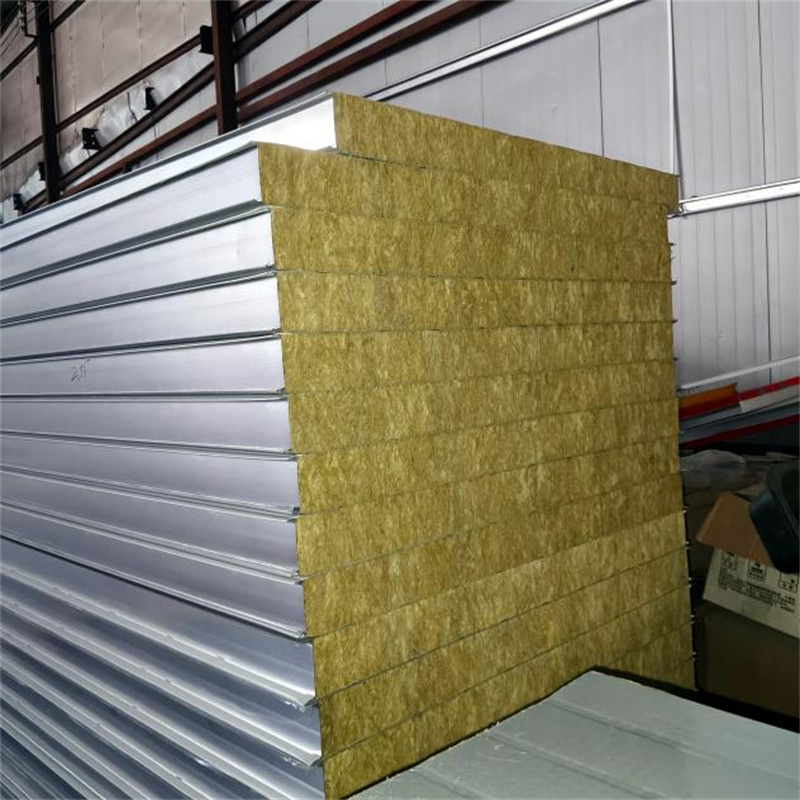
Made from natural basalt and quartzite, melted at 1500°C and spun into inorganic fibers. It is non-combustible, mineral-based, and fully recyclable—aligning with green building standards worldwide.
Foam Board (EPS & XPS)
Derived from polystyrene polymers:
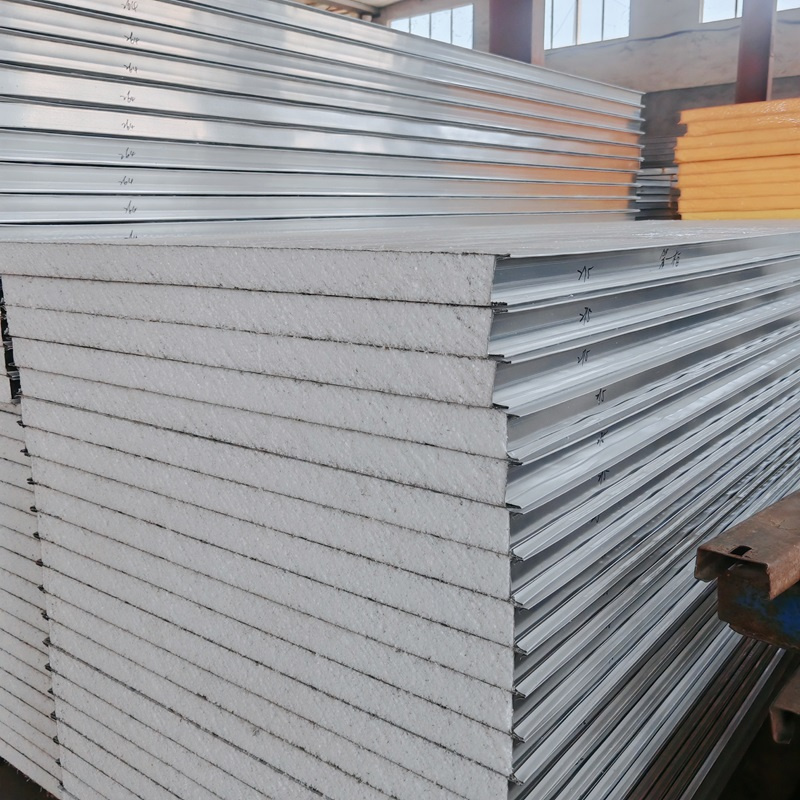
● EPS (Expanded Polystyrene) – beads expanded by heat and fused.
●XPS (Extruded Polystyrene) – produced via extrusion into a dense, closed-cell structure.
Both are organic, lightweight, and highly processable, but their chemical nature introduces key performance trade-offs.
2. Performance at a Glance
Performance Factor |
Rock Wool Board |
Foam Board (EPS/XPS) |
Fire Safety |
Grade A1 non-combustible – no flame spread, zero toxic smoke |
EPS: B2 combustible; XPS: B1 flame-retardant – toxic fumes released in fire |
Thermal Conductivity |
0.039–0.044 W/(m`K) – good insulation |
EPS: 0.038–0.041; XPS: 0.028–0.030 – superior for extreme climates |
Density & Strength |
≥120 kg/m³ – high compressive strength, excellent sound absorption |
EPS ~19–20 kg/m³ – very light; XPS offers high moisture resistance but may creep over time |
Moisture Resistance |
Absorbs water – requires protective layers |
XPS excels in wet environments; EPS is moderately resistant |
Environmental Compliance |
Zero pollution, meets LEED & BREEAM criteria |
Some grades emit high smoke toxicity – must meet local fire codes |
Cost |
Higher upfront investment |
Lower cost, high cost-performance |
3. Where Each Material Excels in Prefabricated Buildings
Rock Wool – The Guardian of Safety & Comfort
●Fire barrier: In high-rise modular units, commercial spaces, and crowded facilities, A1-rated rock wool buys critical evacuation time.
●Acoustic performance: Its fibrous structure dampens noise transmission through steel frames—ideal for urban hotels, hospitals, and multistory housing.
●Structural integrity: High-density boards bond tightly with precast concrete, improving wall load capacity and long-term durability.
Special Protection for Marine Transport – Rock wool is naturally hygroscopic, which means moisture ingress during long ocean voyages can degrade its thermal performance. At Dongji House, we address this challenge by applying extra sealing tape on both ends of each package, creating a double-sided closure that effectively blocks humid air and water vapor from penetrating the boards. This simple but robust measure ensures that your rock wool insulation arrives at overseas job sites in perfect condition, ready for immediate installation without drying or performance loss.
Foam Board – The Champion of Energy Efficiency & Speed
● Ultra-low thermal conductivity (especially XPS) cuts heating/cooling loads dramatically. For example, a London suburban prefab project using EPS achieved exterior wall U-values of 0.27 W/(m²`K).
● Lightweight & workable: Factory-precut foam boards speed up on-site assembly, reduce crane time, and lower logistics costs—perfect for large-scale residential developments.
● Moisture defense: XPS's closed-cell structure prevents water ingress, making it the go-to choice for basements, roofs, and projects in humid Southeast Asian or coastal climates.
4. Selection Strategy – Tailored to Your Project & Region
Project Type / Region |
Recommended Material |
Rationale |
High-rise apartments, hospitals, schools (US/UK/Australia) |
Rock wool |
Strict fire codes (e.g., UK Building Regulations, US IBC) demand A1/A2 ratings |
Luxury villas, cultural homestays, commercial podiums |
Rock wool |
Superior acoustic privacy and fire safety for guest experience |
Budget-friendly residential clusters (Middle East, Southeast Asia) |
EPS + fire barriers |
Cost-effective, adequate thermal performance with proper detailing |
High-humidity zones (coastal SE Asia, Gulf regions) |
XPS |
Moisture-proof, stable insulation in basements and flat roofs |
Cold climates (Northern US, UK, Australia) |
XPS or composite (rock wool + XPS) |
XPS for extreme thermal efficiency; rock wool for fire-safe layering |
Long-sea-freight projects (any region) |
Rock wool (with our sealed packaging) or XPS |
Our tape-sealed rock wool packaging guarantees moisture protection during transit, giving you peace of mind for overseas orders |
5. The Bottom Line – Balance Safety, Energy, and Budget
In the evolving world of prefabricated construction, there is no one-size-fits-all answer.
Choose rock wool when fire resistance, acoustic comfort, and structural robustness are non-negotiable—especially in high-rise, public, or premium projects. And with our moisture-proof marine packaging (two-end sealing tape), you can confidently ship rock wool to any corner of the globe.
Choose foam boards when rapid installation, extreme thermal savings, or moisture control take priority, and fire protection can be managed through design.
At Dongji House(www.dongjihouse.com), we help you navigate these choices with engineered solutions that meet local regulations, climate demands, and your bottom line. Whether you're building a modular community in Dubai, a coastal retreat in Thailand, or an urban infill in London, our expertise ensures your insulation performs—safely, efficiently, and durably. We also pay special attention to logistics: every rock wool package is double-sealed with industrial-grade tape to keep water vapor out throughout the entire sea journey.
 Hot News
2026-09-30
2026-09-22
2026-09-21
2026-09-16
2026-09-16
2026-09-14
 EN
EN