 EN


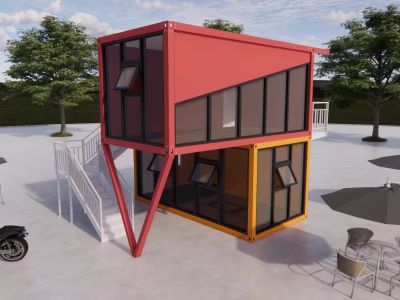
Prefab houses with reliable waterproof and sealing treatment are increasingly popular in the construction industry due to their ability to provide durable, efficient, and quick-to-assemble living and working spaces. However, B2B buyers including purchasing managers, contractors, and project developers often have concerns regarding the quality, customization, and performance of these structures. This article will delve into the essential features to consider when selecting prefab house, how to find trusted suppliers, and the importance of waterproofing and sealing treatments in ensuring long-lasting performance.
Key Features to Consider
When evaluating prefab houses, several key features should be at the forefront of your decision-making process. Firstly, the construction material is crucial. Materials such as steel and high-quality composite panels ensure structural integrity and longevity. Secondly, consider the dimensions and layout options available. Customization in size and internal configurations can greatly enhance the usability of the space for specific applications, such as dormitories or offices.
Another critical aspect is the insulation properties of the modern prefab house design. Effective insulation not only contributes to energy efficiency but also enhances the overall comfort of the living or working environment. Moreover, consider the additional features such as energy-efficient windows, ventilation systems, and integrated electrical systems, which play a vital role in the functionality of the building.
Lastly, take note of the manufacturer's production capacity and lead times, as these factors can affect project timelines. For instance, with a daily output of 500 units, Suzhou Dongji Integrated Housing Technology Co., Ltd. is positioned to meet large-scale demands efficiently while maintaining quality standards.
Finding Trusted Suppliers for Prefab Houses
Finding reliable suppliers for prefab houses is fundamental to ensuring project success. Start by researching manufacturers with a proven track record and positive customer reviews. Look for companies that specialize in prefabricated modular construction, as they are more likely to understand the intricacies of the technology and materials involved.
Additionally, prioritize suppliers that offer comprehensive services from design to installation. This not only simplifies communication but also ensures that all aspects of the project are well-coordinated. Certifications and quality control processes are also significant indicators of a trustworthy supplier. Ensuring that the suppliers adhere to industry standards can mitigate risks related to quality and compliance.
Finally, consider suppliers that can provide references or case studies of previous projects. This can give you insight into their capabilities and reliability, helping you make an informed choice.
Quality and Performance
Quality and performance are paramount when it comes to prefab houses. The manufacturing process should incorporate rigorous quality control measures to ensure that each unit meets the required specifications. These measures include inspection at each stage of production, from material selection to final assembly.
Performance metrics to consider include load-bearing capacities, resistance to environmental factors such as temperature fluctuations and moisture, and the durability of sealing treatments. For instance, a well-implemented waterproof and sealing treatment will prevent water ingress, which can lead to structural damage and increased maintenance costs.
Buyers should also evaluate how different materials perform under various conditions. For example, steel components may offer superior strength but could require specific coatings to resist corrosion in humid environments. Understanding these performance specifications helps ensure that the prefab house will meet the intended application requirements.
Ensuring Proper Waterproofing for Prefab Homes
Waterproofing is a critical factor in the longevity of a prefab house. Effective waterproofing systems can prevent water damage, mold growth, and associated health risks. When assessing waterproofing solutions, look for treatments that include quality sealants and membranes designed to withstand the environmental conditions of the installation site.
Installation practices are equally important; improper application of waterproofing products can lead to failures. Ensure that the supplier provides detailed installation guidelines and that their team is trained in best practices for waterproofing. Furthermore, consider the warranty terms associated with the waterproofing solutions offered. A robust warranty can provide peace of mind and indicates the manufacturer's confidence in their products.
Regular maintenance checks should also be part of your strategy to ensure the ongoing effectiveness of waterproofing treatments. This can help identify potential issues before they escalate into costly repairs.
Versatility for Various Projects
Prefab houses offer remarkable versatility, making them suitable for a wide range of applications. Whether for temporary housing solutions, permanent residences, or commercial spaces, these structures can be tailored to meet specific project requirements. The ability to customize layouts, sizes, and finishes allows buyers to adapt prefab houses to their unique needs.
In addition, the quick assembly capabilities of modern prefab house are particularly advantageous for projects with tight timelines. With a production capacity of 500 units per day, Suzhou Dongji Integrated Housing Technology Co., Ltd. can support various scales of projects, from small developments to large-scale housing initiatives.
Furthermore, consider the sustainability aspects of prefab houses. Many manufacturers are now focusing on eco-friendly materials and construction methods, appealing to environmentally conscious buyers. This can not only enhance the marketability of your project but may also lead to cost savings over time through energy efficiency.
selecting a prefab house with reliable waterproof and sealing treatment involves careful consideration of multiple factors, including material quality, supplier reliability, performance metrics, and installation practices. By focusing on these elements, B2B buyers can ensure that their investment meets both immediate and long-term project needs.