 EN


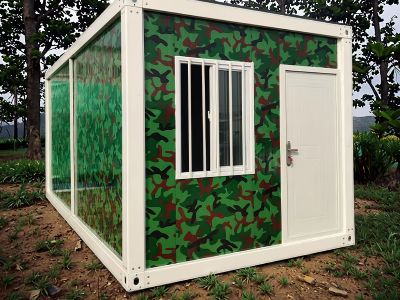
Before the shipment of modular units, the strict quality inspection process is essential to ensure that the products meet the necessary standards for safety, durability, and performance. For purchasing managers, engineers, and project managers, understanding this process is vital to mitigate risks associated with defective products and to ensure that their projects are not delayed. This article will delve into the common problems associated with cost of a modular house, evaluate cost factors in bulk orders, outline what to expect from quality control processes, discuss sourcing high-quality modular units, and present key quality and performance metrics.
Common Problems with Modular Units and Effective Solutions
Modular units, while efficient and cost-effective, can present several common challenges. One significant issue is dimensional inconsistency across units, which may arise during manufacturing. This can lead to difficulties during installation, as components may not fit together as intended. To address this, establishing precise manufacturing protocols and utilizing advanced machinery for cutting and assembly is crucial. Another common problem is material degradation over time, especially in harsh environmental conditions. To combat this, it is essential to select high-quality materials suitable for the modular house pricing intended application, ensuring they can withstand exposure to moisture, temperature variations, and chemical agents. For example, using corrosion-resistant steel for structural components can enhance longevity and reduce maintenance costs. Additionally, buyers may face challenges related to compliance with local building codes and regulations. Engaging with manufacturers like Suzhou Dongji Integrated Housing Technology Co., Ltd. that are familiar with these requirements can simplify the process, ensuring that all modular units are compliant before shipment.
Evaluating Cost Factors in Bulk Orders of Modular Units
When considering bulk orders of modular units, several cost factors should be evaluated. Firstly, the unit price typically decreases with larger orders due to economies of scale. However, buyers should also consider other associated costs, such as shipping, handling, and storage, which can significantly impact the overall budget. Material selection plays a crucial role in cost evaluation. For instance, while opting for premium materials may increase initial costs, they often result in lower long-term maintenance expenses and enhanced durability. It is advisable for buyers to conduct a cost-benefit analysis to determine the most suitable material that aligns with both budget constraints and project requirements. Lead time is another critical factor. Longer lead times can delay project schedules and lead to increased costs. Therefore, it is essential to communicate deadlines clearly with suppliers to ensure that production and delivery schedules align with project timelines.
What to Expect from Our Quality Control Before Shipment?
The quality control process before the shipment of modular units is designed to guarantee that every product meets the highest standards. At Suzhou Dongji Integrated Housing Technology Co., Ltd., this process begins with incoming material inspections, where the quality of raw materials is assessed to ensure they meet the specified criteria.
Following this, each modular unit undergoes a comprehensive inspection that includes dimensional checks, structural integrity testing, and surface quality evaluations. For instance, dimensional checks ensure that each unit conforms to the design specifications, while structural integrity tests assess the unit's ability to withstand expected loads.
Furthermore, before shipment, buyers can expect a final review where any issues identified during the inspection process are rectified. This rigorous quality control not only minimizes the risk of defects but also ensures that each unit is ready for immediate installation upon arrival.
Where to Source High-Quality Modular Units for Your Projects?
Sourcing high-quality modular units requires careful consideration of potential suppliers. When evaluating suppliers, buyers should look for established manufacturers with a proven track record in the industry. Companies like Suzhou Dongji Integrated Housing Technology Co., Ltd., known for their extensive experience in prefabricated modular houses, can offer insights into their production capabilities and quality assurance processes.
It is also beneficial to request samples or case studies from potential suppliers. This allows buyers to assess the quality of the units firsthand and understand how they have performed in previous projects. Additionally, exploring customer testimonials can provide valuable insights into a supplier's reliability and product performance.
Buyers should also consider suppliers who can offer customization options to meet specific project requirements. This flexibility can be crucial for projects that demand unique designs or specifications, ensuring that the final products align perfectly with the intended applications.
Quality and Performance Metrics
To ensure modular units meet the required standards, several quality and performance metrics should be evaluated. Key metrics include dimensional accuracy, material strength, and thermal performance. Dimensional accuracy is crucial for ensuring that units fit together correctly during installation, while material strength affects the overall durability and safety of the structure.
Thermal performance metrics, such as insulation values, should also be assessed, particularly for units intended for residential or hospitality applications. High insulation values can lead to increased energy efficiency and comfort for occupants.
Furthermore, compliance with international standards and certifications should be verified. These may include ISO certifications or local building codes, which can indicate a manufacturer's commitment to quality and safety. By focusing on these metrics, buyers can ensure that the modular units they procure will perform well in their intended applications and meet their long-term project goals.
By understanding the strict quality inspection processes that occur before the shipment of modular house near me, B2B buyers can make informed decisions that align with their project needs and mitigate potential risks.