EN


Modular container homes for sale are becoming increasingly popular as a flexible and cost-effective housing solution for various sectors. These innovative structures can serve multiple purposes, including residential, commercial, and industrial applications. For B2B purchasers like project managers and engineers, key concerns often revolve around customization options, material quality assurance, and delivery timelines. This article will explore essential factors to consider when selecting modular container home, providing actionable insights to help potential buyers make informed decisions.
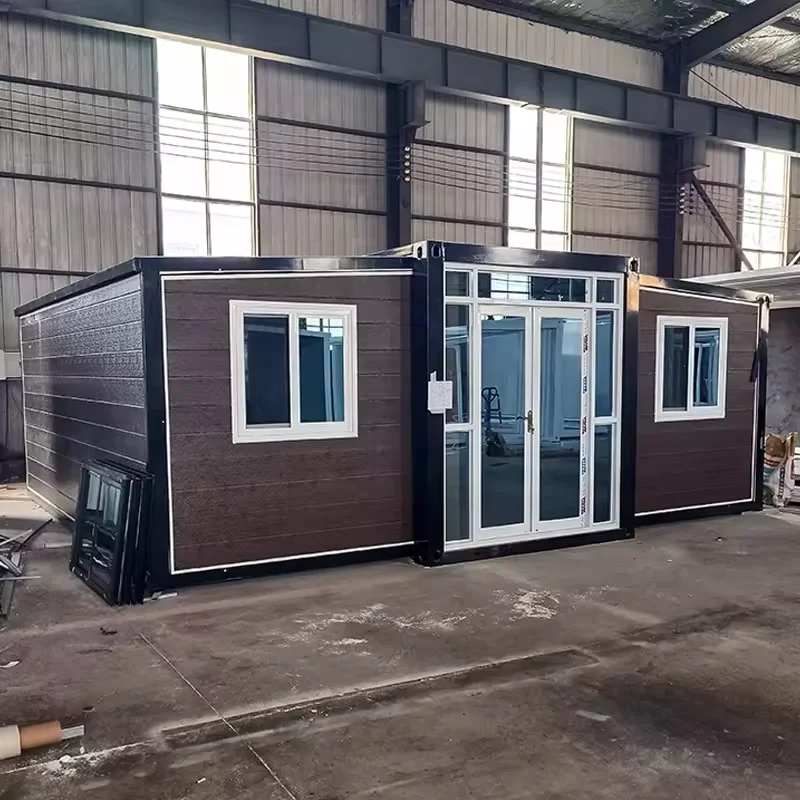
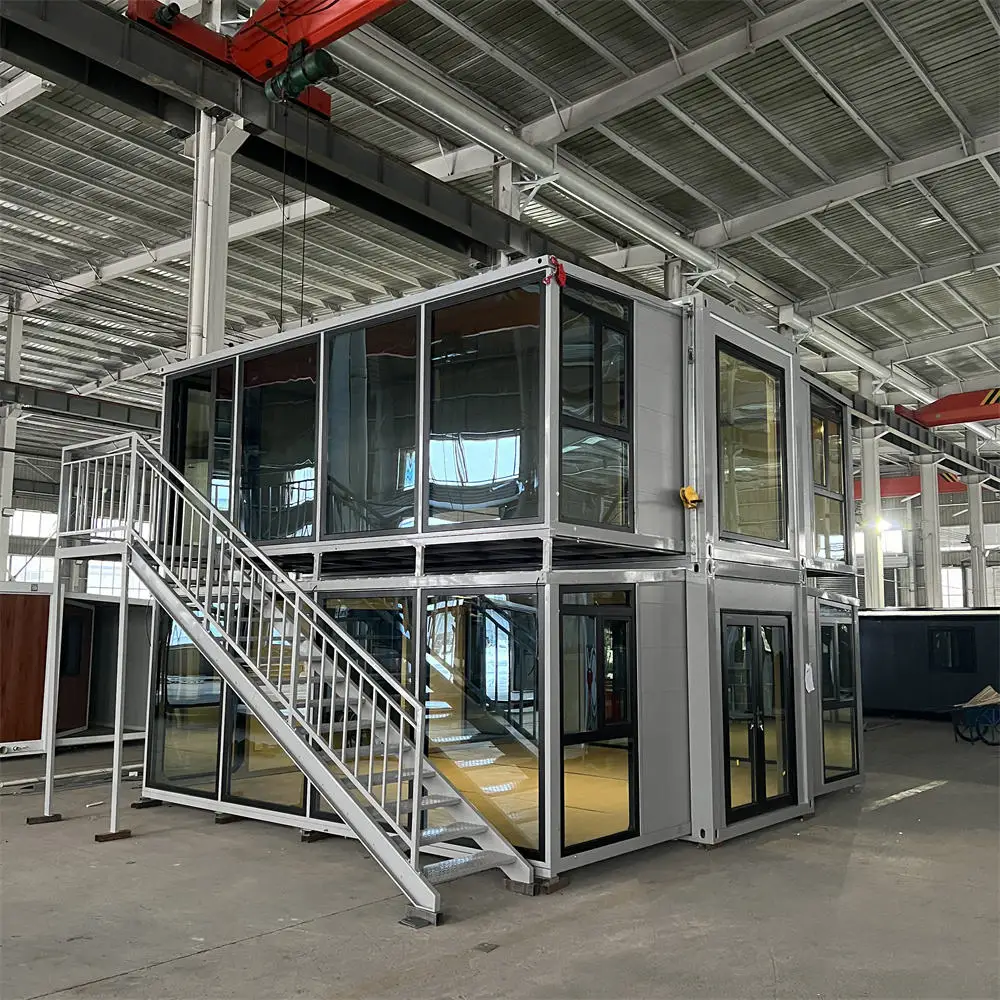

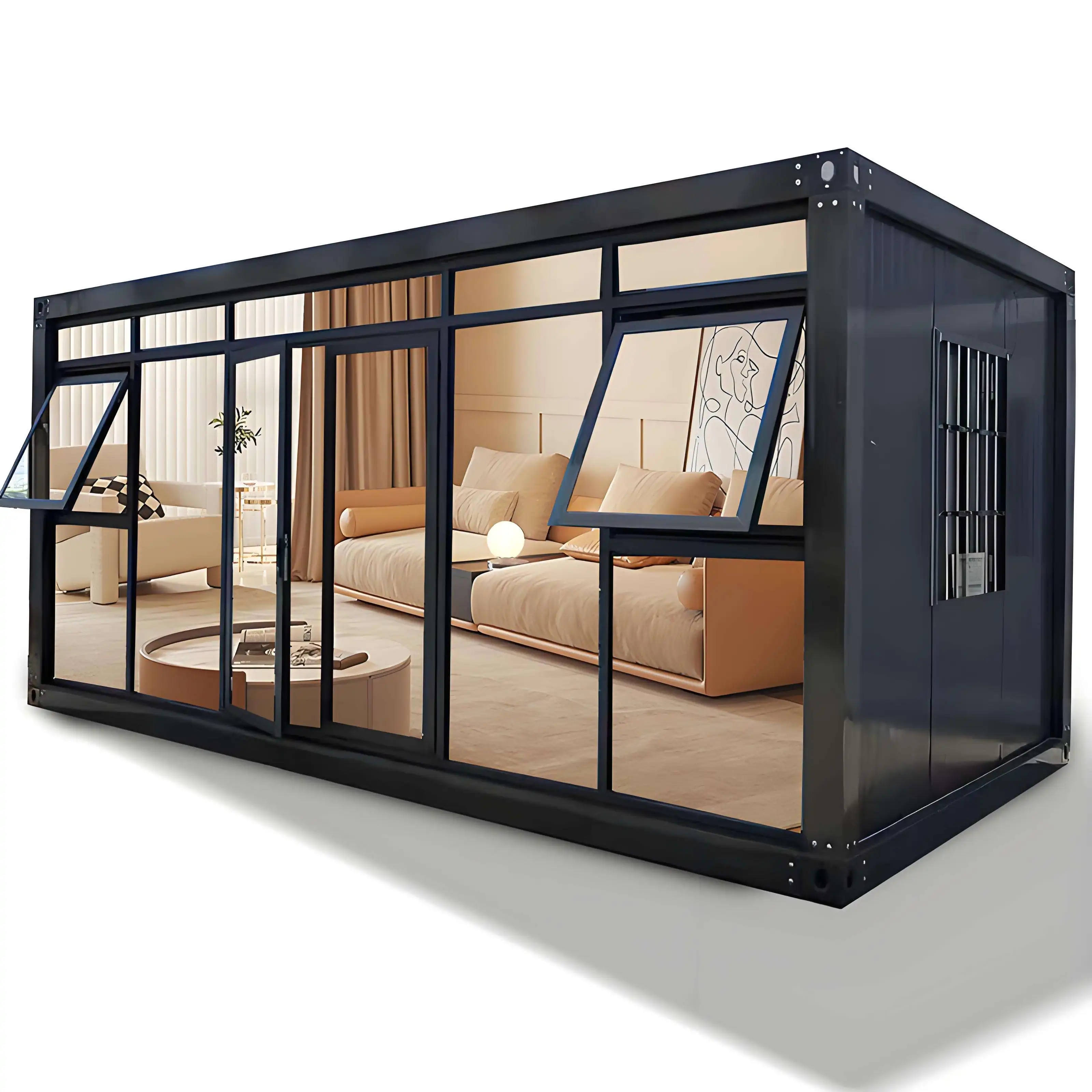
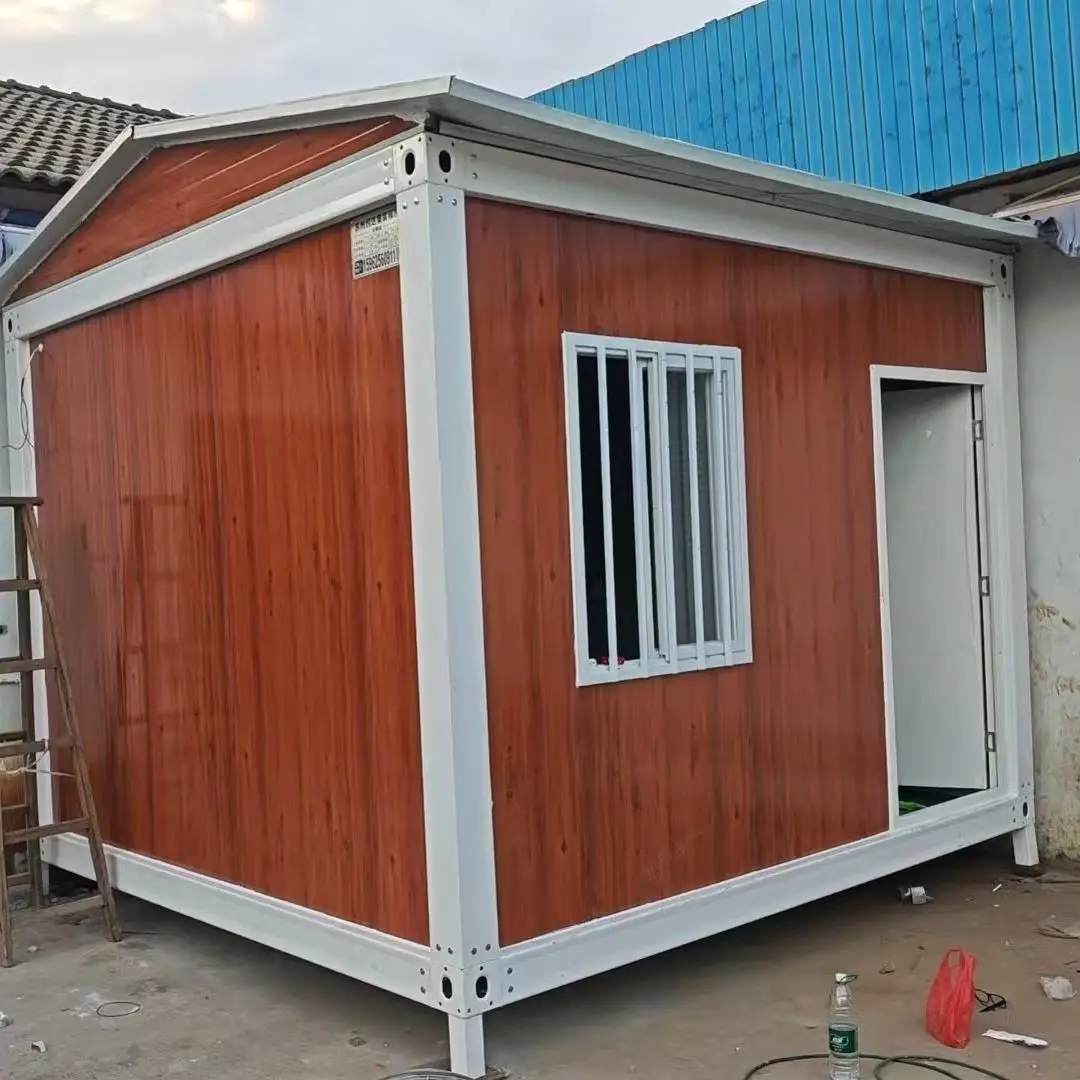
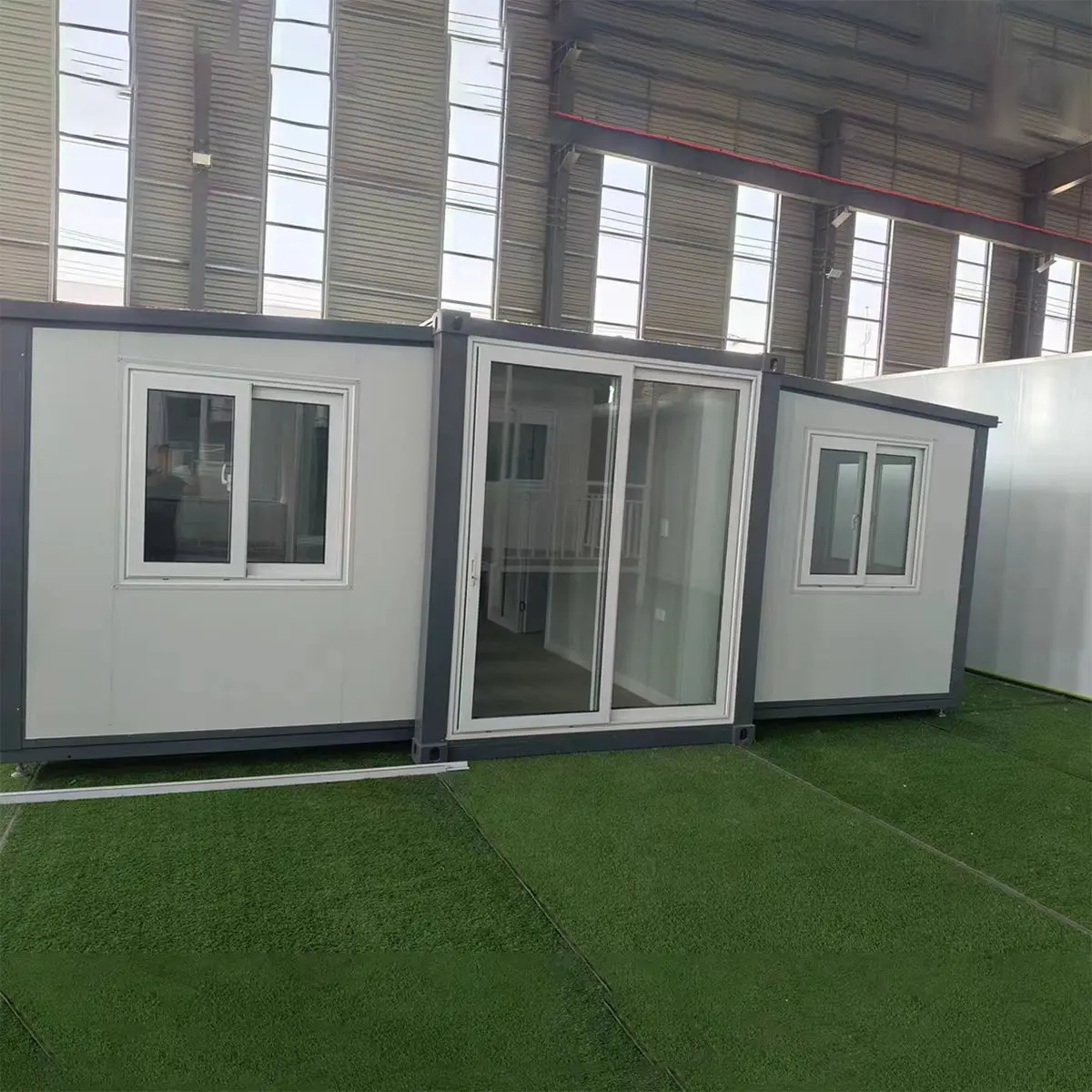
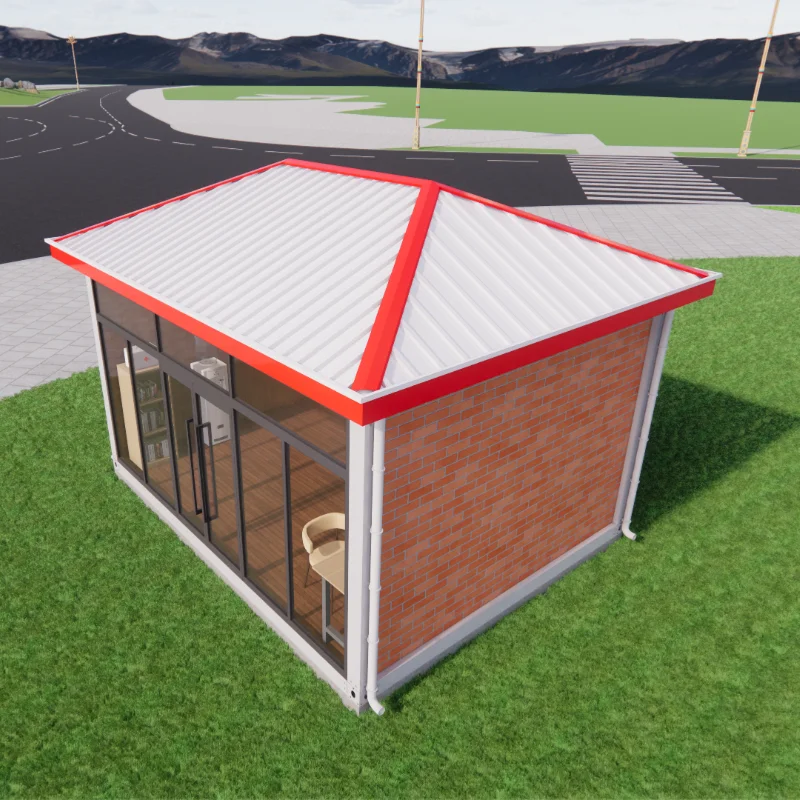
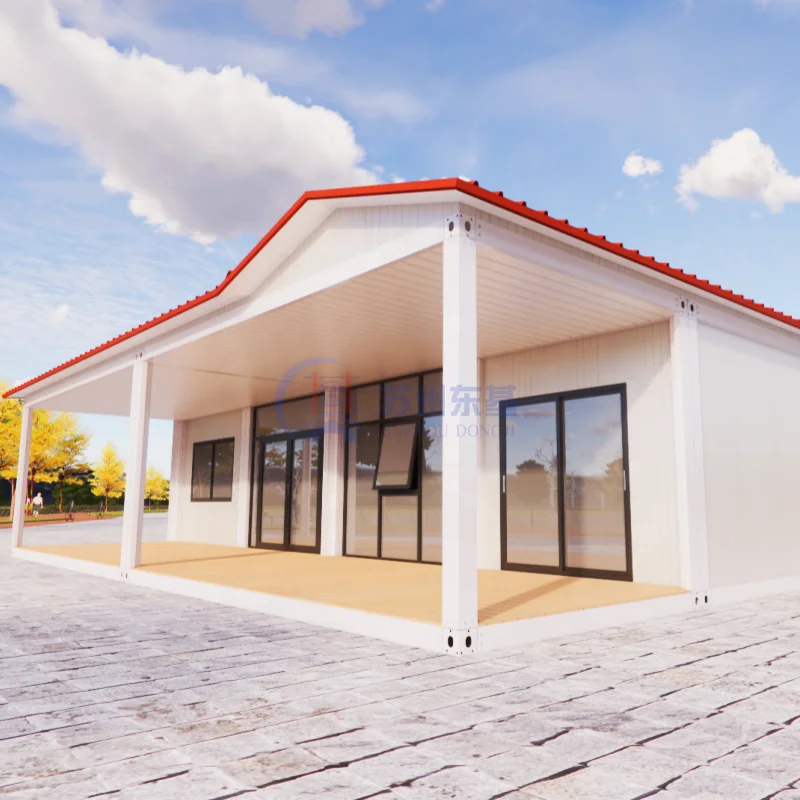
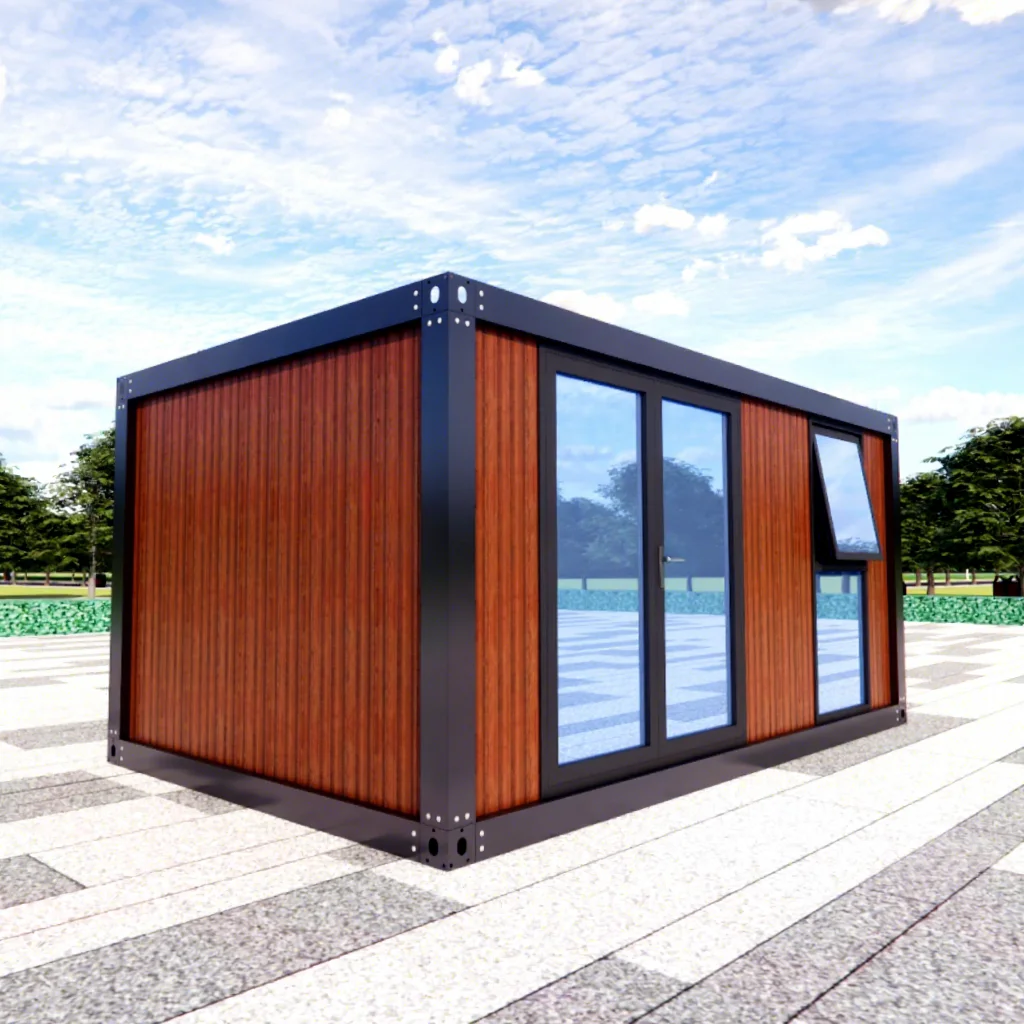
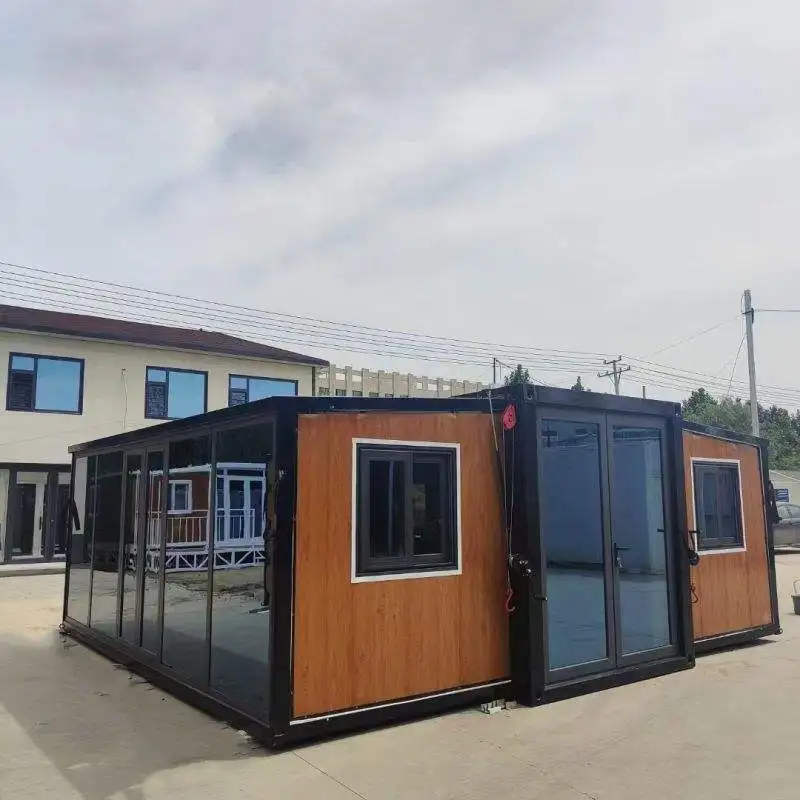
A Comprehensive Overview
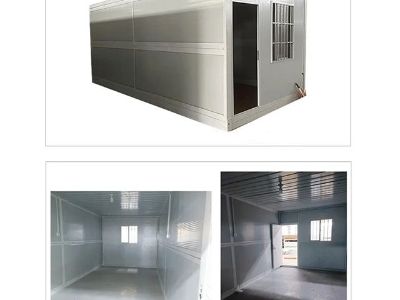
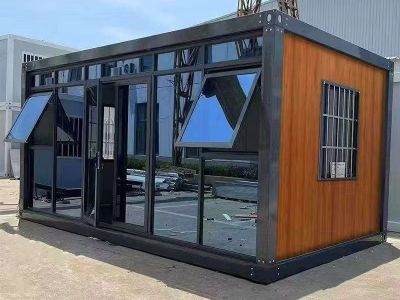
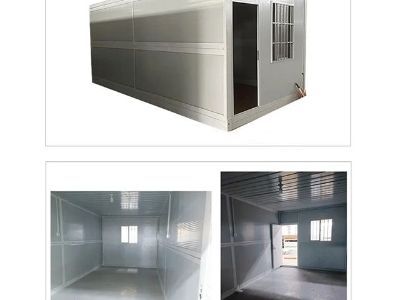
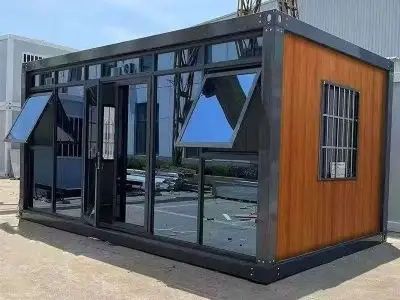
Modular container homes are prefabricated structures built from shipping containers or modular panels. They offer significant advantages, including speed of construction, cost efficiency, and adaptability to various environments.
Specifications: Common specifications to consider include dimensions, insulation properties, and load-bearing capabilities. For instance, the thickness of wall panels can greatly impact thermal performance and energy efficiency.
Manufacturing Process: Understanding the manufacturing process is crucial. Companies that produce their own wall panels and steel components, like Suzhou Dongji, often have better control over quality and cost. This in-house production can lead to reduced lead times and improved product consistency.
Applications: Modular homes are versatile and can be used for various applications, including temporary housing, onsite offices, and even emergency shelters. Their modular nature allows for easy relocation and expansion, making them a practical choice for many industries.