 EN
EN

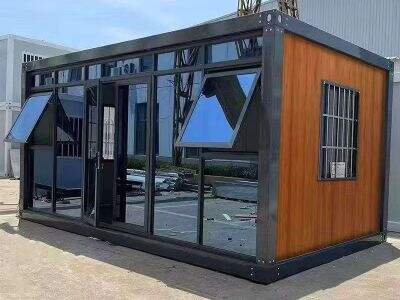
Small homes are tiny houses that have gained popularity in North America. They are beloved because they are cheap and green. But building and living in such small quarters isn’t always easy. There are differing rules about tiny houses in different places. These regulations ensure that tiny homes are safe, and conform to local rules. Businesses such as Dongji get this and they work tirelessly to facilitate tiny home builders, owners, etc. in meeting these requirements. Understanding the certification standards can bring tiny home owners a greater sense of security and satisfaction in their new homes
What Are the Major North American Tiny Home Certification Standards
Certification requirements for tiny homes may be different in each place across North America. Some regions may have size requirements, and others may be especially interested in built-in safety features. One commonly accepted rule is that tiny homes should be either built on a trailer, which can then be moved around, or placed permanently on a foundation. This is significant because it can impact how the home is used. For instance, homes on wheels could be considered RVs; those on foundations are treated like traditional homes. Also, fire safety is a big deal. For tiny houses, smoke detectors are a must and fire extinguishers may be as well. In some places, they are required to have energy-efficient appliances that help save power. Building materials matter, too. Strong and safe materials are used to help the tiny home withstand many years of wear and tear. They also need to inspect plumbing and electrical systems to ensure everything can function safely. Local governments might also have restrictions on where tiny homes can be located. There may be zoning requirements that could dictate where they must stand, and there might be rules about how close they may stand to other structures or how high off the ground they may rise. It’s very important for tiny home builders to investigate these regulations. They should also consult with local governments or other entities about whether they are complying with all of the rules
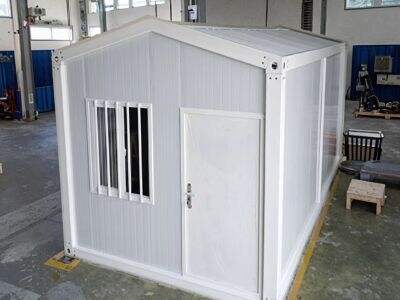
Where Should You Get Tiny House RV Certification Resources That Are Dependable for Your Business
If you wanting to build or sell tiny homes, knowing where to find good information is so very important. There are a few places to search. The local building departments are a good place to start. Tiny homes often have the most recent rules and regulations. There are also useful online resources. Websites that cater to the tiny-lifestyle crowd sometimes include articles and guides on how to get yourself certified. There may also be organizations that focus on tiny homes with resources available. They can also offer advice on how to comply with the standards and stay safe. Being a part of online tiny home communities is helpful. Many people write about it and give advice, and you can ask questions to get assistance. Books for reading about tiny home building may also be useful. One can also turn to Dongji as a resource, we know the industry and can help new builders understand what they need to do to comply with local rules. Knowing where to access this information can be a real game changer when it comes to building tiny homes safely and successfully
Tiny house certification standards are important guidelines that ensure tiny homes are safe and well built
These norms may shift from region to region through North America. If a tiny home meets these criteria, that’s a sign to me that it’s high quality and valuable. That’s crucial for buyers who want to be certain the home is one they can inhabit safely. For instance, if a tiny home is certified, it’s an indication that the builders followed the proper steps. They made sure the home is sound, well-insulated and constructed of nontoxic materials. For that reason, tiny homes with certification typically command a higher price tag. Certified homes instill trust, which allows buyers to pay a premium
We feel that, for Dongji, having certified tiny homes can be a way to differentiate ourselves in the market. As our homes are perceived by customers as being built to the right standards, they have greater confidence in making a purchase. This confidence can and will translate to more sales for us. Plus, certified tiny homes can be easier to sell because they meet local codes. Many towns and cities have regulations involving tiny homes. A certified home can frequently obtain permits and approvals more quickly. This allows buyers to move into their new homes earlier. What’s more, some banks and lenders are more likely to lend on certified homes. This can enable more people to purchase tiny homes, which is good for business at Dongji

If you want to invest in tiny homes for sale specifically with resale value, you should know where to look for certain certified options
One should note that a lot of builders/producers are offering houses which satisfy certification. Typically, you will find these homes at trade shows or online marketplaces. If not, it’s a good time to get in touch with some local builders ones that are known for their high level of work. They can provide insight into what is required for certification and may have homes available for sale. At Dongji, we scour for the best certified tiny homes and add them to our inventory. That way, when we sell them, we’ll know they are safe and valuable
Dongji’s standards for certification of tiny homesThe eprom standard as it applies to the certification being developed or already developed is important for quality, value and knowing good homes to sell. By targeting certified homes, Dongji can build a rapport with customers and expand in the tiny home market. When we give them a certified home, it’s not just to make our customers feel safe in their decision, but to distance ourselves from other builders. This can translate into increased sales and happy customers, which is part of our goal at Dongji
Table of Contents
- What Are the Major North American Tiny Home Certification Standards
- Where Should You Get Tiny House RV Certification Resources That Are Dependable for Your Business
- Tiny house certification standards are important guidelines that ensure tiny homes are safe and well built
- If you want to invest in tiny homes for sale specifically with resale value, you should know where to look for certain certified options