EN


When it comes to finding the right custom outdoor storage solutions, B2B buyers face a multitude of considerations. These storage options are essential for businesses needing secure and efficient outdoor spaces for tools, equipment, or inventory. This article outlines key factors to consider when selecting custom outdoor storage, providing insights into specifications, materials, evaluation processes, and cost considerations. By understanding these elements, purchasing managers and decision-makers can make informed choices that align with their operational needs.
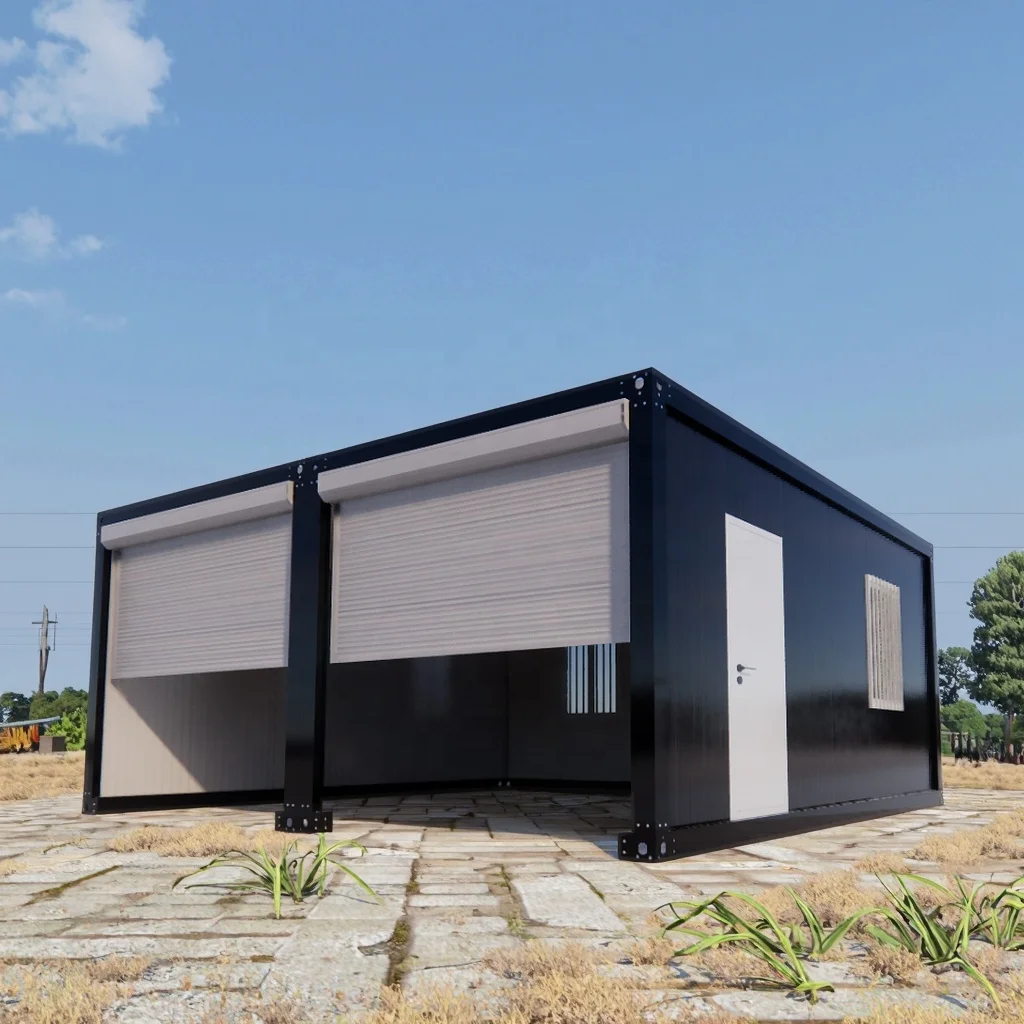
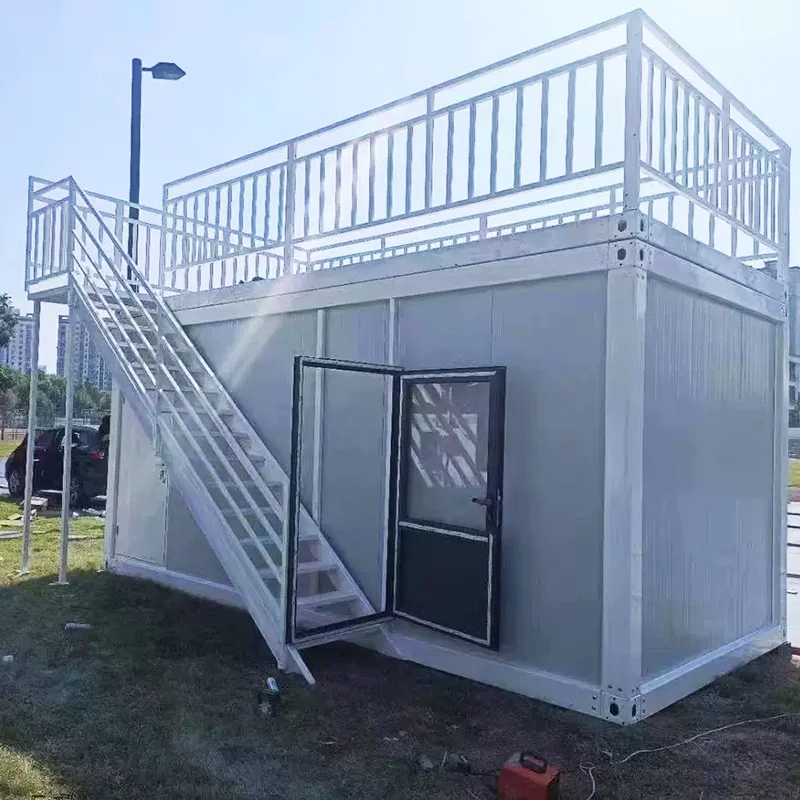
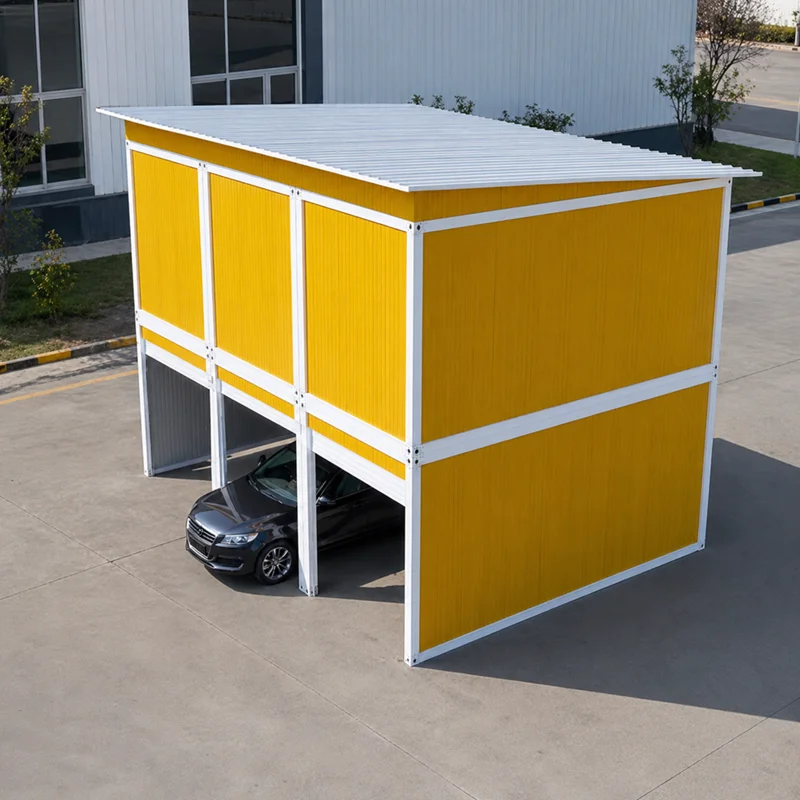
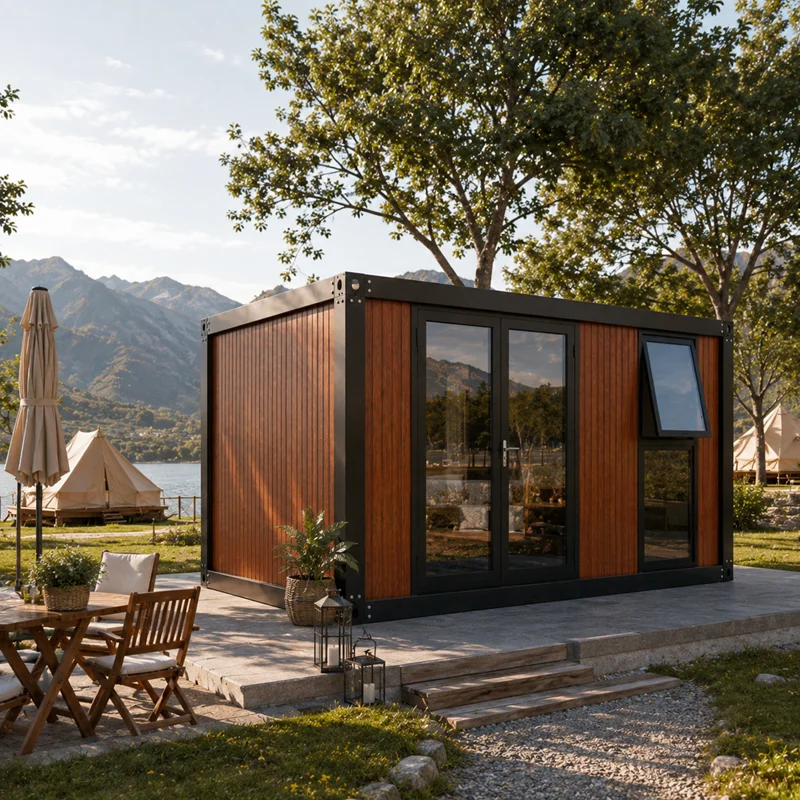
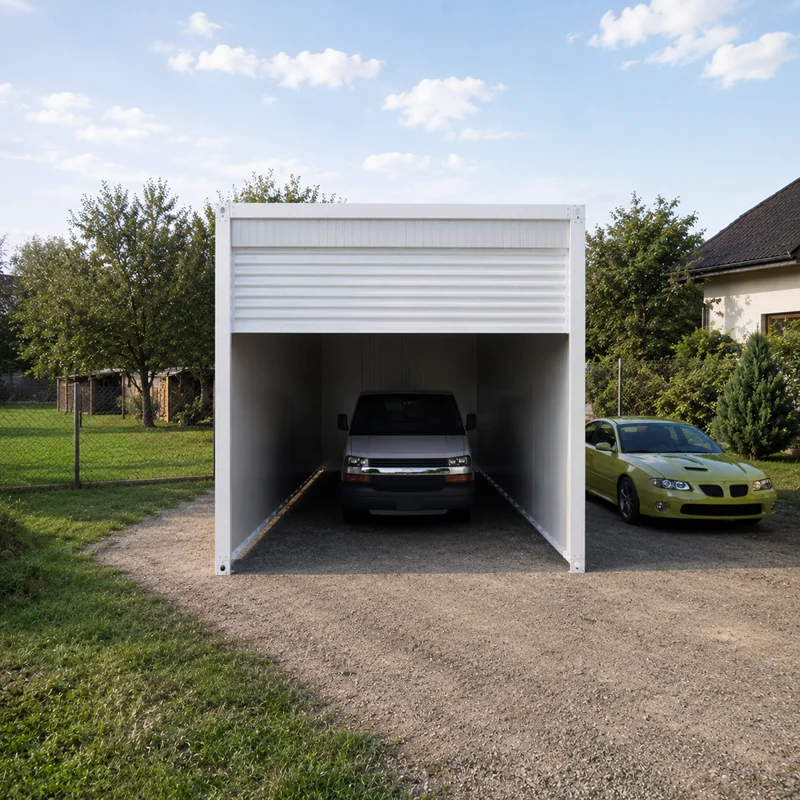
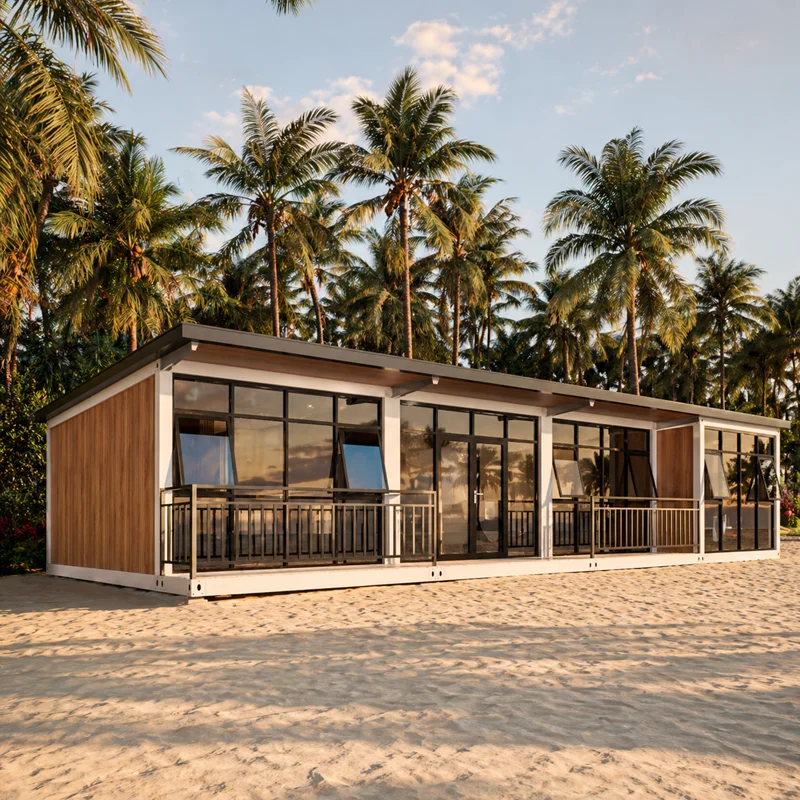
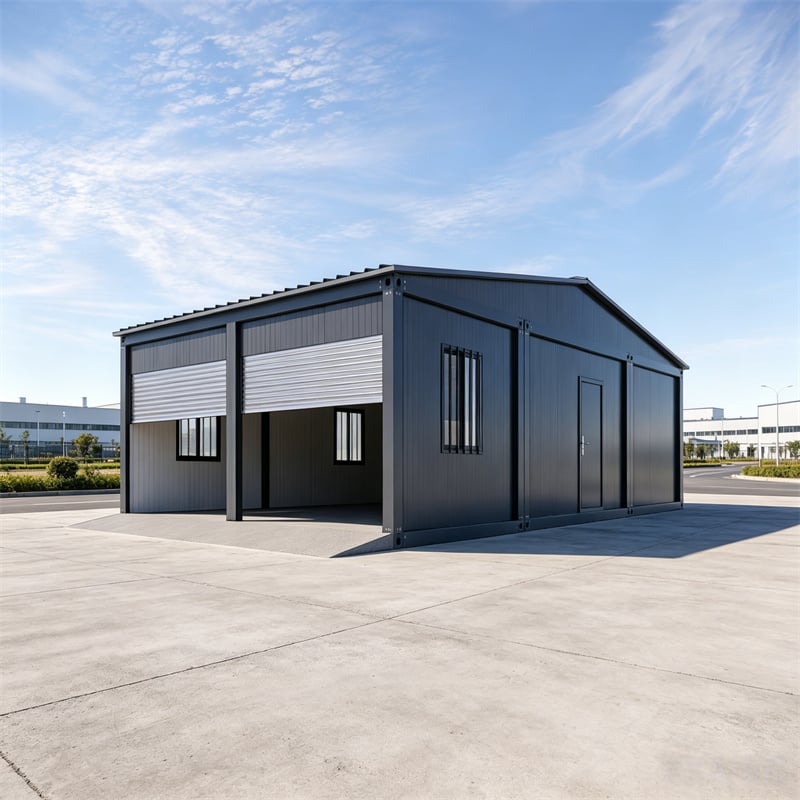
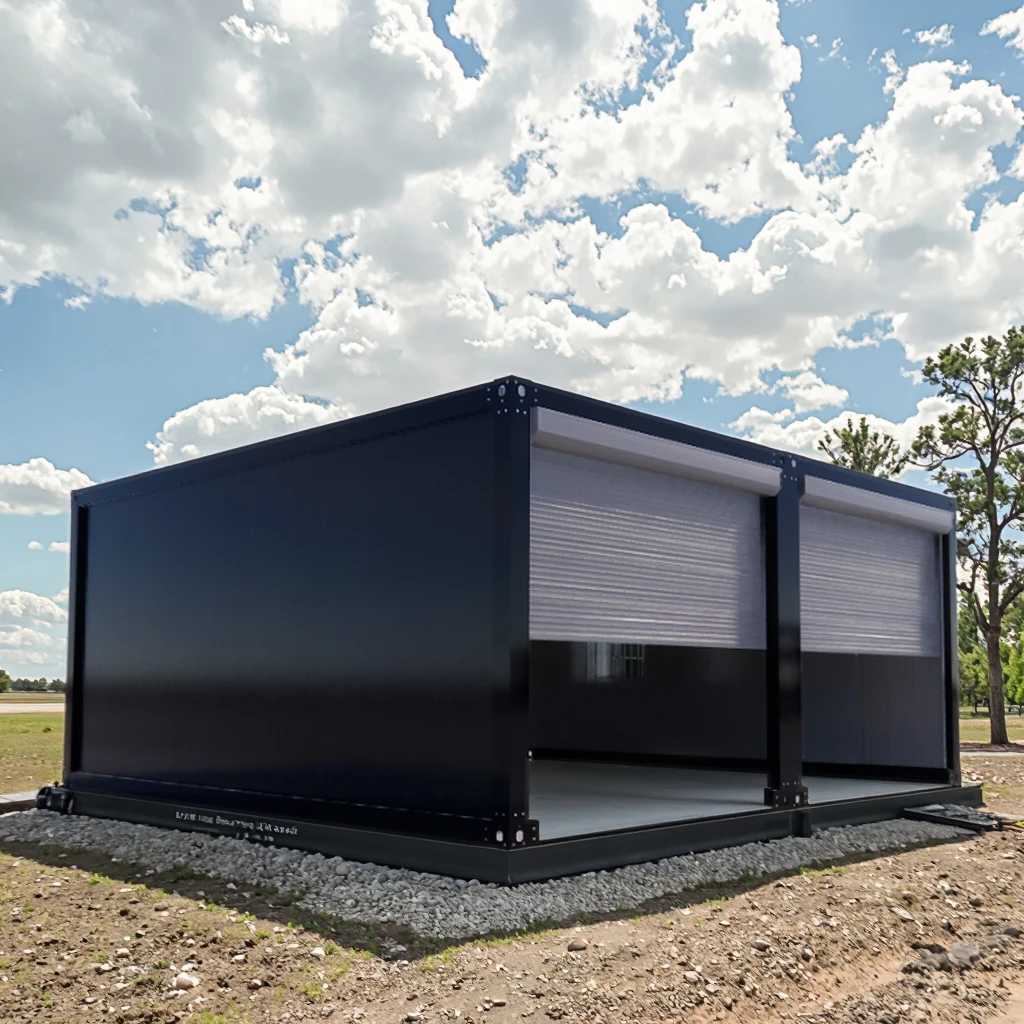
Key Specifications for High-Quality Custom Outdoor Storage Products
Understanding the specifications of custom outdoor storage is vital for making a sound purchasing decision. Key specifications include dimensions, load capacity, and material quality.
Dimensions: Ensure that the storage unit fits within the designated space while accommodating the intended volume of items. Measure the area where the unit will be placed and account for accessibility and maneuverability.
Load Capacity: Assess the weight limits of the storage unit to ensure it can support the intended items. This specification is particularly important for businesses that store heavy equipment or machinery.
Material Quality: The choice of materials impacts durability and maintenance. Common materials include steel, aluminum, and high-density polyethylene (HDPE). Each material has its benefits, such as corrosion resistance and strength, which should align with the storage’s intended environment.