EN


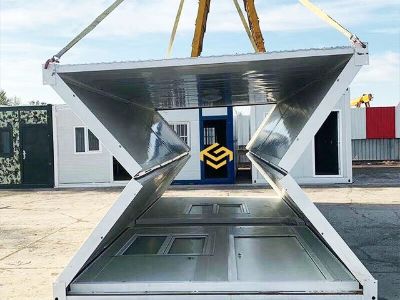
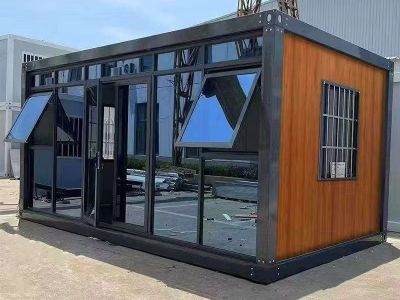
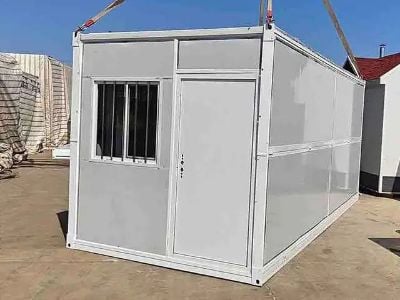
Shipping container houses have gained popularity as flexible, cost-effective living and workspaces, suitable for various applications. For businesses looking to buy shipping container houses, understanding the quality, specifications, and common concerns is crucial for making informed purchasing decisions. This tiny prefab house article will address key considerations for potential buyers, including how to evaluate quality, specifications to consider, where to purchase in bulk, common issues and their solutions, and the diverse applications of shipping container houses across different industries.




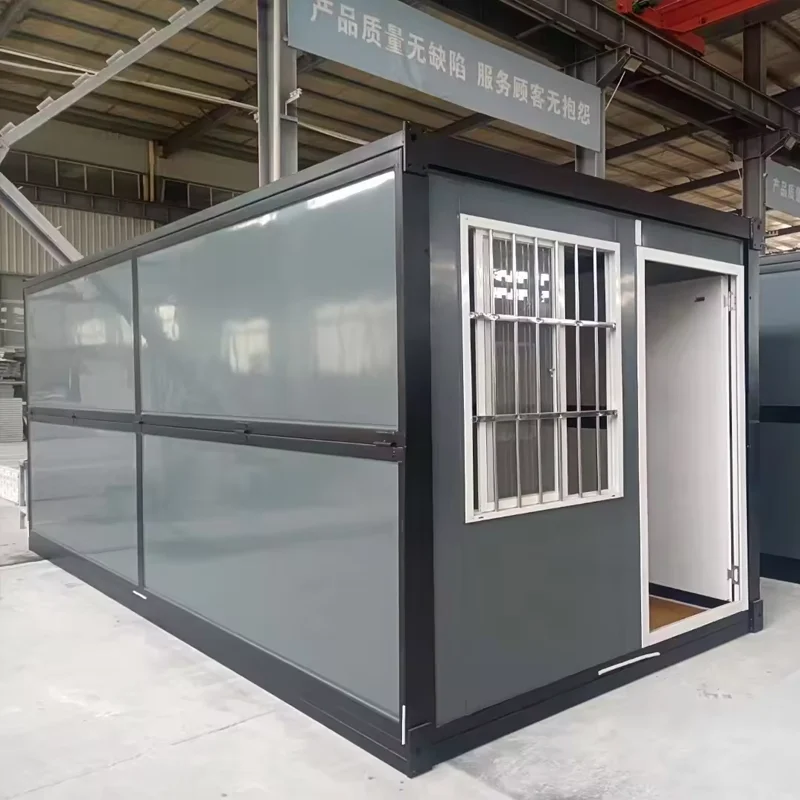
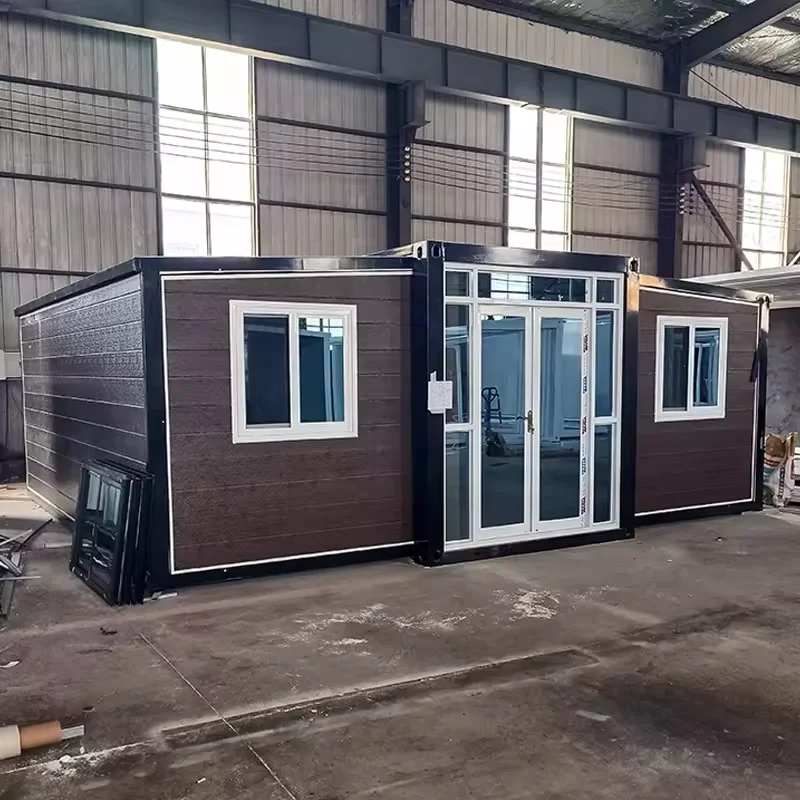

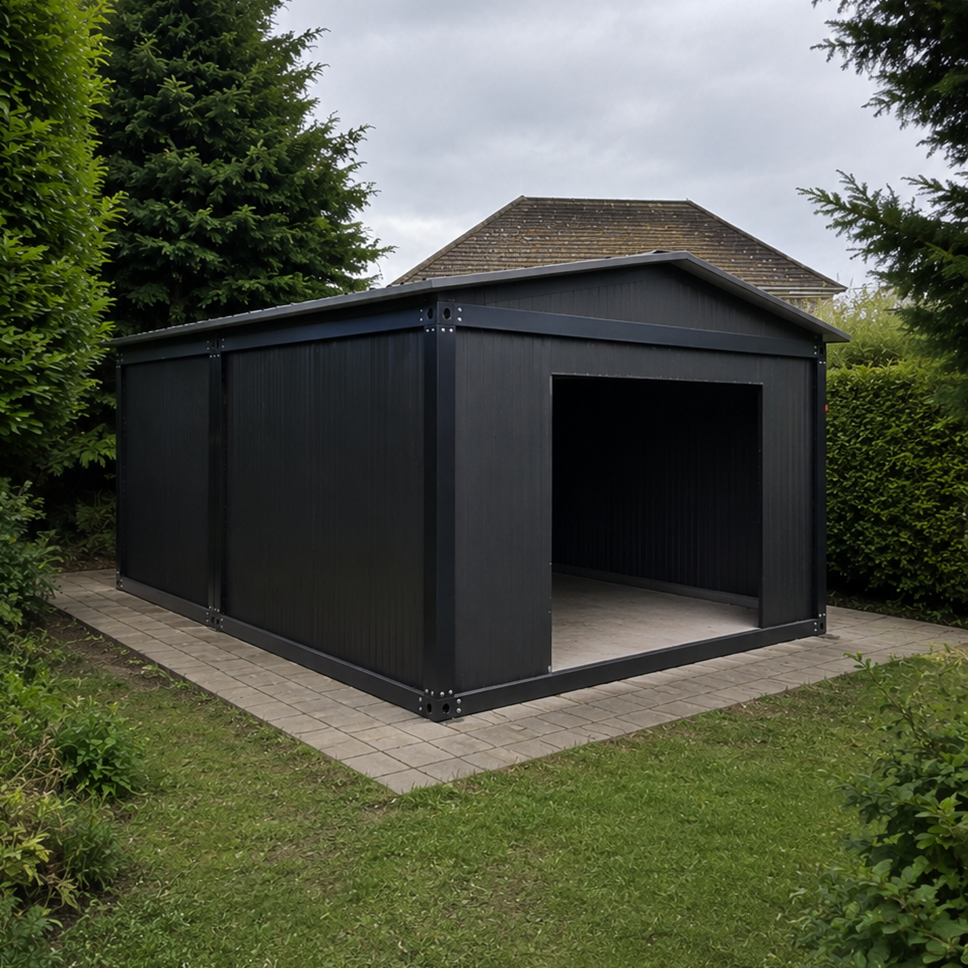


When purchasing shipping container houses
When purchasing shipping container houses, specific specifications should be confirmed to ensure suitability for your needs:
Dimensions: Standard shipping containers come in various sizes, predominantly 20-foot and 40-foot models. Confirm the dimensions required for your application and whether modifications are possible.
Weight Capacity: Understanding the weight limits is crucial if the container will support additional structures or heavy equipment. This specification will guide decisions on customizations.
Thermal Properties: Evaluate the R-value of insulation materials, which indicates their effectiveness in thermal resistance. This is particularly important for climate-sensitive applications.
Load-Bearing Capacity: If stacking containers or using them in multi-story applications, load-bearing capacity is critical. Confirm these specifications with the manufacturer.
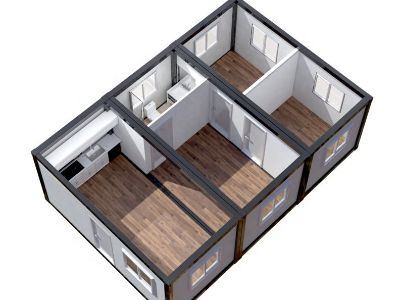
Customization Options: Discuss available customization options, such as layout changes, window placements, electrical wiring, and plumbing. Understanding the flexibility of designs can help meet specific project requirements.