 EN


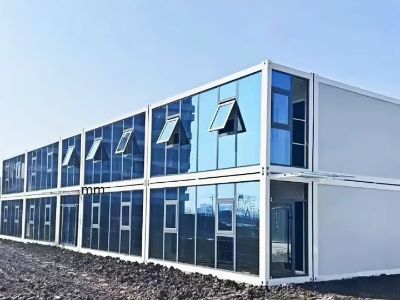
Modular container buildings offer a versatile solution for various applications, combining functionality with the ability to provide good sound insulation effects. As B2B buyers, understanding the intricacies of these structures is crucial, especially when considering performance, cost, and suitability for specific projects. This article will outline key factors to consider when selecting modular container buildings, including specifications, cost factors, applications across industries, and common issues along with their solutions.
What to Consider When Choosing Modular Container Buildings?
When selecting modular container buildings, several factors come into play. First, assess the intended use of the structure whether for temporary housing, offices, or commercial spaces as this will dictate design and layout requirements. Sound insulation is particularly important in urban settings or areas with high noise levels; therefore, it’s essential to inquire about the materials and construction methods that enhance soundproofing.
Additionally, consider the building's size and configuration. Modular units can be customized to meet specific dimensions and layouts. These buildings should also comply with local regulations, including fire safety standards and zoning laws. Buyers should evaluate the manufacturer’s experience in producing structures similar to what they require, as this can significantly impact the project's success.
Key Specifications for High-Quality Modular Container Structures
Several specifications can determine the quality and effectiveness of modular container buildings. Key factors include:
Material Composition: High-quality steel and insulated wall panels are critical for durability and thermal efficiency. Insulation materials should also be assessed for their soundproofing capabilities.
Structural Integrity: Ensure the building meets necessary load-bearing requirements, which are vital for safety and longevity.
Dimensions and Customization Options: Depending on the modular container home project, different dimensions may be required. Check if the manufacturer can accommodate custom sizes and layouts.
Sealing and Weather Resistance: Proper sealing techniques are vital to prevent moisture intrusion and maintain sound insulation.
Understanding these specifications will enable buyers to evaluate whether a modular container building meets their project needs effectively.
Cost Factors to Evaluate for Modular Container Building Projects
Cost is a major consideration in any B2B procurement process. When evaluating the price of modular container buildings, consider the following factors:
Material Costs: Prices can vary significantly based on the materials selected for construction. Higher-quality materials may incur higher upfront costs but can lead to lower maintenance and operational costs in the long run.
Customization Requirements: Custom designs or additional features can increase overall costs. Buyers should clearly communicate their needs to obtain accurate quotes.
Delivery and Installation: Shipping costs and the modular container home complexity of installation can also affect the total price. Understanding lead times for delivery and whether installation is included in the quote is essential.
Maintenance and Long-Term Costs: Evaluate potential maintenance needs and costs associated with the building's lifecycle. Structures with better sound insulation may require less upkeep, thereby reducing long-term expenses.
By considering these cost factors, buyers can make informed decisions that align with their budget constraints.
Applications of Modular Container Buildings in Various Industries
Modular container buildings are highly versatile and find applications across several industries, including:
Construction: Temporary site offices and worker accommodations.
Healthcare: Mobile clinics and emergency response units.
Education: Classrooms and administrative buildings for schools.
Retail: Pop-up stores and kiosks in high-traffic areas.
Hospitality: Modular hotels and vacation rentals.
Each application may have unique requirements regarding design, functionality, and sound insulation. For example, a healthcare facility may prioritize soundproofing to ensure patient confidentiality, while a construction site may focus on mobility and quick setup. Understanding these applications will help buyers select the right solution for their needs.
Common Problems with Modular Structures and Effective Solutions
Despite their advantages, modular container buildings can face issues that buyers should be aware of. Common problems include:
Insufficient Sound Insulation: If not properly designed, modular units may not provide the desired sound insulation. Buyers should inquire about the insulation materials used and request performance data to ensure they meet requirements.
Structural Weaknesses: Poor construction practices can lead to structural failures. It’s crucial to choose a reputable manufacturer with a strong quality control process.
Moisture Intrusion: Improper sealing can result in leaks and mold growth. Buyers should ensure that effective sealing techniques are employed during construction and ask about maintenance recommendations to prevent these issues.
Compliance with Local Regulations: Modular buildings must adhere to local building codes. Buyers should verify that the manufacturer is knowledgeable about these regulations and can ensure compliance.
By proactively addressing these common problems, buyers can minimize risks and ensure their modular container building performs as expected. In summary, selecting a modular container homes building with good sound insulation effect requires careful consideration of various factors, including specifications, cost, applications, and potential challenges. By engaging with knowledgeable manufacturers like Suzhou Dongji Integrated Housing Technology Co., Ltd., buyers can make informed decisions that align with their project goals.
Table of Contents
- What to Consider When Choosing Modular Container Buildings?
- Key Specifications for High-Quality Modular Container Structures
- Cost Factors to Evaluate for Modular Container Building Projects
- Applications of Modular Container Buildings in Various Industries
- Common Problems with Modular Structures and Effective Solutions