 EN


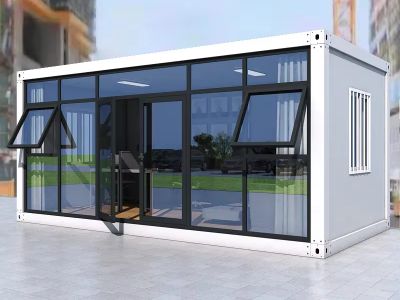
Light steel frames are crucial components in the construction of prefabricated container houses, providing high stability and durability. As businesses increasingly seek efficient building solutions, understanding the role of light steel frames can significantly influence purchasing decisions. This article explores essential specifications of light steel frames, supplier recommendations, quality standards, common challenges, and diverse applications to help you navigate your procurement process effectively.
Key Specifications of Light Steel Frames in Prefabricated Housing
When considering light steel frames for prefabricated container houses, several specifications are essential. These include:
Material Composition: Light steel frames are typically made from high-strength steel, which ensures structural integrity while remaining lightweight. The gauge of the steel (often between 14 to 20) affects both weight and strength, with thicker gauges offering increased durability.
Dimensions: The dimensions of the frame members (such as width, height, and thickness) are critical. Standard dimensions must align with the design requirements of the container house. Buyers should confirm the specifications with the manufacturer to ensure compatibility with their project.
Load-Bearing Capacity: Understanding the load-bearing capacity is vital for safety and compliance with local building codes. This specification should be evaluated based on the intended use of the container house and potential environmental factors like wind or snow loads.
Corrosion Resistance: Consider whether the light steel villa steel frames have undergone treatments such as galvanization or powder coating to enhance their resistance to corrosion. This is particularly important in coastal or high-humidity environments.
Production Tolerances: Tolerances in manufacturing impact the assembly process and overall quality. Buyers should verify acceptable tolerances with their suppliers to ensure seamless construction.
Where to Find Reliable Suppliers of Light Steel Frames?
Finding a trustworthy supplier for light steel frames requires thorough research. Here are several strategies to identify reliable manufacturers:
Industry Directories: Utilize online industry directories and trade associations that specialize in construction and prefabricated housing. These platforms often feature vetted suppliers and manufacturers.
Trade Shows and Expos: Attending industry trade shows provides a unique opportunity to meet suppliers in person, evaluate their products, and discuss your specific needs. This face-to-face interaction can help establish a relationship of trust.
Referrals and Testimonials: Seeking referrals from industry peers or reading customer testimonials can offer insights into a supplier's reliability and product quality. Look for suppliers with a proven track record in manufacturing light steel frames.
Certifications and Standards: Ensure that potential suppliers adhere to relevant industry standards and certifications, such as ISO 9001 for quality management systems. This can indicate their commitment to maintaining high manufacturing standards.
Comparing Quality Standards in Light Steel Frame Manufacturing
Quality standards in light steel frame manufacturing can vary significantly between suppliers. When evaluating potential manufacturers, consider the following aspects:
Material Quality: Verify that the steel used meets recognized standards, such as ASTM A500 for structural steel. This ensures that the frames provide the necessary strength and durability.
Manufacturing Processes: Review the manufacturing processes in place, including welding, forming, and assembly techniques. Advanced technologies, such as automated cutting and welding, often lead to higher precision and consistency.
Quality Control Mechanisms: Inquire about the quality of light gauge steel villa control processes that manufacturers implement. A rigorous quality assurance program should include inspections at various production stages to catch defects early.
Testing Protocols: Assess whether the manufacturer conducts tests on their products, such as tensile strength and load testing, to validate performance claims.
Common Problems with Container Houses and Light Steel Frame Solutions
While prefabricated container houses offer numerous advantages, they can present specific challenges. By leveraging light steel frames, many of these problems can be effectively addressed:
Structural Integrity: Container houses must withstand various stresses, including environmental factors. Light steel frames enhance structural integrity, reducing risks associated with bending, warping, or collapsing under heavy loads.
Thermal Insulation: Poor insulation can lead to uncomfortable living conditions. Integrating insulated panels with light steel frames can improve thermal efficiency, reducing heating and cooling costs.
Moisture Resistance: Container houses are susceptible to moisture infiltration, which can lead to mold and degradation. Steel frames can be designed with moisture barriers and proper drainage systems to minimize these risks.
Customization: Many buyers require unique designs and layouts. Light steel frames allow for flexibility and customization in design, accommodating specific project requirements without compromising structural stability.
Applications of Light Steel Frames in Diverse Modular Housing Projects
Light steel frames are versatile and applicable in various modular housing projects, including:
Residential Units: Light steel frames can be used to construct single-family homes or multi-unit residential buildings, offering durability and energy efficiency.
Commercial Spaces: Offices and retail spaces benefit from the quick assembly and modern aesthetics of light steel frames. Their lightweight nature allows for easier transportation and installation.
Temporary Structures: For projects requiring rapid deployment, such as disaster relief or temporary housing, light steel frames offer a reliable solution that can be assembled quickly and efficiently.
Custom Living Spaces: With their adaptability, steel modular house can be tailored to create bespoke living environments, including eco-friendly homes or unique architectural designs.
By understanding the specifications, sourcing reliable suppliers, comparing quality standards, addressing common challenges, and exploring diverse applications, buyers can make informed decisions regarding light steel frames for prefabricated container houses. This knowledge ultimately leads to better procurement outcomes and successful project execution.
Table of Contents
- Key Specifications of Light Steel Frames in Prefabricated Housing
- Where to Find Reliable Suppliers of Light Steel Frames?
- Comparing Quality Standards in Light Steel Frame Manufacturing
- Common Problems with Container Houses and Light Steel Frame Solutions
- Applications of Light Steel Frames in Diverse Modular Housing Projects