 EN


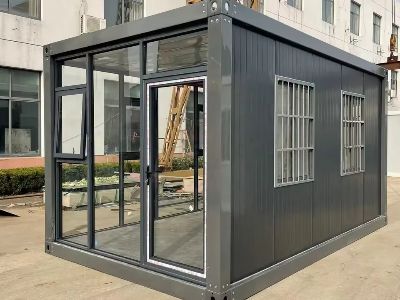
The bolt connection structure is a significant innovation in the design of container houses, facilitating easy disassembly and reassembly. This flexibility is essential for B2B buyers, including purchasing managers and project planners, who seek efficient solutions in modular construction. , we will explore how bolt connection structures simplify the disassembly of flat pack container house, key specifications for reliable connections, quality evaluation criteria, comparisons of structures for various applications, and the benefits these connections offer to contractors and distributors.
How Bolt Connection Structures Simplify Container House Disassembly?
Bolt connection structures are designed to enable fast and efficient assembly and disassembly of container houses. Unlike traditional welding techniques, which create permanent joints, bolt connections allow for modular components to be easily detached and reattached. This feature is particularly advantageous for businesses that require temporary housing solutions, such as construction companies or event organizers.
The modularity of bolt connections means that a flat pack container house china can be relocated, expanded, or modified with minimal effort. For instance, if a project demands an increase in space or layout changes, components can be swiftly disassembled without specialized skills or equipment. This ease of disassembly not only saves time but also reduces labor costs, making it an attractive solution for B2B buyers seeking efficiency in their projects.
Key Specifications for Reliable Bolt Connection in Container Homes
When evaluating bolt connections for container houses, several specifications are crucial to ensure reliability and structural integrity. Key considerations include:
Bolt Material: High-strength steel is commonly used for its durability and resistance to corrosion. Buyers should ensure that the material selected meets the environmental conditions of the intended application.
Bolt Diameter and Length: These dimensions should be specified based on the load-bearing requirements of the container structure. A professional engineer can provide guidance on appropriate sizes based on expected loads.
Torque Specifications: Proper torque settings are vital for ensuring that bolts are securely fastened. Under-tightening can lead to structural failure, while over-tightening may cause damage to the materials.
Connection Design: The design of the connection should accommodate thermal expansion and contraction, reducing the risk of joint failure over time.
By confirming these specifications before placing an order, buyers can ensure that the bolt connections will meet their performance and safety needs.
Evaluating the Quality of Container Houses with Bolt Connections
Quality evaluation of container houses featuring bolt connections involves several factors that should be meticulously checked:
Material Quality: Inspect the steel used for bolts and the container structure. It should conform to recognized standards such as ASTM or ISO.
Welding and Manufacturing Standards: Ensure that the manufacturer follows strict quality control processes during production. This includes checking for consistent bolt hole alignment and ensuring that the manufacturing tolerances are maintained.
Inspection Certifications: Request any relevant certifications or documentation that validate the quality of materials and manufacturing processes. This can include third-party inspection reports.
Performance Testing: Ideally, the flat pack container house price should undergo load testing to confirm that it meets specified load-bearing criteria.
A thorough quality evaluation helps mitigate risks associated with structural failure, which is critical in purchasing decisions for modular housing solutions.
Comparing Bolt Connection Structures for Versatile Container Applications
Different bolt connection structures can be optimized for various applications, and understanding these differences aids in making informed purchasing decisions. Some common types include:
Single-Shear Connections: These are simple and effective for lightweight structures but may not be suitable for high-stress applications.
Double-Shear Connections: Offering greater load distribution, these connections are ideal for more substantial container structures that experience significant loads.
Tension and Compression Connections: Depending on the design of the container house, connections can be tailored to handle specific tension or compression forces, enhancing overall stability.
Modular Joint Designs: These allow for customization and flexibility in design, making them beneficial for projects requiring frequent modifications or relocations.
When comparing structures, consider the specific application requirements such as load conditions, environmental factors, and intended use. This understanding will guide buyers toward selecting the most suitable bolt connection structure for their projects.
Benefits of Bolt Connections in Modular Housing for Contractors and Distributors
Bolt connections offer numerous advantages that appeal directly to contractors and distributors involved in modular housing projects:
Reduced Assembly Time: Bolt connections significantly decrease the time required for assembly and disassembly, allowing contractors to complete projects more quickly and efficiently.
Cost-Effectiveness: By minimizing labor costs and allowing for reuse of materials, bolt connections can lead to significant savings over the project lifecycle.
Flexibility and Customization: The ease of modifying bolt-connected structures allows for greater adaptability in design, catering to changing project requirements or client preferences.
Sustainability: The ability to disassemble and relocate container houses reduces waste and promotes sustainable practices in the construction industry.
For distributors, the appeal lies in offering a product that meets the growing demand for efficient, flexible housing solutions that can adapt to various market needs. Understanding these benefits can help in presenting the product effectively to potential buyers.
In summary, bolt connection structures provide a practical and efficient solution for modular housing. By understanding their specifications, quality metrics, and application versatility, B2B buyers can make informed decisions that align with their project requirements.
Table of Contents
- How Bolt Connection Structures Simplify Container House Disassembly?
- Key Specifications for Reliable Bolt Connection in Container Homes
- Evaluating the Quality of Container Houses with Bolt Connections
- Comparing Bolt Connection Structures for Versatile Container Applications
- Benefits of Bolt Connections in Modular Housing for Contractors and Distributors