EN


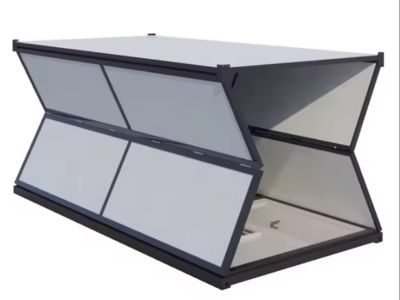
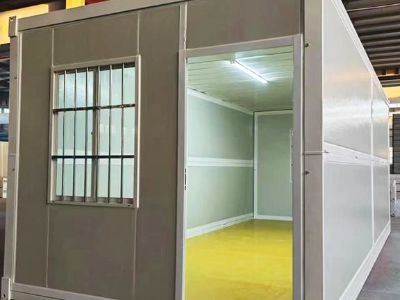
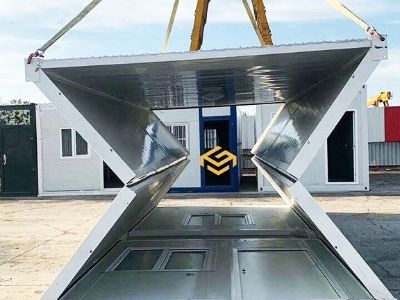
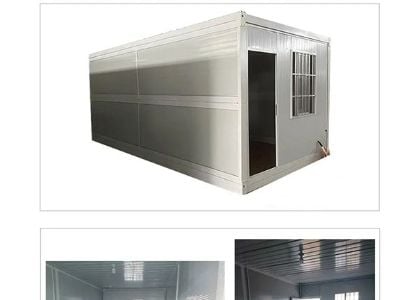
Two story shipping container houses have emerged as a versatile and sustainable housing solution, combining innovative design with efficient use of materials. As a purchasing manager or project planner, you may be evaluating the feasibility of these structures for various applications, including temporary housing, permanent residences, or commercial use. This article aims to provide a comprehensive understanding of the key specifications, features, installation guidance, cost factors, and common issues associated with Dongji flat pack container house, enabling you to make informed purchasing decisions.


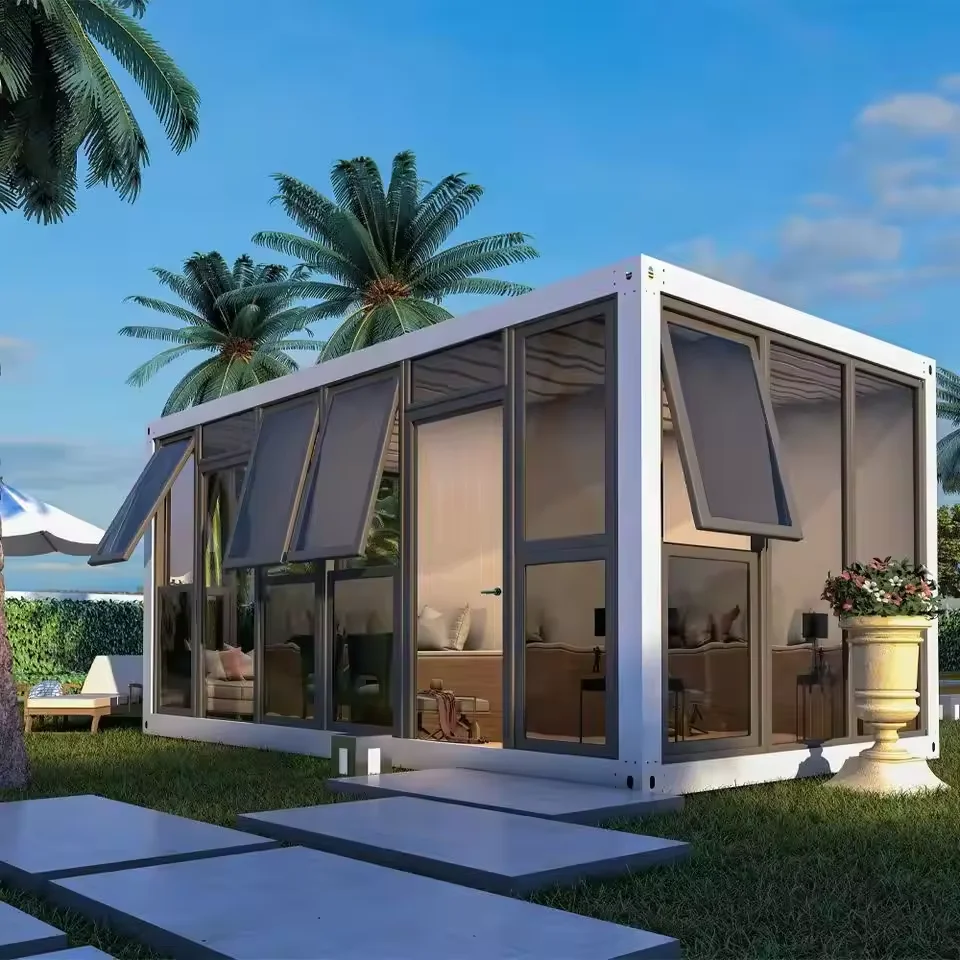
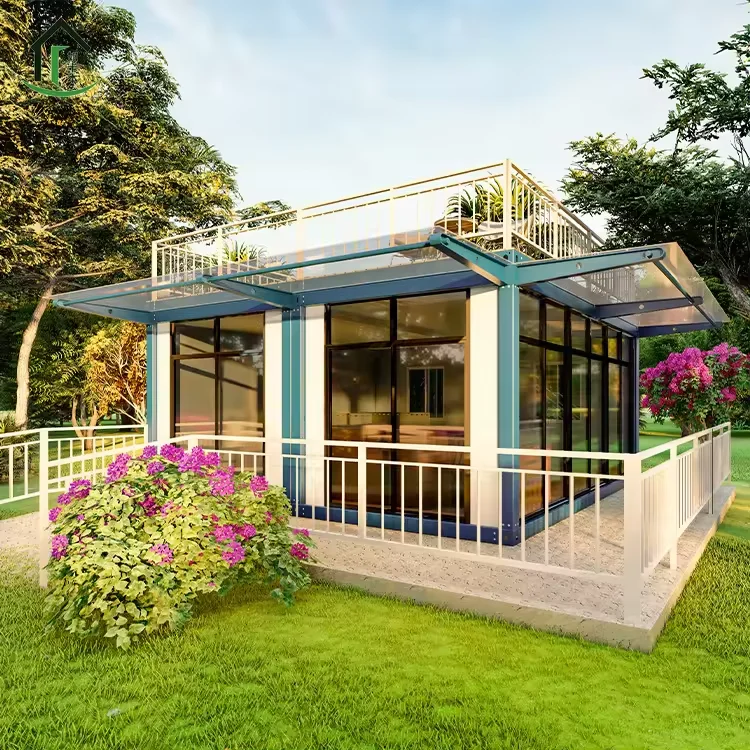
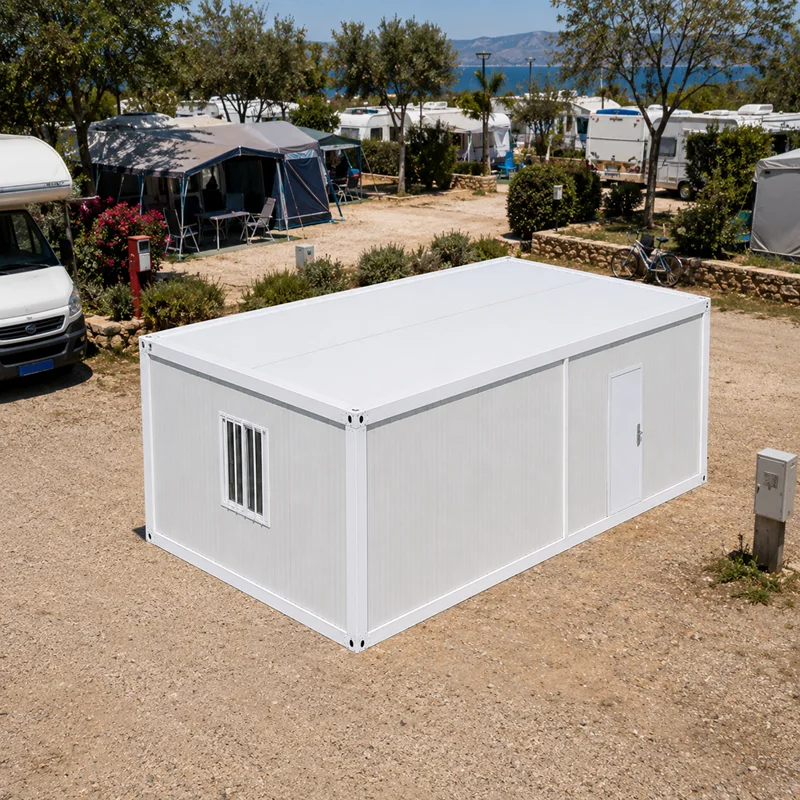
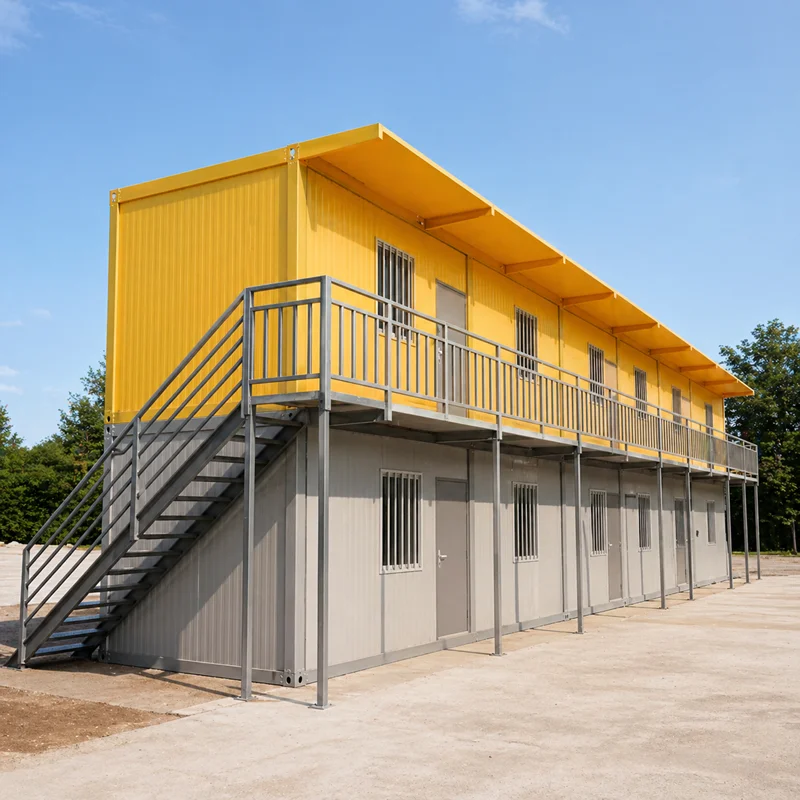
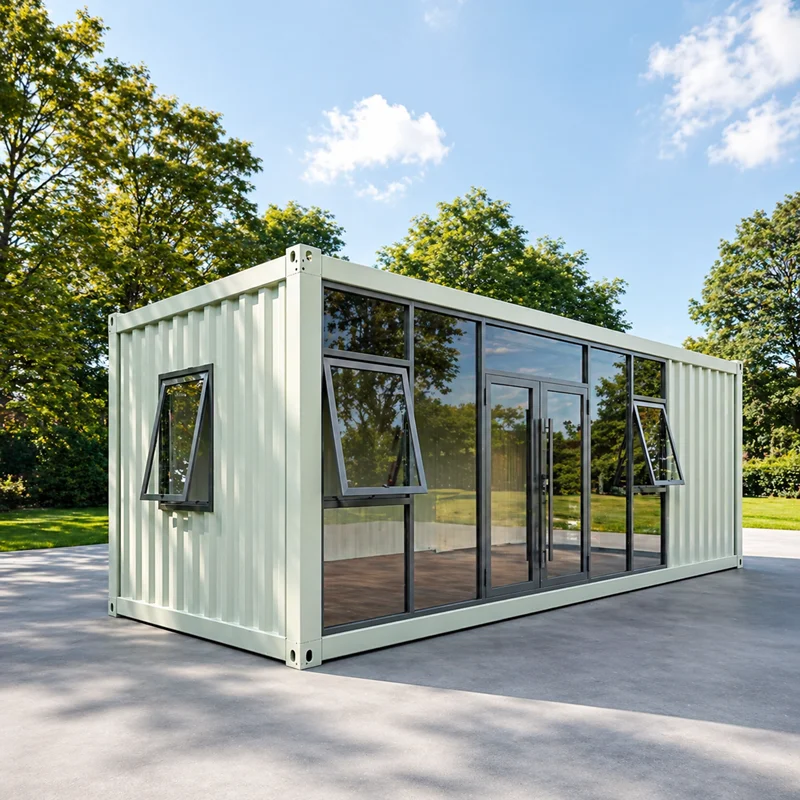
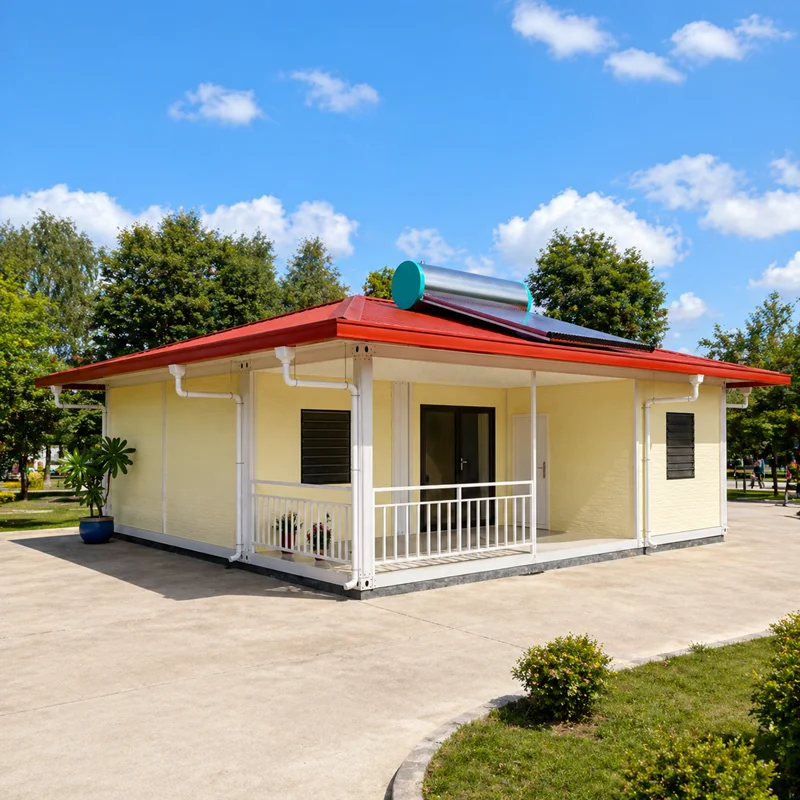
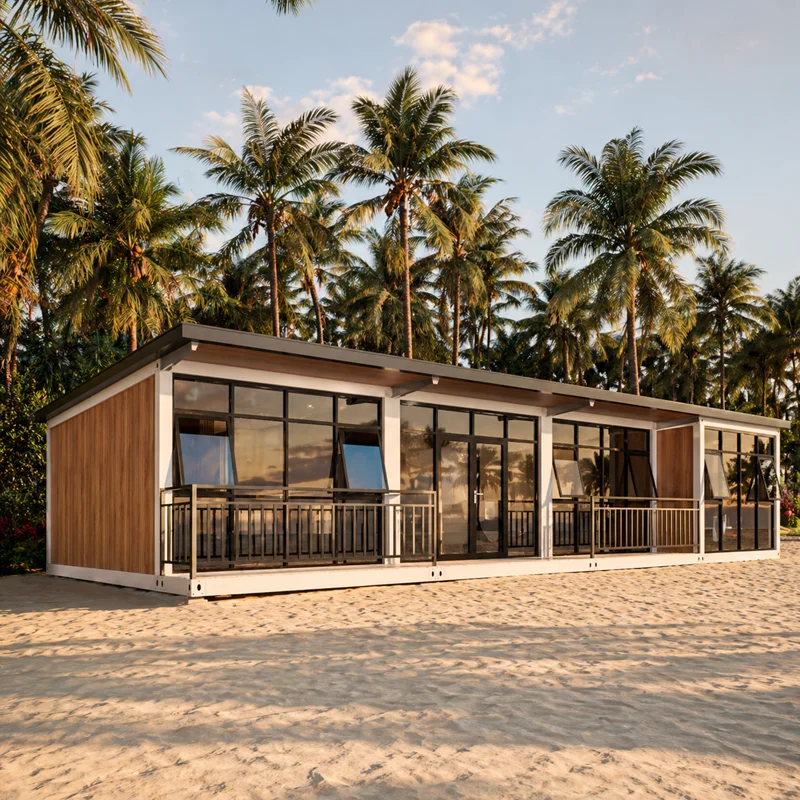
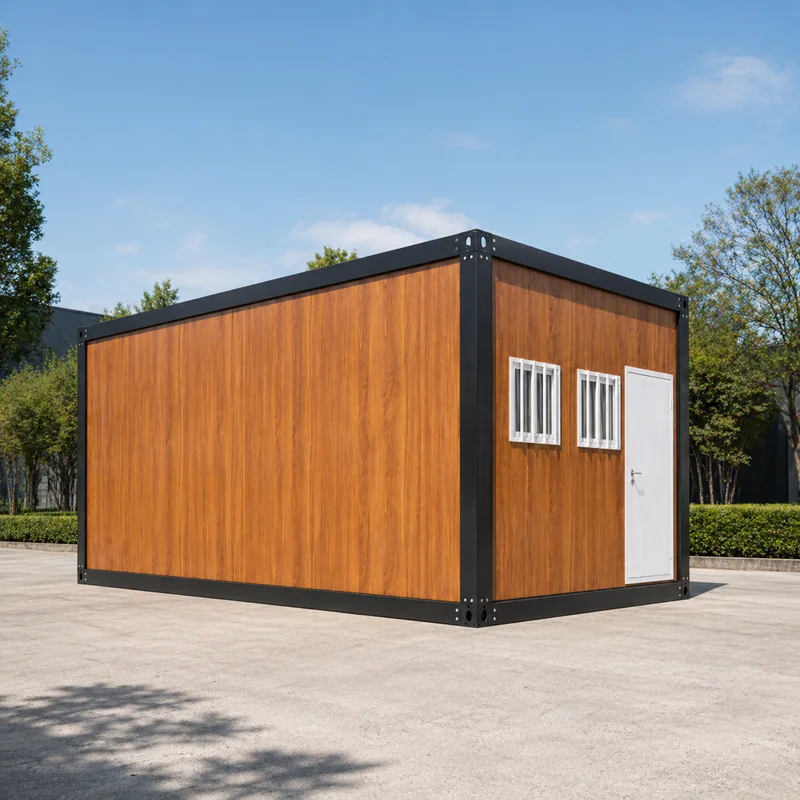
Compare Quality Features of Two Story Shipping Container Houses
Quality features can vary widely among manufacturers, impacting both performance and durability. Here are some aspects to consider:
Construction Method: Some manufacturers offer fully prefabricated models, while others may provide kits for assembly on-site. Prefabricated options can reduce construction time but may limit customization.
Energy Efficiency: Evaluate the energy efficiency of the houses. Features such as double-glazed windows, efficient HVAC systems, and the use of renewable energy sources (like solar panels) can enhance long-term sustainability and reduce operational costs.
Customization Options: Many manufacturers offer customization options, including layout adjustments, exterior finishes, and interior design features. This flexibility allows you to tailor the flat pack container house price to specific project needs.
Compliance and Certifications: Check for compliance with local building codes and zoning regulations. Containers should be certified for use as habitable structures, ensuring they meet safety and health standards.