EN


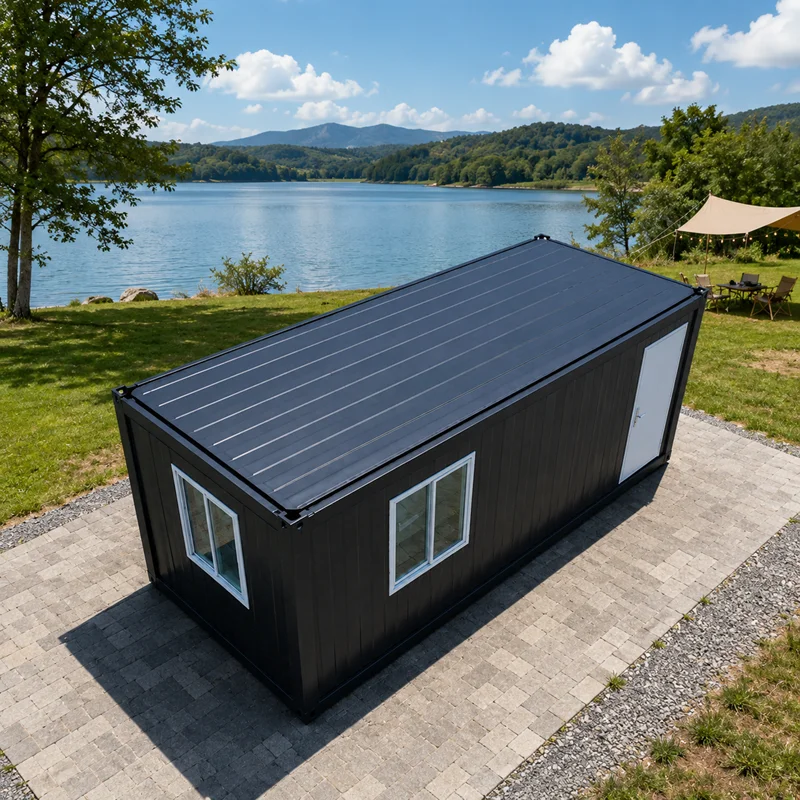
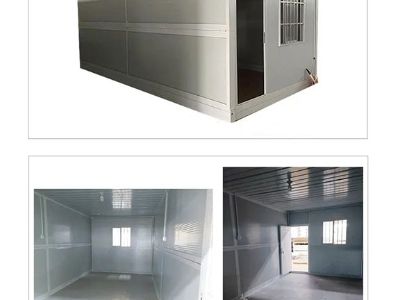
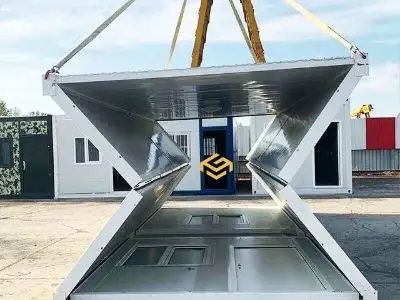
Prefabricated sheds for sale offer a versatile, quick, and cost-effective solution for various industries looking to establish temporary or permanent structures. As a purchasing manager or project planner, you need to consider several critical factors before making a selection, including quality, specifications, application suitability, and potential problems. This article covers essential insights on evaluating prefabricated sheds, technical specifications, best practices, common issues, and their applications across different sectors.
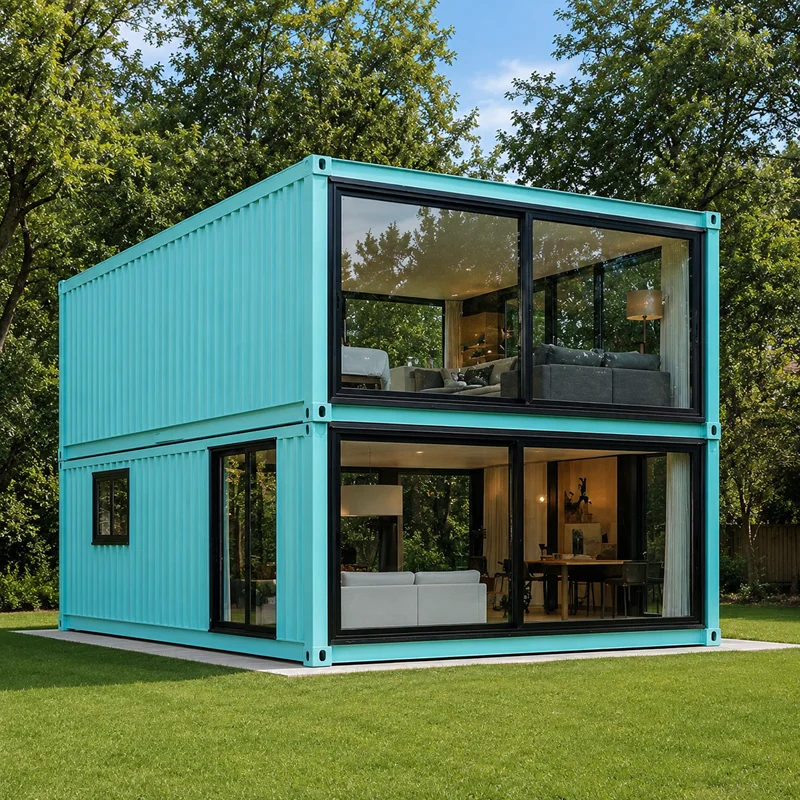
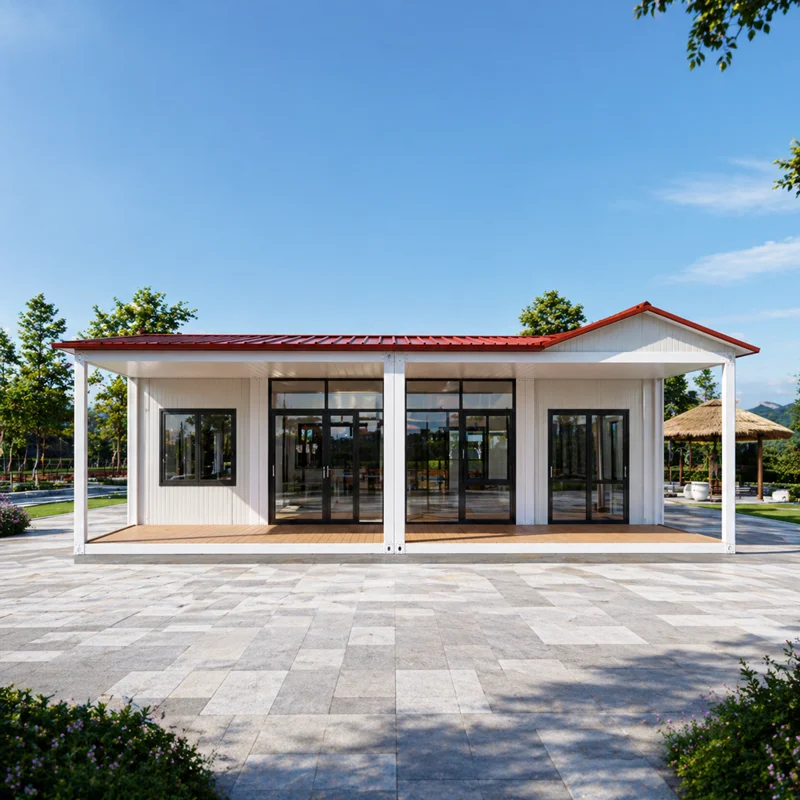
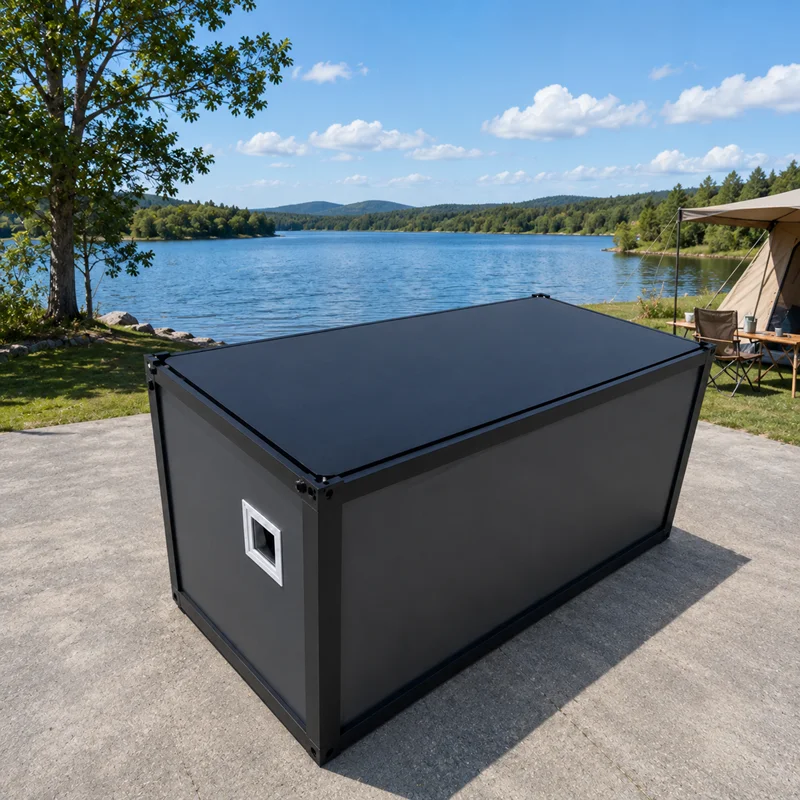
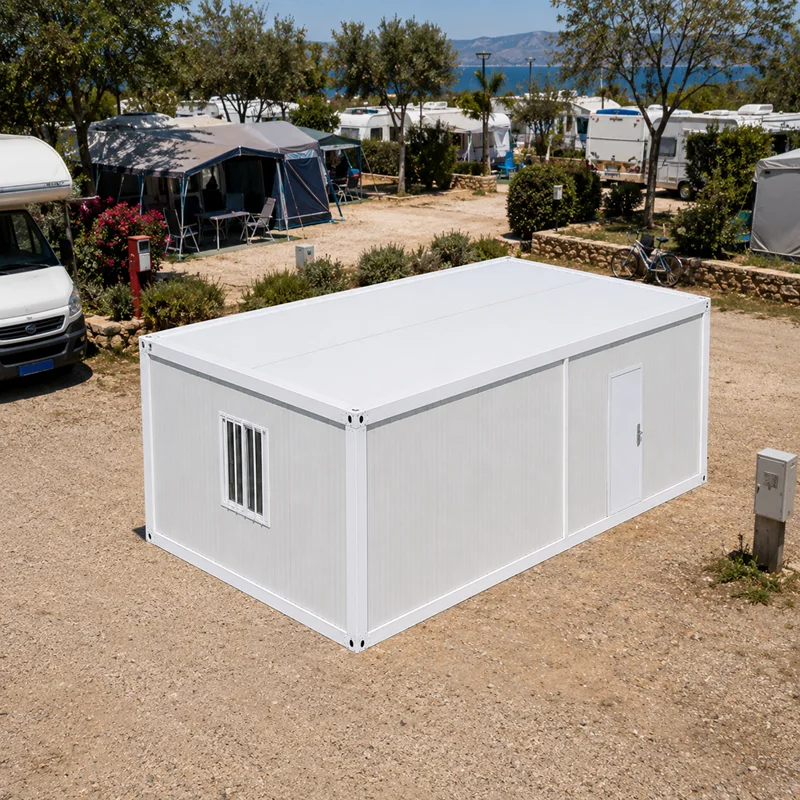
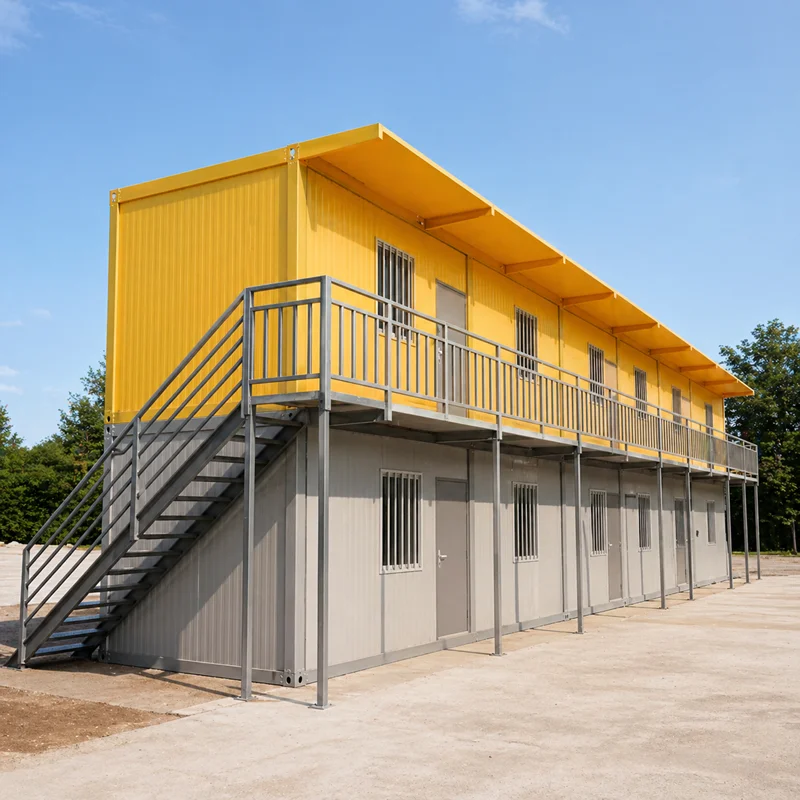
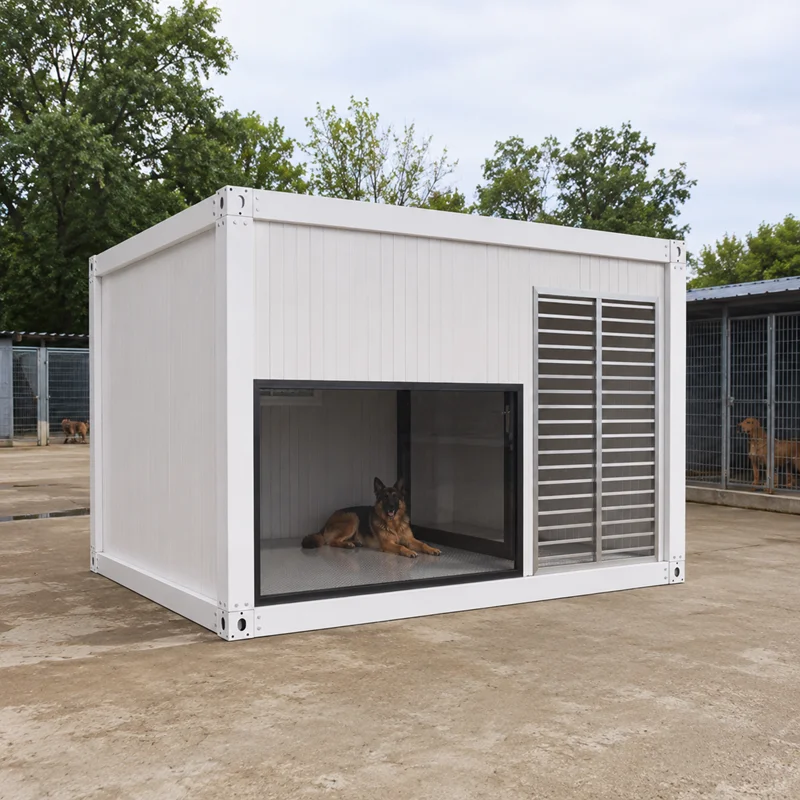
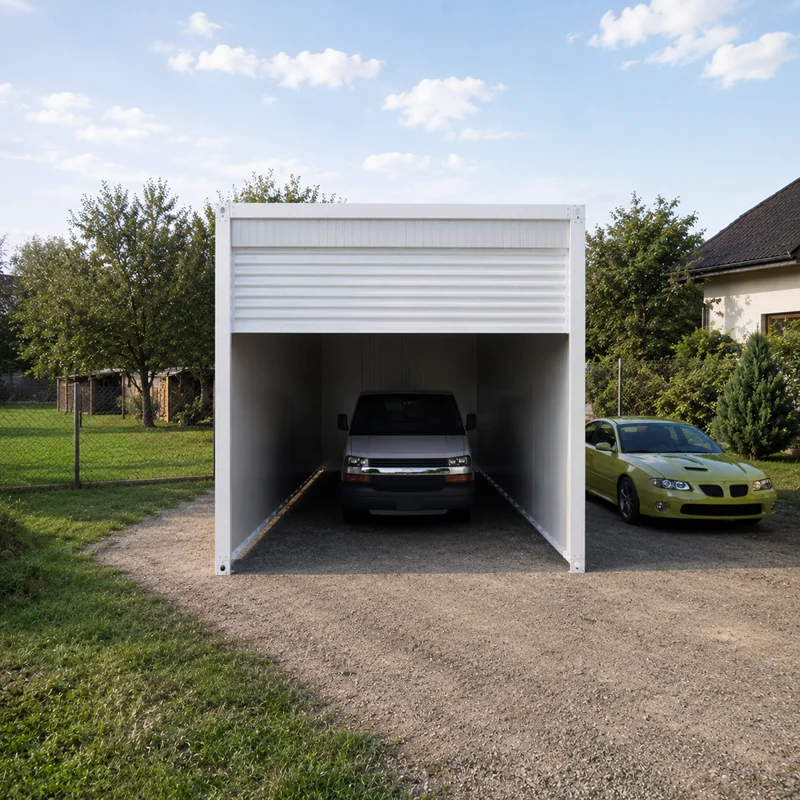
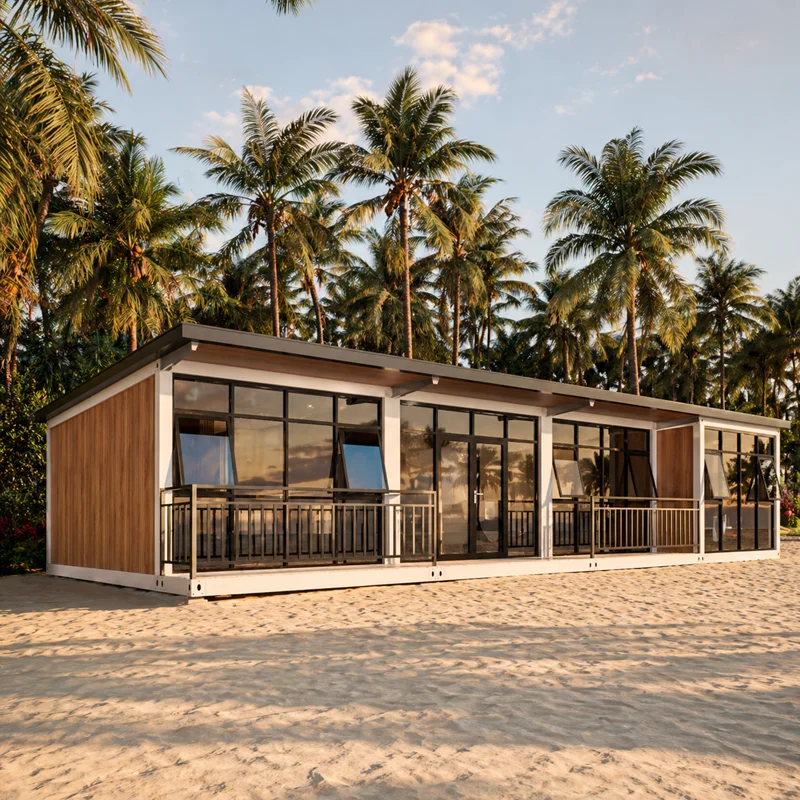
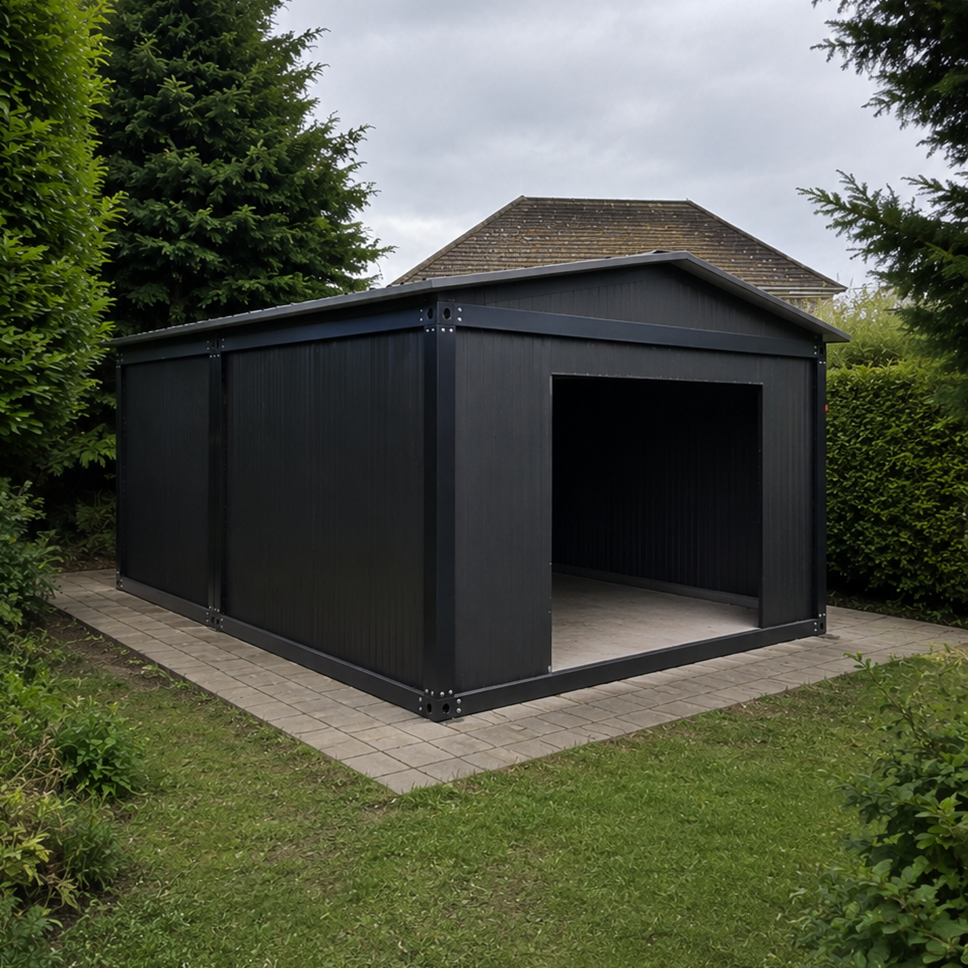
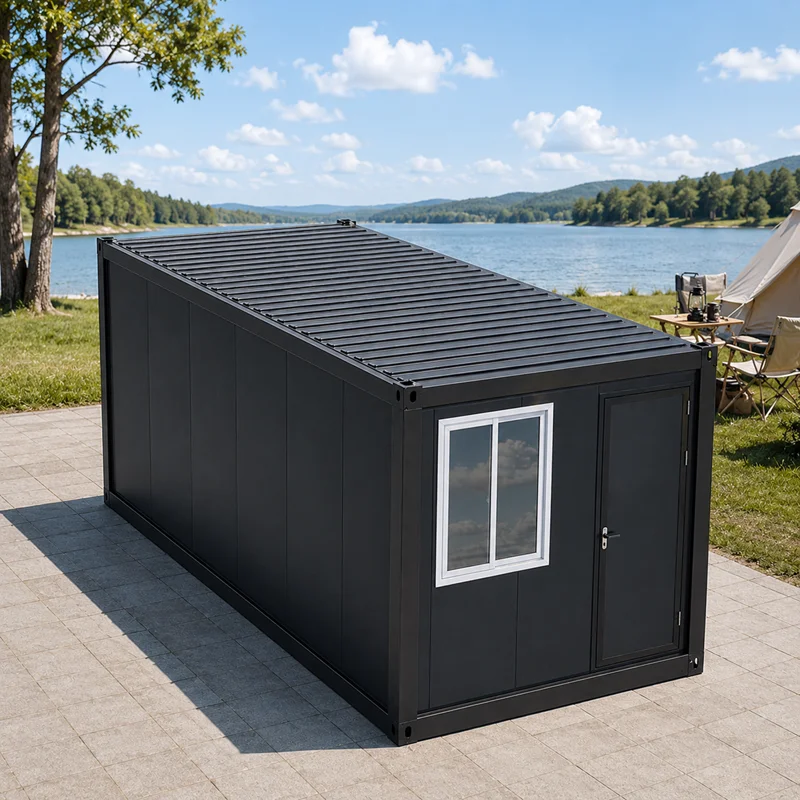
Technical Specifications of Our Prefabricated Sheds Explained
Understanding technical specifications is crucial for ensuring that the selected prefabricated shed meets your project requirements. Key specifications include:
Material Composition: Our sheds are typically made from high-strength steel and insulated wall panels. This combination provides structural integrity and thermal efficiency.
Dimensions: Customization options allow you to specify dimensions based on your site requirements. Standard sizes are available, but custom solutions can better fit unique applications.
Load Capacity: Each shed is designed to withstand specific load requirements, including wind and snow loads. Ensure these specifications align with local building codes and environmental conditions.
Sealing and Insulation: Adequate sealing and insulation are essential for energy efficiency. Look for specifications that detail insulation R-values and sealing methods to prevent air leaks.
Finish Quality: The surface treatment of materials affects durability and maintenance. A well-applied finish can enhance longevity and reduce the need for repairs.
By understanding these specifications, you can make an informed decision that aligns with your operational needs and budget.