EN


Prefab garden buildings have gained popularity for their versatility, providing practical solutions for various outdoor needs, from storage to leisure spaces. As a purchasing manager or distributor, your primary concerns may include sourcing reliable suppliers, understanding specifications, and cost factors. This article aims to equip you with essential insights into prefab garden buildings, helping you make informed purchasing decisions that align with your project's requirements.


Specifications Every Buyer Should Know About Prefab Garden Buildings
When comparing prefab garden buildings, focus on key specifications that influence durability, functionality, and cost. Essential factors include:
Material: Common materials for prefab garden buildings include wood, steel, and composite materials. Each offers different benefits such as weather resistance, insulation properties, and aesthetic appeal. For instance, steel structures may offer superior durability but may require additional insulation.
Dimensions: The size of the building should match your intended use. Standard sizes may limit flexibility, so consider customization options to meet specific space requirements.
Insulation and Energy Efficiency: Assess the insulation properties of the materials used. Buildings with higher insulation ratings may reduce energy costs and improve comfort.
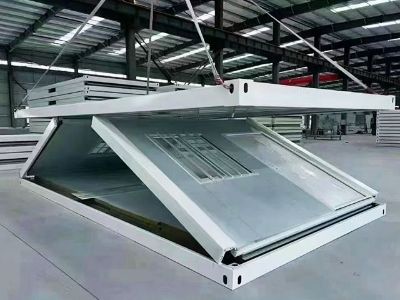
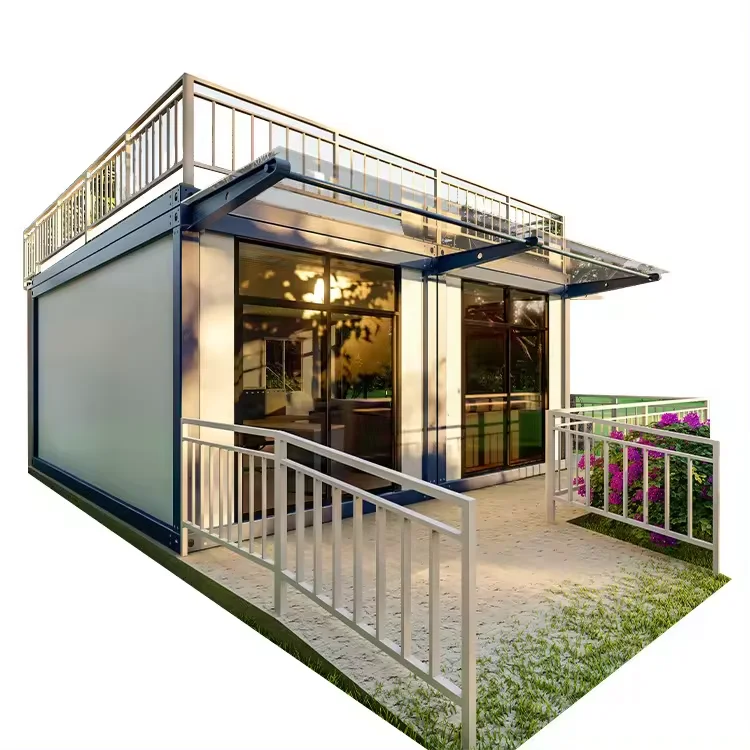
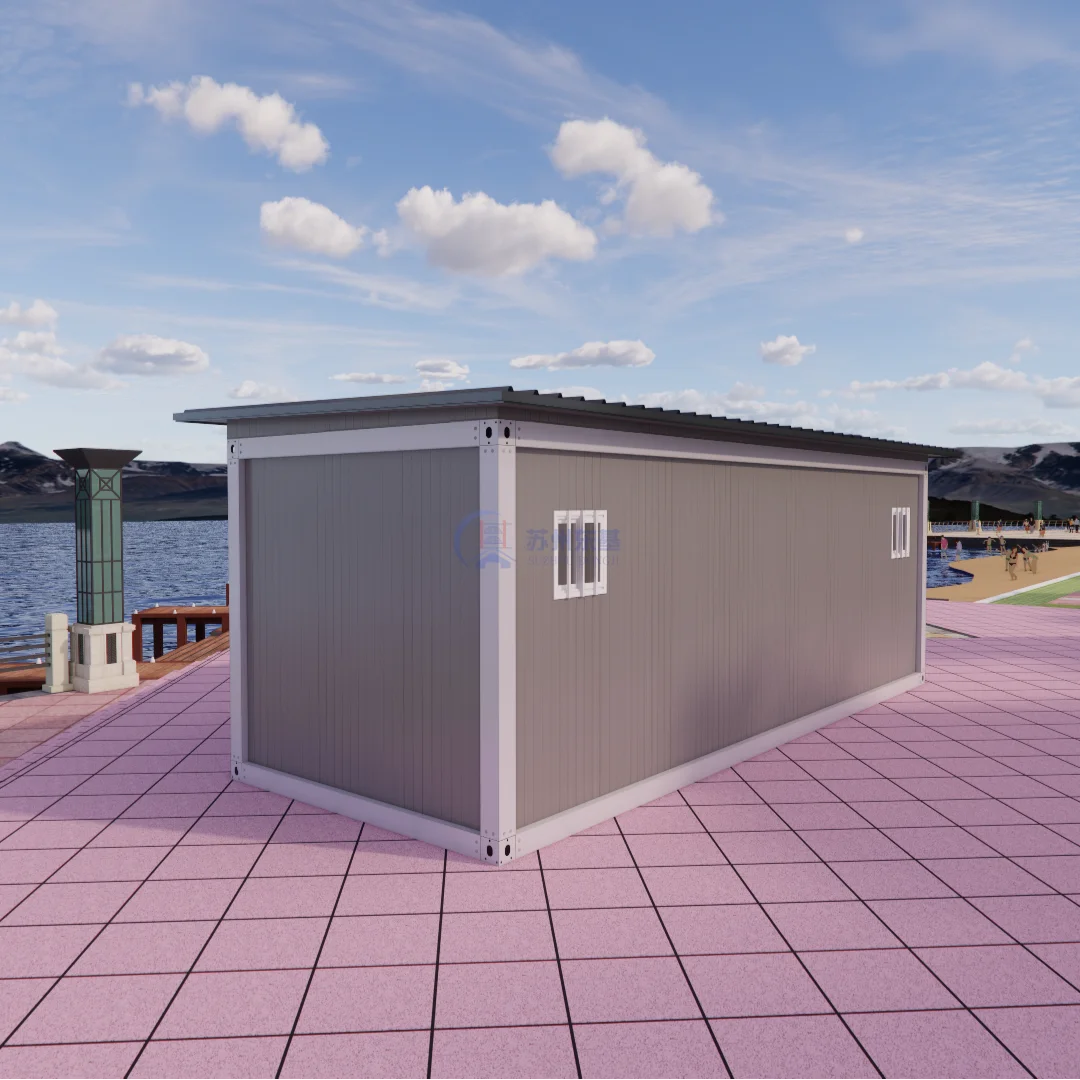
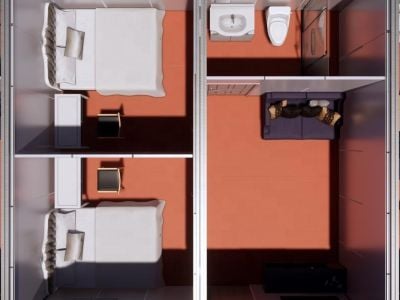
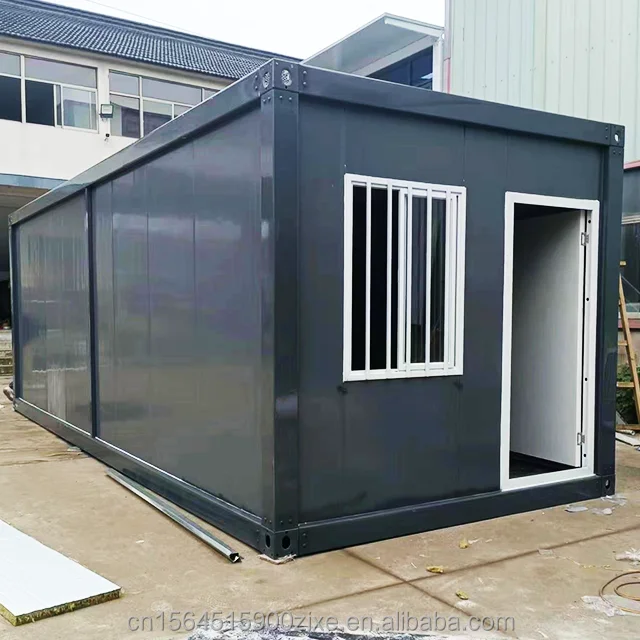
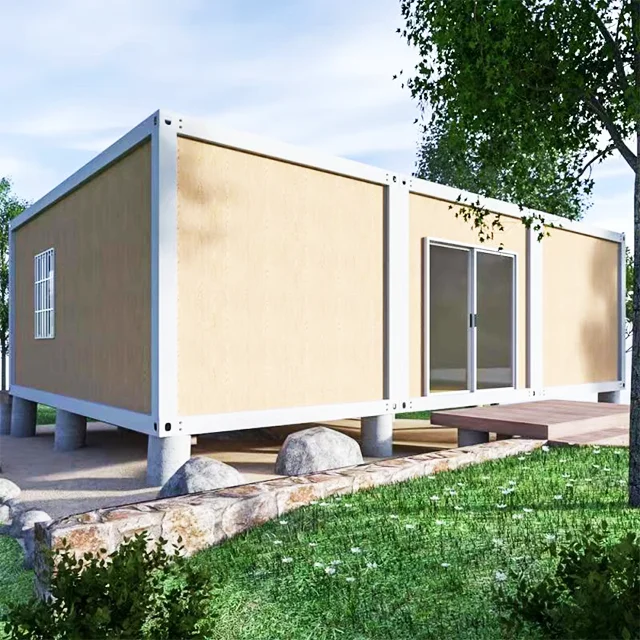
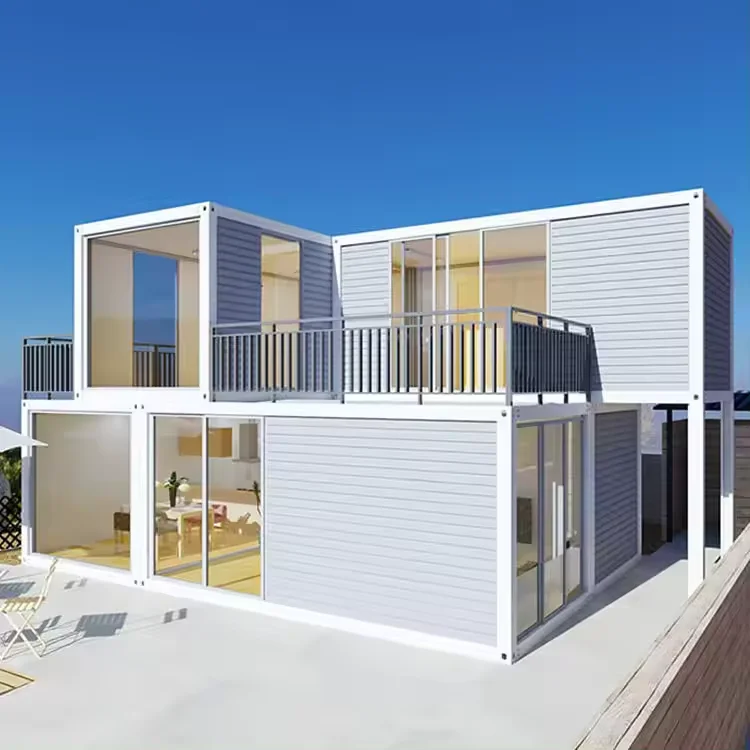
Design Features: Look for features like windows, doors, and ventilation systems that enhance usability. Customization options for layout can also be crucial depending on the intended application, such as a workshop or a garden office. A great example is the 20ft Modular Tiny Homes Ready to Ship Cabin Container House Detachable Office Pod Customizable Tiny Living Space.
Choosing the right specifications helps ensure the building meets your functional needs while adhering to local regulations and standards.