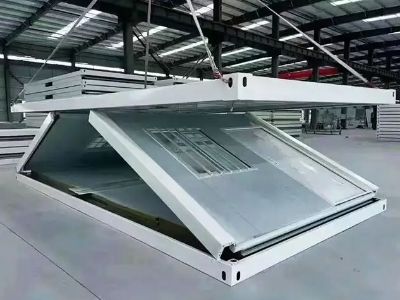

Key Specifications for Living Sheds in Projects

Get a Free Quote

Tell us what you plan to build. Our team will review your requirements and recommend a suitable prefabricated housing solution. We usually reply within one business day.
Name
Email
Tel/WhatsApp
Company Name
House Quantity
Message
0/1000

living sheds

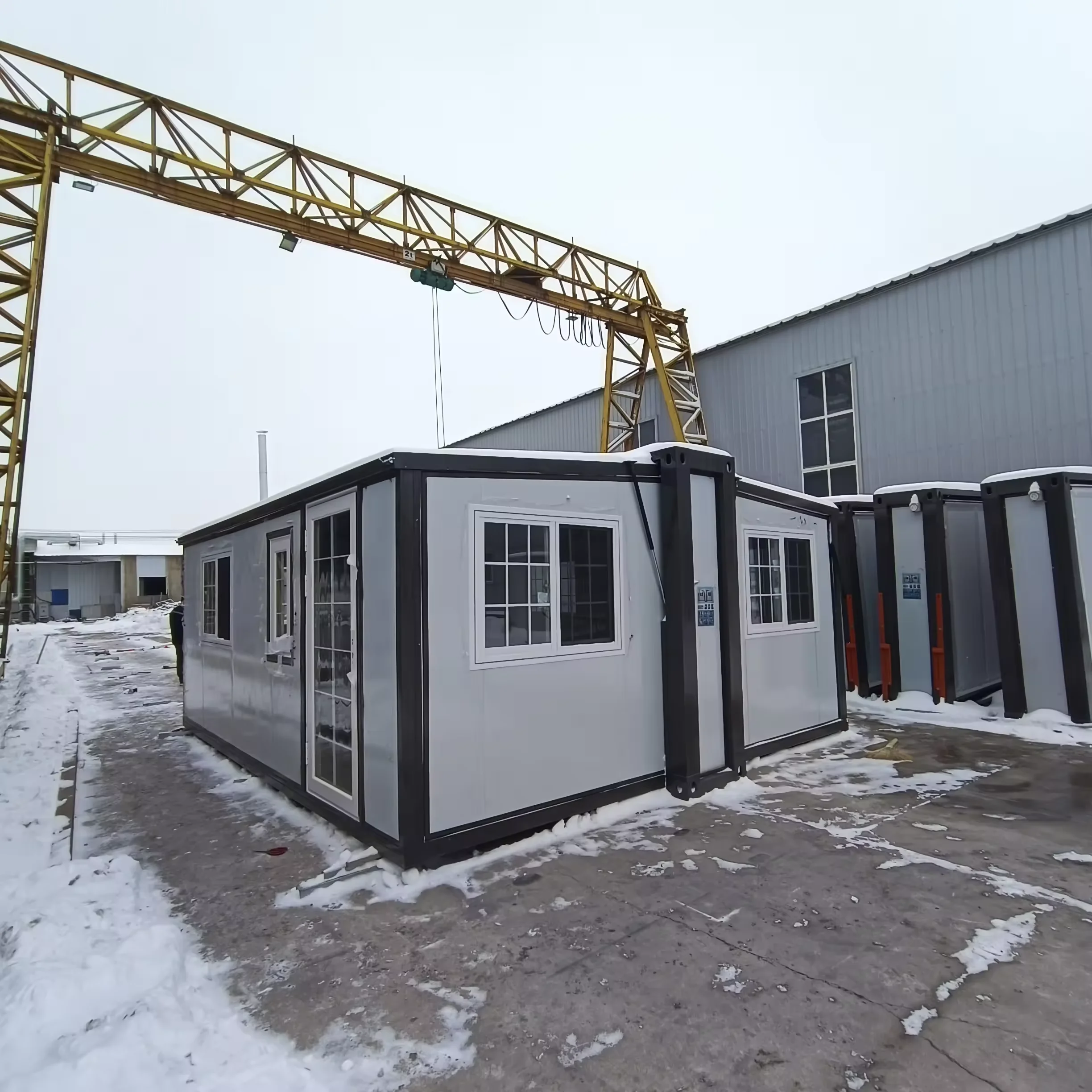
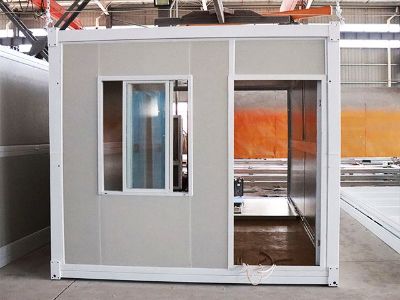
Living sheds are versatile, prefabricated structures that serve various purposes in both commercial and residential applications. They are designed for quick assembly and cost-effective solutions, making them ideal for projects that require temporary or permanent living spaces, offices, or even dormitories. As a B2B buyer, understanding the intricacies of living sheds—such as specifications, manufacturing processes, and applications—can significantly influence your purchasing decisions. This article will guide you through essential considerations when evaluating living sheds, ensuring you make informed choices that align with your project requirements.
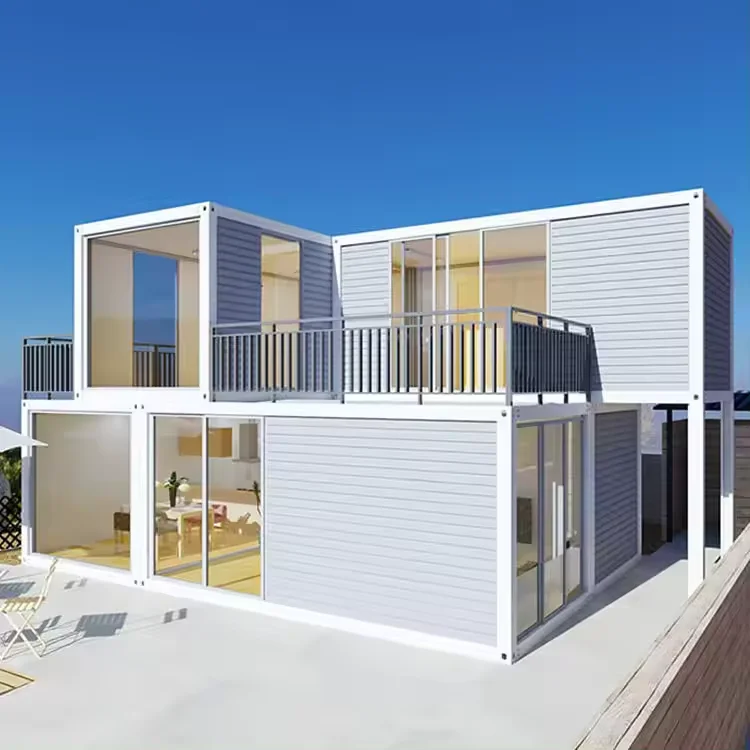
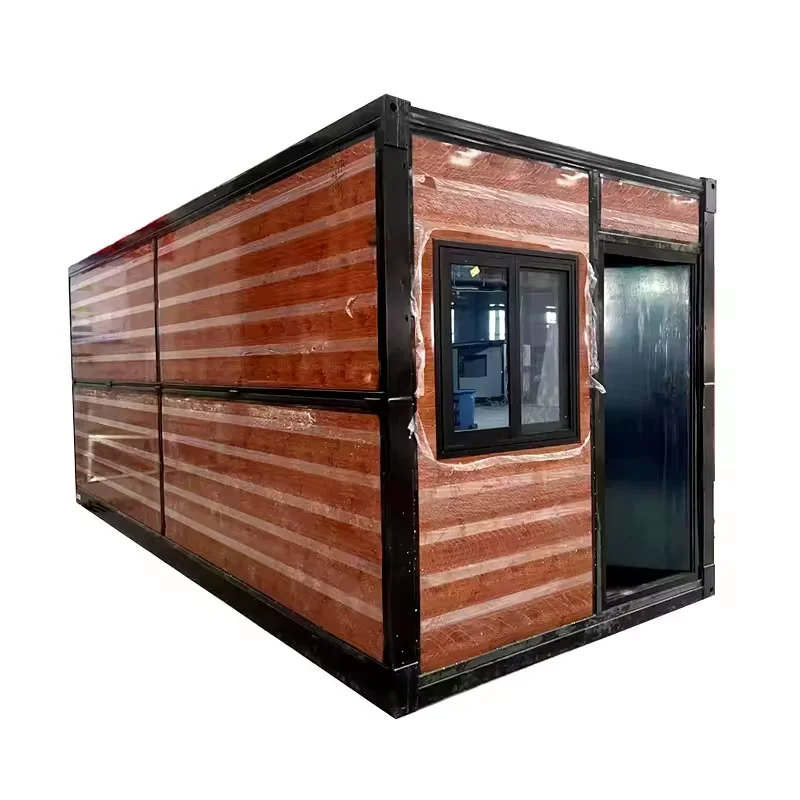
Our Products

What You Need to Know

What You Need to Know

Understanding the manufacturing process and quality control measures is essential when sourcing living sheds. Here are key points to consider:

Manufacturing Capabilities: It’s crucial to partner with a supplier that operates its own production facilities. This ensures better control over quality, timelines, and costs. For instance, Suzhou Dongji Integrated Housing Technology Co., Ltd. produces its own wall panels and steel components, which facilitates quick lead times and cost efficiency.

Quality Control Processes: Inquire about the quality management systems in place. A reputable manufacturer will implement strict quality control measures at each production stage—from sourcing raw materials to final inspections—ensuring that the living sheds meet industry standards.

Certifications: While specific certifications were not provided, it’s advisable to choose suppliers who comply with relevant industry standards. Certifications can indicate adherence to safety, environmental, and performance benchmarks that are vital for long-lasting structures.

Export Markets: Understanding the supplier's experience in international markets can provide insights into their reliability and adaptability. Familiarity with global shipping logistics and compliance with international building codes can be an advantage.

Lead Times: Discuss expected lead times for production and delivery. A manufacturer with a daily output capacity of 500 units, like Suzhou Dongji, is likely to handle larger projects more efficiently, reducing potential delays.

Best Uses for Living Sheds in Projects

Best Uses for Living Sheds in Projects

Living sheds are adaptable structures suitable for various applications:

Temporary Housing: Ideal for disaster relief, construction sites, or events, living sheds can provide immediate accommodation solutions. Their fast assembly and transportability make them a popular choice in urgent situations.

Office Spaces: Living sheds can be configured as mobile offices for construction sites or remote locations. With the right insulation and design, they can serve as comfortable work environments, especially when designed with Shipping Container Design principles for efficiency.

Dormitories: For educational institutions or workforce housing, living sheds can be customized to include multiple sleeping quarters, communal spaces, and amenities, facilitating short-term or long-term living arrangements.

Recreational Use: Some buyers opt for living sheds as weekend getaways or vacation rentals. Depending on the design and finish, these structures can provide a cozy and functional retreat.

Why Quality Matters

Why Quality Matters

Investing in high-quality living sheds has long-term benefits that go beyond initial costs:

Durability: Quality materials and construction methods ensure that the living shed withstands environmental wear and tear. A poorly built structure may lead to frequent repairs and replacements, ultimately increasing costs.

Safety: Well-manufactured living sheds adhere to safety standards, reducing risks associated with structural failures or material hazards. Buyers should prioritize suppliers who demonstrate a commitment to safety in their manufacturing processes.

Energy Efficiency: Quality living sheds often incorporate better insulation and energy-efficient systems that reduce utility costs over time. A higher initial investment in quality can lead to significant savings in the long run.

Resale Value: If you plan to resell or repurpose the living shed, investing in quality can enhance its market value. Buyers are more likely to appreciate and invest in well-constructed structures.

Understanding Living Shed Features for Smart Purchasing Decisions

When evaluating living sheds, certain features can impact your purchasing decision:

Modular Design: Many living sheds are modular, allowing for easy expansion or reconfiguration. This flexibility can be advantageous for growing businesses or changing needs.

Sustainability Options: As environmental concerns grow, consider living sheds that incorporate sustainable materials or energy-efficient technologies, such as solar panels. This can align your project with green building practices.

Maintenance Requirements: Understanding the maintenance needs of different materials is crucial. For example, wood may require regular treatment to prevent rotting, while steel may need protective coatings to resist rust.

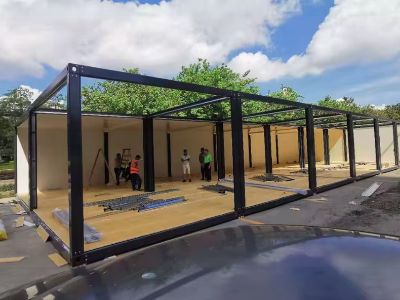
Installation Process: Confirm the installation requirements and whether the manufacturer offers installation services. A straightforward installation process can save time and labor costs.

Warranty and After-Sales Support: Check if the manufacturer provides warranties or after-sales support. This can offer peace of mind and assistance if any issues arise post-purchase.

By considering these specifications and features, you can make informed decisions when sourcing living sheds, ensuring that they meet your project's demands effectively and efficiently.

Key Specifications to Consider

When selecting living sheds, several specifications warrant careful consideration:

Dimensions: The size of the living shed should reflect its intended use. Standard sizes may suffice for temporary accommodations, while custom dimensions may be necessary for specific applications. Ensure that the structure can accommodate the required number of occupants or the intended furniture layout.

Materials: Living sheds are often constructed from materials such as steel, wood, or composite panels. Steel, for instance, offers durability and resistance to environmental factors, while wood provides aesthetic appeal and insulation. Assess the material's suitability based on climate conditions and longevity requirements.

Insulation and Energy Efficiency: Insulation is crucial for maintaining comfortable temperatures within the living shed. Look for options with high R-values that enhance energy efficiency. This consideration is especially important for long-term use or in extreme climates.

Load-Bearing Capacity: Depending on the intended use, you may need a living shed that can support additional loads, such as equipment or furniture. Ensure the structural design includes adequate load-bearing specifications to prevent potential safety issues.

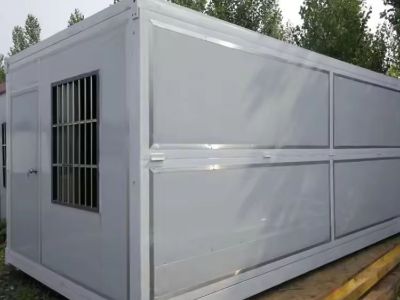
Customization Options: Many manufacturers offer customization capabilities, allowing buyers to tailor features such as layouts, finishes, and additional amenities. Discuss your specific needs with the supplier to understand what customization options are available, including options like Folding Container House which can be particularly adaptable for various uses.

Our Blog Posts

Design Ideas for Modern Expandable Container Houses

22

Mar

Design Ideas for Modern Expandable Container Houses

Do you want to experience your life in a unique, special way? Have you ever heard of expandable container homes? These cells are especially unique to this specific type of homes which are made out of shipping containers, which are giant metal boxes u...
View More
Flat Pack Container Houses: Transforming the Way We Build Homes

22

Mar

Flat Pack Container Houses: Transforming the Way We Build Homes

There is a thing known as "a flat pack home." It is a kind of home that gets constructed rather fast and easy. These homes make use of factory-produced parts that can be assembled in-situ where you want to live. Many people are finding the advantages...
View More
Why Tiny Houses Are the Smart Choice for Affordable Modern Living

02

Aug

Why Tiny Houses Are the Smart Choice for Affordable Modern Living

Tiny houses are so freaking cool and amazing. They’re not tiny homes, exactly, just houses that are smaller and more efficient. Have you ever saw one before? You might have seen a TV show about them, or gazed at photos online. The tiny house mo...
View More
Prefab house factory production ensures consistent quality control standards

27

Mar

Prefab house factory production ensures consistent quality control standards

Prefab houses is getting more popular these days because they get built in factories, which make sure each one is sturdy and safe. At Dongji, we concentrate on creating top-notch prefab homes that fit what customers want.  What Make Quality...
View More

Get a Free Quote

Our representative will contact you soon.
Email
Tel or WhatsApp
Name
Company Name
House Quantity
Message
0/1000
+86-14751167265
Key Specifications for Living Sheds in Projects
[email protected]

Get a Free Quote

Tell us what you plan to build. Our team will review your requirements and recommend a suitable prefabricated housing solution. We usually reply within one business day.
Name
Email
Tel/WhatsApp
Company Name
House Quantity
Message
0/1000