EN


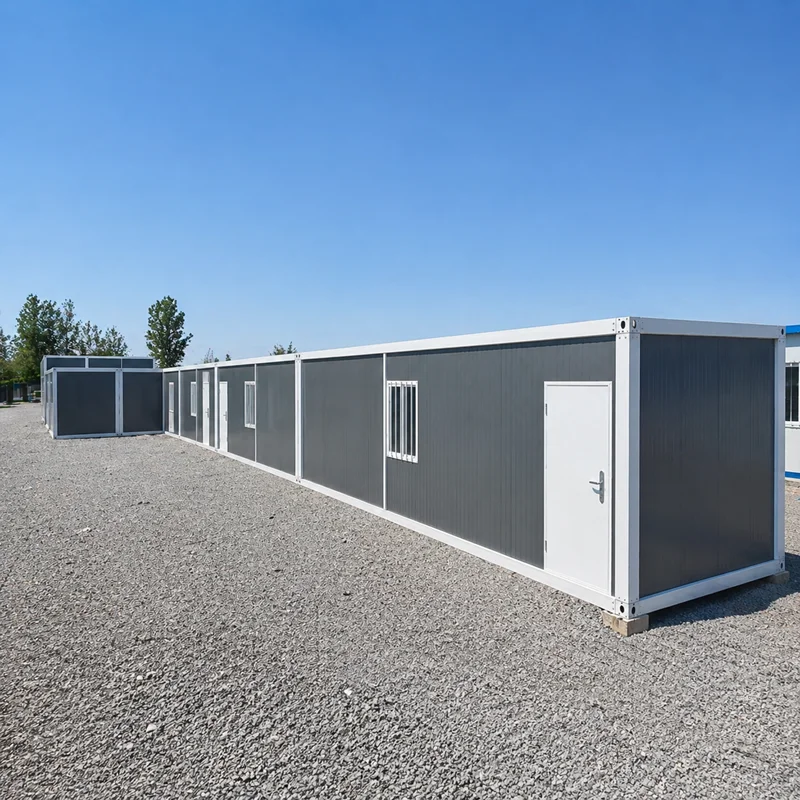
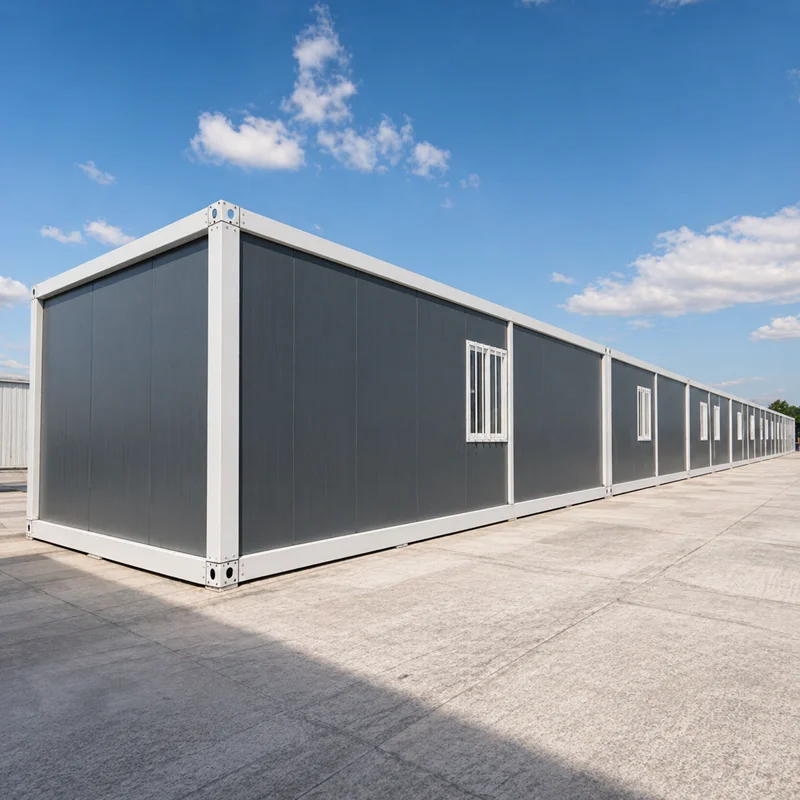
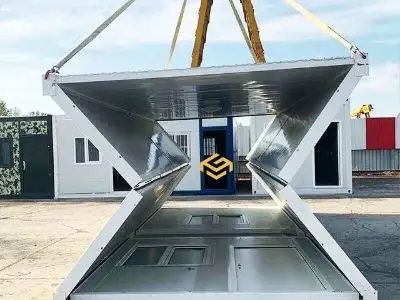
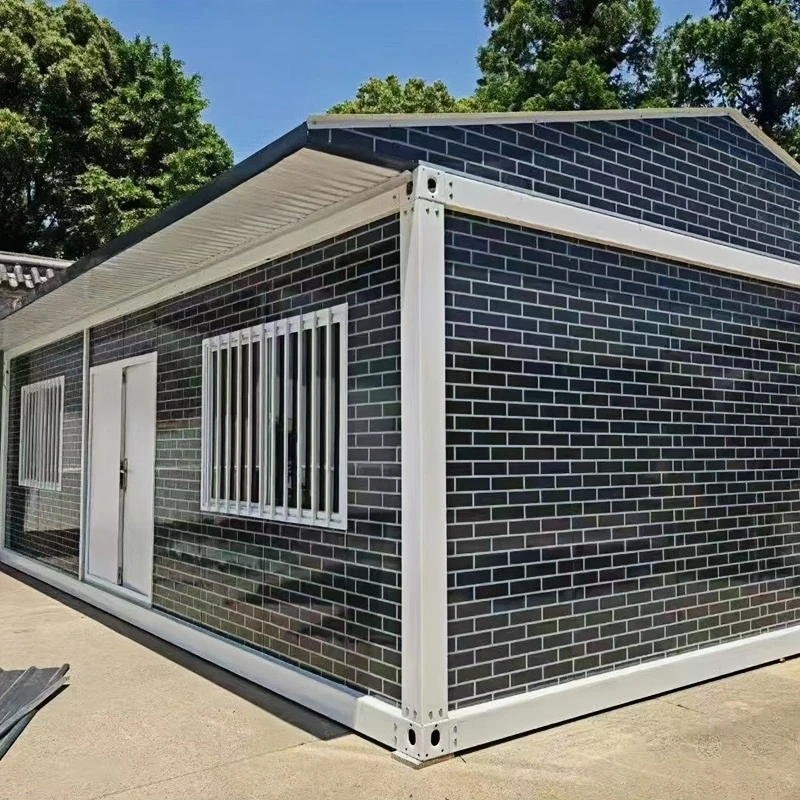
Expandable container houses with solar energy are innovative solutions for modern living and working environments. These modular structures are designed to be flexible, portable, and energy-efficient, making them ideal for various applications, such as temporary housing, remote offices, and disaster relief. For B2B buyers, key concerns often include cost-effectiveness, sustainability, installation logistics, and the overall functionality of these spaces. This article will explore essential considerations, best practices for installation, common challenges, industry applications, and how solar energy enhances the value of expandable container homes.

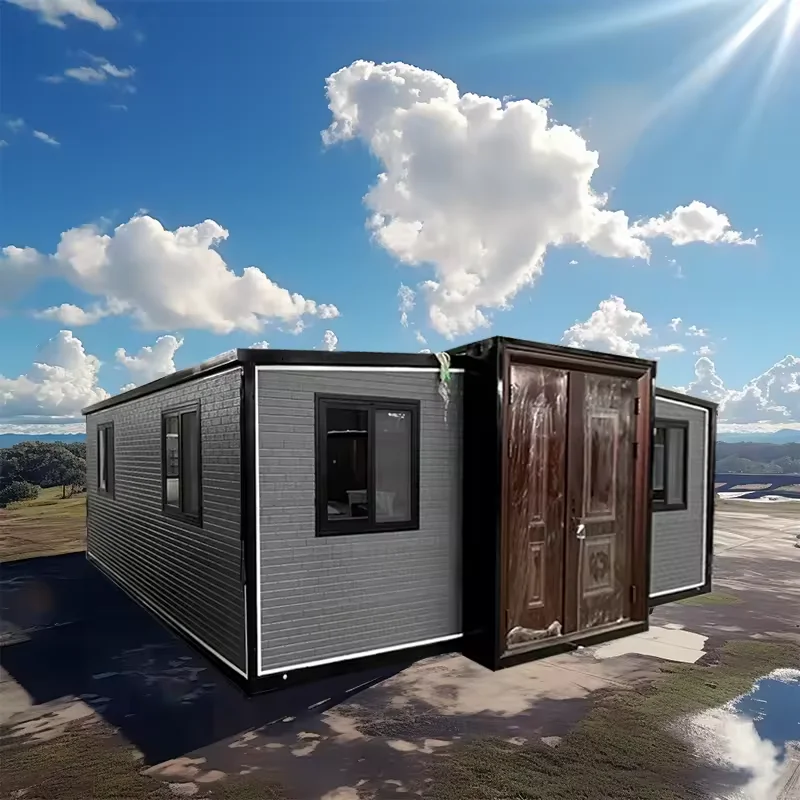
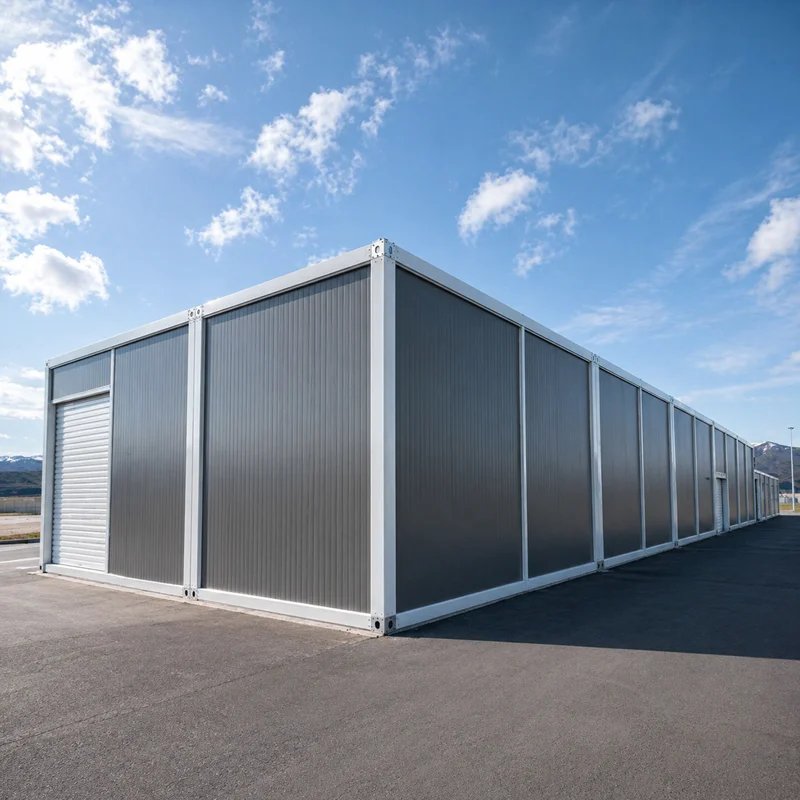
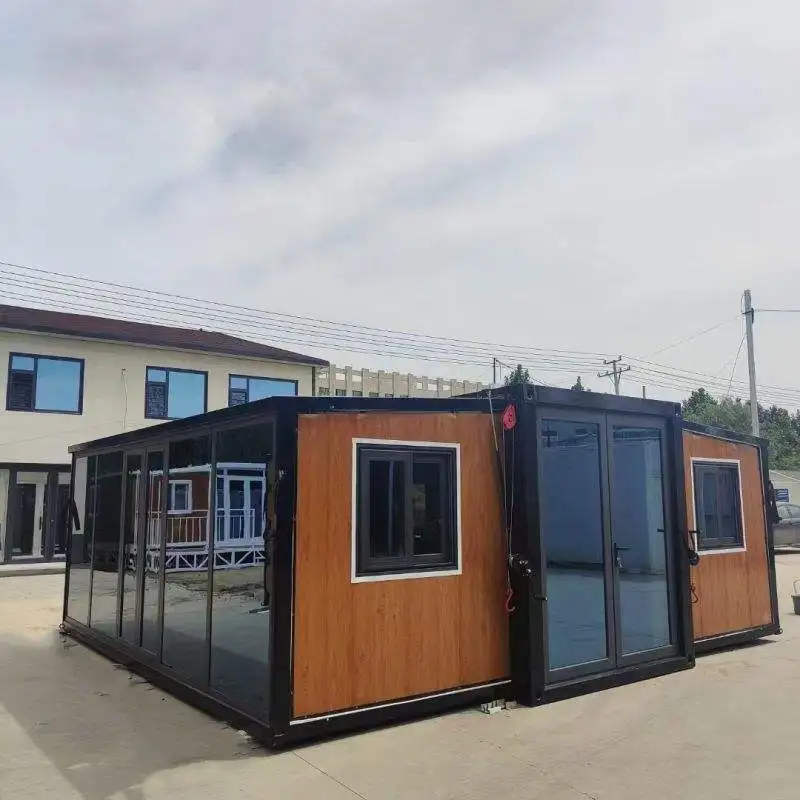
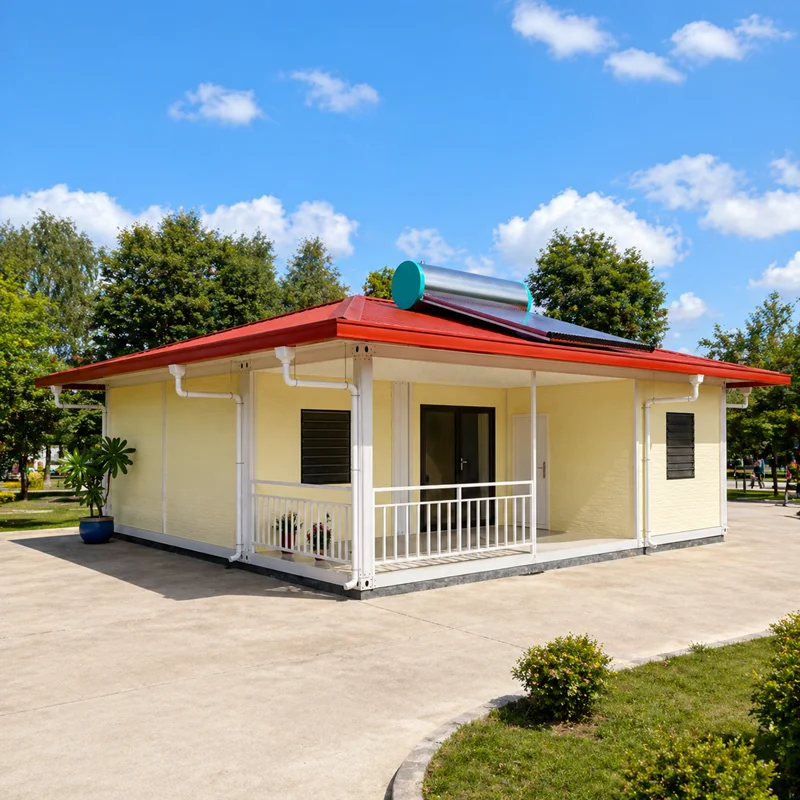
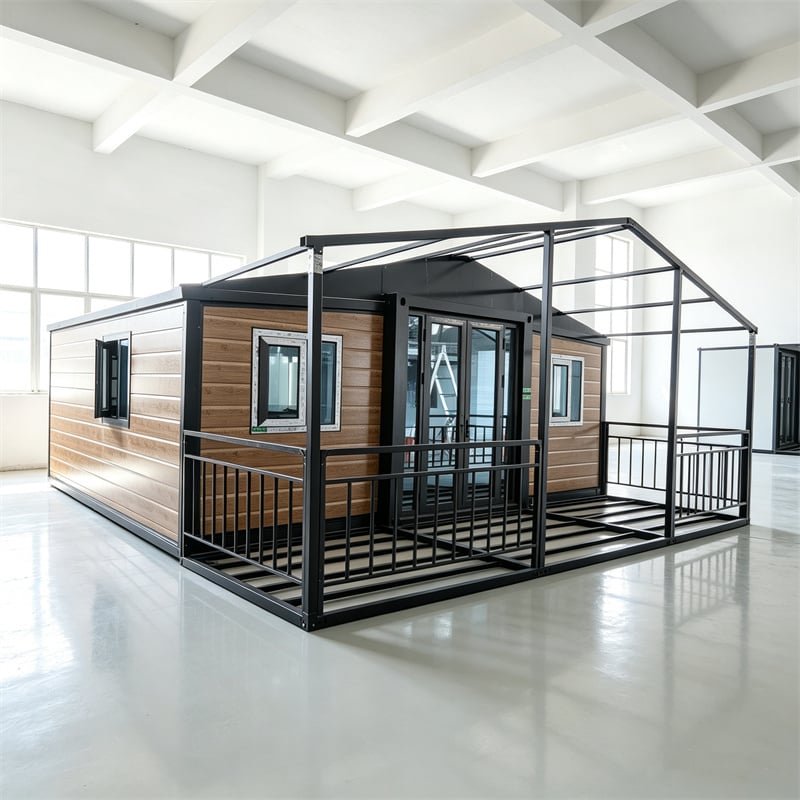
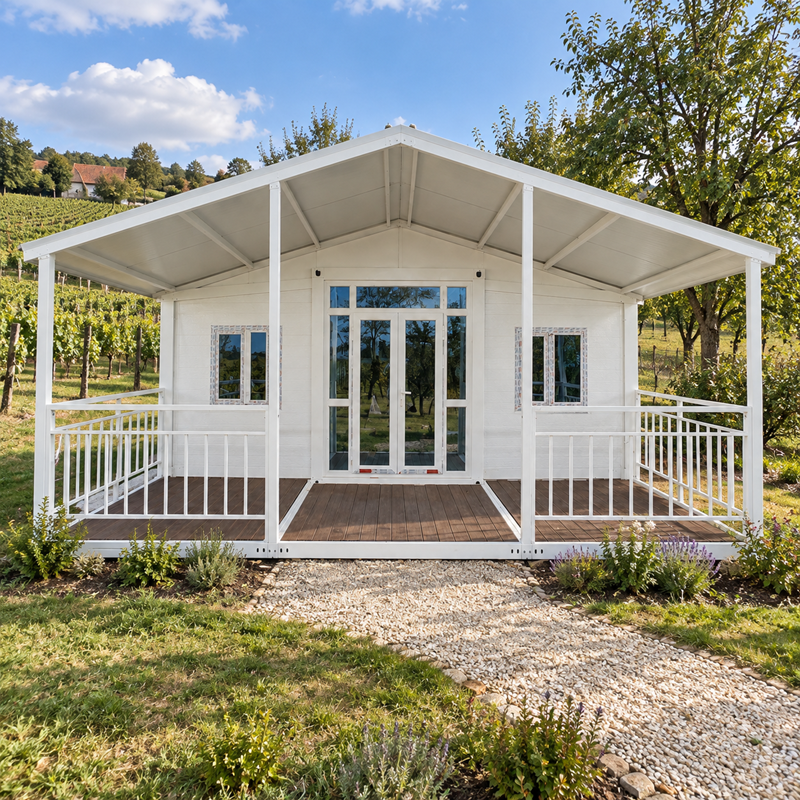
Best Practices for Installing Expandable Container Houses with Solar Energy
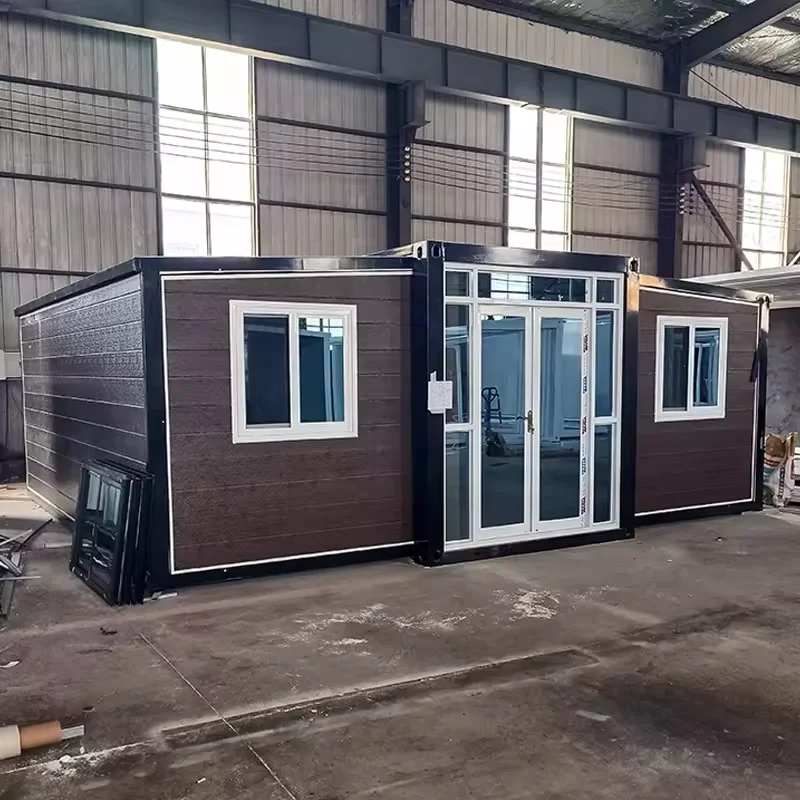
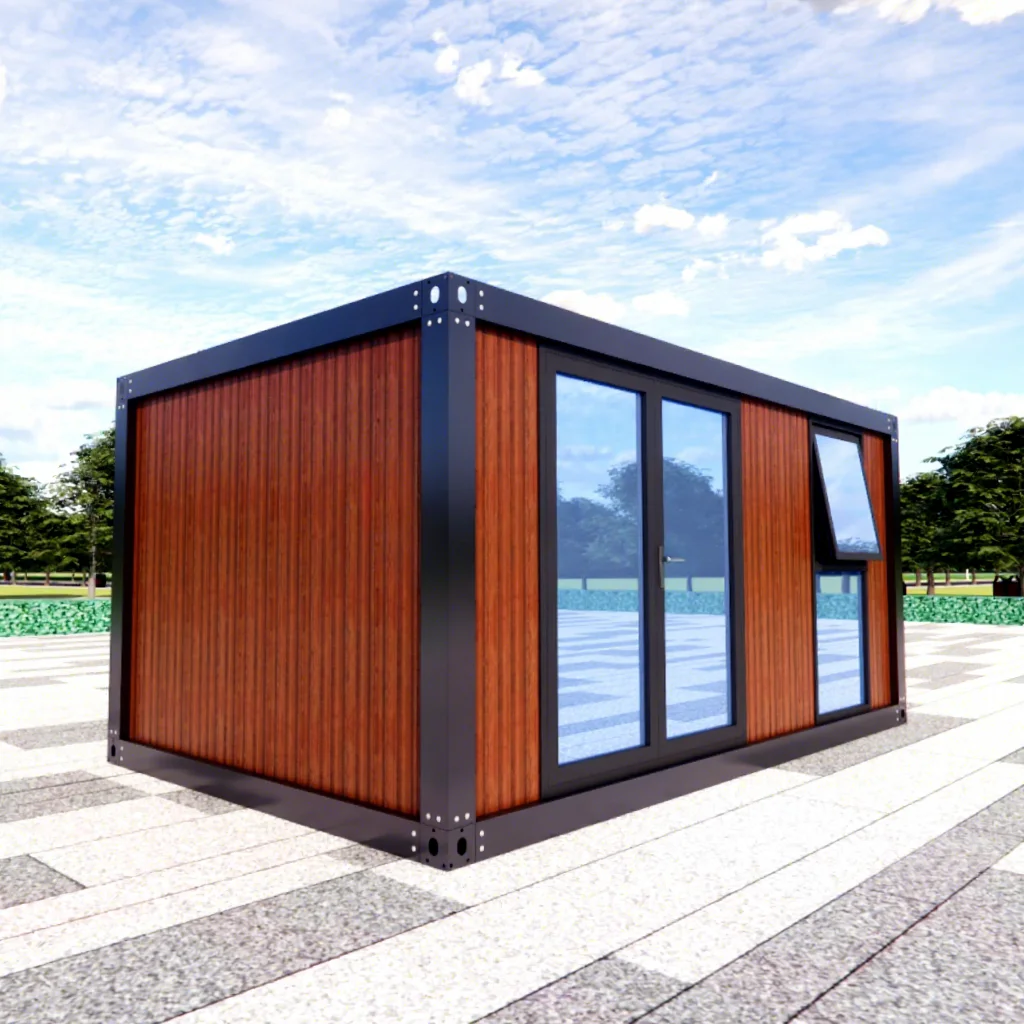
Proper installation is vital for ensuring the longevity and efficiency of expandable container houses with solar energy. Begin by preparing the site, ensuring the ground is level and stable to support the container’s weight. It is essential to follow local building codes and regulations throughout the installation process.
For solar integration, position the panels in a location with maximum sun exposure to optimize energy collection. This might involve installing them on the roof or a nearby structure. Ensure that the wiring is safely secured and insulated to prevent damage from environmental factors.
Collaboration with a supplier experienced in modular construction is crucial. They can provide expertise and guidance, particularly in areas like electrical connections and load-bearing capacities. At Suzhou Dongji Integrated Housing Technology Co., Ltd., we emphasize the importance of quality control during installation to avoid common pitfalls, such as improper sealing or inadequate electrical setups.