EN


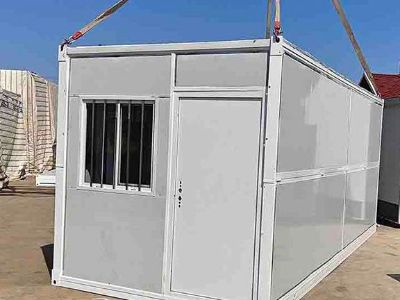
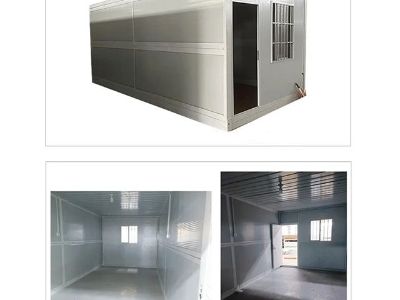
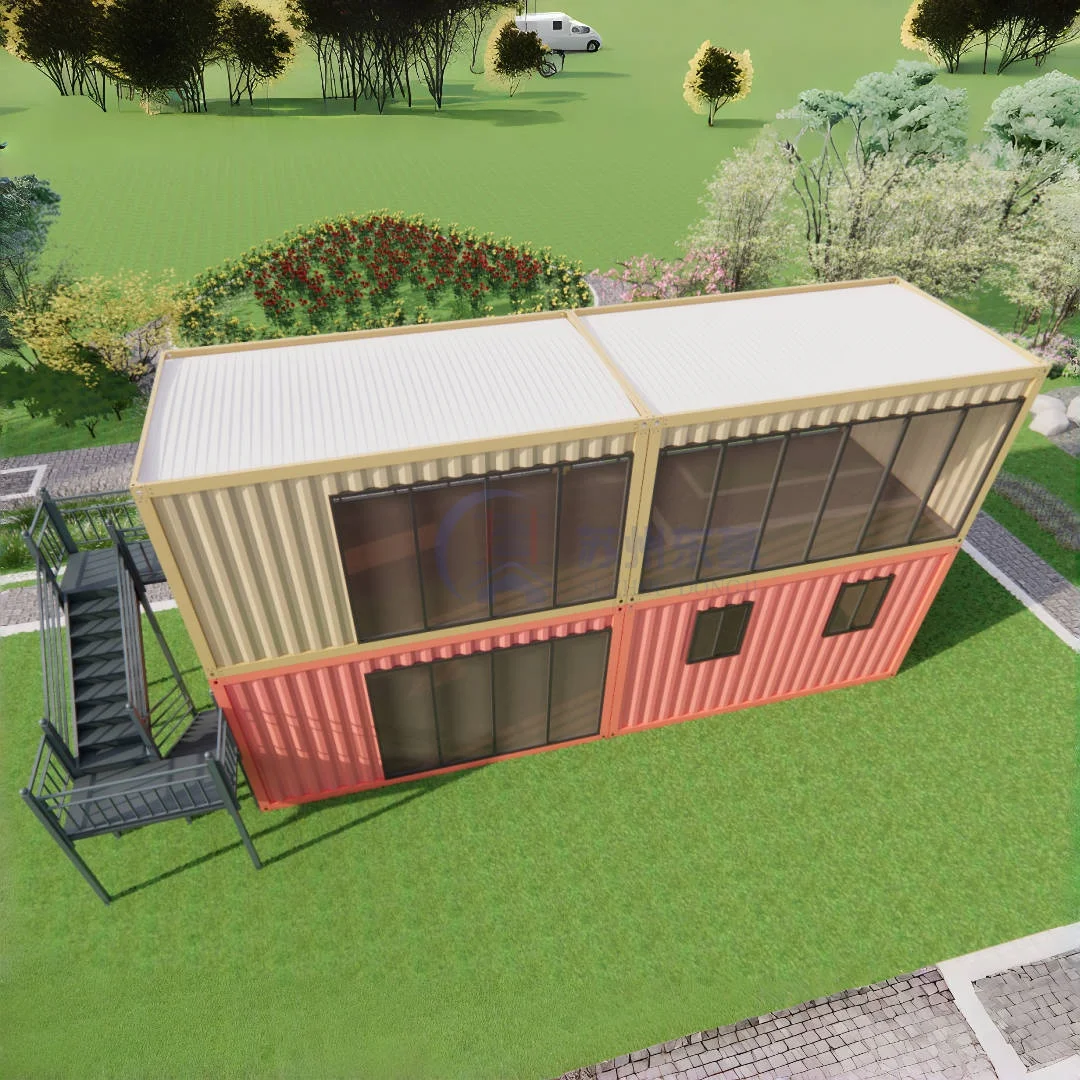
Container house construction is an innovative approach to building modular living and working spaces using repurposed shipping containers. This method offers numerous advantages for businesses and organizations looking for cost-effective, durable, and flexible solutions for various applications, including dormitories, hotels, and offices. However, it also raises important considerations for B2B buyers, such as material quality, supplier reliability, and installation efficiency. This article will help you navigate these factors, ensuring you make informed decisions when exploring flat pack container house options.




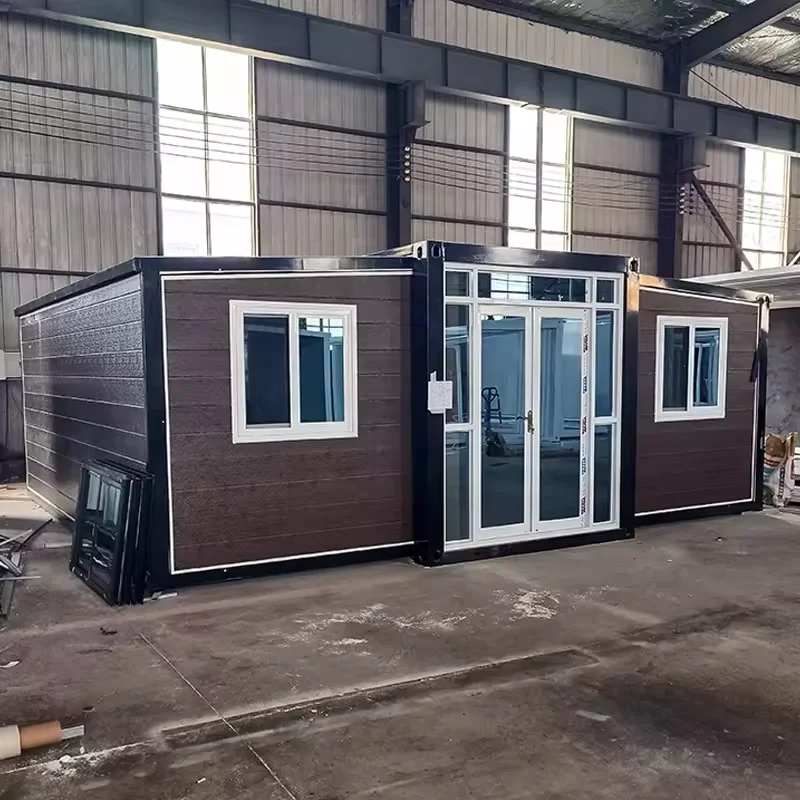


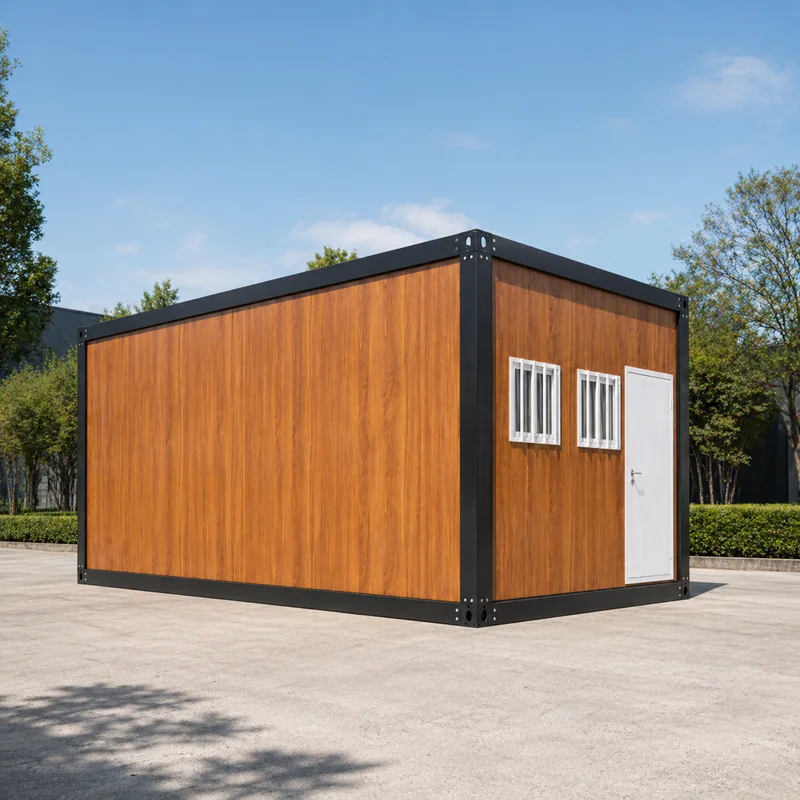

How to Evaluate Supplier Reliability for Container House Projects
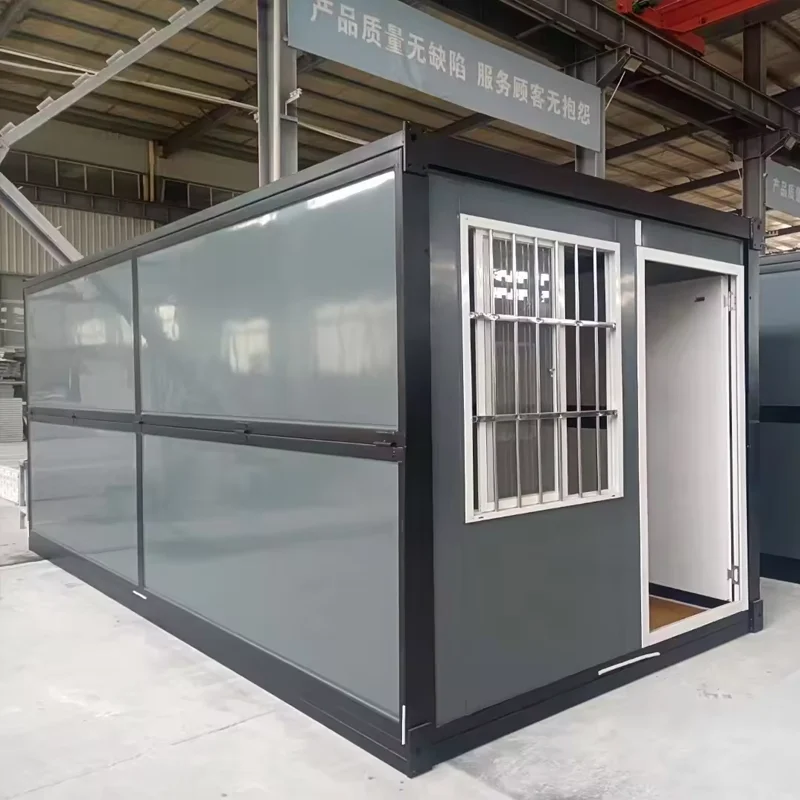
Supplier reliability is paramount when embarking on a container house construction project. To evaluate potential suppliers, start by assessing their experience in the industry. A company with a proven track record in manufacturing storage container house will likely have the necessary expertise to handle your specific requirements.
Look for customer testimonials or case studies that demonstrate their capability to deliver quality products on time. Additionally, verify their production capacity and quality control processes. A supplier that maintains a daily output of 500 units, for instance, indicates robust manufacturing capabilities, which can be crucial for larger projects requiring quick scaling.
Certifications can also serve as a benchmark for reliability. Ensure that the manufacturer adheres to relevant industry standards and possesses quality certifications, which can signal their commitment to maintaining high production standards. Finally, consider their customer service responsiveness during initial inquiries; a supplier that engages promptly and transparently often reflects a reliable partnership.