EN


Prefab sheds have become increasingly popular in various sectors due to their versatility, cost-effectiveness, and quick assembly. These structures can serve multiple purposes, from storage solutions to workspaces. However, for B2B buyers—such as purchasing managers, engineers, and project managers—understanding the intricacies of sourcing prefab sheds is crucial. This article will delve into key specifications to consider, cost factors, reliable supplier options, best practices, and the diverse applications of prefab sheds, providing you with the insights needed to make informed purchasing decisions.
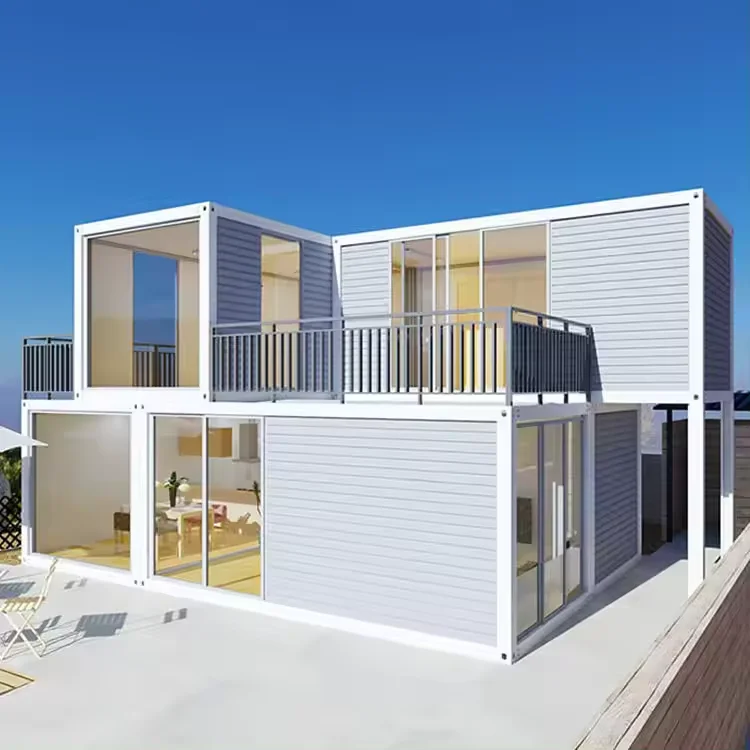
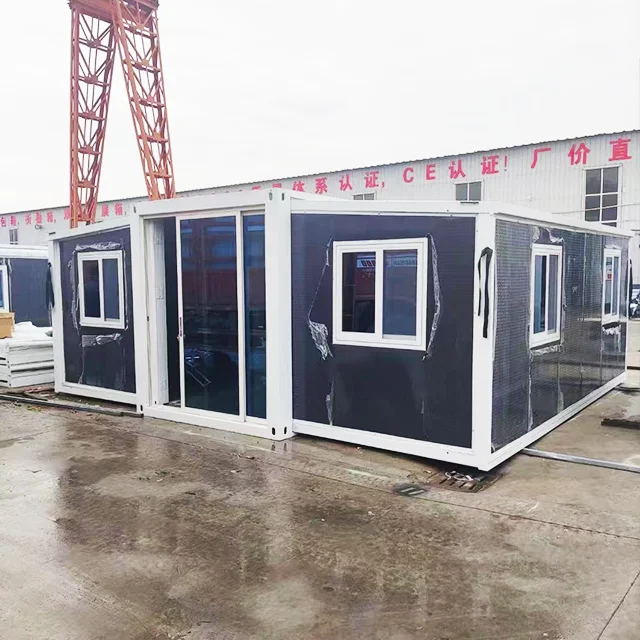
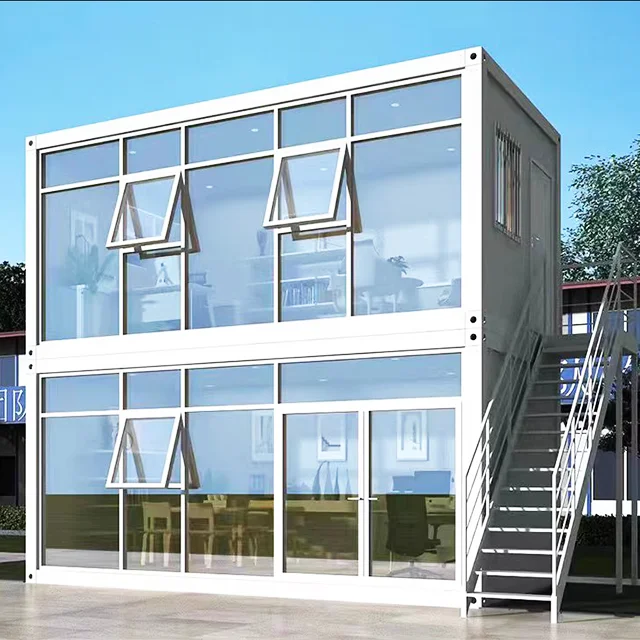
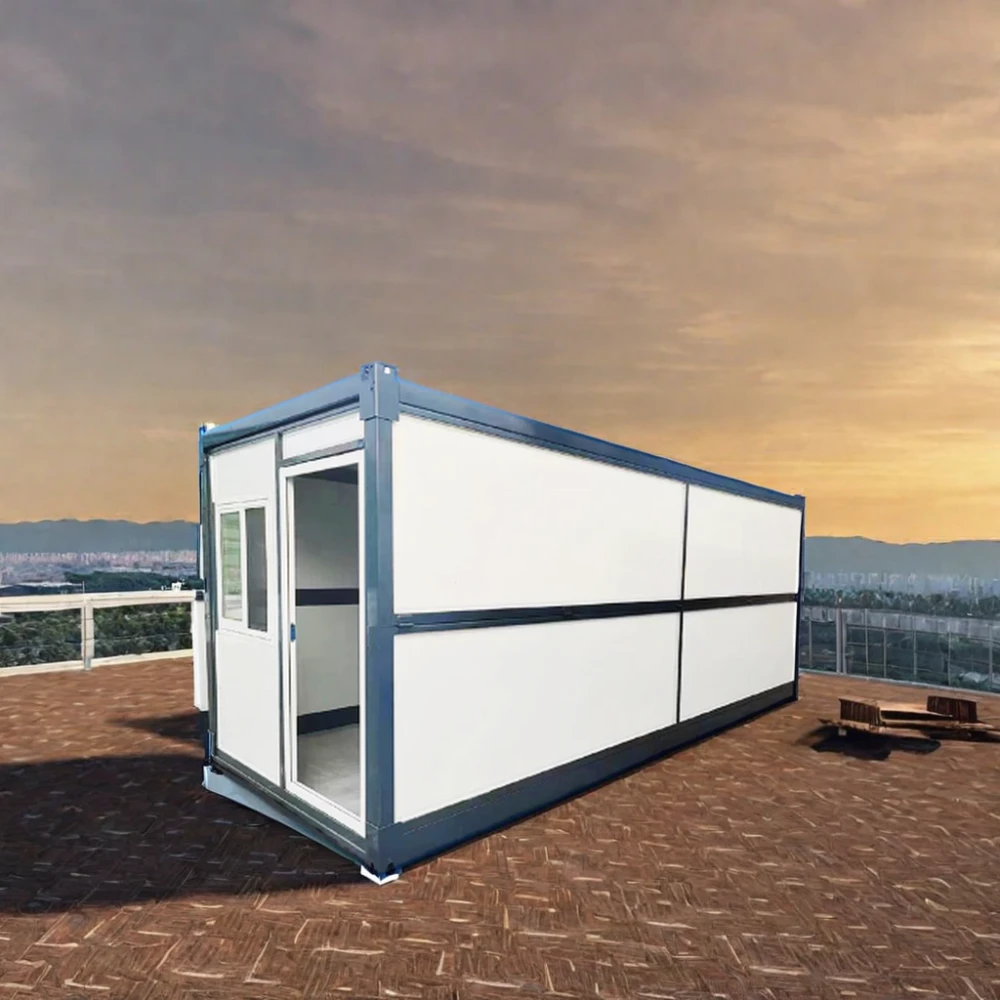
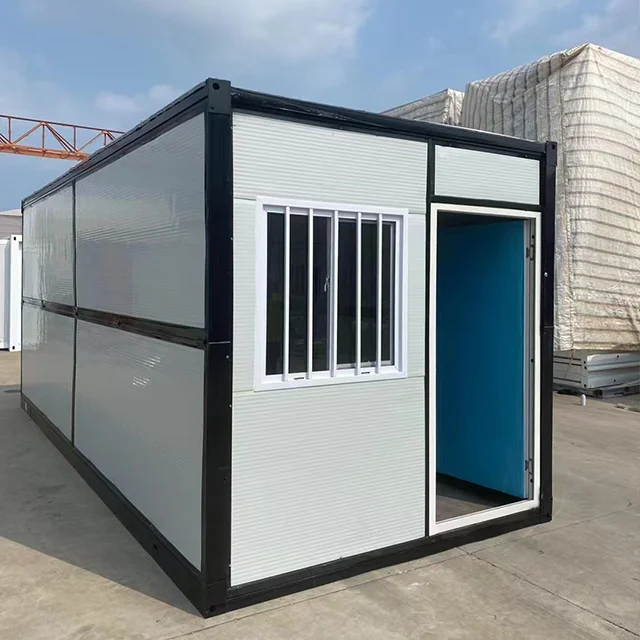
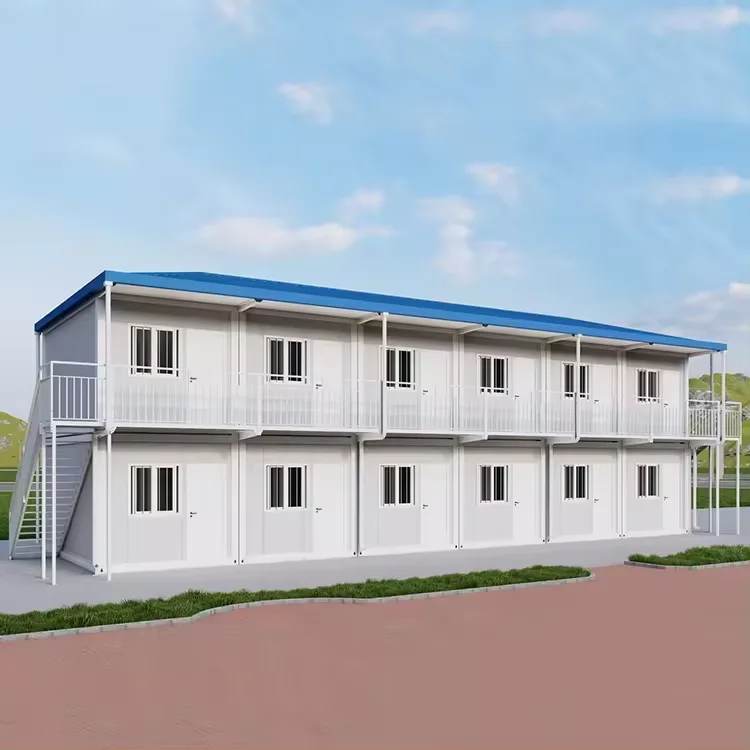
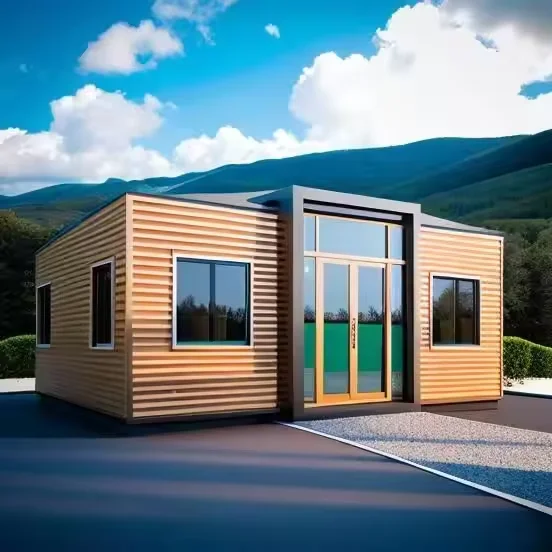
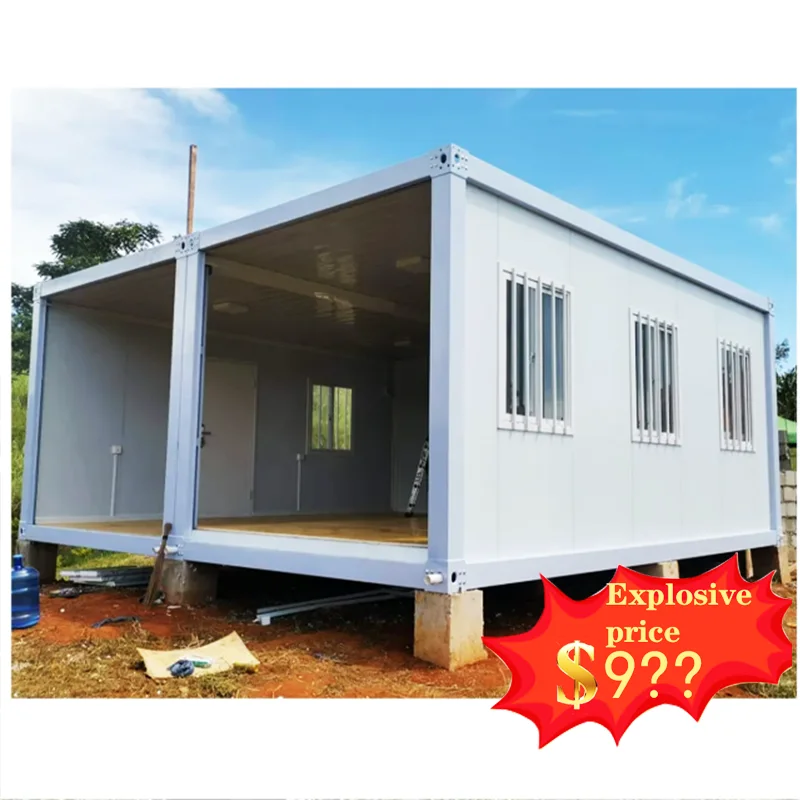
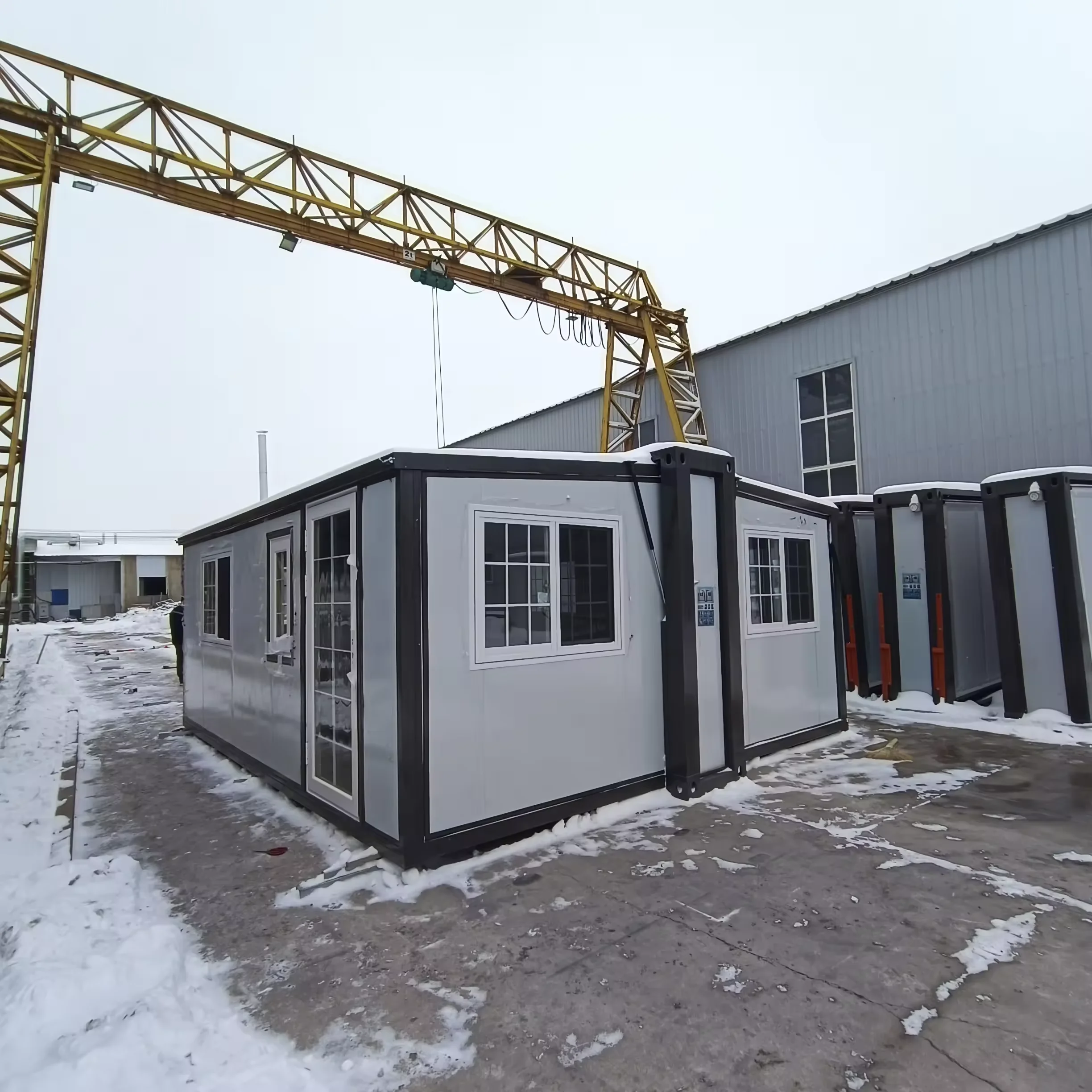
How to Evaluate the Quality of Prefab Sheds for Wholesale Purchase
Cost is often a primary concern when purchasing prefab sheds. Several factors contribute to the overall pricing:
Material Costs: As mentioned earlier, the choice of materials directly affects pricing. Steel is generally more expensive than wood but may provide better long-term value due to lower maintenance needs.
Customization Requirements: Custom features, such as specific dimensions or additional windows and doors, can increase costs. Buyers should outline their requirements clearly to avoid unexpected price hikes.
Production Scale: Bulk orders can often reduce unit costs. Understanding the manufacturer’s minimum order quantity (MOQ) can help in planning purchases that align with budget constraints.
Logistics and Shipping: Consider shipping costs, which can vary based on the distance from the manufacturer and the size of the order. Ensure you factor these into the overall cost.
Installation: If installation services are required, this will add to the total cost. Some manufacturers may include installation in their pricing, while others may charge separately.
By considering these factors, buyers can better estimate the total investment required for prefab sheds, including options like Sandwich Panels that can enhance insulation and efficiency.