EN


Prefab garages are increasingly becoming a popular choice for businesses and homeowners alike, offering versatile storage solutions that do not compromise on quality or efficiency. As a B2B buyer, you may have concerns about specifications, cost factors, quality control, and potential problems associated with prefab garages. This article aims to provide you with practical insights into evaluating various prefab garage options, understanding cost considerations, and ensuring reliable manufacturing processes, ultimately guiding you toward informed purchasing decisions.

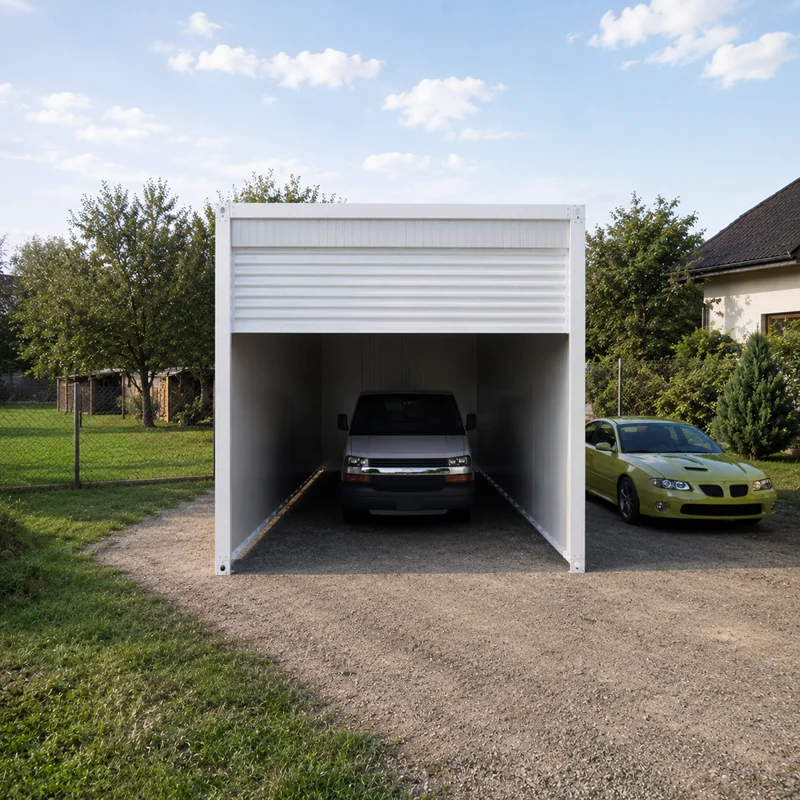
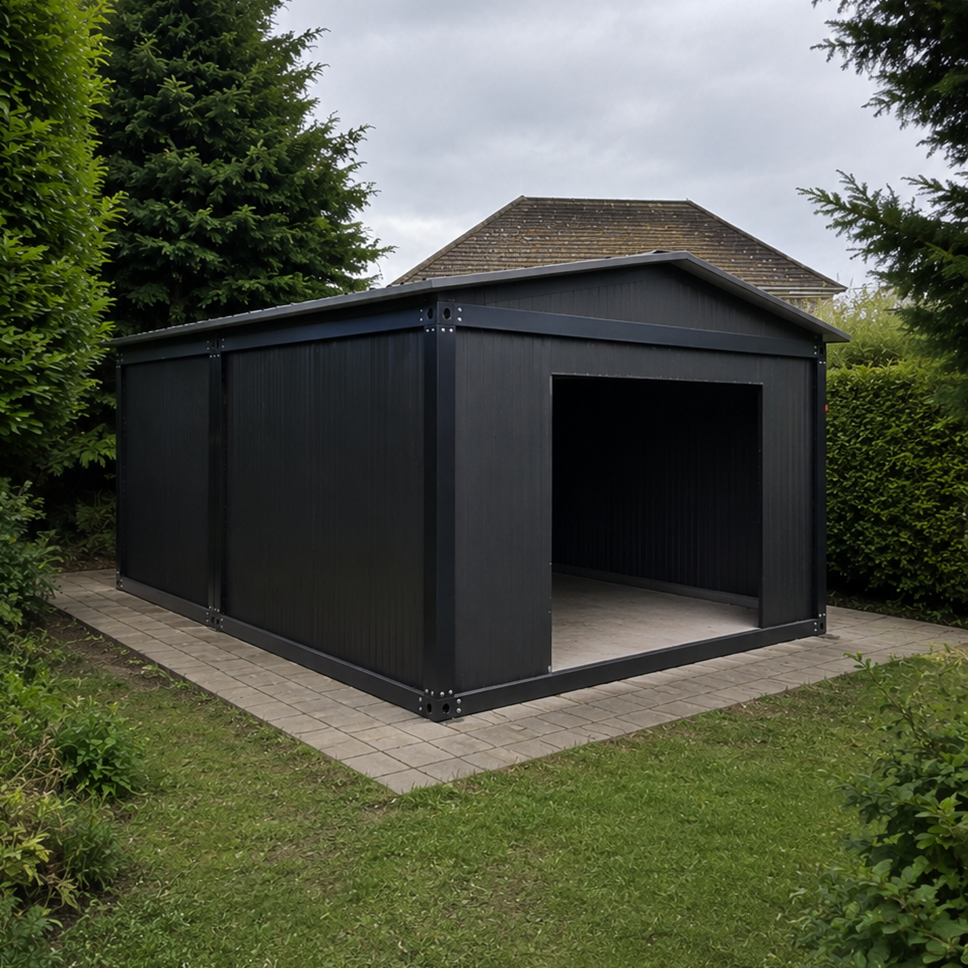

Understanding the Cost Factors of Prefab Garages for Bulk Orders
Cost is a primary concern when purchasing prefab garages, especially for bulk orders. Several factors contribute to pricing:
Material Costs: The choice of materials directly influences the overall cost. For instance, steel garages typically cost more than wood options due to the material's durability and resilience. Buyers should consider long-term value over initial costs.
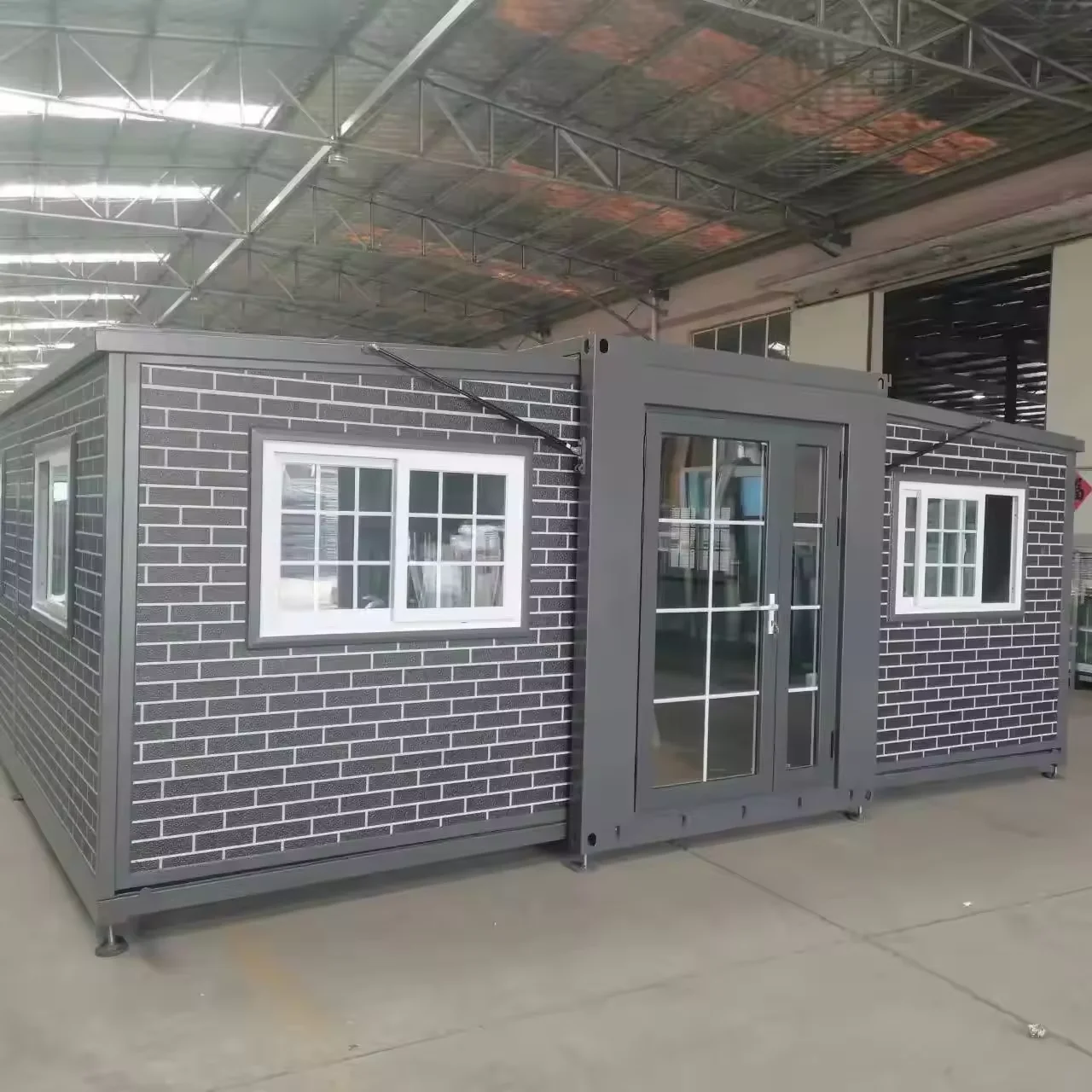
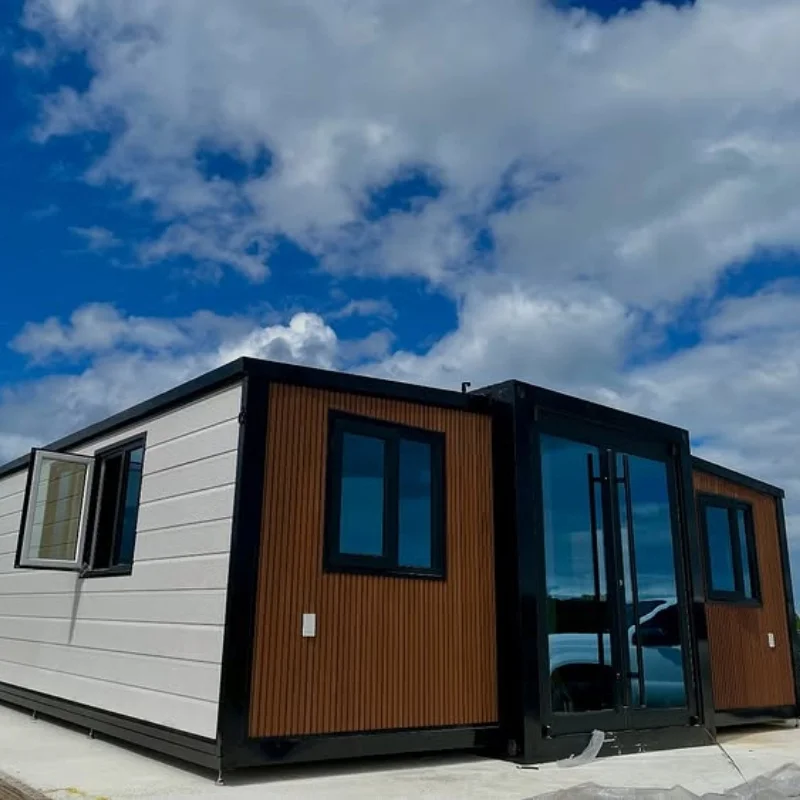
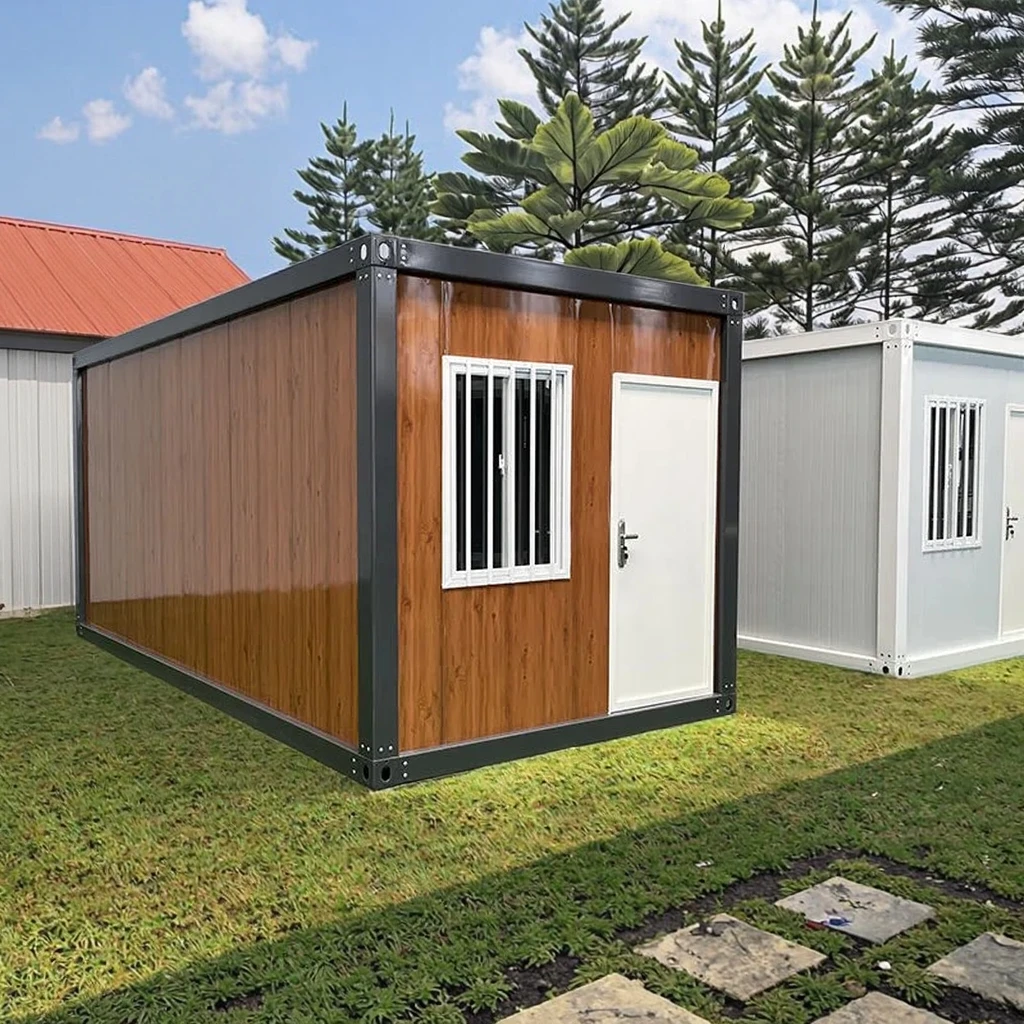
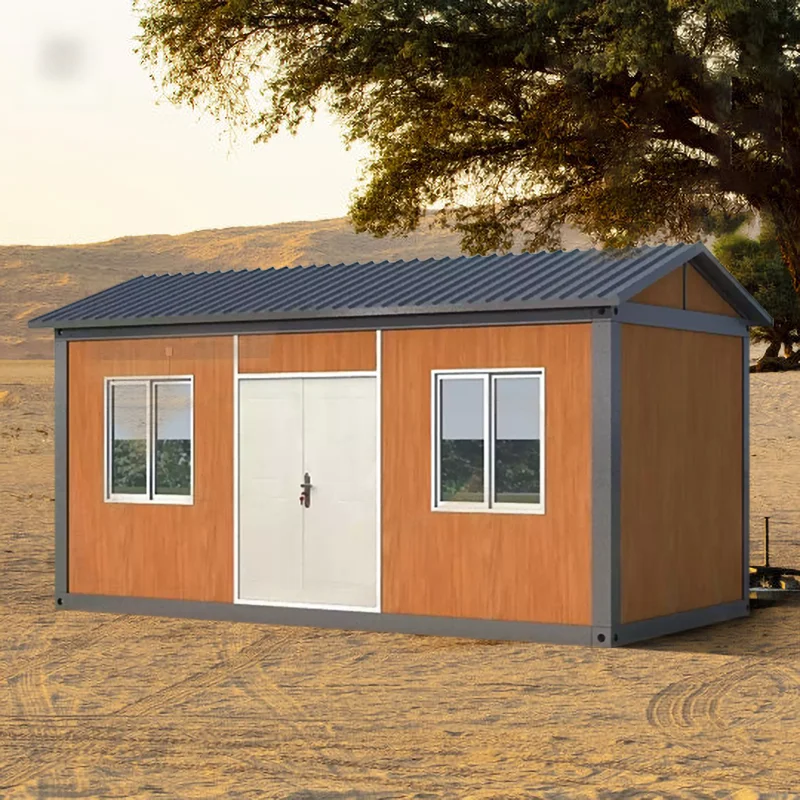
Customization and Design Complexity: Custom features can increase the price significantly. Simple designs are generally more cost-effective, while complex layouts or specialized features can add to the manufacturing expense. It’s advisable to balance customization needs with budget constraints, possibly exploring options like the 3 in 1 foldable home container for practical solutions.
Manufacturing Volume: Bulk orders often come with discounts. Understanding the minimum order quantity (MOQ) can help buyers negotiate better pricing. Inquire about tiered pricing based on volume to maximize savings.
Shipping and Installation Costs: Factor in transportation fees, which can vary based on distance and logistics. Some suppliers may offer installation services, which can also affect the final cost. It's essential to clarify whether installation is included in the quote.
Market Fluctuations: The prices of raw materials can fluctuate due to market conditions. Staying informed about market trends can help buyers anticipate potential cost increases.