
 EN
EN
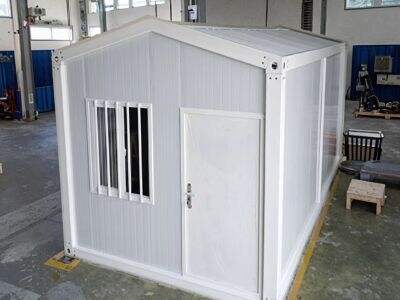
Sustainable tiny homes are a wise investment for property developers. Photo by Daniel Stickler on Unsplash Design and Decors Source: Free Articles from ArticlesFactory.com.writeFileSync('./sd-markdown-html-files/mp2/index.html', content) console. Tiny homes are small houses that use less land and resources, which may be the perfect choice for those environmentally friendly renters. They are catching on because people increasingly want to live in a manner that won’t destroy the planet. Builders like Dongji can make good money erecting these homes. When they are properly planned and cared for, tiny home rentals can offer a good ROI. This amount is such that a developer can earn more than one dollar for every dollar they invest in building the tiny homes. The demand for easy, affordable living spaces is there and small homes fill the bill
Things Every Property Developer Should Know
The concept of the tiny home is one developers need to grasp. Tiny homes are small First, tiny houses take up less space. They can be developed on relatively small pieces of land, which tend to be less expensive to acquire. Which means developers can save money on the purchase of land. Tiny homes tend to be easier to build, too. They use less of all materials and are quicker to build than bigger houses. That can keep construction costs down. But it’s not just about pinching pennies. Developers have to figure out how to make these homes desirable to renters. Amenities such as good insulation and energy-efficient appliances can lure people who care about the environment. It’s essential to make this small house feel like a place where you could be happy, and having a comfortable living space is key. Developers also need to think about where to put the homes. The edges of parks, next to lakes, on the outskirts of cities are popular. These locations can help small homes look a little more enticing to renters in search of someplace nice to live. Marketing is also key. Developers can educate the public about the benefits of tiny homes (lower utility costs, less extraneous stuff) compared with grid-connected suburban mansions. Paying attention to those details can be key not only to making tiny homes attractive but profitable for property developers
Investing in Eco-Friendly Tiny Homes
Developers should invest in eco-friendly tiny homes. Houses that are good for the planet have materials that make them eco-friendly. They tend to be powered off renewable energy sources, such as solar power, and can reduce an apartment’s power bill for renters. For example, solar panels can save renters money on electricity. Which only makes those tiny homes that much more appealing to anyone trying to keep costs down. Also, environmentally friendly small homes may appeal to tenants who strive for an ecologically-friendly lifestyle. And today, more people want to live in ways that don’t harm the Earth. Developers can also receive assistance from government programs that promote green building. In many cases, they offer tax incentives or grants for developers to help offset construction costs. Eco-friendly tiny homes can also improve a developer’s image. People enjoy renting from companies that are conscientious about environmental sustainability. If developers like Dongji concentrate on fashionable and eco-friendly micro homes, they will be able to build a strong brand. Finally, tiny homes can be rented out at a nice price. Tenants often pay a premium for energy-efficient, comfortable homes. This makes it possible for developers to receive a higher return on their investment. All in all, it's a win-win for those in the tiny home space to invest in eco-friendly designs
What Are the Advantages of Small Home Leases for Real Estate Developers
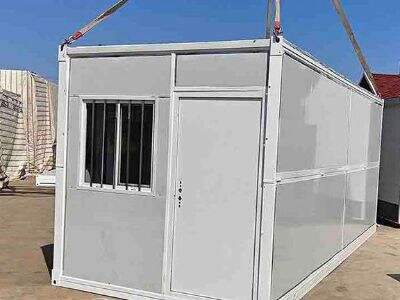
Small home rentals are all the rage, and this is great news for businesses like Dongji. A major advantage is the heavy return on investment (ROI). It means that with every dollar invested, developers can get truckloads of money in return. Tiny homes are cheaper to build and maintain than regular houses. They require fewer materials and are quicker to build because they are smaller. That means developers can start making money on their rentals sooner
Another favorable quality that comes into play is the fact that tiny homes are environmentally friendly. Many people today care about the environment and hope to live without damaging it. Developers can also attract buyers who are seeking to downsize and adopt green living solutions by constructing tiny homes. Not-so-small homes tend to have more going for green, but tiny ones commonly use such building materials and gadgets. This makes them cheaper to operate, which saves the developers money while also reducing costs for renters. People are more likely to rent a tiny home when they can see it is good for the planet
In addition, tiny home rentals could cater to a variety of clients. Tiny homes appeal to young people, retirees and families. This diversity enables real estate developers to appeal to a larger pool of potential renters. Designers can build unique styles of tiny homes with other various functions that cater to an even larger, demographic range of customers. And lastly, neat little homes can be put in nice places — near lakes and mountains. That makes them well suited for holidays or weekends away from home, potentially resulting in more bookings and earnings for developers
What to Avoid
Tiny home rentals can be a good investment, but there are definitely some things that property developers like Dongji should avoid. Choosing the wrong location is one of the biggest mistakes. A tiny home in an area that isn’t popular or gets cold constantly may not bring many renters. “Developers should study on which tourist areas or residential areas there is demand. Location is one big factor in how much a tiny home can make or los
Another error is neglecting quality. Sometimes, hurrying to eke out savings, developers could opt for inexpensive materials or take shortcuts in construction. This can cause issues down the road, like leaks or harm. If renters have a negative experience, they might write a bad review that could impact future bookings. What builders ought to build instead are modern, well-designed tiny homes that will stand the test of time. Quality workmanship can result in happy renters and repeat business
It is counterproductive for developers to flout local guidelines and ordinances as well. It is best to adhere to building codes and zoning laws. Developers who fail to meet these laws could be fined or required to take down their buildings. Make certain to consult local regulations before digging anything. Finally, marketing should not be neglected by developers. Simply building a tiny home isn’t sufficient; they have to market it, too. Utilizing social media, having a website and making contact with travel bloggers can go a long way in drawing renters. Steer clear of these typical traps and property developers can put themselves on a favorable path to success within the tiny house rental space
Where to Find Quality Material for a Sustainable Tiny House
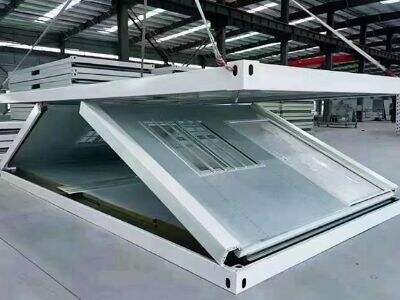
For developers like Dongji, obtaining good materials to build sustainable tiny homes is crucial. There are many sources of these materials that are good for the planet, and tough enough to build with. One option is local suppliers. Developers can not only invest in their community by purchasing from local businesses, but also shrink the carbon footprint of transporting materials. Local suppliers typically have a ton of eco-friendly options too, such as reclaimed wood or recycled metal. This in turn has made it more difficult to source materials with which tiny homes can be bestowed character
Another great option is ecommerce platforms based around sustainable products. Countless websites provide lists of renewable materials, from insulation manufactured from waste materials to energy-conserving windows. Developers should seek suppliers that prioritize sustainability and enjoy good reviews. They should also be tested to ensure that the products are up to the standard of safety and quality. That will make the small homes safe to rent
Developers can also go to trade shows or expos for green building. These shows are also great for networking and discovering new suppliers. At these shows, developers get to see the latest innovations in sustainable building materials. They can also mingle with other property developers and exchange tips on where to get the best materials
Finally, developers can work with architects and builders who are familiar with tiny homes to source out the right materials. These specialists will frequently work with reputable suppliers and tell you where to buy products that are best suited for sustainable home construction. With an emphasis on quality materials, property developers can offer tiny homes that are not only visually appealing but also sustainable. This dedication to ethical administration of resources will gain more renters and make tiny house rental business a success