
 EN
EN
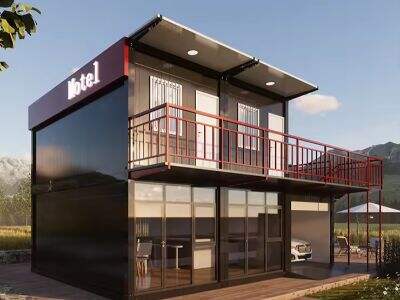
More and more businesses appreciate the benefits of tiny homes. Eco-conscious hospitality brands are aiming to make your stay a special experience that’s also friendly to nature. And Dongji is here to assist these brands with tiny home solutions that can grow along with them. Tiny houses present a way for people to provide guests with a comfortable place to stay without using too much space or resources. These can be installed in scenic spots, allowing guests to get back to nature without leaving a massive environmental footprint.
What Eco-Friendly Brands Must Know?
Eco-friendly brands must understand how tiny homes can serve as a part of their mission. First, they feature fewer materials than traditional hotels, so there’s less waste. They can be constructed out of sustainable materials, such as reclaimed wood or recycled metals. This is not only better for the environment, but also appeals to guests who are concerned about sustainability. It is also critical that, for these brands to consider energy use. Tiny houses can also be outfitted with solar panels and energy-efficient appliances that save their owners money on electricity and, by extension, carbon emissions. This can be a selling point for guests who are looking to stay at a hotel in line with their principles.
One other thing to consider is the location of these tiny houses. When placed in nature, it can be an incredible experience for visitors. Think about waking up in a comfy tiny house nestled among the trees or along a peaceful lake. It’s an excellent way to get people out experiencing nature, with minimal impact on the environment. Another consideration for eco-friendly brands are how tiny homes can be part of a larger community. They can build a network of tiny homes that share resources, like water or waste management systems, which makes everything more efficient. In doing so, they can help bring a community of guests together, which will encourage people to come back multiple times and leave positive reviews.
Lastly, branding is key. Green-minded brands should say as much of their story. What are they doing for the planet? What makes their tiny houses cool? Passing along this information could draw more guests interested in patronizing businesses that have the environment in mind. Storytelling and images displayed on social media can also help raise the visibility of tiny homes. Focusing on these areas will allow eco-conscious brands to make their tiny home solutions work for them.
Scalable Tiny Home Solutions for Your Hospitality Business: Tips to Consider
For someone trying to get into the hospitality business with a tiny home, selecting the right one is crucial. Brand First, brands should consider size and design. Maybe tiny homes are suitable only for couples; or, maybe families can make them work. Here Dongji provides multiple design options that can also cater to different requirements. That way, brands can present a variety of choices to potentially draw more guests. Families who want to spend time outdoors together may be suited for a pint-size house with a spacious porch. At the same time, a chic and modern tiny home could attract young couples seeking a romantic escape.
Next, consider the cost. Investing in tiny homes can be a wise move, but companies are trying to find ways that work within their budgets. Dongji offers a budget and eco conscious options. That means brands can scale without going broke. It is also worth considering maintenance expenses. In a tiny home, maintenance should be simple to ensure that brands can focus on their guests rather than repairs.
Another thing to take into consideration is that of the versatility tiny homes offer. Eco-minded brands could have incentives to alter their offerings over time. For example, if a brand begins with a few homes and plans to add more at some time in the future, it needs to select a solution that supports this sort of growth. Dongji homes are easy built on to a previously existing system, so when the time is right it is as straightforward as an chain module.
Finally, brands should also consider the support they will have from the manufacturer. Dongji is passionate about collaborating with other companies and providing guidance in the whole process. A brand should search for a manufacturer that offers good customer service and support. This collaboration is essential for how well the business functions. Taking these aspects into account, eco-aware hospitality brands can now get the ideal scalable tiny home solutions that aligns with what they are looking for and their desire to help save the planet.
Where to Find Eco-Friendly Accommodations?
Environmentally friendly places to stay are more common and accessible than ever before! Now, many travelers are looking for ways to help the planet. One way to begin is to look online. Dozens of websites cater to eco-friendly hotels, cabins and tiny homes. These sites tend to display places that are powered by green energy, where they recycle and have a minimal impact on nature. You could search for places that are constructed with sustainable materials, such as wood from responsibly managed forests. Dongji is a fantastic example of this, offering small homes for eco-minded travelers. They work to ensure their prefab house tiny are energy-efficient and environmentally friendly.
Another means to locate green lodging is by placing a call at your friends and family. They might have heard of land with a gentle touch on the Earth. Local tourism offices may also be able to help you locate green options. Many of them maintain lists of places that adhere to eco-friendly practices. You can ask questions about how the place supports the environment when you book your stay. Such as whether they power their home with solar panels or grow a garden to produce food?
Additional tools include those of social media. There are many people who do share their travels online and you can read about eco-friendly stays. Search for hashtag such as #EcoTravel or #SustainableStay. These may take you to inspiring places. And see blogs that focus on green travel. They frequently have tips and recommendations. With these tools, you can discover your ideal sustainable stay that aligns with your values and contribute to safeguarding our planet.
Where to Find High-Quality Tiny Houses for Wholesale Buying?
If you know your way around the tiny home industry, finding quality stock to build and sell can make smart sense. Tiny houses are gaining steam, especially among eco-friendly hospitality companies. Begin your search by going online and finding out who the manufacturers are that specialize in tiny homes. Dongji is great at designing tiny homes that are both solid and lovely, making them ideal for businesses looking to provide unique lodging opportunities. Their homes are constructed with lots of high-quality materials like FSC certified wood and sustainability is key, which we love.
You may also want to consider attending trade shows or fairs where tiny houses and sustainable living are featured. These shows have a great variety of builders and designs. You can meet the people who make these homes, and you can see their work up close. It is a brilliant way to discover potential partners for your business. When you locate a manufacturer, inquire about their materials and how they are (sic) being built. You also want to make sure that they are eco-friendly and can offer the quality you demand.
You can also participate in forums or groups online that talk about living in tiny homes. This is where buyers and sellers can commune. They can trade stories and advise on good places to get tiny homes. Remember to shop around for prices and quality at various places. By doing so, you will be able to find high-qualitytiny prefab house that won't make your guests feel less special and continue promoting your brand as an eco-friendly alternative.
Why You Should Invest In Scalable Tiny Home Solutions?
Scalable tiny home solutions make sense for eco-friendly hospitality brands to invest in. Among its biggest perks is that depending on your needs, you can grow your bank quickly. Small houses are frequently cheaper to construct and maintain than regular hotels. This lets you start small and expand as your business grows. This will give you the flexibility to help meet customer demand without spending too much.
An additional benefit is the possibility that tiny homes draw a new type of traveler. Increasingly, people are craving unique experiences and spending a night in a tiny home can be thrilling. It enables guests to take pleasure in nature and the simple life, a lot of people appreciate this. You could differentiate your business by providing these tiny house prefab, and drive more guests to choose you over competing hotels to help your company.
Tiny houses are also environmentally friendly. They are also more energy efficient to heat and cool, which reduces your carbon footprint. And because they fill less space, the houses can be built in places that do not disrupt nature as dramatically. By investing in tiny homes, you’re letting your guests know that you care about the planet. This is a great way to build loyalty from customers that share your values on sustainable living.
Tiny houses can also be personalized to accommodate different themes and styles, so there could be something for everyone. Dongji comes in a variety of designs, so you can pick and choose the ones that most closely align with your brand. You can use this customization in order to make a unique experience for your visitors. scalable tiny home investing that will build your business and bring in new customers, all while being green and creative with your hospitality brand.