 EN
EN


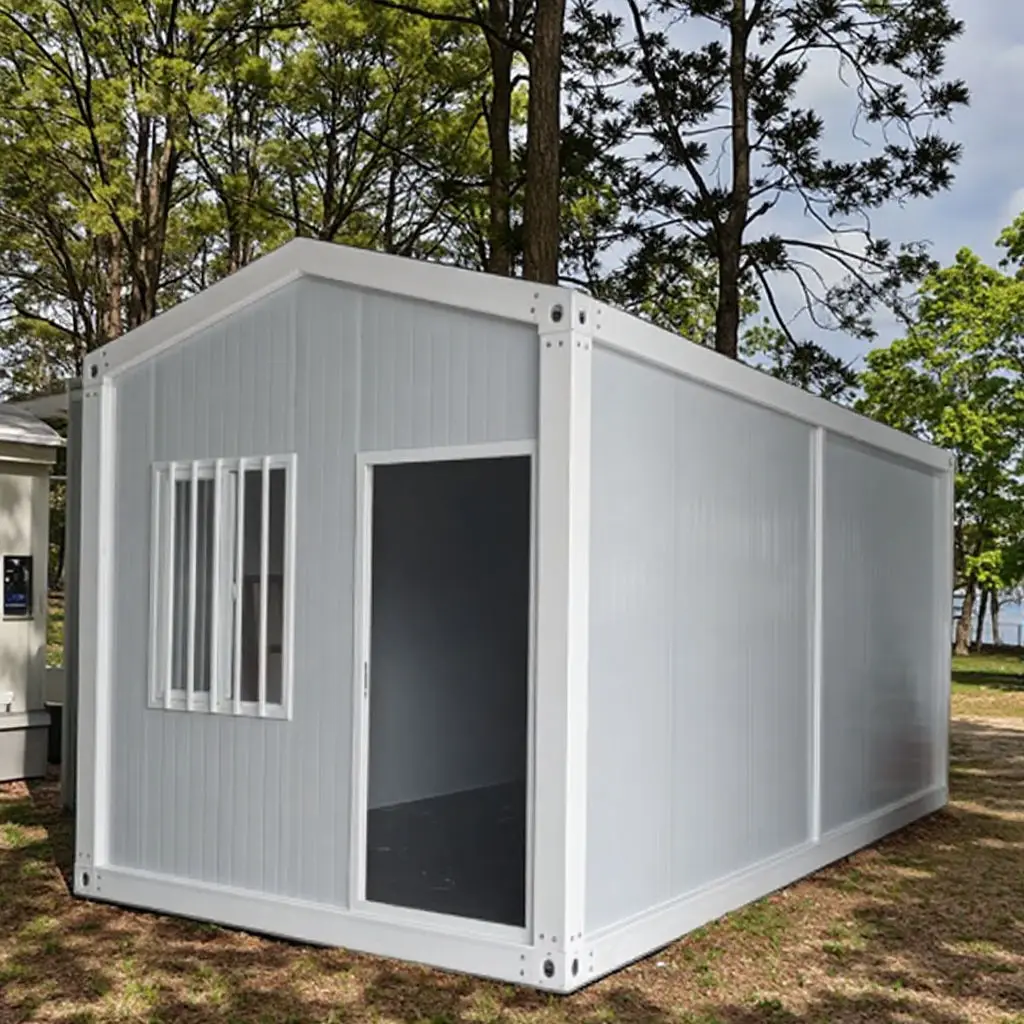
Houses can be hard to build, particularly when lots of people need a place to live. Dongji knows what can make this easier: something it calls scalable modular home platforms. Such platforms assist in rapidly and cheaply establishing housing for groups such as schools, shelters or hospitals. They are like the little pieces of Legos that can snap together in long ribbons. Rather than having to create each individual home, such platforms enable homes to be constructed quicker, therefore more economically. That translates into more people having homes, sooner, and that would be a very significant thing to achieve.
What is Institutional Housing- Scalable Modular Homes Platform?
Scalable family of house systems: bridging the gap between modular system and building Scalable prefabricated home platforms are unique products to build homes. Picture a giant puzzle with lots of pieces, any one of which can be linked to in multiple ways. These platforms consist in pre-fabricated sections or modules. They can be assembled quickly on a site. They are available in different shapes and sizes, which is a advantage for various purposes. As the Parks and Recreation Department explains in this segment on New York City’s history, Dongji has what no other school ever did before or since. For example, if a school needs more space for its students or whatever, he can make them a modular building that fits snugly next to the one they already have. Hospitals can add modules to grow in size if they need more rooms. That way, homes of all different kinds can be built. These prefab modular house are also built to be durable and safe. They are able to weather various elements so they can be placed in different locations. And, they can be constructed of earth-friendly materials, which is good for the planet itself. This means we are not just addressing housing issues, but also looking out for the planet. When builders employ scalable modular home platforms, they can set goals for how many homes are needed and how rapidly the buildings will appear. This kind of planning is critical when there are large numbers of people, as in cities or communities that need more housing. When builders use Dongji’s platforms, the procedure is more streamlined for everyone (from the builders to the future dwellers in these homes).
The Way Modular Home Solutions Are Revolutionising Institutional Housing Development
When institutions such as schools and hospitals adopt scalable modular homes, they can transform the way in which we make homes. For example, rather than having to endure months or years for a new building, they can be living in a new home in weeks. This comes in handy, especially in the case of emergencies, such as when a lot of families need shelter following a disaster. Dongji’s modular homes are quickly deployed so that families don’t have to wait long for a safe place to live. On top of this, these homes are able to be customised. And if a school needs an art room, or a hospital seeks a quiet place for patients, the modular design can be tailored to accommodate that. This versatility helps organizations to better serve users. They are also really cheap which is a plus. It is expensive to construct conventional homes, if it's not constructed on site, traditional home building costs can become lost. That means more money can be put into programs and services as opposed to just construction. What is more, Dongji’s modular homes are built to last, meaning they will need less replacing. This longer-term outlook saves even more money over the long run. Lastly, these platforms promote community. As more houses are built faster, neighborhoods expand and fellow human beings can meet. Institutions focused on being an asset to their community and making it stronger and more supportive for everyone who lives there. This change is important since it offers a brighter future for numerous individuals. Thanks to Dongji’s help, the way how we construct houses is improving, so that we can more conveniently and rapidly cope with the housing demand of those in need.
Why Are Modular Homes the Best Choice for Institutional Housing Projects?
Modular homes are ideal for larger projects like schools, hospitals and shelters. The factory is at the heart of one of the biggest reasons why. That’s because they can be constructed more quickly than conventional homes, which are fashioned on-site. When you need a lot of buildings, quickly, like for a new school or an expansion at the hospital, modular homes are where it’s at. They are also constructed in sections, or modules, which makes it easier to get them to the building site. Once there, the modules are assembled, sometimes in a matter of days. This is one of the speediest solutions we have to address urgent needs in communities.
The other sensation of expandable modular house that make them ideal is flexibility. With Dongji, you have the options to select different colors and designs as well as order the size that may fit your needs. If, for instance, a hospital requires additional patient rooms, Dongji can design modular units that complement existing structures. This way, everything looks good and functions well in harmony. Besides, these houses can be enlarged or altered at some future date. If a school requires additional classrooms down the road, it can simply attach another modular section. This type of flexibility is wonderful if your institution grows or changes in the future.
Cost is another important factor. Constructing with Dongji’s modular homes can be a money saver. They are constructed in a factory, meaning less waste and few delays due to weather issues. This makes the entire process less expensive. Modular homes are also frequently built with energy-efficient materials. That means they can save on heating and cooling bills something important for schools and hospitals, which often have a lot of people inside. Overall, the speed, versatility and economy of modular make it an ideal for institutional housing projects.
How Modular Solutions Address Them
Open-ended solutions address common issues institutions encounter. The biggest problem is that safety and quality are a must. With Dongji, each modular home is factory built under strict guidelines. This is because they are subject to the scrutiny of house inspectors, as part of being constructed. They are all safety tested to ensure they arrive at site ready to use and don’t cause friction with the health and safety department. This is even more critical in places such as hospitals, where patient safety is paramount.
Another challenge is people management in an area. Modular homes can be structured to include spaces shared by multiple units, such as kitchens and lounges, an ideal setup for schools or shelters. Dongji creates homes that people will actually use. A cafeteria, for example, can be part of a modular design if the school requires one. That way everyone has legroom for eating and lounging. These houses address the needs of disabled individuals as well. Dongji can add ramps and provide wide doorways to ensure everyone has a way in and out, she said.
Other challenges that institutions face are time and budget restrictions. Modular homes can help with this because they can be constructed swiftly and are often less expensive. Because they are made in a factory, there are less weather delays. In other words, schools can open on time and hospitals begin serving patients faster. Dongji’s modular solutions also enable institutions to better plan. They’re able to manage budgets more easily and can see the timeline when they have all of those known costs up front. In general, modular systems offer clever responses to many headaches that institutions tend to encounter.
Selecting Your Scalable Modular Home Platform For Institutional Needs
The decision on the appropriate house modular is important for any organization. For one, consider what your project requires. For example, if you’re seeking housing for a temporary shelter, you might need different design work than if you were constructing a new school. Dongji can be customised with the different options available. Think about how many people will occupy the space and any amenities that you require. This will help you choose the size and floor plan of the modular homes.
Secondly, you need to consider the quality of all materials. You want to be sure that homes are built for the long haul. Dongji is made from high-quality materials that are resistant to harsh climate. This can be a huge consideration if you have extreme weather where you live. You should also ascertain if the homes are energy efficient as well. Opt for a platform made with energy-saving materials that can save money in the long run on energy costs.
Finally, consider the company's credibility and background. admin Since its establishment, Dongji has been a professional manufacturer of high-quality modular homes for institutional use. Look for forum reviews or deal with other institutions during their inquiry about the company's quality of service. Honest firms will happily mostly treat you with respect by answering your questions definitely and also work together with you to solve the problem of tailor-made design. Cementing the idea of what you want they will also show you their willingness to custom the design. This will allow you to choose the specific one that is quantifiable modular home platform that benefits your institution the most.
Table of Contents
- What is Institutional Housing- Scalable Modular Homes Platform?
- The Way Modular Home Solutions Are Revolutionising Institutional Housing Development
- Why Are Modular Homes the Best Choice for Institutional Housing Projects?
- How Modular Solutions Address Them
- Selecting Your Scalable Modular Home Platform For Institutional Needs